




Regency Period Wall Art
Regency period wall art gathers oil paintings, watercolours, silhouette portraits and hand-coloured engravings that capture the distinct visual character of the early nineteenth century.
Regency Period Wall Art
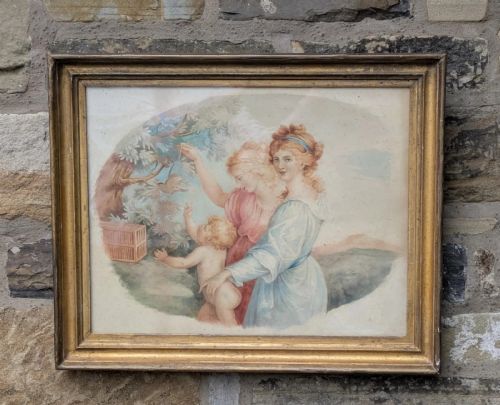
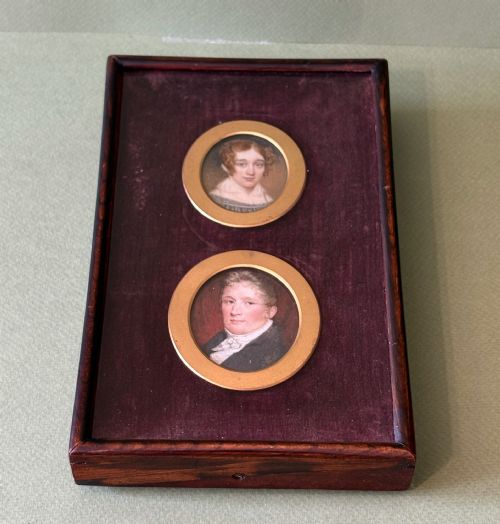
Regency period wall art brings together framed works on paper, wood panel and canvas originating predominantly from the late eighteenth and nineteenth centuries. These pieces reflect the prevailing aesthetic tastes of the Georgian and Regency eras through portrait miniatures, classical scenes and landscape studies.
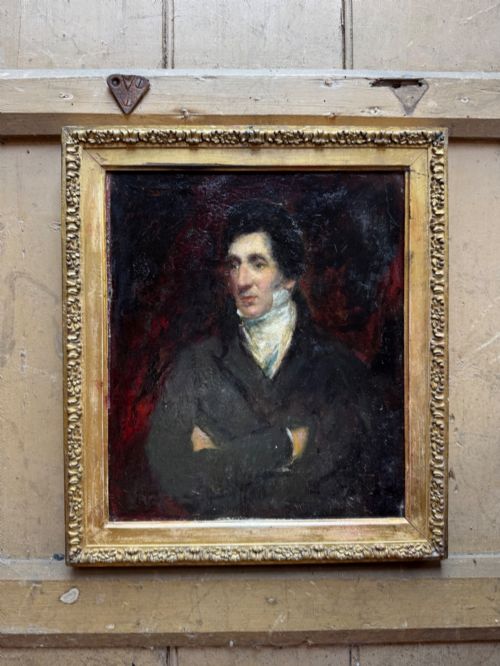
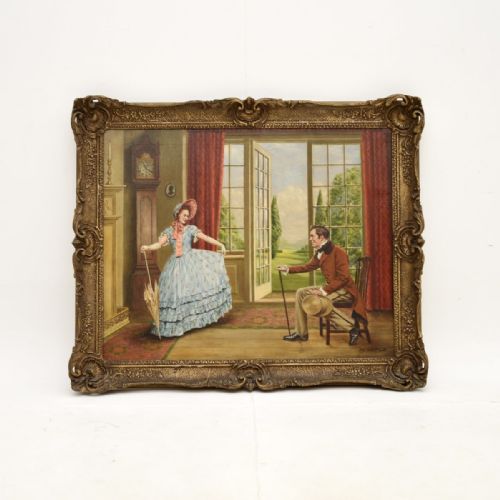
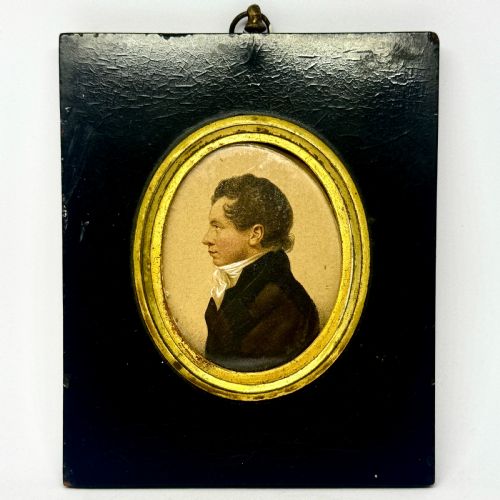
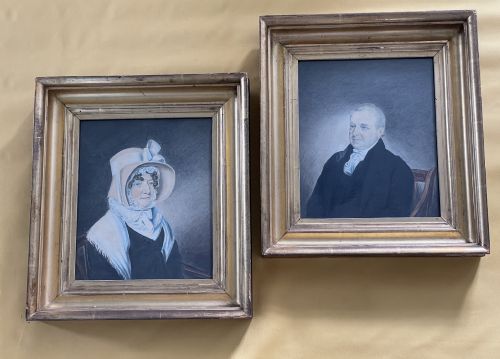
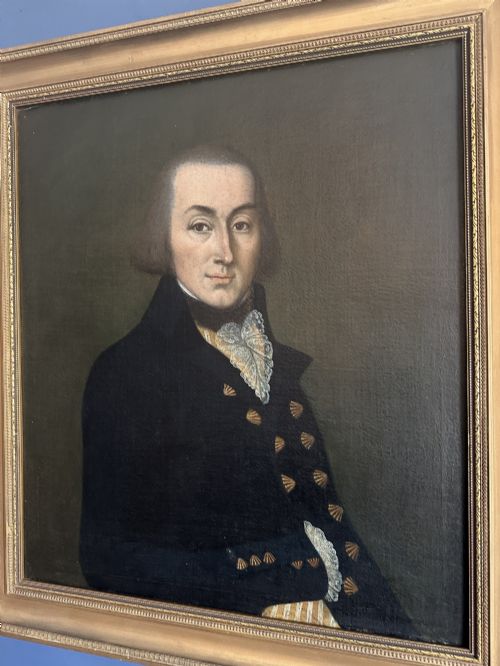
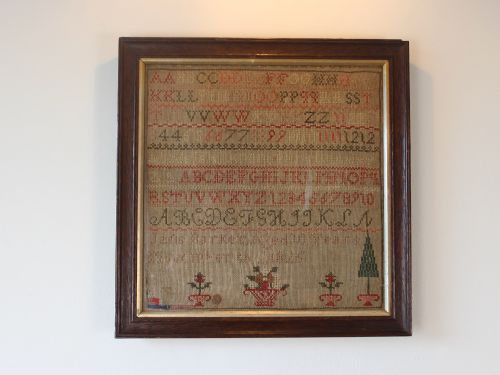
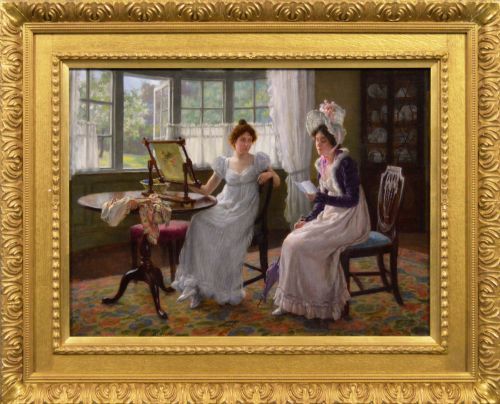
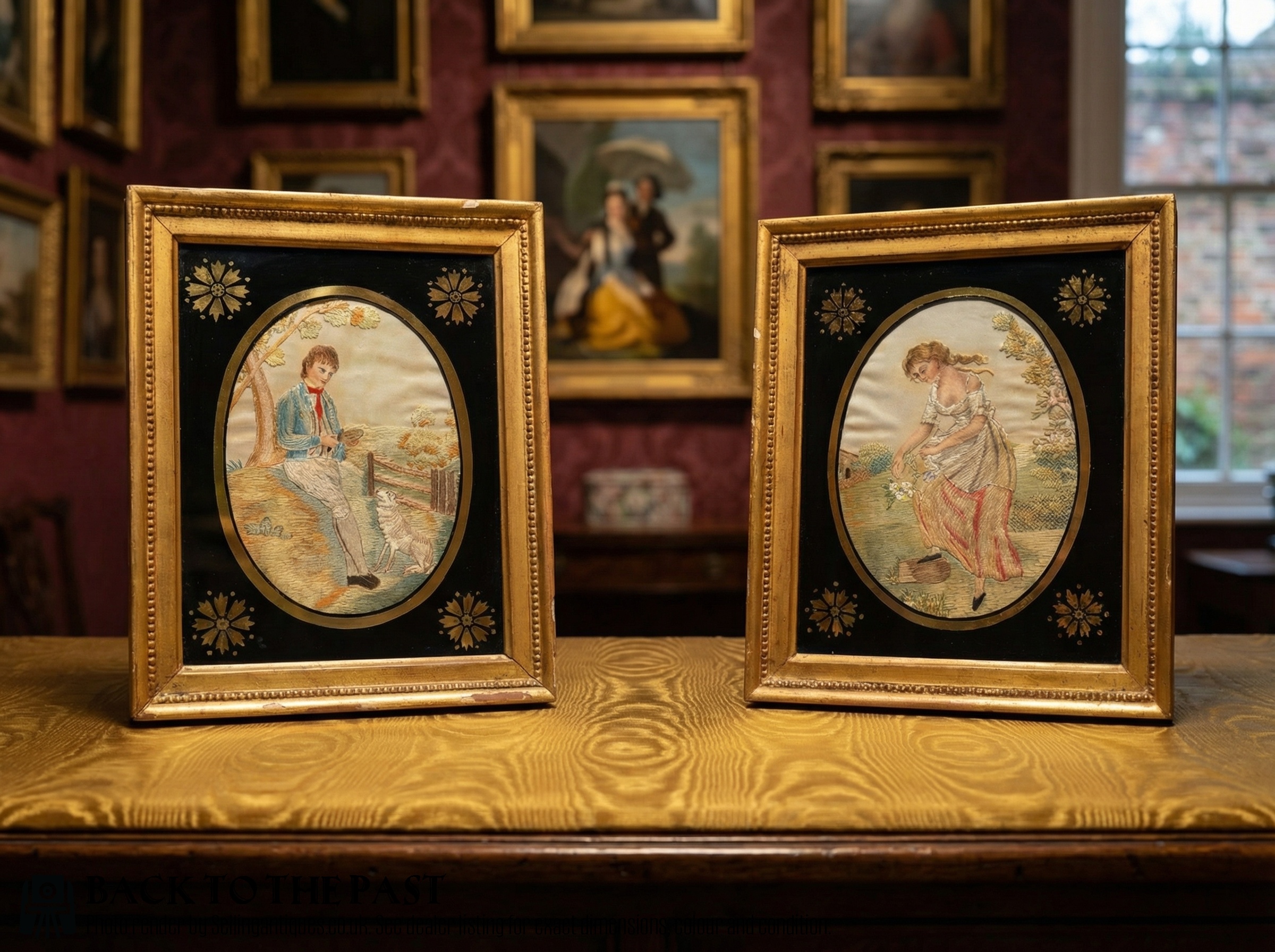
The selection on this page centres heavily on portraiture and narrative works, ranging from small watercolour studies to large-scale oils. Buyers frequently encounter framed engravings, silhouette portraits and needlework samplers alongside traditional painted media.
Origins span individual English provincial artists to named portraitists of the period, offering a direct window into the domestic interiors and social history of the era. Each piece retains the characteristic framing choices of its period, from Hogarth moulding to gilded frames.
Materials and construction methods
Works on canvas and wood panel utilise traditional oil pigments applied by brush, frequently paired with prepared grounds that support the integrity of the paint layer. Watercolours and hand-tinted engravings rely on high-rag paper stock, retaining delicate pigment applications over centuries.
Frames employ timber foundations, including wood and giltwood, often featuring applied composition ornament or carved detail. Glazed pieces protect fragile watercolours, silhouettes and needlework samplers behind glass within secured rebate frames.
Regency Period Wall Art Retail Price Guide 2026
Typical asking prices for regency period wall art among the pieces listed under this phrase on Sellingantiques today, from the lower quarter to the upper quarter. They describe what is for sale here now, not the wider market.
Listings feature works across oil, watercolour, engraving and needlework, spanning the Georgian, Regency and Victorian periods.
Determinants of quality and execution
The standard of draughtsmanship and control of medium separates accomplished works from provincial student pieces, particularly in facial expressions within portraiture. Finer paintings demonstrate subtle tonal gradation and confident brushwork that bring depth to drapery and flesh tones.
Condition of the surface and originality of framing significantly influence the integrity of a piece. Works retaining their period frames, uncompromised paper margins, and stable paint layers without extensive modern intervention command greater admiration from collectors.
Alfred Lyndon Grace·George Kilburne·George Romney·Charles Haigh Wood·Adam Buck·H Singleton·Richard Cosway·Henry Corbould·Sir Thomas Lawrence·Sir William Beechey·Henry William Bunbury·George Francis Joseph·John Russell·Samuel Lane
The Regency Period Wall Art Glossary
- Silhouette
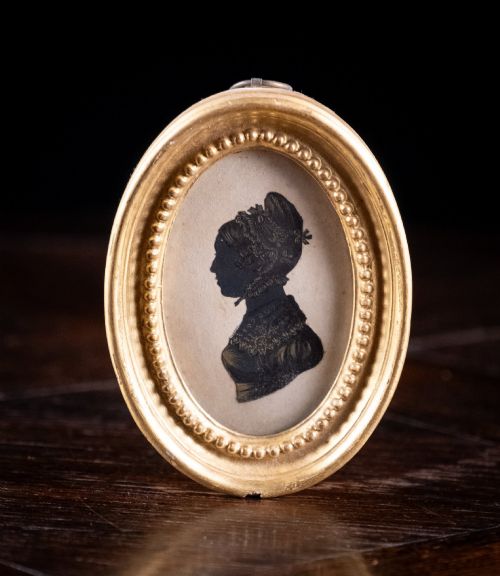
- A portrait profile filled in with a solid dark colour, typically black, cut from paper or painted on card or plaster. These profiles gained immense popularity during the late eighteenth and early nineteenth centuries.
- Mezzotint
- A printmaking process of the intaglio family where the plate is roughened with a rocker to achieve rich tones and subtle gradations of light and shade. It was frequently utilised for reproducing oil paintings during the Regency era.
- Stipple engraving
- A method of producing prints by means of dots rather than continuous lines, allowing for delicate tonal effects particularly suited to flesh and fabric. This technique flourished in British printmaking around eighteen hundred.
- Sampler
- A piece of embroidery or needlework produced as a demonstration or test of skill in various stitches, often featuring alphabets and dates. Regency examples provide securely dated evidence of domestic textile practice.
Regency Period Wall Art: Frequently Asked Questions
How do I date a Regency engraving?
Dating relies primarily upon printed publication lines, paper watermarks, and stylistic cues within the clothing and hair of the figures depicted. Publishers routinely inscribed plates with exact dates of release.
Secondary indicators include the framing style and the type of glass utilised, though frames are frequently replaced over centuries of domestic life.
Were silhouette portraits painted or cut?
Both methods were widely practised during the period, with artists employing black paper cut-outs mounted on contrasting backgrounds or painting directly onto card, plaster or glass. Painted examples allowed for fine gilt detailing on bonnets and collars.
Profile artists travelled extensively to take likenesses, leading to a proliferation of framed examples in modest domestic interiors.
What is a needlework sampler?
A sampler is a textile panel worked in coloured threads to demonstrate proficiency in various embroidery stitches, often incorporating alphabets, numerals, and decorative motifs. They served as educational exercises for young women.
Examples from the Regency period frequently include the maker's name, age, and a specific date, offering a direct historical record.
How should I display antique watercolours?
Watercolours require protection from direct sunlight to prevent the fading of fugitive pigments applied to nineteenth-century paper stocks. Conservation framing with acid-free mounts ensures the paper does not discolour over time.
Maintaining stable relative humidity in the room prevents the growth of mould and protects the paper fibres from embrittlement.