
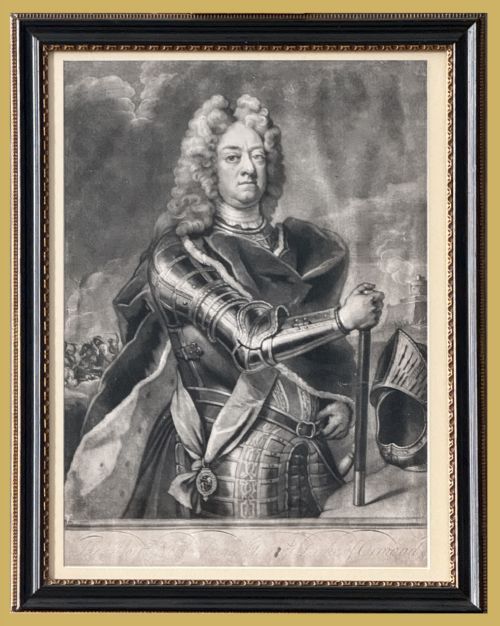
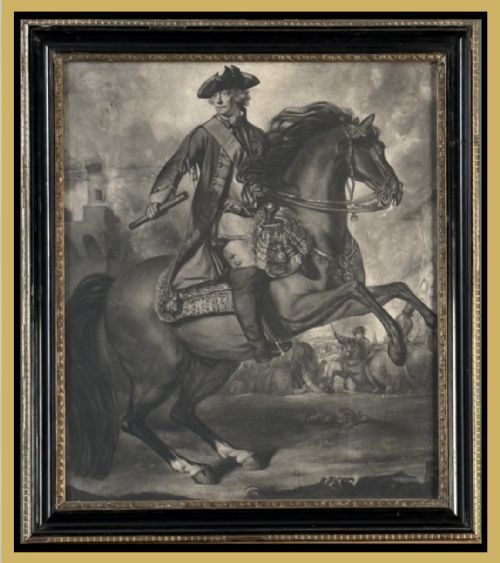
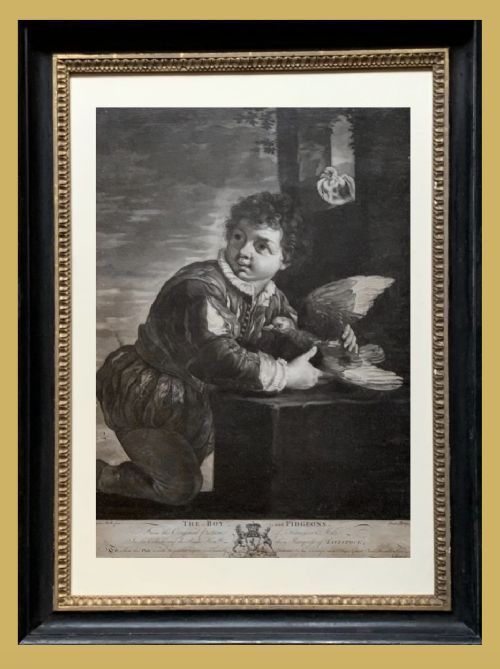
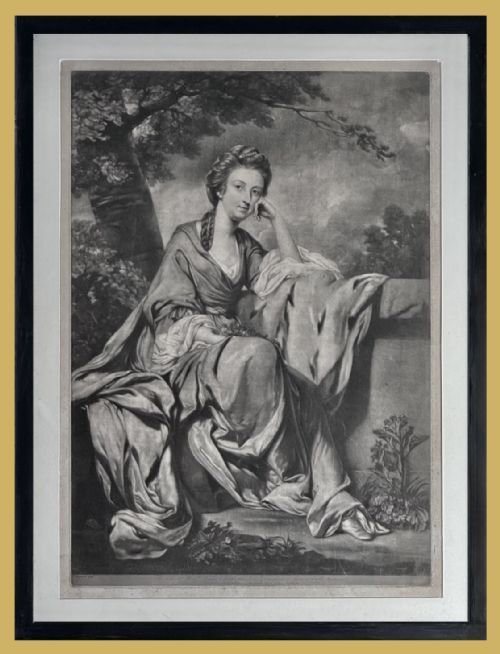

Vintage Portrait Prints
Vintage portrait prints offer a glimpse into past eras through framed engravings, etchings, and lithographs collected to bring historic character to interiors.
Vintage Portrait Prints
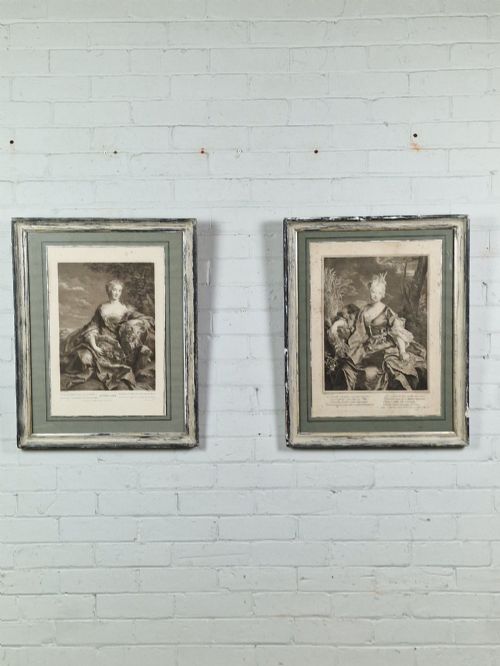
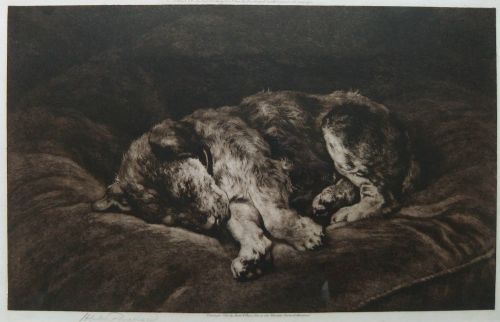
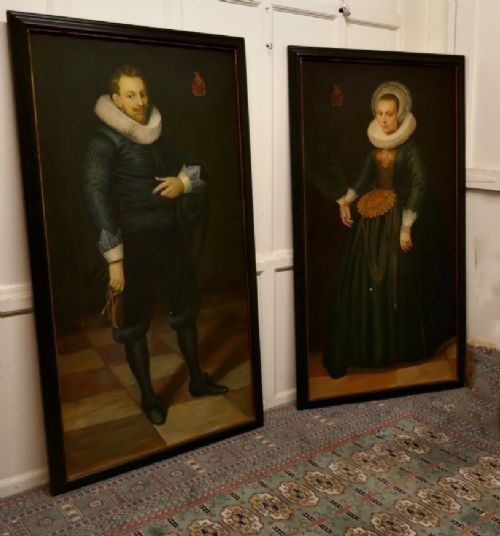
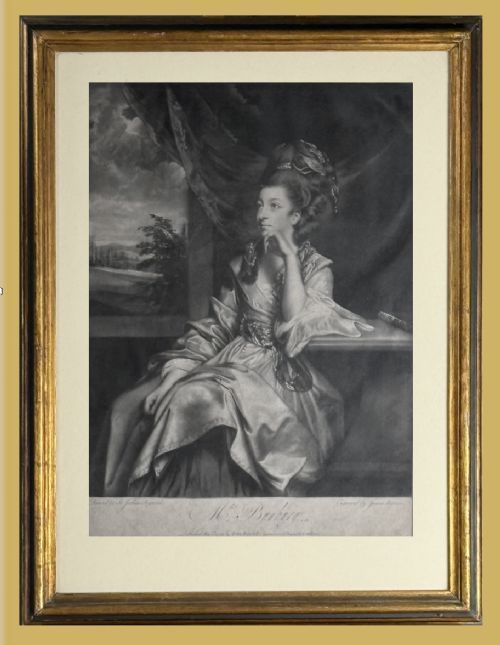
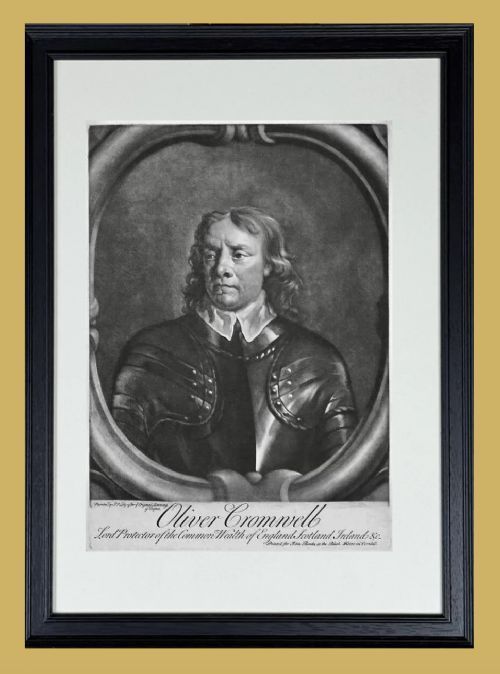
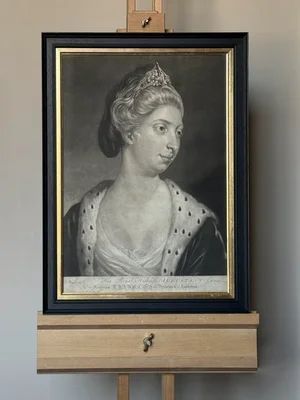
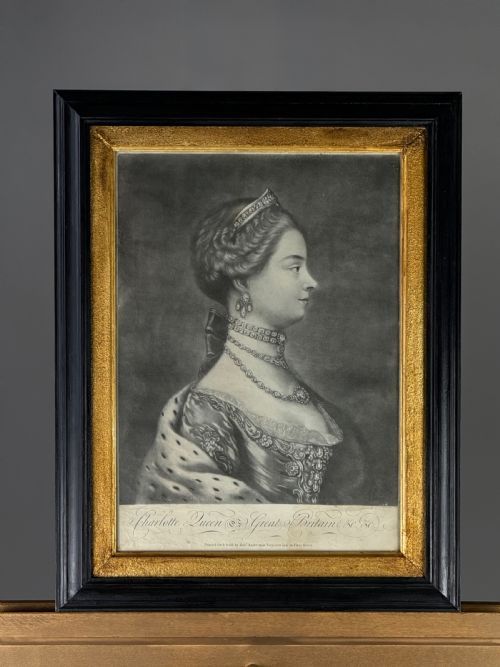
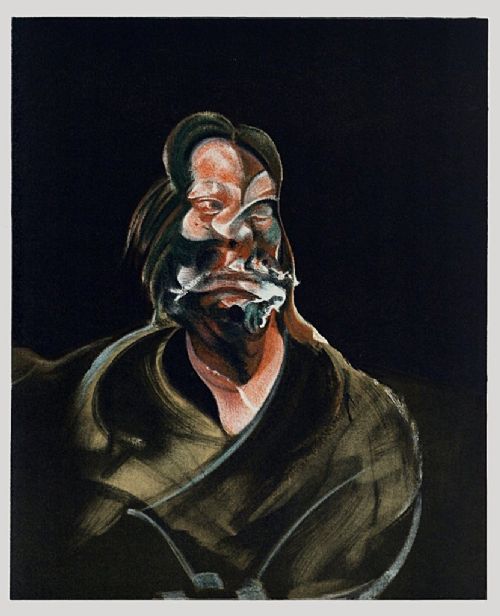
When someone searches for vintage portrait prints, they encounter a diverse range of historic wall art that spans several centuries of printing and painting traditions. The selection includes eighteenth-century mezzotints, nineteenth-century engravings, and twentieth-century etchings and lithographs.
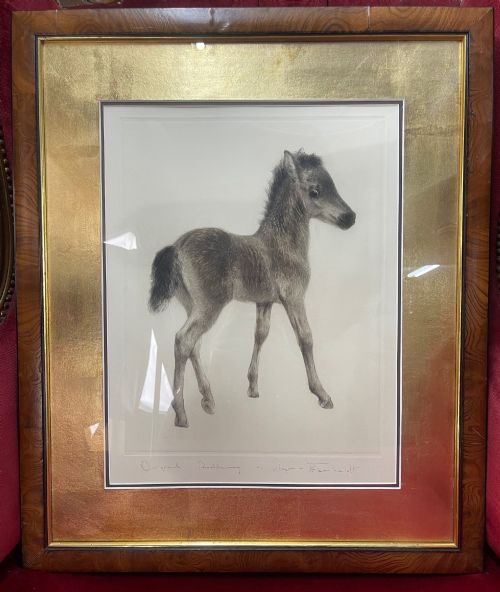
Most pieces on this page are framed artworks utilising paper, ink, and glass, often housed in period wooden or gilt frames. Subjects range from aristocratic figures and historical personalities to literary scenes and animal studies.
Origins stretch from British and French workshops to Dutch and broader European traditions, reflecting changing tastes in portraiture from the Georgian period through the Edwardian era and mid-twentieth century.
Materials and techniques
The physical makeup of these works relies heavily on paper, ink, and canvas as the primary media for carrying the image. Intaglio methods such as mezzotint, etching, and stipple engraving dominate the earlier centuries, requiring meticulous work on copper or metal plates.
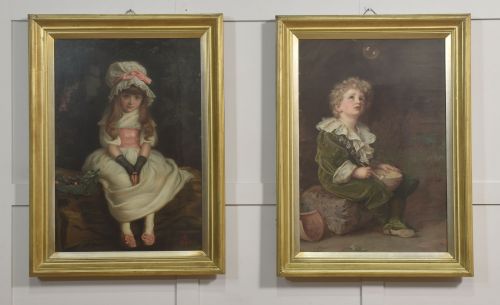
Later periods introduce lithography, photogravure, and oleograph techniques applied to paper or vinyl canvas. Framing materials include wood, giltwood, and rosewood, frequently paired with protective glass layers.
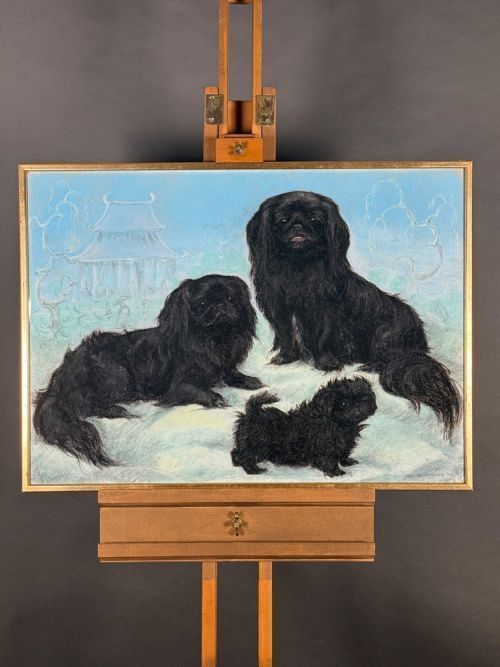
Hand-finishing details appear in select works, such as hand-coloured etchings and pastel drawings on paper, combining printed foundations with direct artistic intervention.
Listings span from the seventeenth century through the 1960s, encompassing paper, canvas, giltwood, and glass.
Distinctions in quality
The standard of an individual piece is defined by the crispness of the impression transferred from the plate or stone to the paper. Early mezzotints and drypoints lose definition as the printing plate wears down, making sharp, well-defined contrasts a mark of superior execution.
The preservation of the paper and the integrity of the original framing contribute significantly to the standing of the work. Retaining period frames, original glass, and clean, unblemished margins enhances the integrity of antique and vintage examples.
The caliber of the printmaker and the prominence of the artist whose painting was reproduced also shape the standing of the piece. Master engravers translating works by renowned painters achieve a depth of tone that elevates the finished artwork.
John Simon·Edward Fisher·John Boydell·John Smith·James Watson·John Bowles·James McArdell·Kurt MeyerEberhardt·Francis Bacon·Louis Icart
The Vintage Portrait Prints Glossary
- Mezzotint
- A printmaking process of the intaglio family where the plate is roughened to produce dark tones and scraped to produce light areas. This technique allows for rich, velvety tonal gradations particularly favoured in eighteenth-century portraiture.
- Drypoint
- An intaglio printmaking technique where an image is scratched directly into a metal plate with a sharp needle. The process raises a burr of metal that holds ink, creating soft, velvety lines characteristic of fine etchings.
- Stipple engraving
- A method of producing prints by means of dots rather than lines, created using special tools and acid. It produces delicate tonal effects well suited to flesh and fabric textures.
- Oleograph
- A type of chromolithographic print textured to imitate an oil painting and often applied to canvas. These were popular for reproducing oil paintings affordably in the nineteenth and twentieth centuries.
- Lithograph
- A planographic printing process based on the repulsion of oil and water on a flat stone or metal plate. Artists use this versatile method to capture painterly strokes and sharp lines alike.
Vintage Portrait Prints: Frequently Asked Questions
What are vintage portrait prints?
These pieces are historic graphic works depicting human subjects, created through traditional printmaking methods like mezzotint, etching, and lithography.
They capture likenesses ranging from nobility and military leaders to literary figures and anonymous sitters across several centuries.
How were these prints displayed historically?
Historically, these artworks were framed in wood, giltwood, or rosewood and hung in domestic parlours, libraries, and public institutions.
Many retain their original framing and protective glass, reflecting the interior decoration styles of the Georgian, Victorian, and Edwardian periods.
How do I care for vintage paper art?
Preserving these works requires hanging them away from direct sunlight to prevent fading of the ink and yellowing of the paper.
Maintaining stable indoor humidity levels protects both the paper support and any wooden or gilt framing from warping or cracking.
How can I tell the age of a print?
Dating relies on examining the paper type, printing technique, plate marks, and framing style associated with specific historical eras.
Inscriptional evidence, maker signatures, and the historical context of the sitter also provide reliable clues to the period of creation.