



Vanity Fair Lithographs
These vanity fair lithographs capture the public figures of past centuries with sharp wit and vibrant ink.
Vanity Fair Lithographs
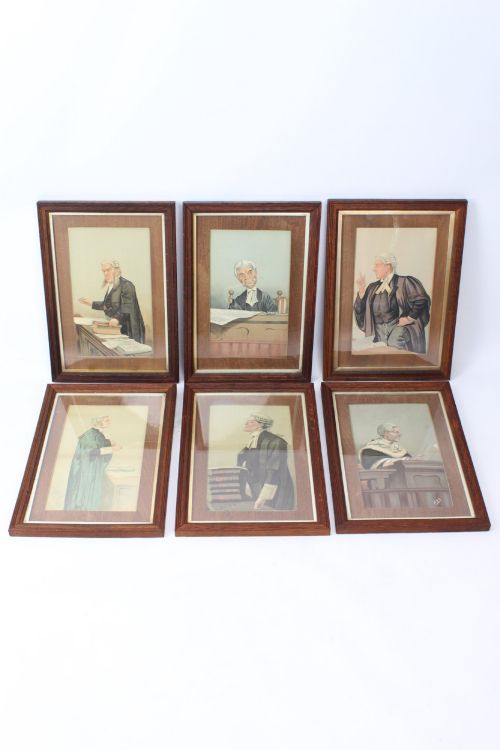
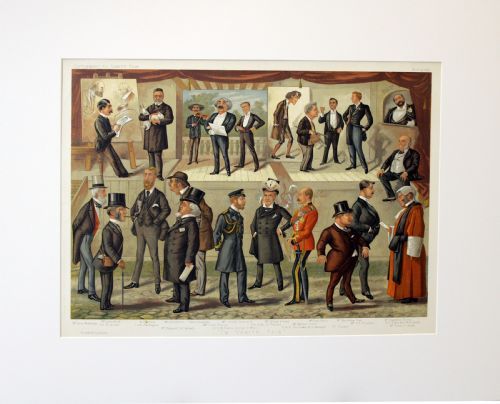
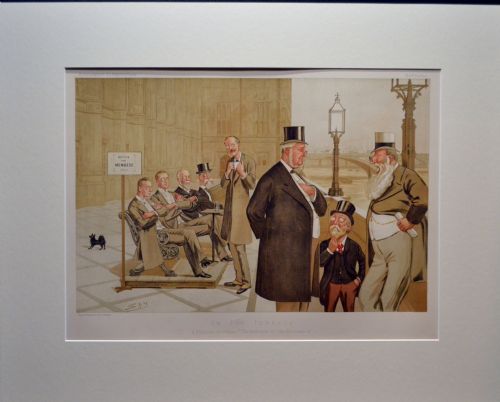
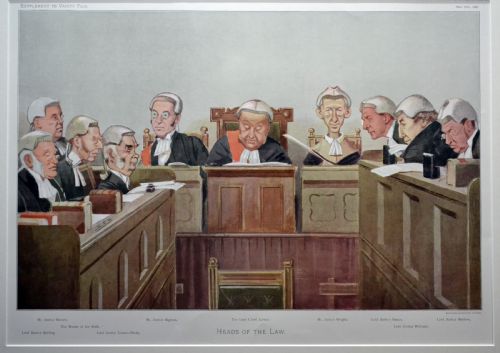
When you search for vanity fair lithographs, you encounter printed caricatures that once filled weekly periodicals from the Victorian and Edwardian eras. These works depict notable men of the day, including politicians, judges, actors, and sportsmen, captured through the eyes of caricaturists like Spy. You will find both single sheets and larger double page formats, often preserved as framed art.
The pieces on this page span the nineteenth century through the early twentieth century, taking forms such as framed prints, wall art, and loose plates. Many survive in sets grouped by themes like the law, politics, racing, and society. They offer a direct window into the public personalities of Victorian and Edwardian Britain.
How they were made
These works rely on paper, ink, and chromolithography techniques to achieve their striking colour palettes. Printers applied multiple layers of ink to paper or cardboard to build up the distinctive tones of each caricature.
Many examples retain their original mount board and wood frames, while others survive as unfolded double page sheets. The integration of paper and ink created durable prints that continue to hold their pigment over a century later.
Listings feature paper, wood, glass, and ink across Victorian, Edwardian, and 1920s periods.
What varies in quality
Quality in these prints rests on the crispness of the ink and the vibrancy of the chromolithographic colour. Impressions taken early in the print run display sharper lines and truer tones than later copies.
The condition of the paper and mount board also shapes the overall standard of the piece. Clean margins, freedom from heavy fading, and well preserved framing separate standard items from the finest surviving examples.
The Vanity Fair Lithographs Glossary
- Chromolithograph
- A colour lithographic print produced from multiple stones or plates, one for each ink colour. This technique allowed periodicals to issue vibrant caricatures each week.
- Spy
- The most famous pseudonym used by the artist Leslie Ward, who drew hundreds of caricatures for the magazine. His signature appears on a large proportion of these published portraits.
- Double page
- A larger format print spanning two pages of the original magazine, often featuring groups of figures rather than a single subject. These unfolded sheets offer a wider view of the scene.
- Mount board
- The heavy paper card used to frame or support the print behind glass. It protects the fragile paper edges from direct contact with the wooden frame.
- Men of the Day
- A recurring series title used by the magazine for its individual portrait caricatures of prominent public figures. These sets form the core of many collections today.
Vanity Fair Lithographs: Frequently Asked Questions
What are vanity fair lithographs?
These pieces are printed caricatures originally published in a British weekly magazine during the Victorian and Edwardian periods. They portray notable public figures with distinctive comic exaggeration.
The images cover figures from politics, law, royalty, sports, and theatre. They survive today as single prints, double page spreads, or grouped sets.
How were vanity fair prints used?
Readers collected and framed these plates to display on the walls of studies, libraries, and smoking rooms. They served as both topical commentary and social decoration.
Today they function as wall art and historical records. Owners often group them by theme, such as hunting, racing, or politicians of empire.
How do I date a vanity fair print?
Dating relies on the subject matter, the style of the clothing, and the publication date often printed near the lower margin. Many prints correspond directly to specific dates in the late nineteenth and early twentieth centuries.
Periods represented in the evidence include Victorian, Edwardian, and the 1920s. Comparing the sitter's active years provides a reliable guide to the age of the print.
What is the difference between single and double page prints?
Single prints feature one prominent portrait of a single subject, often with a brief caption naming the person. They fit neatly into standard portrait frames.
Double page prints span the centre fold of the magazine and usually depict larger groups or wider scenes such as racing and parliamentary groups. They offer a more expansive composition.