


Antique French Art
Antique French art brings together centuries of painting, sculpture, and decorative objects shaped by distinct periods from the eighteenth century through to the art deco era.
Antique French Art
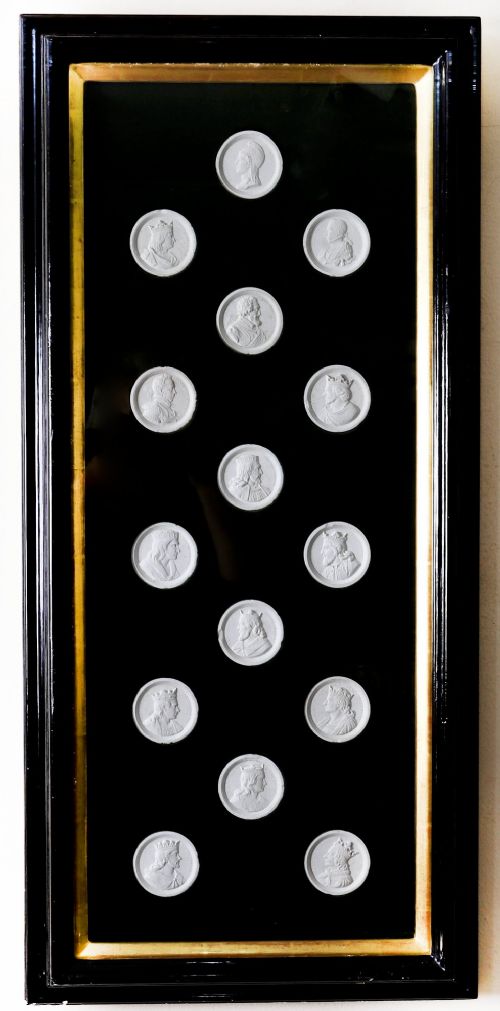
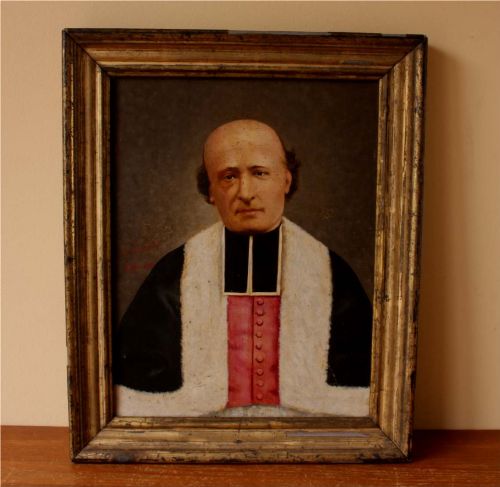
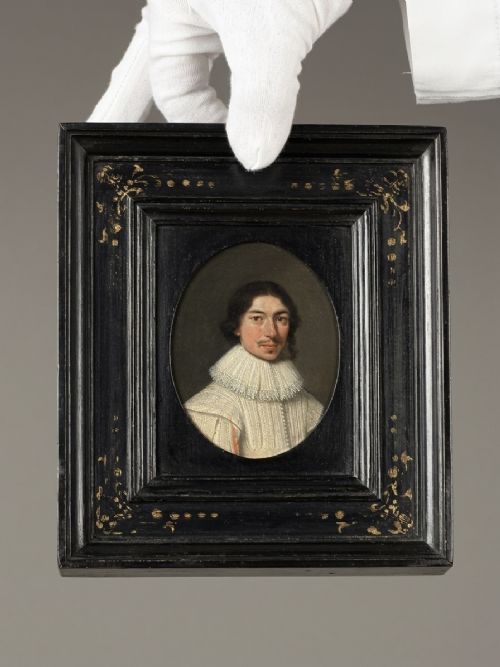
When searching for antique French art, buyers encounter a diverse range of objects spanning multiple centuries, from eighteenth-century portraits and classical oil paintings to nineteenth-century landscape scenes and bronze sculptures.
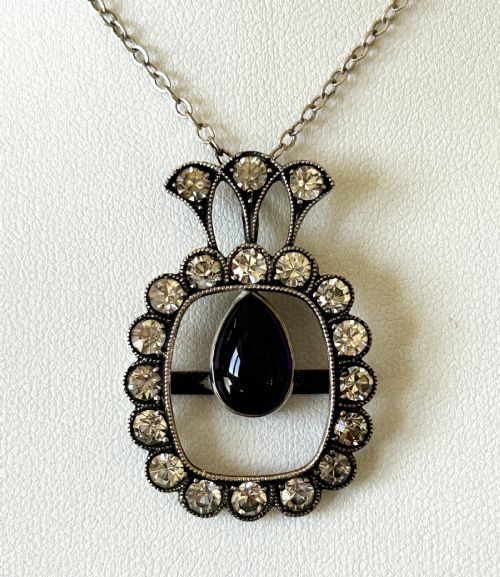
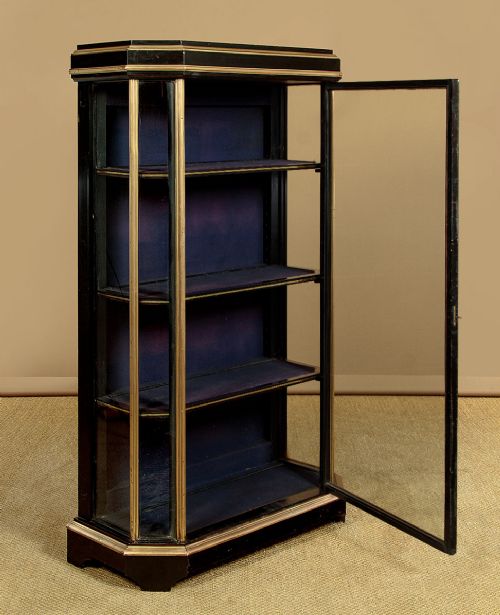
The selection includes functional furnishings such as gilt mirrors, leather club armchairs, vitrine display cabinets, and writing desks alongside delicate glassware, pendants, and decorative clocks.
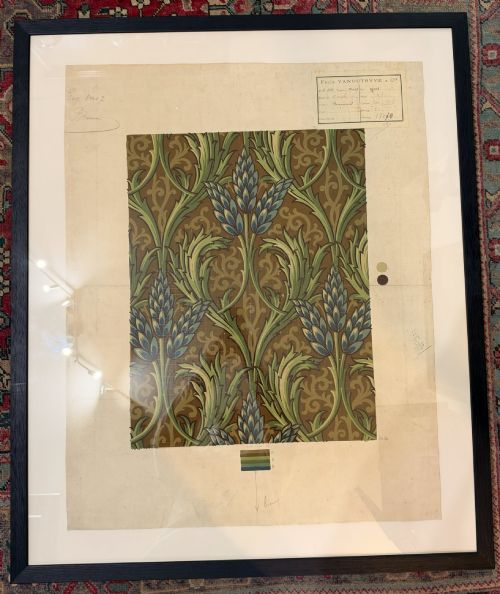
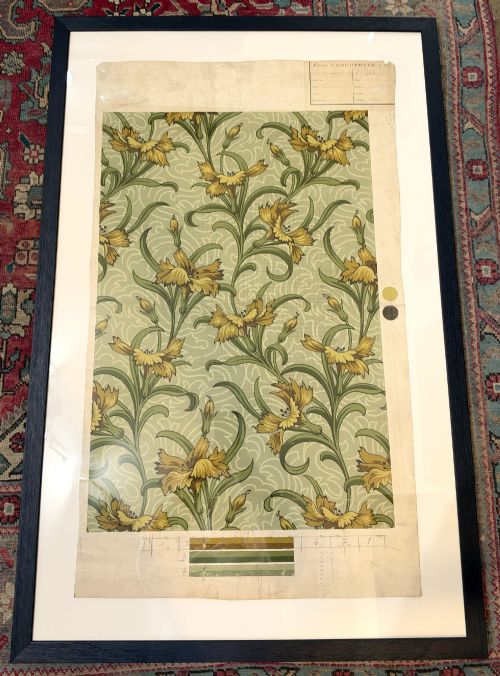
Pieces from the twentieth century introduce art nouveau and art deco aesthetics, featuring cast iron stoves, bakelite lamps, spelter figures, and modernist pendant lights.
How they were made
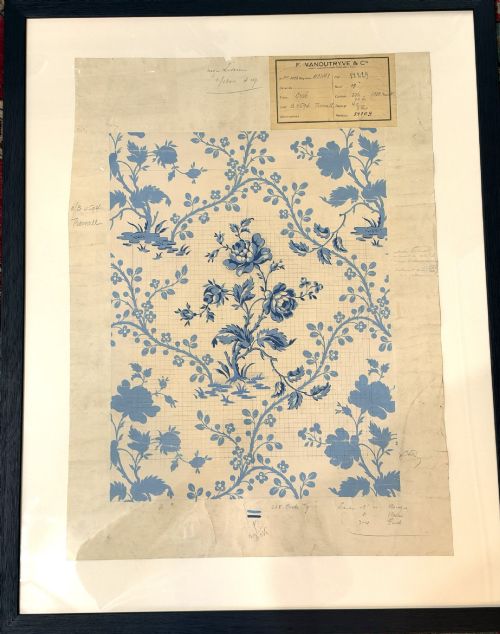
Makers utilised traditional methods involving oil on canvas, wood carving, and hand colouring on paper for paintings, prints, and engravings.
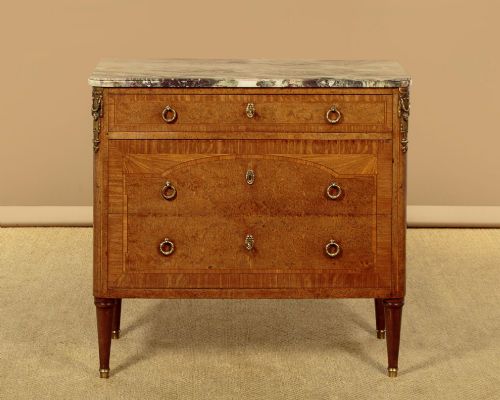
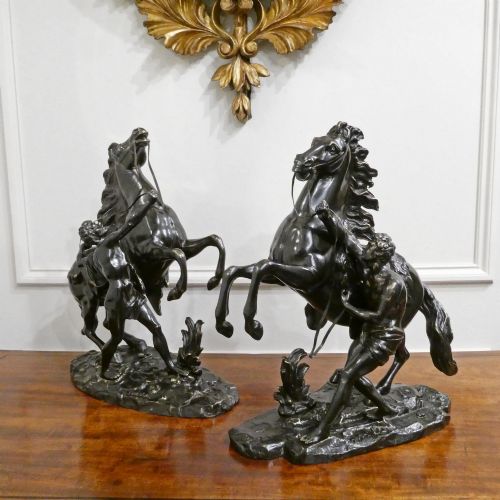
Metalwork relies on techniques such as bronze casting, gold leaf application, cold painting, and ormolu mounts to ornament clocks, sculptures, and furniture.
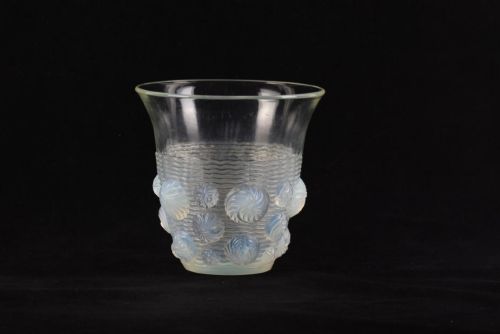
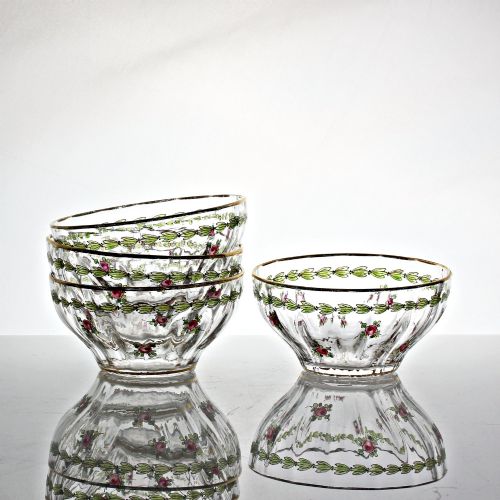
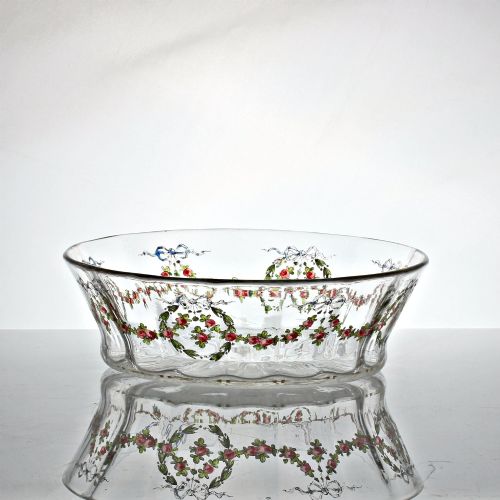
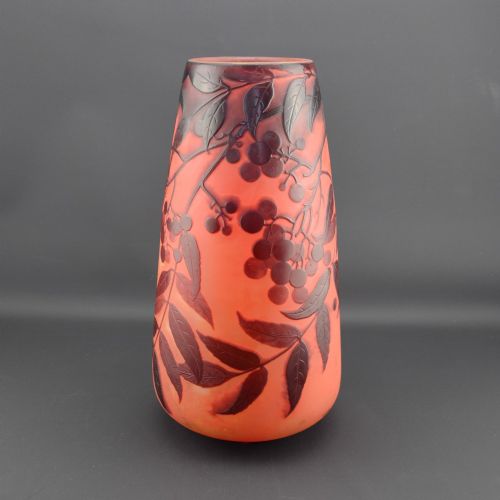
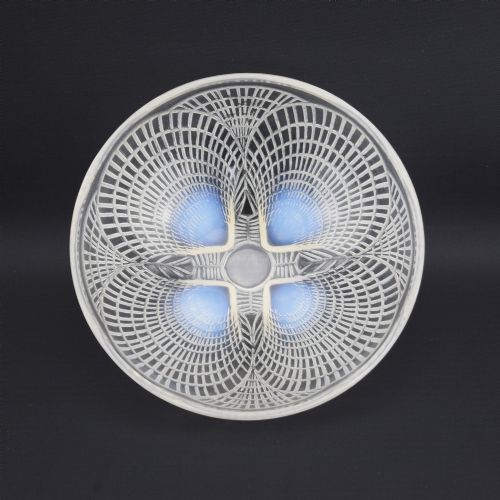
Specialised glass and ceramic methods appear in pate de verre vessels and enamel work, while cabinetry combines kingwood and rosewood with marquetry and lacquer.
Antique French Art Retail Price Guide 2026
Typical asking prices for french art among the pieces listed under this phrase on Sellingantiques today, from the lower quarter to the upper quarter. They describe what is for sale here now, not the wider market.
Listings span periods from the seventeenth century through to the mid-twentieth century, featuring oil paintings, bronze sculptures, and gilt wood mirrors.
What varies in quality
The standard of execution in paintings and portraits is determined by the precision of brushwork, anatomical proportion, and the fidelity of the composition to its period school.
In decorative objects and furniture, quality is seen in the crispness of bronze chasing, the integrity of ormolu mounts, and the complexity of marquetry or wood carving.
The distinction between standard commercial pieces and superior items lies in the choice of materials, such as solid hardwoods versus veneers, and the presence of documented makers or identifiable workshops.
CHARLES-ANTOINE COYPEL·Argy Rousseau·Rene Lalique·Georges de La Tour·Pierre le Faguays·Émile-Jacques Ruhlmann·Emmanuel Villanis·Charles Vincent
The Antique French Art Glossary
- Trumeau
- A decorative wall mirror featuring an oil painting set into the upper wooden panel. These fixtures were traditionally mounted above fireplace mantels in period interiors.
- Ormolu
- Gilded bronze ornamentation applied to furniture, clocks, and decorative objects. The process involves treating cast bronze with a mercury and gold amalgam.
- Pate de verre
- A glass-casting method where finely crushed glass is packed into a mould and fused in a kiln. This technique produces dense colours and textured translucent surfaces.
- Vernis Martin
- A type of simulated Japanese lacquer developed by the Martin brothers in eighteenth-century France. It is applied in translucent layers to furniture and display cabinets.
- Spelter
- An alloy of zinc and lead used as a cheaper alternative to bronze for sculptural figures. It is frequently painted or patinated to resemble heavier metals.
Antique French Art: Frequently Asked Questions
What is an antique French trumeau mirror?
A trumeau mirror combines a vertical looking glass with an integrated oil painting mounted into the upper wooden frame.
These architectural panels were designed to hang directly above mantelpieces in traditional French interiors.
How do I identify Art Deco French furniture?
Art Deco pieces from France typically feature streamlined geometric forms, exotic veneers like rosewood, and metallic accents.
They emerged strongly during the nineteen-twenties and nineteen-thirties, favouring functional elegance over ornate carving.
What are ormolu mounts?
Ormolu refers to gilded bronze details used to embellish fine furniture, clocks, and decorative hardwood cabinets.
Craftsmen cast and chased the bronze before applying gold leaf or mercury gilding to achieve a bright metallic finish.
How should I care for antique oil paintings?
Antique canvases require stable indoor humidity away from direct sunlight and dramatic temperature fluctuations.
Dusting should be done gently with a soft, dry brush without applying pressure to the painted surface.