




French Modernist Oil Painting
These french modernist oil painting works capture the experimental spirit of twentieth-century European studios.
French Modernist Oil Painting
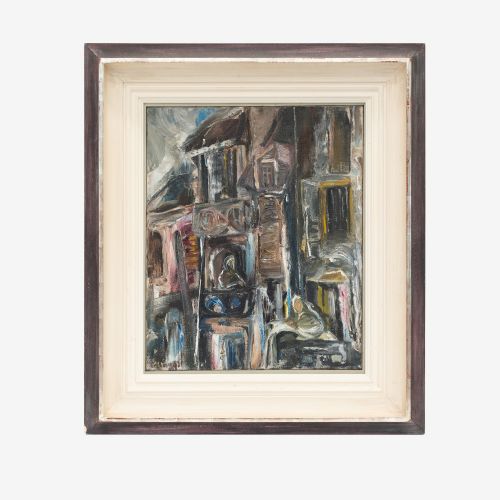
A french modernist oil painting represents a diverse movement spanning from the nineteen-twenties through to the nineteen-sixties. Buyers searching this phrase typically encounter canvases depicting Parisian street scenes, Mediterranean landscapes, intimate interiors, and expressive figure studies.
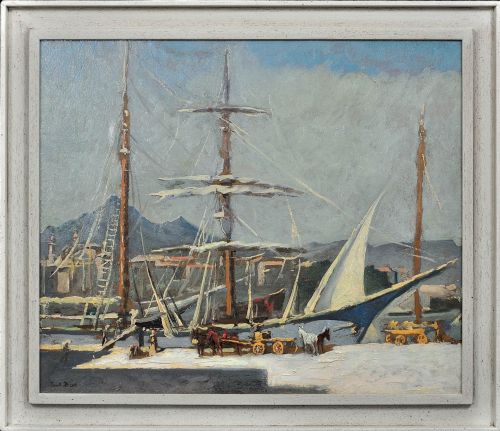
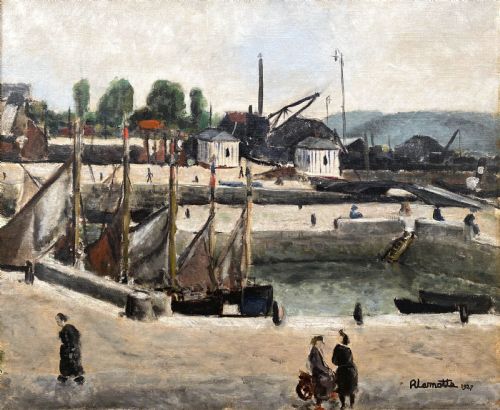
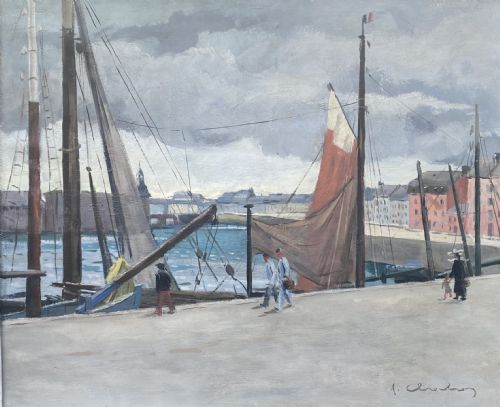
The selections on this page draw heavily from the interwar period and the mid-century decades, showcasing the evolution of artistic thought across France. Common subjects range from harbour promenades in Brittany and Sicily to still lifes featuring fruit and flowers.
Works on this page include compositions by both named male artists and notable women artists of the era. Formats vary from standard canvases to works on board, capturing urban and rural subjects alike.
What varies in quality
The strength of a french modernist oil painting depends on the confidence of the brushwork and the clarity of the avant-garde composition. Superior examples demonstrate a deliberate command of colour and form that elevates the subject matter beyond simple representation.
Another factor is the historical resonance of the piece, such as documented exhibition history or associations with specific regional schools and artistic circles. The preservation of the original paint surface and its housing frame also influences the standing of an individual work.
French Modernist Oil Painting Retail Price Guide 2026
Typical asking prices for french modernist oil painting among the pieces listed under this phrase on Sellingantiques today, from the lower quarter to the upper quarter. They describe what is for sale here now, not the wider market.
Nuns, doves, pigeons, and pillowed flappers share studio space across these eclectic twentieth-century French canvases.
Paul Bret·Lilian Colbourn·Raymond Moritz·Gabriel Dauchot·Pinchus Kremegne·Yo Mayer·Andre Delfau·Claude Mendelovic
The French Modernist Oil Painting Glossary
- Avant-garde
- Descriptive of art that is experimental, radical, or unorthodox in relation to traditional standards. Such works break away from established academic conventions.
- Cubist
- A style involving the fragmentation of subjects into geometric planes and multiple viewpoints. This approach defines several key modernist still lifes.
- Encaustic
- A technique involving heated beeswax mixed with coloured pigments. The resulting mixture is applied to a surface to yield a durable and textured finish.
- Fauve
- Referring to a loose group of early twentieth-century painters known for expressive use of painterly qualities and bold colour. The style rejects conservative representations in favour of visceral impact.
French Modernist Oil Painting: Frequently Asked Questions
What periods do these paintings date from?
The available works span several decades of the twentieth century, primarily originating from the nineteen-twenties through to the nineteen-sixties. This era covers the height of modernist experimentation in European art.
Individual pieces often bear specific dates or approximate periods indicating their creation within this dynamic timeframe.
How should I hang a canvas safely?
Canvases require stable wall environments away from direct sunlight and excessive humidity to preserve the oil paint and wood supports. Proper picture wire and secure wall fixings ensure the weight of the framed artwork is distributed evenly.
Regular dusting with a soft, dry cloth helps maintain the surface of both the painting and its frame over time.
What subjects are most common?
Landscapes, cityscapes, and still lifes dominate the selection, often capturing scenes from Paris, Provence, and various coastal harbours. Figure studies, including nudes and portraits, also appear frequently among the inventory.
These subjects reflect the diverse interests of artists working within French modernism during the mid-century period.
Are these works signed by the artists?
Many of the listed pieces feature artist signatures, often located near the lower corners of the canvas. Documentation and signatures help attribute works to specific figures from the modernist era.
Unsigned pieces rely on stylistic analysis, period materials, and historical context to establish their origins.