

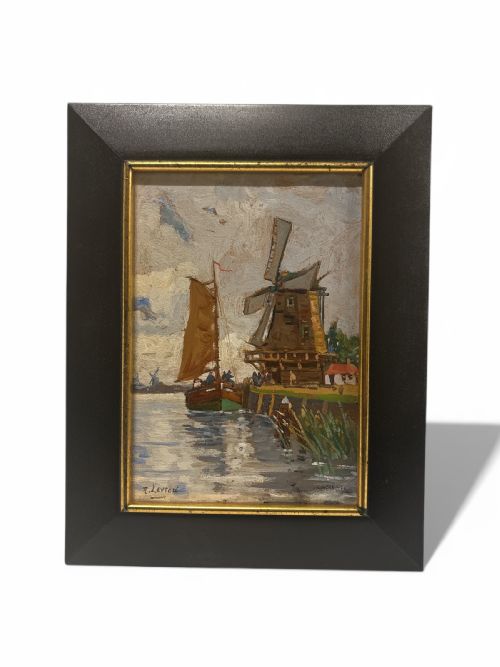
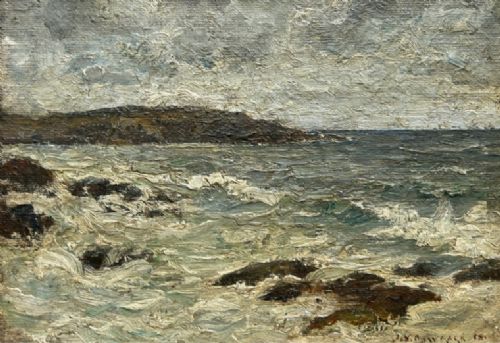
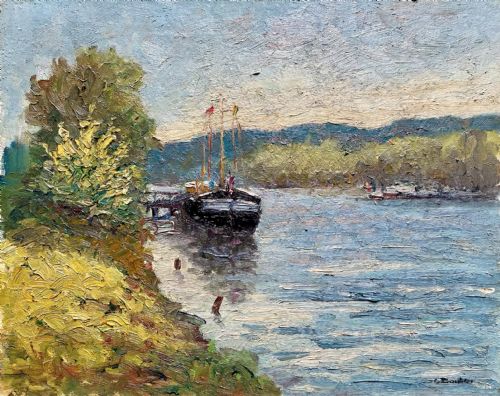
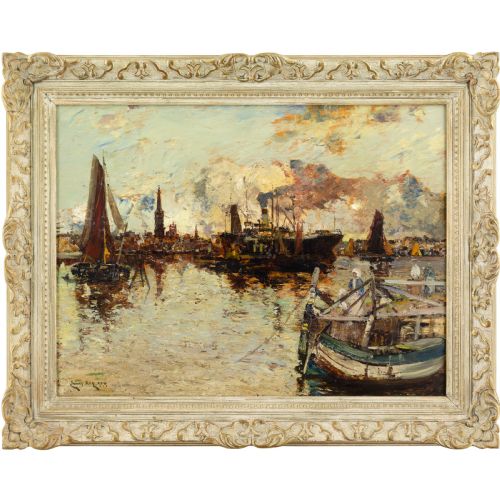

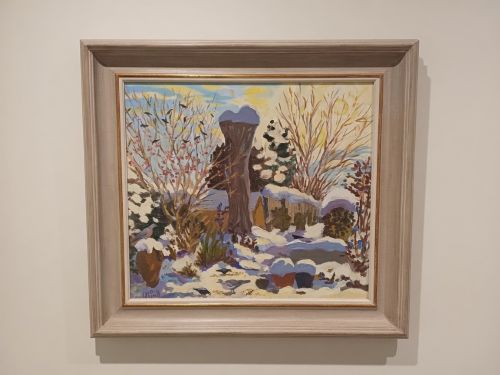
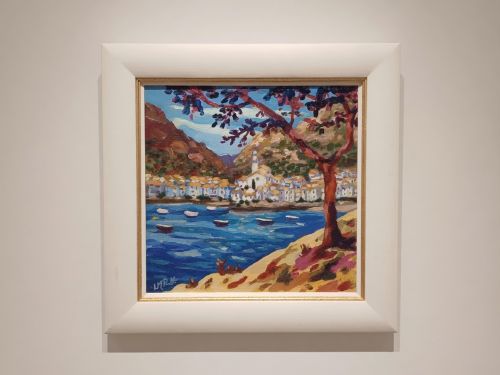
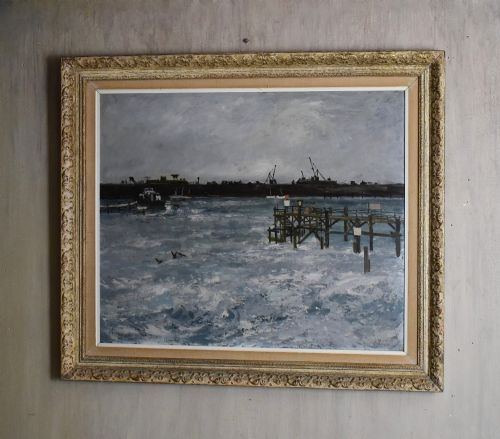
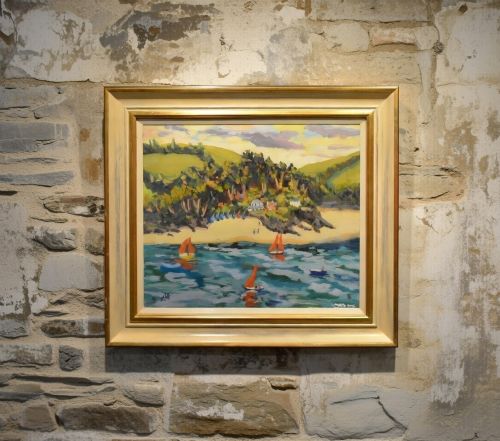
Impasto Oil Landscape Painting
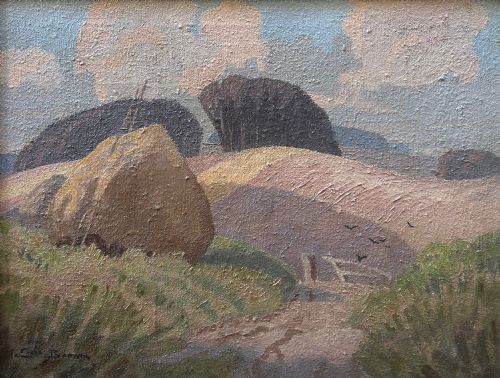
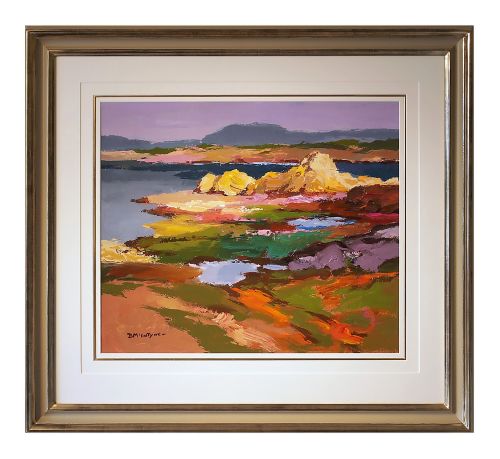
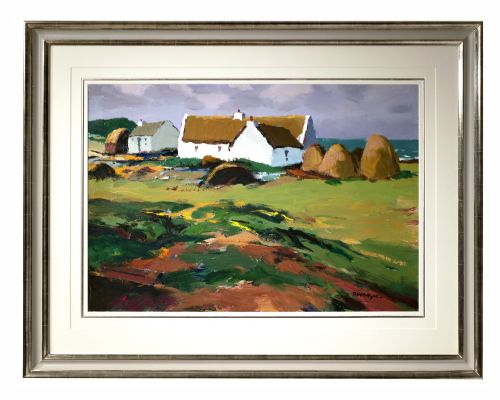
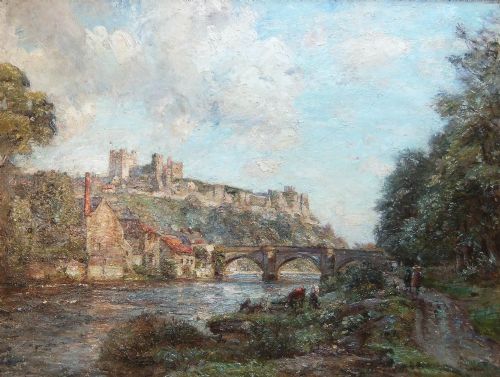
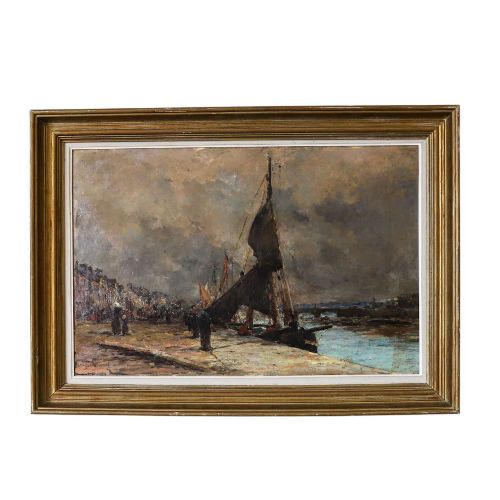
An impasto oil landscape painting brings thick, tactile texture and depth into a room, capturing light and atmosphere through raised pigment.
Understanding impasto oil landscape painting
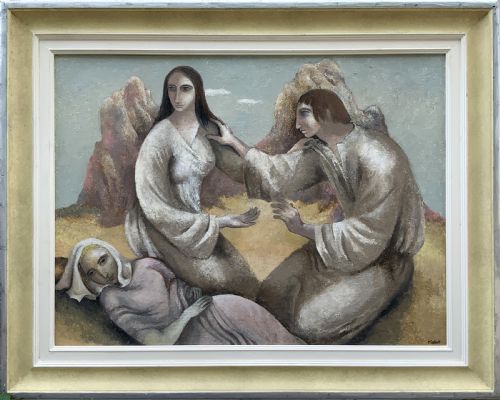
An impasto oil landscape painting presents scenes of nature, coastlines, and rural views built with heavy, raised applications of paint. When you search for an impasto oil landscape painting, you encounter works spanning the early twentieth century through to the modernist period, including British, French, and Scottish examples.
The selections on this page most frequently take the form of oil paintings on canvas or wood panel. Subjects range from Welsh seascapes and French river views to Yorkshire gardens and snow-capped mountain vistas.
The period styles represented include British Impressionism, Impressionism, Post-Impressionism, and Mid-Century Modernism. These works capture the topography of places like Giverny, Aberffraw Bay, and Nesfield through distinct regional interpretations.
Materials and technique
These works utilise oil paint or oil pigment applied thickly onto canvas, timber, or wood panel supports. The medium allows pigments to retain the physical gestures of the brush or palette knife.
Artists built the surfaces by layering heavy pigment to create physical relief that catches the light directly. This technique gives the foliage, water, and earth a tangible, three-dimensional presence on the flat support.
Retail Price Guide 2026
Typical UK retail prices for impasto oil landscape painting, calculated from the Sellingantiques database of over a million retail prices indexed since 2003. This retail price guide relies exclusively on Sellingantiques data; no external sources or auction records are used, so the figures do not describe the wider market.
One French canvas arrived wearing the stamped mark of a Montparnasse frame maker.
Assessing quality and depth
Quality rests in the confidence of the handling and how effectively the thick pigment describes light and form. The strongest works use impasto purposefully to build structure and atmosphere rather than relying on heavy texture alone.
Provenance and framing also contribute to the standing of a piece, with period frames carrying studio stamps enhancing the contextual integrity of mid-century French and British works.
Eric Brown·Florence Hess·Herbert Royle·Émile Bouche
The Impasto Oil Landscape Painting Glossary
- Impasto
- A technique where paint is laid onto a canvas or panel in very thick layers, usually thick enough that the brush or painting-knife strokes are visible. This creates a tactile surface that stands out from the plane.
- Post-Impressionism
- An art movement developing roughly between the late nineteenth century and the early twentieth century that extended impressionism while rejecting its limitations. Artists focused on expressive forms and thick, distinct brushwork.
- Oil on panel
- A painting executed with oil-based pigments directly onto a wooden board or panel rather than stretched fabric. This rigid support offers a firm foundation for heavy applications of paint.
- British Impressionism
- A movement reflecting French impressionist techniques adapted by British artists working in the late nineteenth and early twentieth centuries. It captures transient effects of light and weather in domestic landscapes.
Frequently Asked Questions
How do I hang an impasto oil landscape painting?
These works require sturdy picture hooks and picture wire rated appropriately for the weight of the canvas and wooden frame. Because the paint surface is raised and textured, ensure the hanging location avoids areas of high moisture or direct, harsh sunlight.
Position the painting at eye level where ambient room light can strike the textured surface from the side. This directional light enhances the shadows and highlights built into the thick impasto layers.
What is impasto paint?
Impasto is a painting technique where oil paint is laid on thickly, standing out from the surface of the canvas or wood panel. Painters use brushes or palette knives to apply the pigment in heavy strokes.
This method leaves the physical marks of the artist's tools permanently set into the dried paint. It adds a sculptural quality to two-dimensional artworks.
How do I identify a mid-century landscape?
Mid-century landscapes often show modernist interpretations of natural scenes through simplified forms and expressive palettes. The listed works from this era frequently date from the nineteen-fifties and nineteen-sixties.
Examination of the canvas backing, stretcher frames, and any framing stamps helps confirm the period. Stylistic markers include bolder brushwork and a focus on atmospheric ecology rather than strict botanical detail.