





French School Landscape
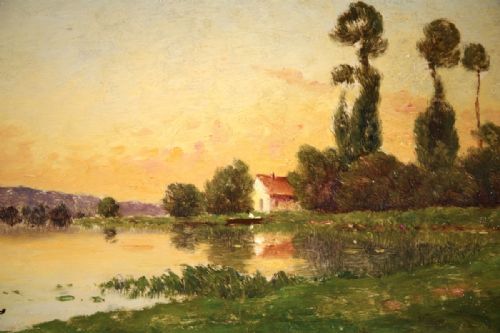
A french school landscape captures the rural idyll, riverbanks, and coastal views of France through the lens of academic realism, Barbizon naturalism, and Impressionism.
French School Landscape
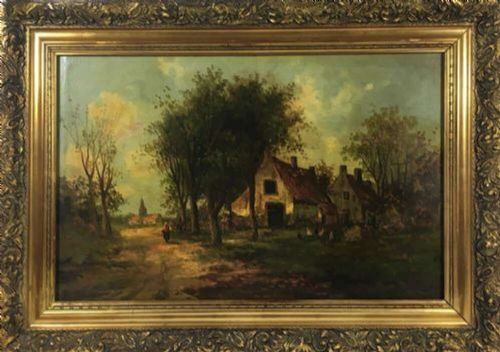
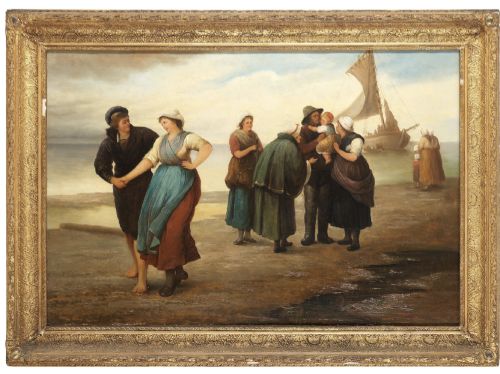
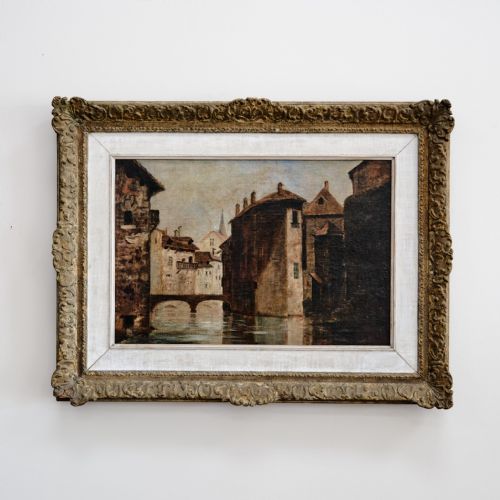
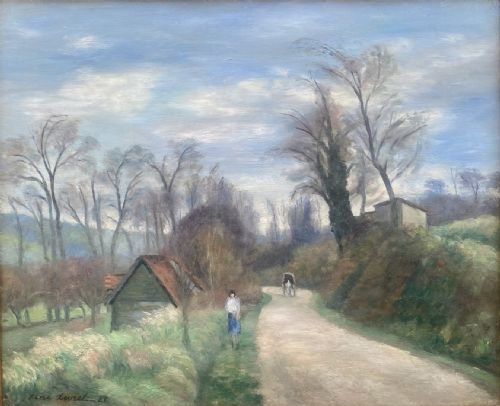
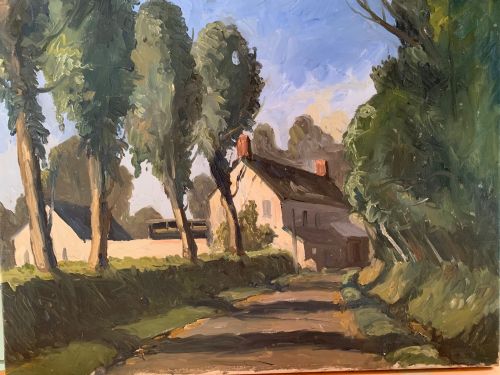
When searching for a french school landscape, buyers encounter oil paintings, watercolours, and gouaches created across the nineteenth and twentieth centuries. These works record rural farmyards, provincial rivers, and Mediterranean coastal scenes.
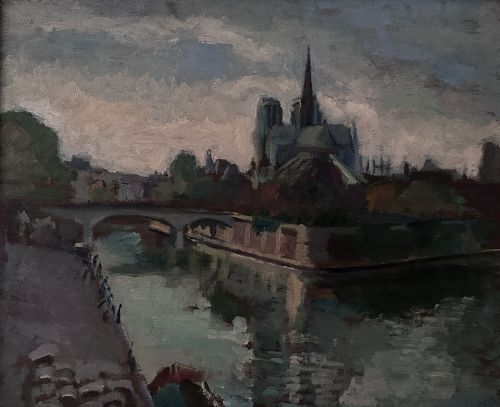
The nineteenth-century examples often align with the Barbizon tradition, focusing on forest paths, farmhouses, and atmospheric light. Later twentieth-century canvases introduce modernist abstractions, post-impressionist palettes, and urban or maritime views from regions like Provence and Normandy.
While painted panels and works on paper appear, oil on canvas remains the predominant format. These pieces reflect the evolving approaches of French artists working outdoors and in provincial studios.
How They Were Made
Artists painted primarily with oil paint on stretched canvas or wooden panels, applying pigment with brushes or palette knives to build texture and atmosphere. Works on paper utilised gouache, watercolour, or ink line drawing.
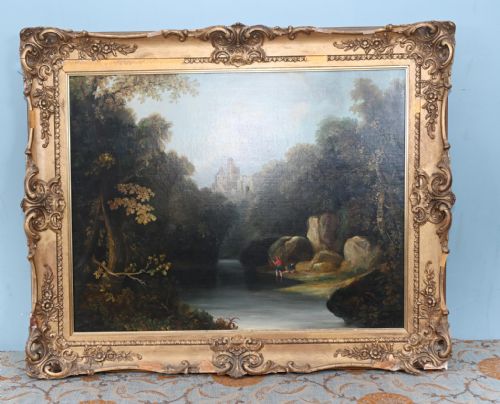
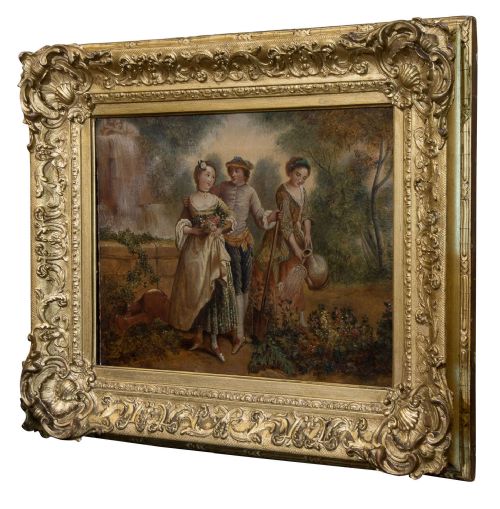
Barbizon and Impressionist painters favoured plein air execution, capturing natural light directly on location. Nineteenth-century framing frequently involved moulded gilt wood or gesso frames that complemented the canvas.
Several canvases record quiet moments by boating lakes and Normandy rivers, preserving the exact shade of a nineteenth-century French summer afternoon.
What Varies in Quality
Compositional strength and atmospheric depth distinguish superior canvases from routine studio work. The handling of light, brushwork energy, and the structural cohesion of trees, architecture, or water dictate the visual impact of the piece.
Provenance and documentation also separate works. Paintings bearing clear signatures, traceable exhibition histories, or established connections to known artists and regional schools hold distinct art-historical weight.
Paul Désiré Trouillebert·Honore Cavaroc·Henri Jaques Delpy·Raymond Picque·Gabriel Dauchot·Henri Joseph Harpinies·Alphonse Robert·Eduard Leon Cortes·Pierre Emmanuel Eugene Damoye·Yves Brayer
The French School Landscape Glossary
- Barbizon School
- A nineteenth-century French art movement dedicated to naturalistic landscape painting. Artists worked directly from nature, focusing on forests, rural farms, and atmospheric skies.
- Plein air
- The practice of painting outdoors to directly capture the transient effects of light and weather. This technique defined much of French Impressionism and landscape art.
- Gouache
- An opaque water-based paint that dries to a matte finish. It allows for vibrant colour application on paper supports.
- Gesso
- A traditional primer mixture of binder and chalk applied to wood panels or canvases to prepare the surface for oil paint.
- Provenance
- The documented history of ownership of an artwork. It establishes authenticity and traces the path of the piece from its creation.
French School Landscape: Frequently Asked Questions
What defines a Barbizon landscape?
Barbizon landscapes focus on naturalistic depictions of rural France, emphasising earthy tones, forests, and farm scenes. Artists in this tradition prioritized direct observation of nature over classical academic idealism.
These works bridge earlier romanticism and later impressionist plein air painting by capturing the unidealised weight of the French countryside.
How do I care for an oil painting on canvas?
Keep oil paintings away from direct sunlight and extreme fluctuations in temperature or humidity. Avoid using water or chemical cleaners on the canvas or gilt frame.
Dust the surface gently with a soft, dry brush and consult a professional conservator if the paint layer requires cleaning or stabilization.
Where were most twentieth-century scenes painted?
Many twentieth-century landscapes depict southern regions like Provence and the Côte d'Azur, alongside Normandy and the coasts of Brittany. Artists travelled to these areas to work in brighter Mediterranean light.
Others captured urban motifs, imaginary quays, and industrial harbours around Paris and northern industrial centres.
How can I tell a panel painting from a canvas?
Panel paintings utilise a solid wooden support, sometimes oval or rectangular, which remains rigid to the touch. Canvases are stretched across a wooden stretcher frame and exhibit subtle give when pressed gently from the reverse.
Older works on wood panels often show grain patterns or cradling on the back to prevent warping over time.