
Antique Artwork with Frame
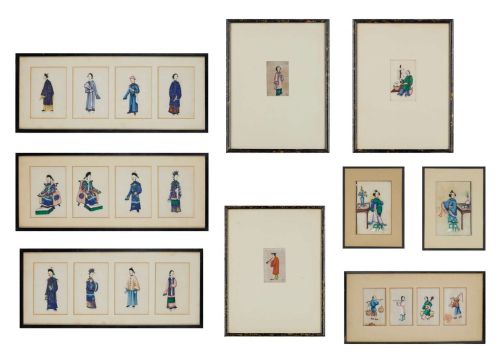
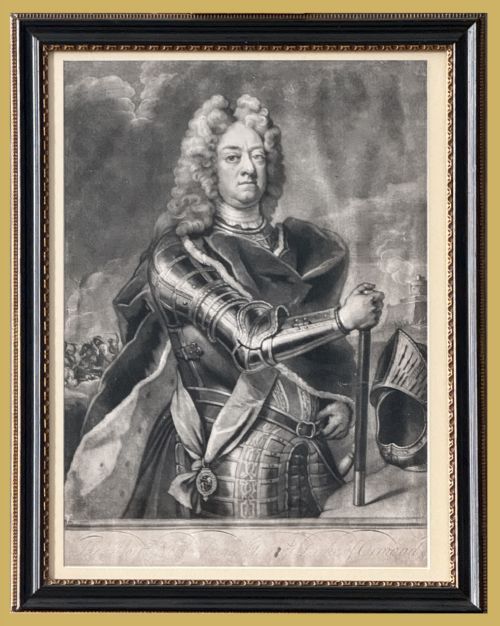
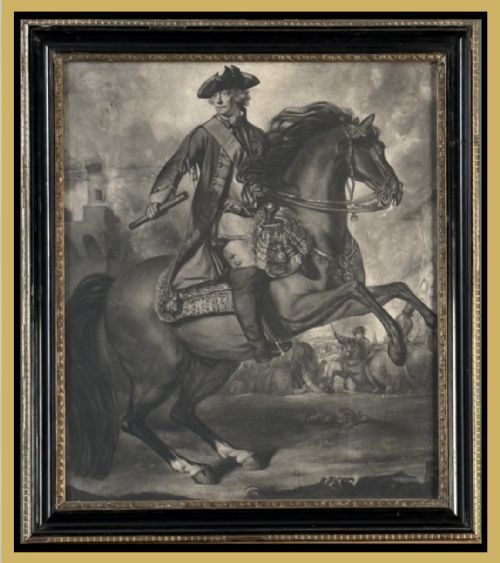
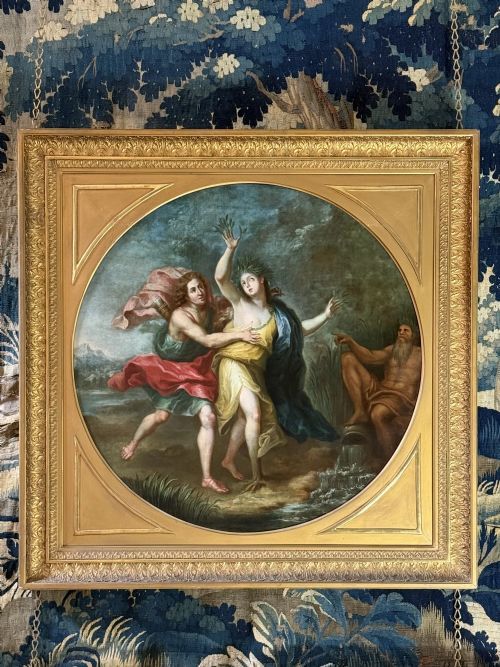
When you search for antique artwork with frame, you uncover centuries of painted portraiture, landscapes, and silhouettes preserved in period surrounds.
Antique Artwork with Frame
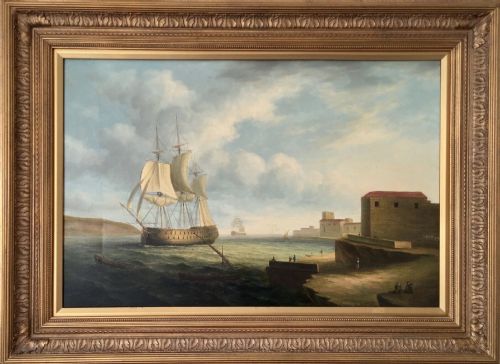
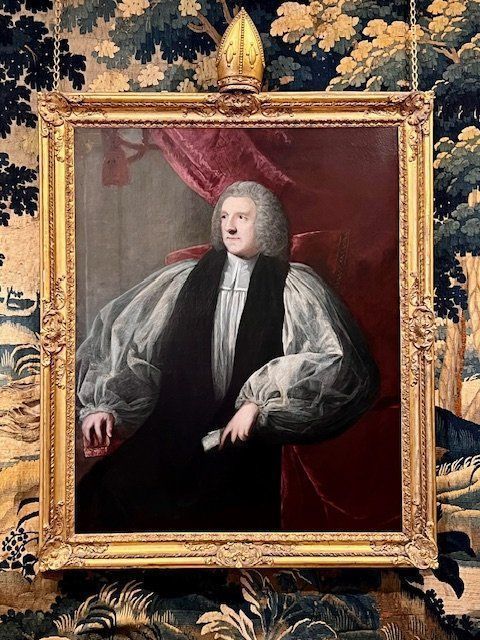
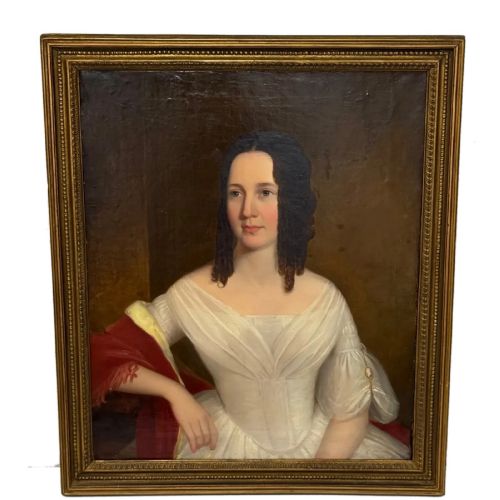
When searching for antique artwork with frame, buyers encounter a diverse selection of paintings, watercolours, engravings, and silhouettes spanning the seventeenth to the early twentieth century. The inventory on this page leans heavily toward nineteenth-century oil paintings on canvas, alongside eighteenth-century portraits and seventeenth-century Dutch or English landscapes.
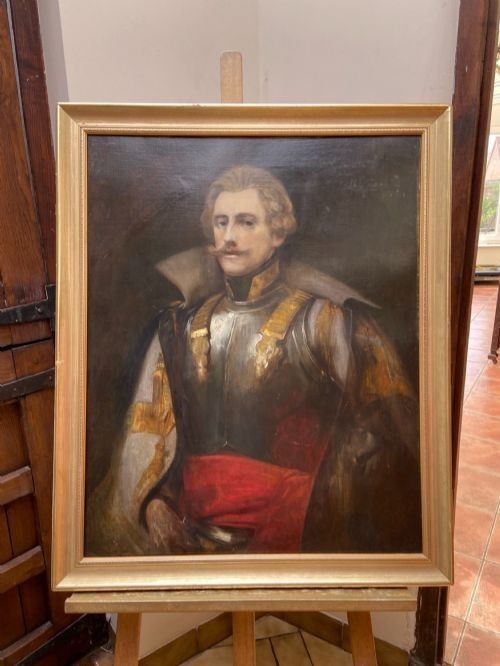
Subjects range from still life studies of fruit and domestic animals to pastoral landscapes, townscapes, and formal portraiture of gentlemen and ladies in period attire. These works frequently arrive housed in their original or period-matched surrounds, ranging from heavy giltwood and gesso frames to simpler wooden moulding.
Buyers are most likely to meet Victorian oil paintings and nineteenth-century European school works, accompanied by framed silhouettes and engravings. Each piece documents the aesthetic priorities and domestic tastes of its respective period, from Baroque formality to Romantic and Impressionist outdoor scenes.
How they were made
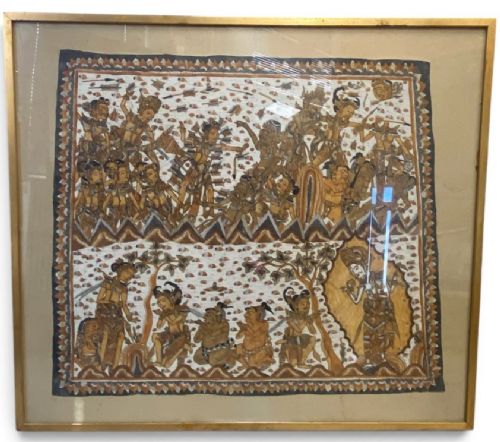
The physical objects combine pictorial media applied to rigid or flexible supports with protective or decorative surrounds built from timber, gesso, and glass. Artists applied oil paints, watercolours, pastel, or gouache to canvas, wood panels, or paper substrates.
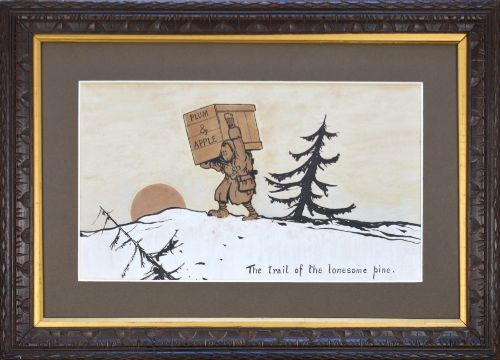
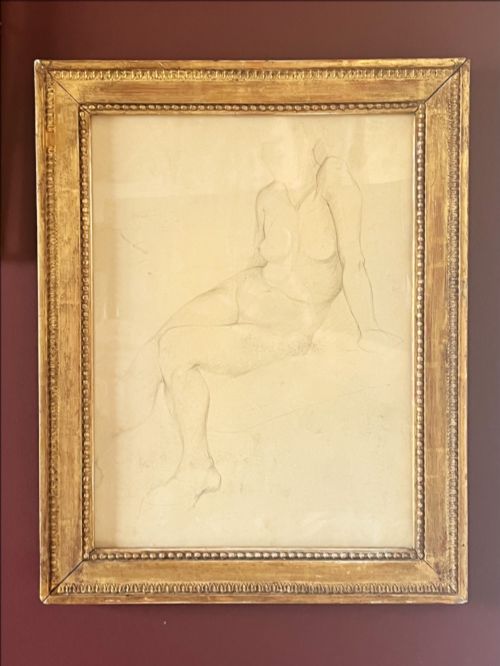
Frames utilise carved wood or moulded gesso, frequently finished with gilding applied over preparation layers. Engravings and silhouettes employ paper supports, sometimes protected beneath glass within dedicated frames.
Antique Artwork with Frame Retail Price Guide 2026
Typical asking prices for artwork with frame among the pieces listed under this phrase on Sellingantiques today, from the lower quarter to the upper quarter. They describe what is for sale here now, not the wider market.
Several domestic scenes capture quiet moments featuring household pets, including dogs, cats, and even an exotic bird.
What varies in quality
Quality in these pieces is dictated by the technical skill of the brushwork, the psychological or spatial depth of the composition, and the originality of the matching frame. Works produced by named artists or recognised regional schools display superior anatomical proportions, light handling, and pigment preservation compared to anonymous output.
The relationship between the artwork and its surround also influences standing; period frames that complement the exact date and style of the image without later alterations hold greater integrity than mismatched pairings.
Eugène Verboeckhoven·Jeremiah Davison·Vittorio Reggianini·Thomas W Lascelles·Benjamin Barker Of Bath·Vincent Clare·James Gillespie·John Lübschitz·Augustin Edouart·Robert Byng·Francis Moltino·Edward Ladell·Gaspar Peeter Verbruggen·John Sargent Noble·Else Preußner·William Oliver·Joseph Vivienne·Abraham Cooper·Peter Lely·Étienne Baudet·Umberto Volpato·Edward Priestley·Douglas Cameron·Nicholas Condy·Alfred Arthur Brunel de Neuville
The Antique Artwork with Frame Glossary
- Oil on Canvas
- Pigments bound in a drying oil, typically linseed, applied to a stretched woven fabric support. This combination offers flexibility and allows for rich textural application.
- Giltwood
- Wood, most commonly carved timber, covered with a thin layer of gold leaf or gold paint. It provides a reflective, ornate border designed to catch interior candlelight or daylight.
- Gesso
- A paint mixture consisting of a neutral binder mixed with chalk, gypsum, or pigment. It served as a smooth preparatory base for gilding and moulding on frames.
- Silhouette
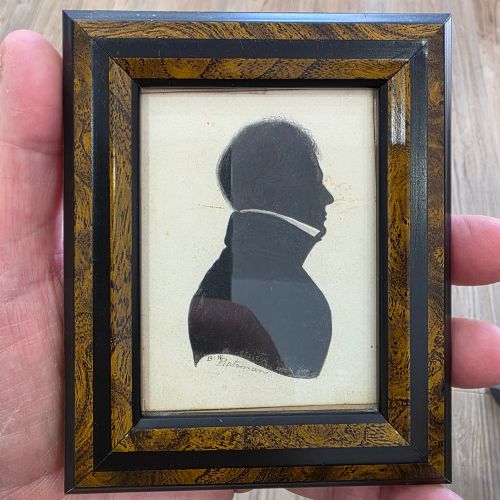
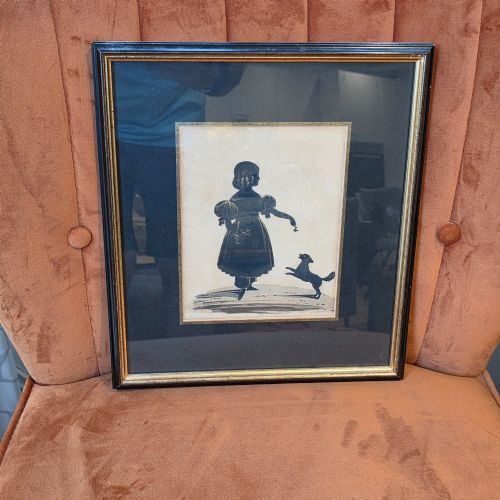
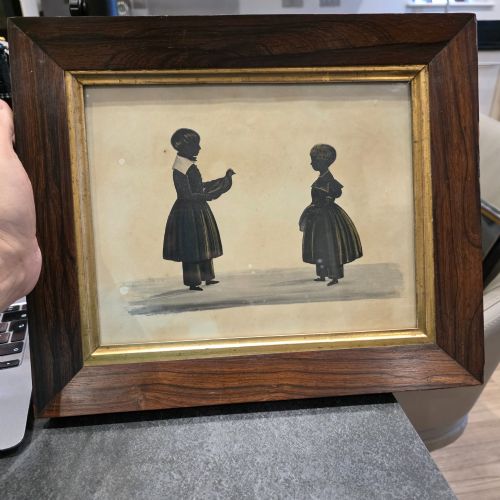
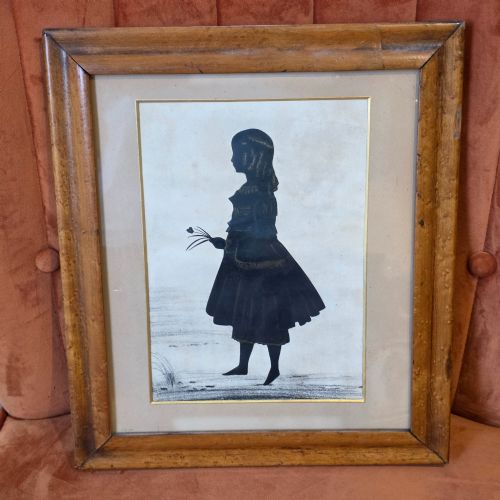
- A portrait represented as a solid shape of a single colour, usually black, outlined and filled in or cut from paper. They appear frequently in nineteenth-century domestic settings.
- Engraving
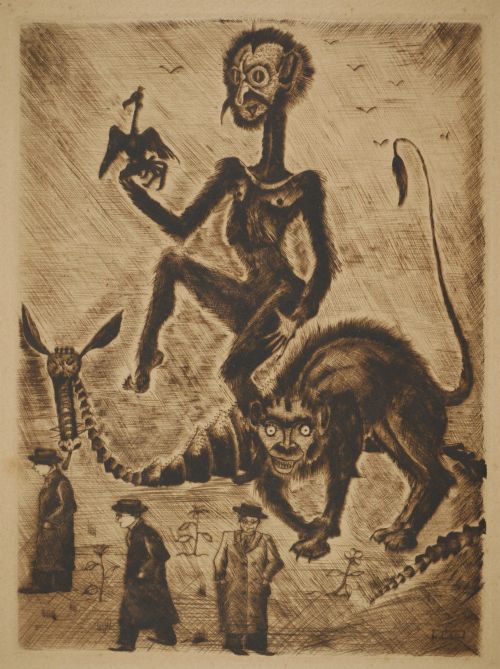
- A printmaking technique where an image is incised into a metal plate, usually copper or steel, holding ink transferred under pressure to paper. This method allows for fine, precise linework.
Antique Artwork with Frame: Frequently Asked Questions
How do I date a frame?
Dating a frame relies on examining the construction joints, the profile of the timber moulding, and the composition of the gesso or plaster ornaments. Earlier frames utilise hand-carved wooden details, whereas later nineteenth-century examples frequently employ moulded compo or plaster applied over a wooden carcass.
Secondary indicators include the backboards, fixings, and the presence of original gilding techniques, such as water gilding over red bole. Comparing the wear patterns on the frame with those on the canvas helps determine if the two have remained together since creation.
What is an oil painting on canvas?
An oil painting on canvas consists of plant-based pigments suspended in an oil medium, brushed onto a woven textile stretched tightly across a wooden stretcher frame. Canvas became the preferred support for artists from the Renaissance onward due to its portability and ability to hold varied brushwork.
These works respond to environmental conditions, requiring stable humidity and temperature to prevent the canvas from slackening or the oil paint from developing fine cracking known as craquelure.
How should I hang framed artwork?
Framed antique art requires placement away from direct sunlight, high humidity, and direct heat sources such as radiators, which cause wood to warp and paint layers to destabilize. Secure hanging involves utilising appropriate wall anchors matched to the weight of the heavy timber and gesso surrounds.
Using a two-point hanging system rather than a single central cord ensures the heavy frame remains level against the wall and reduces strain on the original hanging hardware.
What is the Norwich School?
The Norwich School represents the first provincial art movement in Britain, founded in the early nineteenth century by artists inspired by the Norfolk landscape and Dutch Golden Age painters. Practitioners focused on local scenery, country paths, and rural life, recording everyday regional topographies.
Works associated with this circle display loose brushwork and atmospheric lighting, capturing the specific weather and light conditions of East Anglia.