


Traditional Landscape Art
Traditional landscape art captures the rural scenery, woodland paths and coastal views recorded across centuries of British and European painting.
Traditional Landscape Art
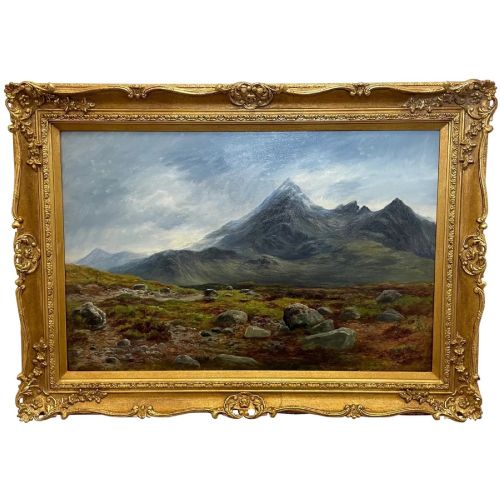
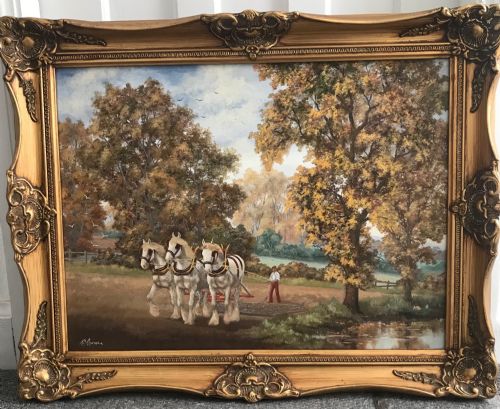
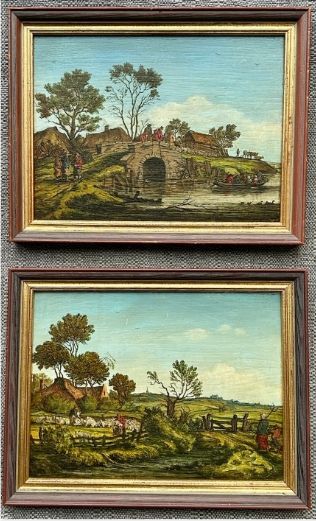
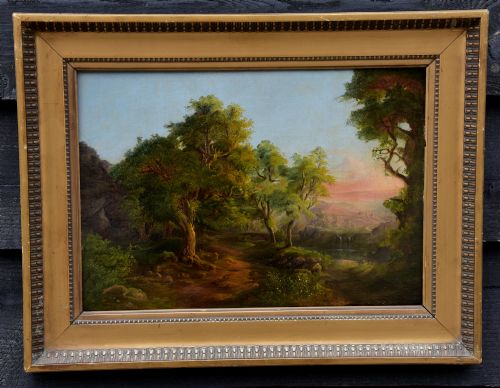
Traditional landscape art centres on oil paintings and watercolours depicting pastoral scenes, river valleys, Scottish highlands and woodland views. These pieces span the seventeenth century through to the mid-twentieth century, with a strong representation of nineteenth-century Victorian works.
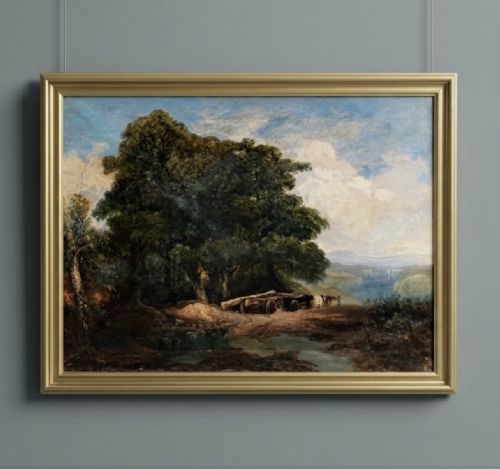
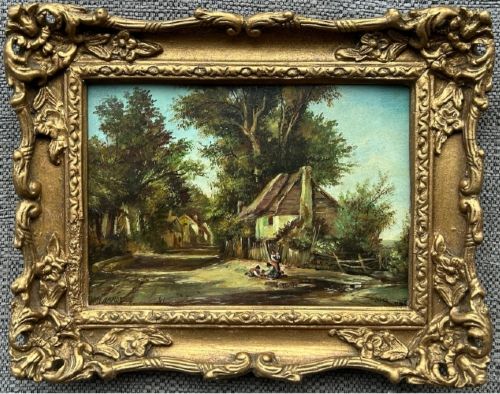
Buyers encounter framed artworks on canvas, wood panels and paper that preserve historical countryside and coastal views. The subjects range from quiet rural pathways with figures and cattle to dramatic maritime and mountain settings.
Materials and techniques
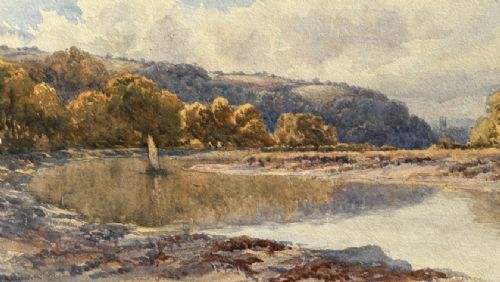
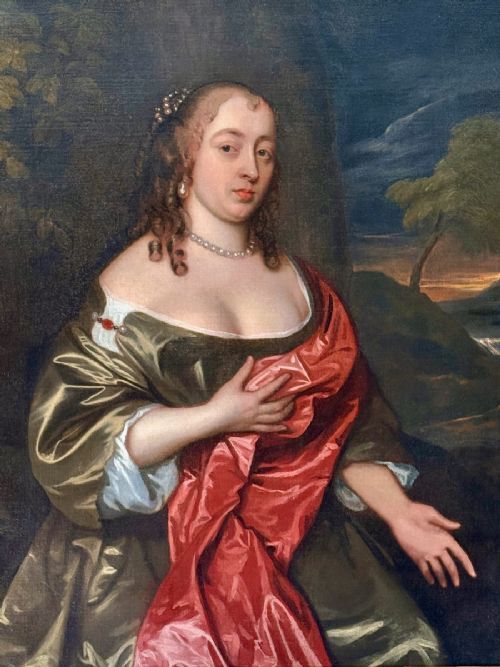
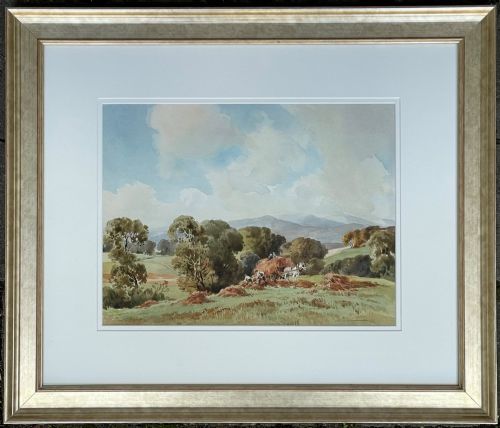
Painters utilised oil paint on canvas, wood panels and board, building up rich textures and deep tones. Others applied watercolours to paper to capture lighter, fluid effects in river and coastal scenes.
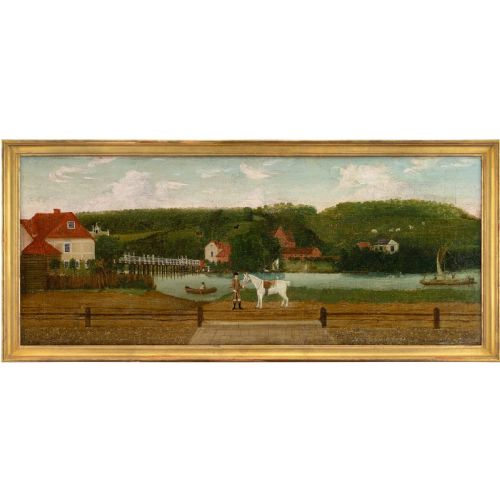
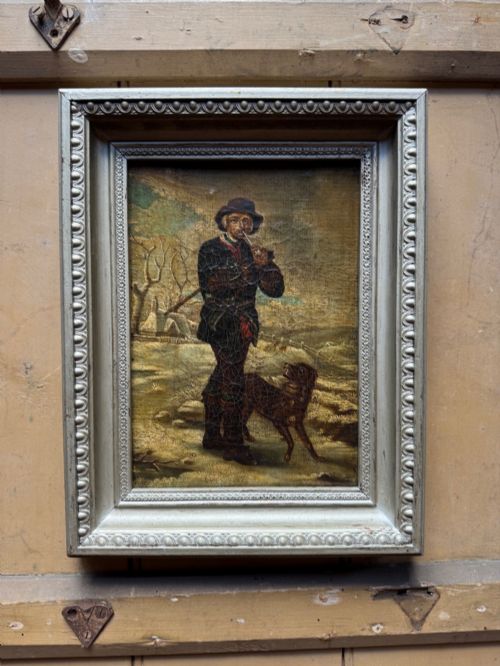
Many surviving works retain their original gilt wood frames, housing glass where watercolours are protected. The physical support often reflects the period, from early wooden panels to standard stretched canvases.
Several sheep, cows and horses quietly populate these fields, often watching the human painters from the corners of history.
Quality and execution
The distinction between ordinary and exceptional pieces lies in the handling of light, atmosphere and perspective by the artist. Stronger compositions reveal confident brushwork and a convincing sense of depth within the natural setting.
Condition and originality also set works apart, particularly the preservation of the painted surface and the retention of the original period frame. Finer examples demonstrate a sure command of tone, whether depicting a quiet woodland or a bustling harbour.
Richard Sebastian Bond·William Beattie-Brown·Tom Campbell·David Bates·George Houston
The Traditional Landscape Art Glossary
- Oil on Canvas
- A painting medium where pigments are suspended in drying oil, applied to a stretched woven fabric support. This combination allows for rich blending and deep colour saturation.
- Watercolour
- A painting method in which the paints are made of pigments suspended in a water-based solution, typically applied to paper. It produces translucent washes of colour.
- Wood Panel
- A rigid wooden support used by artists before canvas became dominant, often displaying distinct grain and requiring stable environmental conditions.
- Gilt Wood
- Wood that has been coated with a thin layer of gold leaf or metallic gilt, commonly used in the manufacture of antique picture frames.
Traditional Landscape Art: Frequently Asked Questions
How do I date an antique landscape painting?
Dating relies on stylistic clues, the type of canvas or wood panel used, and framing techniques characteristic of specific eras. Signatures and biographical records of the artist further narrow down the decade of creation.
Examining the back of the work often reveals historical labels, stamps or inscriptions left by previous owners or framers.
What is the difference between oil and watercolour landscapes?
Oil paintings utilise slow-drying pigments suspended in oil, allowing for thick impasto textures and deep, rich colour layering. Watercolours employ water-soluble pigments on paper, offering a lighter, more transparent finish.
Oils are typically heavier and require stretched canvas or rigid panels, whereas watercolours demand protective glass framing.
Where should I hang a traditional landscape?
These works suit traditional interiors, libraries or living spaces where natural wood furniture and classic decor complement the subject matter. Adequate wall space away from direct sunlight helps preserve the pigments.
Pairing a landscape with period furnishings enhances the historical atmosphere of the room.
How do I care for antique landscape art?
Protect the artwork from direct sunlight and fluctuating humidity levels to prevent the canvas from sagging or the wood from warping. Dust gilt frames gently with a dry, soft brush.
Avoid using liquid cleaners on painted surfaces and consult a professional conservator for any structural repairs.