

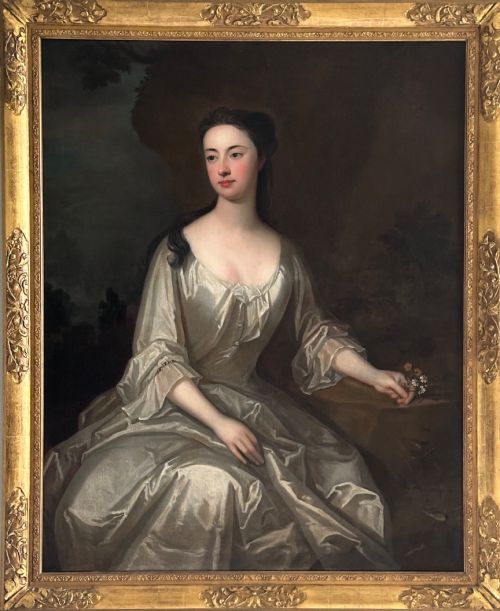
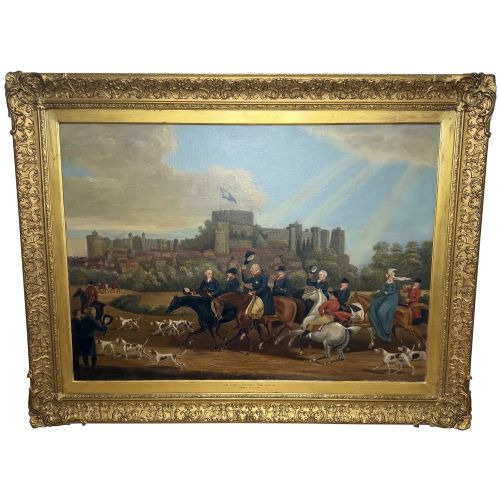
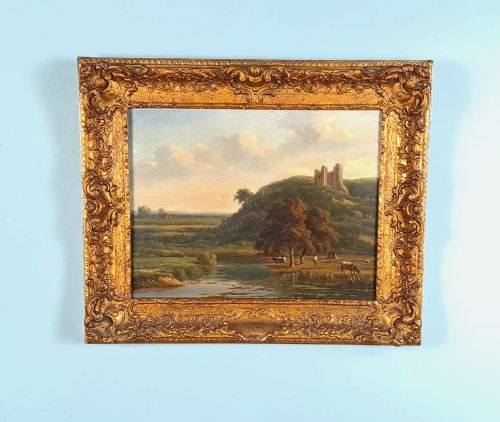

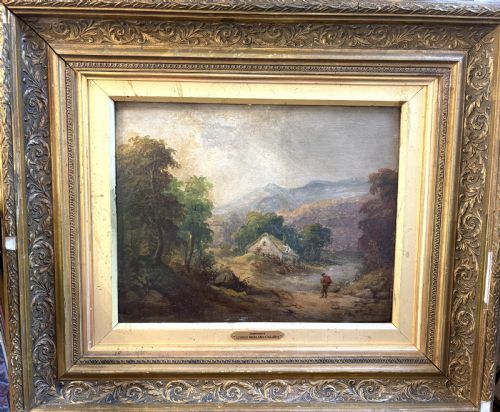
Georgian Oil Landscape
When you search for a georgian oil landscape, you open a window onto country paths, river estates, and classical ruins painted across the eighteenth and nineteenth centuries.
Georgian Oil Landscape
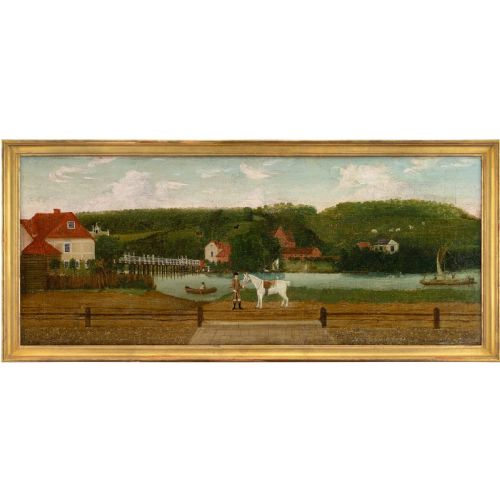
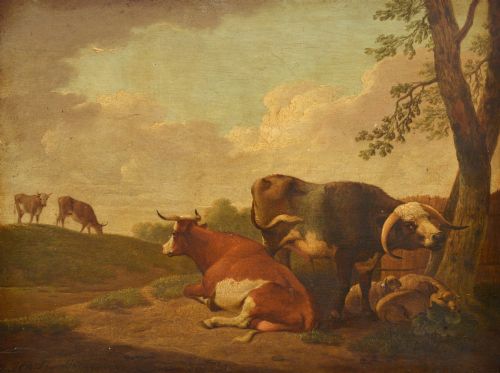
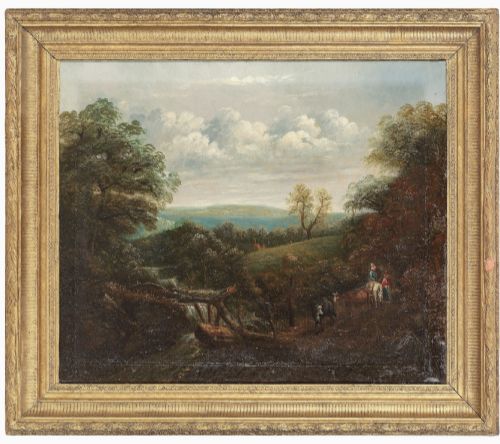
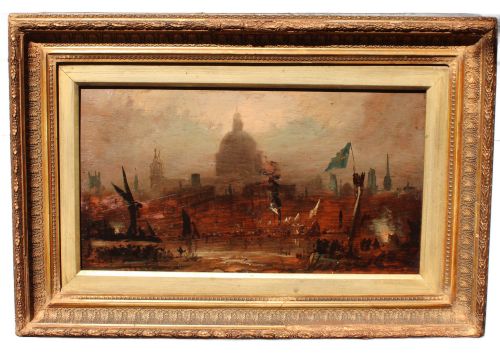
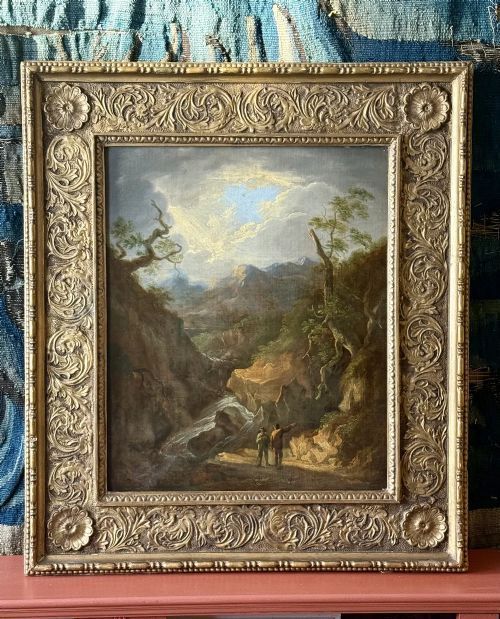
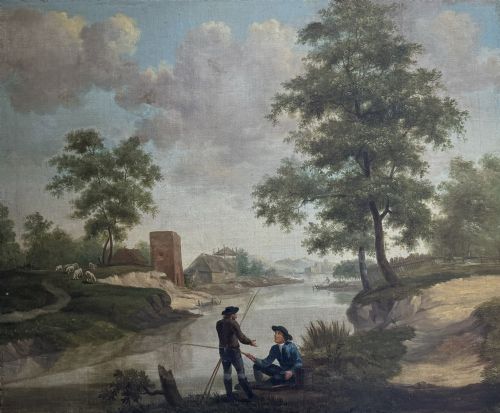
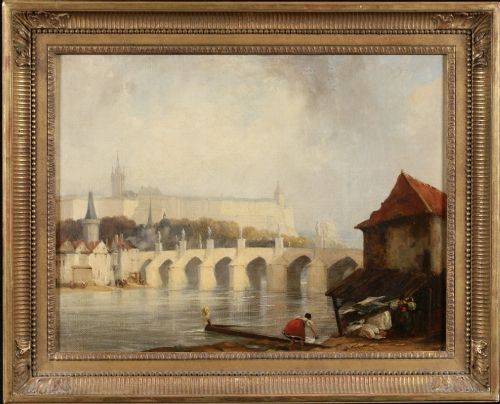
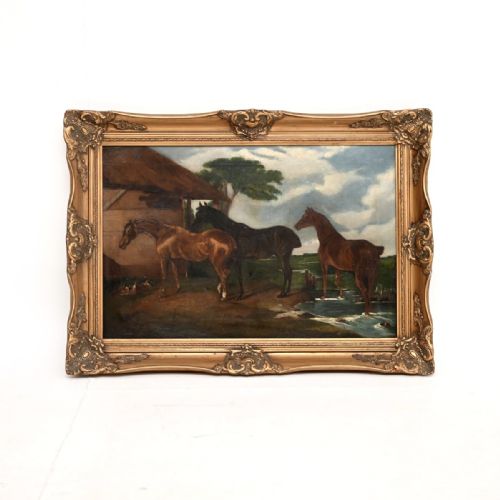
A georgian oil landscape captures the changing face of the countryside, urban views, and coastal scenes across the eighteenth and nineteenth centuries. These works range from intimate rural studies on wood panel to large country house canvases depicting rivers, cattle, and figures.
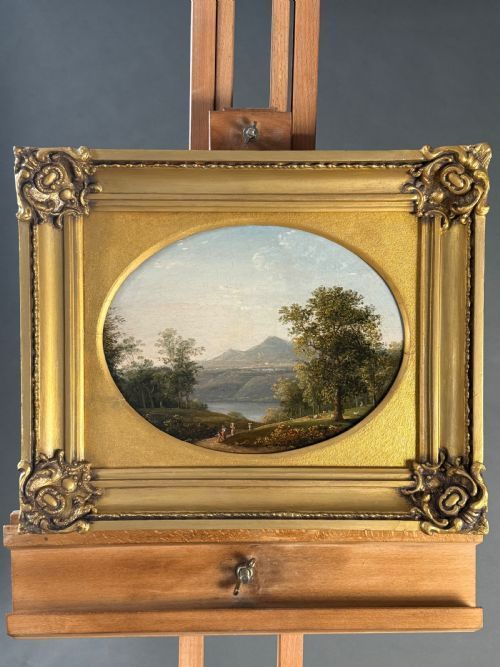
Most examples found here date from the Georgian and Regency periods, stretching into the early nineteenth century under the influence of regional schools and continental traditions. Buyers encounter everything from small naive topographical panels to grand Italianate and pastoral compositions framed in period giltwood.
How they were made
Painters of this era applied oil paint directly onto stretched canvas, wood panels, or artists' boards, often building texture with deliberate brushwork and layered glazes. Canvas was occasionally laid onto board in later years to preserve fragile grounds.
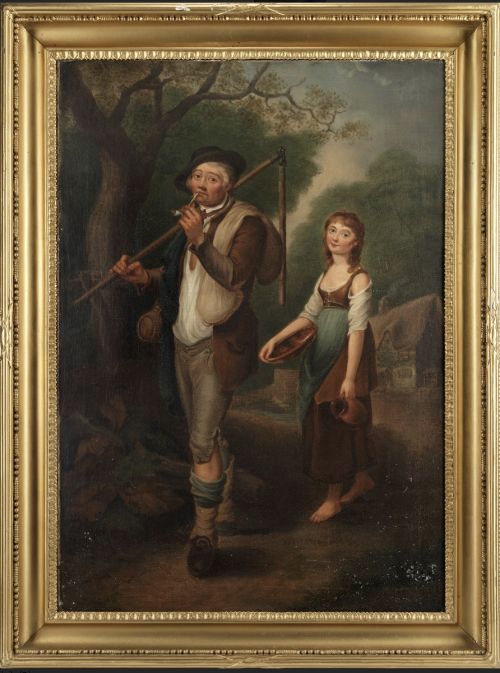
Finished works found their home inside decorative frames carved from wood and gesso, frequently finished with gold leaf. These original settings match the period of the painting and complete the construction of the piece.
Several canvases record specific family pets, including a fortunate terrier named Mr Quiz immortalised alongside his owner.
What varies in quality
The distinction between standard works and exceptional pieces rests in the handling of light, atmospheric depth, and the naturalism of figures and animals within the scenery. Masterful brushwork brings movement to water, foliage, and skies, whereas lesser hands produce stiff repetition.
Condition and originality also dictate standing within the field. Intact original surfaces, period giltwood frames, and documented attributions to recognised schools or named artists elevate a composition far above anonymous provincial output.
William Joseph Shayer Senior·Hendrik Willem Schweickhardt·Thomas Barker of Bath·Benjamin Barker of Bath·Jacob Philipp Hackert·Adriana Verelst·George Morland·T C Hofland·John Constable·John Sanderson Wells·John Hamilton Mortimer·Giovanni Paolo Panini·Clifton Tomson·Julius Caesar Ibbetson·Francesco Zuccarelli·Joseph Farrington·Samuel Henry Alken·Frank Moss Bennett
The Georgian Oil Landscape Glossary
- Giltwood
- Wood carved and coated with gold leaf. This material forms the ornate frames typical of eighteenth and nineteenth-century picture collections.
- Wood Panel
- A rigid wooden support used by artists before canvas became universal. Painters often utilised panels for smaller, highly detailed landscape studies.
- Gesso
- A plaster mixture applied to wooden frames before gilding. It provides a smooth base for gold leaf application.
- Norwich School
- The first provincial art movement in Britain, founded in the early nineteenth century. Members painted local landscapes, rivers, and flatlands with distinct atmospheric observation.
- Italianate
- A style influenced by classical Italian scenery. These landscapes characteristically feature idealized ruins, shepherds, and warm Mediterranean light.
Georgian Oil Landscape: Frequently Asked Questions
How do I date a landscape painting?
Dating relies on stylistic clues, costume details of any figures present, and the physical makeup of the canvas and panel. Frame construction also offers strong chronological indicators.
Pictorial evidence, such as architectural landmarks or transport methods like stagecoaches, helps narrow the decade of creation.
Were these paintings always framed in gold?
Giltwood frames predominated for formal and country house displays throughout the Georgian period. Gold leaf caught the dim candle and firelight of period interiors.
Simpler wood frames or painted borders occasionally appeared on naive works or smaller topographical panels intended for modest rooms.
Where were these landscapes originally hung?
Wealthy patrons placed large oil paintings in reception rooms, libraries, and grand halls of country estates. Smaller panels found places in private parlours and bedchambers.
Overdoor painted panels were specifically designed to fit architectural woodwork above interior doorways.
How should I care for an antique oil painting?
Keep paintings away from direct sunlight, radiators, and damp walls to protect the canvas and wood support from warping or cracking. Stable room temperatures preserve the oil medium.
Dust gently with a soft, dry brush and avoid chemical cleaners on the paint surface or the giltwood frame.