


Art Deco Print
Art deco print works encompass striking period imagery from the early decades of the twentieth century, bringing distinctive graphical elegance to any interior.
Art Deco Print
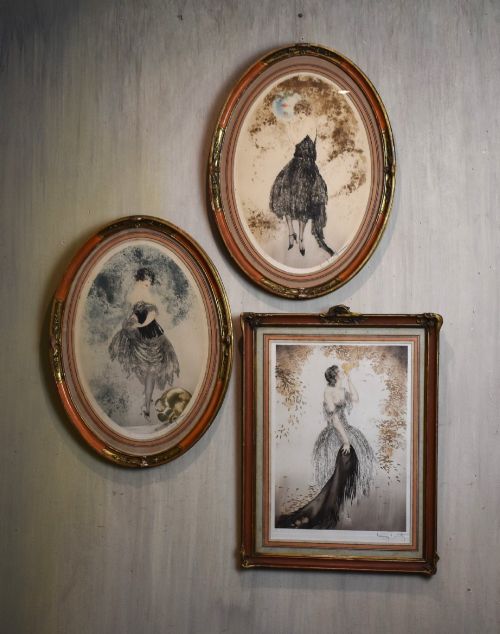
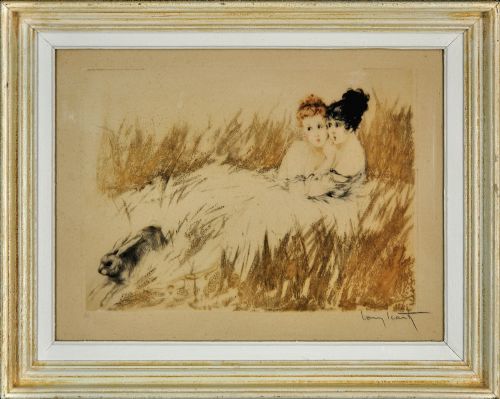
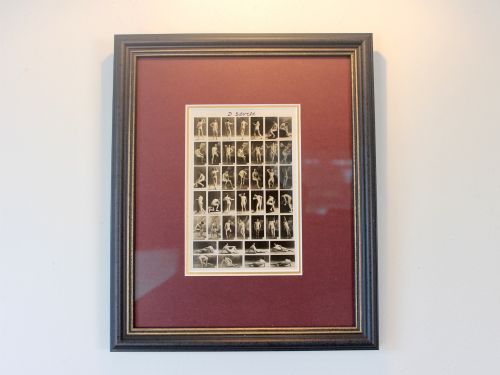
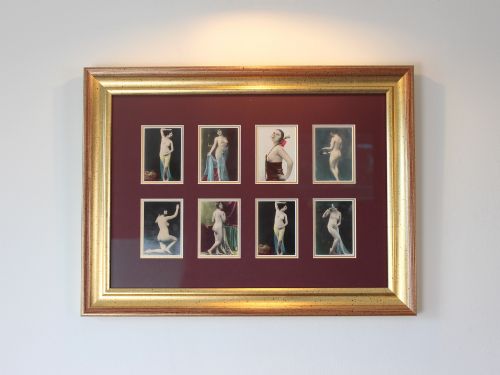
An art deco print covers a diverse array of framed graphic works, lithographs, etchings, and vintage posters originating primarily from the nineteen-twenties and nineteen-thirties. Buyers searching this phrase commonly encounter framed wall art, hand-coloured etchings, and photographic contact sheets that reflect the bold visual vocabulary of the interwar era.
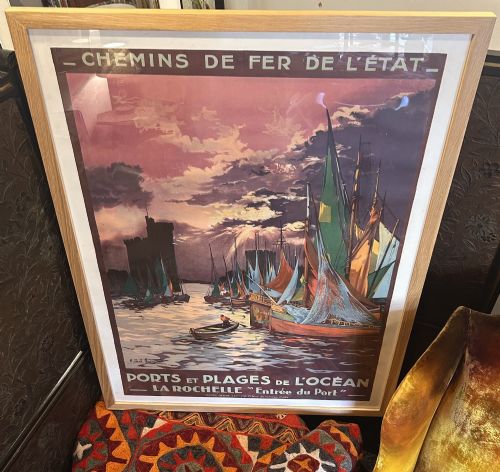
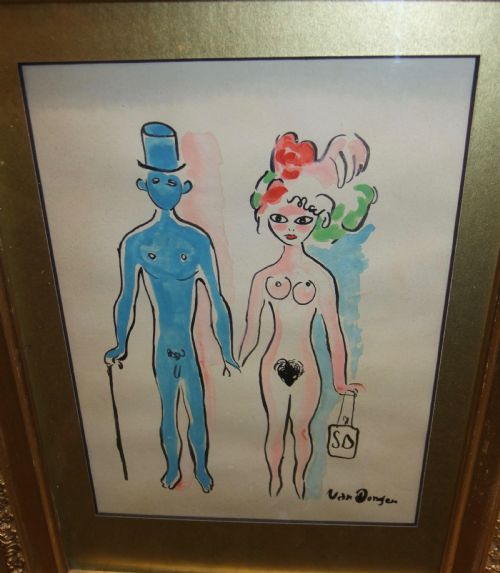
The selection ranges from French railway posters and travel designs to limited edition engravings and intimate photographic studies. Works by known printmakers sit alongside anonymous decorative wall art, offering varied visual formats spanning paper prints, ink compositions, and collotype reproductions.
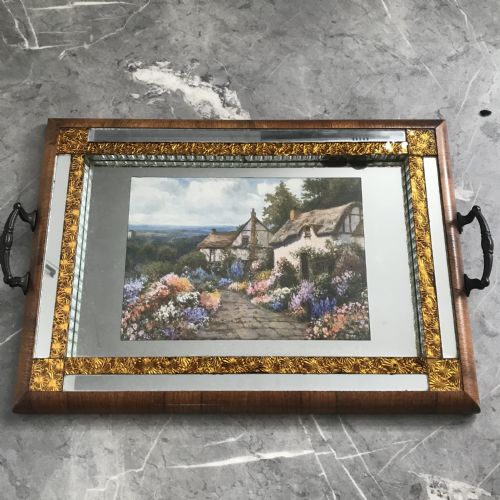
Many examples arrive within period framing, incorporating woods such as oak and walnut, or integrated with functional objects like mirrored glass trays and leather wall mirrors. This blending of graphic imagery with decorative utility defines the category.
Materials and production methods
Production relies heavily on paper supports combined with ink, watercolour, and gouache pigments, alongside specialised techniques like drypoint, aquatint, and lithography. Printmakers utilised hand-tinting methods to apply colour directly to monochrome photographic contact sheets and etched lines.
Framing materials play a significant structural role in preserving these works, utilising hardwoods such as oak and walnut alongside gilt accents. Mirrored glass and leather further feature in related decorative formats like trays and wall mirrors.
Listings feature works spanning the years nineteen-ten to nineteen-thirty, utilising paper, ink, oak, walnut, glass, and leather.
Distinctions in craftsmanship and condition
Quality separates mass commercial reproduction from signed limited editions created by accomplished printmakers of the period. The precision of the plate work, the subtlety of hand-tinting, and the presence of artist signatures dictate the standing of individual pieces.
The integrity of the original paper support and the preservation of ink or pigment density influence overall merit. Original framing materials, including period wood and glass, contribute to the historical completeness of the artwork.
Louis Icart·Julian Mandel·Jean Hardy·Kees van Dongen·Albert Terry
The Art Deco Print Glossary
- Etching
- A printmaking technique where lines are incised into a metal plate with acid before being inked and pressed onto paper. This process allows for fine, highly detailed linear work.
- Drypoint
- A printmaking method related to etching where an image is scratched directly into a metal plate using a sharp needle. It creates soft, velvety lines due to the displaced metal burr.
- Aquatint
- An intaglio printmaking technique that produces tonal areas resembling watercolour washes. It achieves gradients by acid-biting resin-covered plates.
- Collotype
- A photomechanical printing process used to produce high-detail continuous tone reproductions without a visible dot screen. It relies on hardened gelatin exposed to light.
- Lithography
- A planographic printing process based on the repulsion of oil and water on a flat stone or metal plate. Artists use this method to produce rich graphic posters and limited editions.
Art Deco Print: Frequently Asked Questions
How do I identify a genuine period piece?
Examine the paper quality, printing technique, and framing methods to ensure they align with early twentieth-century standards. Signatures, publisher marks, and plate impressions often provide clues to authenticity.
Compare the medium, such as lithography or etching, against known historical production methods of the era. Consulting documented examples helps verify period origin.
Are these works usually hand-coloured?
Many photographic prints and etchings from this era feature manual tinting applied with watercolour or gouache. This technique was common for adding vibrant hues to monochrome images.
Close inspection under magnification reveals the delicate brushwork typical of period hand-tinted additions. Not every piece includes applied colour, as many rely on pure ink or monochrome tones.
How should I frame and display them?
Protect paper works from direct sunlight and moisture to prevent fading of ink and discolouration of the support. Using conservation-grade backing and UV-filtering glass ensures long-term preservation.
Original frames should be retained where possible to maintain historical character and structural integrity. Hang pieces away from direct heat sources to safeguard both the paper and the wooden framing.
What subjects are most common?
Figurative studies, nudes, travel posters, and scenic views dominate the available imagery from this period. Artists frequently explored themes of leisure, modern transport, and architectural landmarks.
Subject matter ranges from bold graphic sports posters to intimate photographic contact sheets and woodland scenes. Each genre reflects the distinctive aesthetic priorities of the interwar decades.