


Antique Art Deco Artwork
Antique art deco artwork captures the sleek modernity of the interwar years through paintings, prints, and sculptures.
Antique Art Deco Artwork
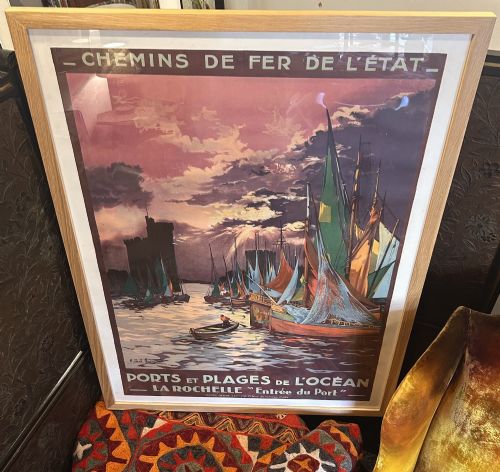
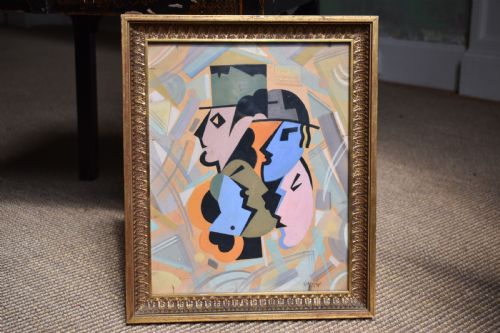
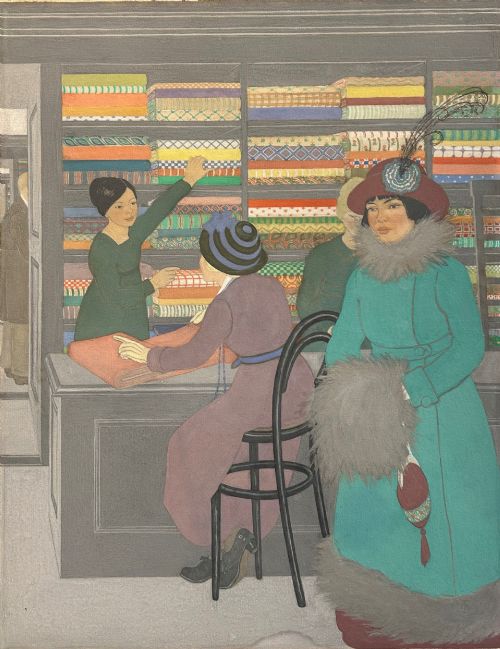
When you search for antique art deco artwork, you encounter wall art, paintings, and sculptures produced primarily during the 1920s and 1930s. These pieces reflect the stylistic shifts of the early twentieth century, spanning French school paintings, British watercolours, and continental poster designs.
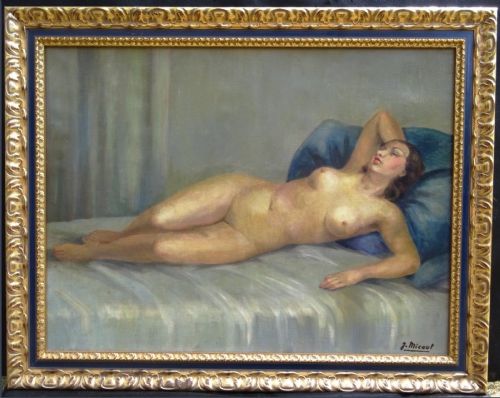
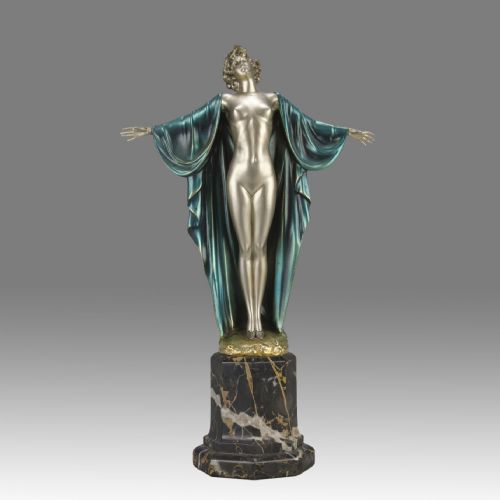
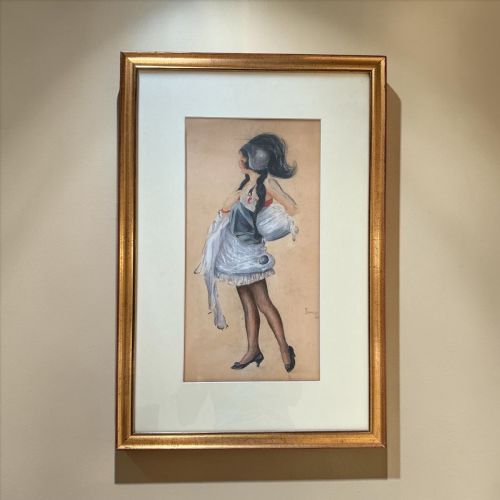
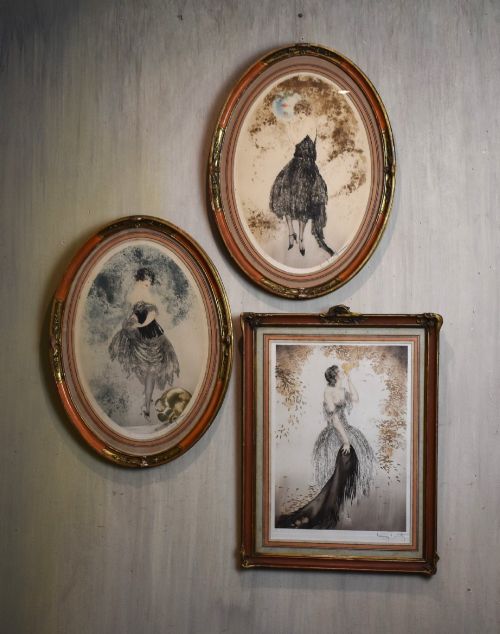
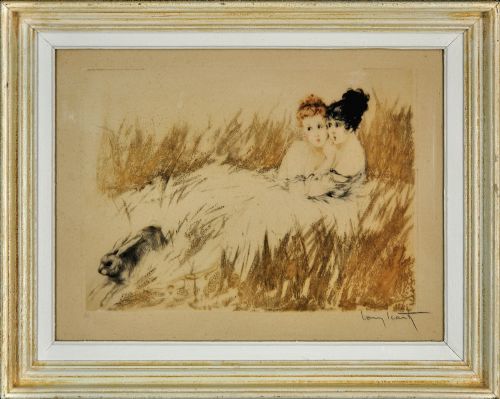
The selection on this page relies heavily on original oil paintings, gouache drawings, and hand-coloured etchings from the interwar period. Alongside these flat works, terracotta busts and cold-painted bronze sculptures provide sculptural representations of the period's distinct aesthetic.
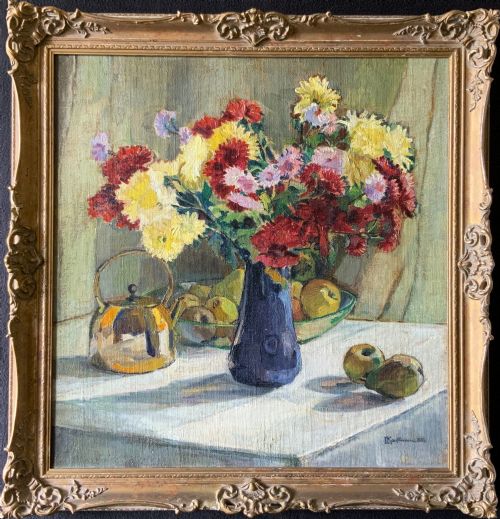
Many of these creations focus on portraiture, female figures, and theatrical scenes, while others capture landscapes and still life compositions. The origins stretch across France, Britain, and Spain, offering a varied cross-section of period production.
How they were made
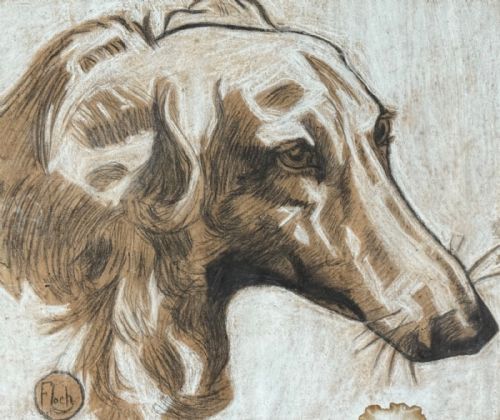
Makers utilised traditional supports such as canvas, paper, wood, and board for their paintings and drawings. Pigments ranged from oil paint and watercolour to gouache, pastel, and ink, applied with precision to capture smooth gradients and sharp lines.
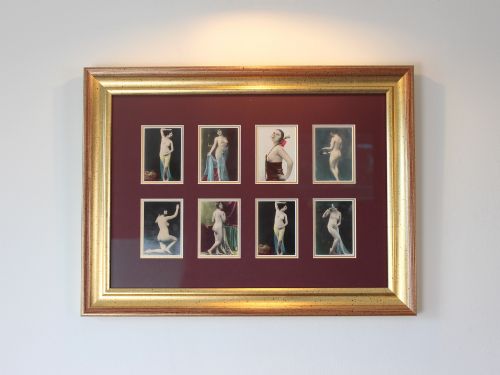
Printmakers employed techniques like lithography, collotype, engraving, and drypoint aquatint, often adding hand-colouring to enhance the final sheet. Sculptors worked in bronze with cold-painted finishes or shaped terracotta into detailed busts and figures.
Listings feature paper, canvas, glass, wood, and marble, spanning watercolours, oils, bronzes, and terracotta sculptures.
What varies in quality
The distinction between standard commercial pieces and superior works rests on the execution of the hand and the clarity of the medium. Original oil paintings and signed etchings by accomplished artists demonstrate superior control over composition and detail compared to mass-produced lithographic prints.
Materials also dictate the tier of a piece, with fine watercolours on buff paper or hand-painted miniatures showing a level of individual craftsmanship absent in simpler printed ephemera. The reputation of the signatory and the preservation of the original pigments influence the standing of each item.
Ferdinand Preiss·Louis Icart·Julian Mandel·Gilbert Privat·Susie Lassam
The Antique Art Deco Artwork Glossary
- Drypoint
- A printmaking technique where an image is scratched directly onto a metal plate with a sharp needle. This process raises a burr of metal that holds ink and creates velvety lines when printed.
- Collotype
- A photomechanical printing process used to produce high-detail monochrome or colour images without a visible dot screen. It yields continuous tones well suited for reproducing delicate drawings.
- Aquatint
- An intaglio printmaking method that creates tonal areas resembling watercolour washes by acid-biting resin granules on a metal plate. It frequently pairs with drypoint lines in period prints.
- Cold-painted
- A method of decorating bronze sculptures with oil or enamel paints without firing in a kiln. The paint remains fragile and requires careful preservation over the decades.
- Gouache
- An opaque water-based medium composed of ground pigments and a binding agent. It dries to a flat, matte finish that provides solid colour blocks in period works on paper.
Antique Art Deco Artwork: Frequently Asked Questions
What subjects appear most often?
Portraits of elegant women, dancers, and nudes dominate the pictorial selections from this era. Landscapes and still life arrangements also feature regularly among the canvas works.
Artists frequently turned to theatrical scenes and poster designs to capture the dynamic energy of city life during the interwar decades.
How do I identify a print from an original painting?
Original paintings show brush texture, layered pigments, and direct hand application when viewed closely. Prints display flat surfaces or uniform dot patterns from mechanical reproduction.
Signed and numbered editions on paper often indicate quality printmaking rather than unique studio compositions.
Where were these pieces produced?
France serves as the primary origin for many paintings, posters, and sculptures from this timeframe. British and Spanish artists also contributed significant watercolours and drawings to the period.
Parisian studios and workshops acted as central hubs for the development and distribution of these decorative styles.
How should I care for works on paper?
Paper artwork requires protection from direct sunlight to prevent fading of watercolours, gouache, and inks. Archival framing materials help maintain the stability of vintage sheets over time.
Keeping pieces away from excessive moisture preserves the integrity of delicate paper supports and hand-coloured details.