



Gold Framed Lithographs
Gold framed lithographs bring together nineteenth century printmaking and gilded wooden surrounds, offering historic imagery ready for the wall.
Gold Framed Lithographs
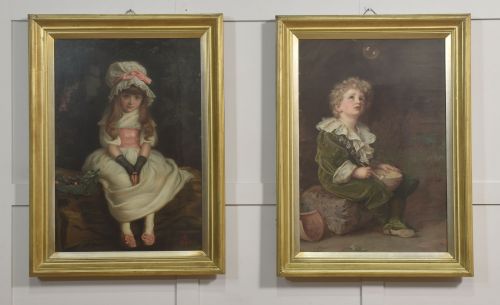
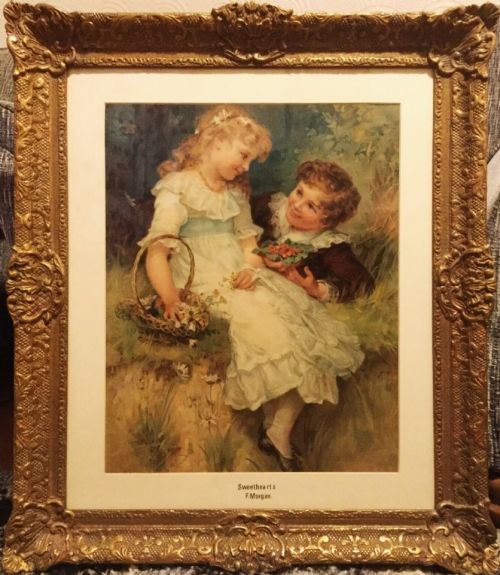
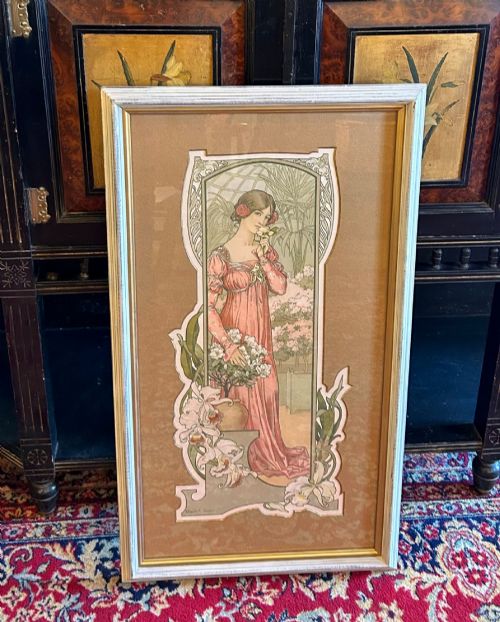
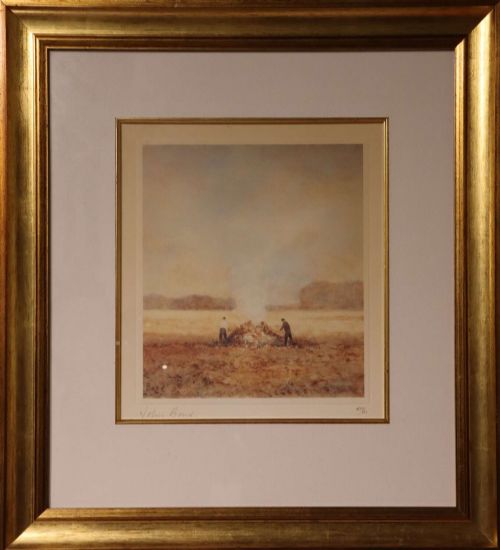
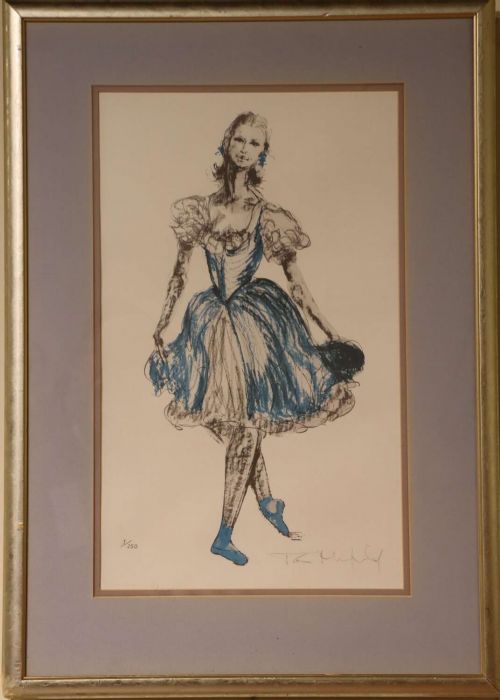
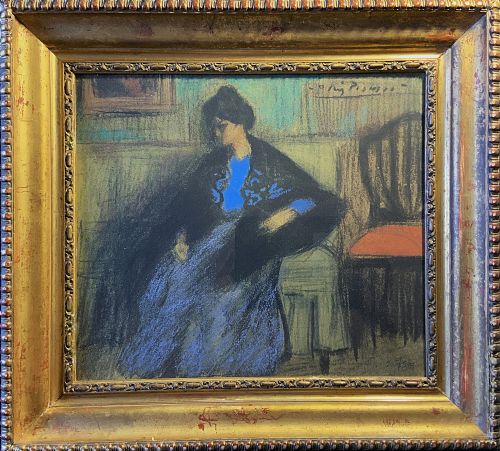
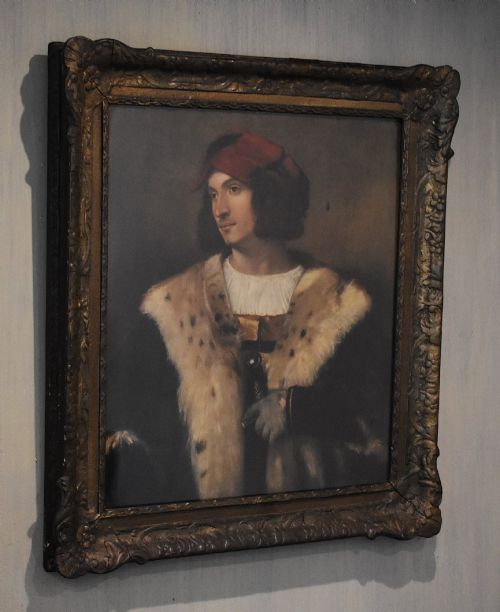
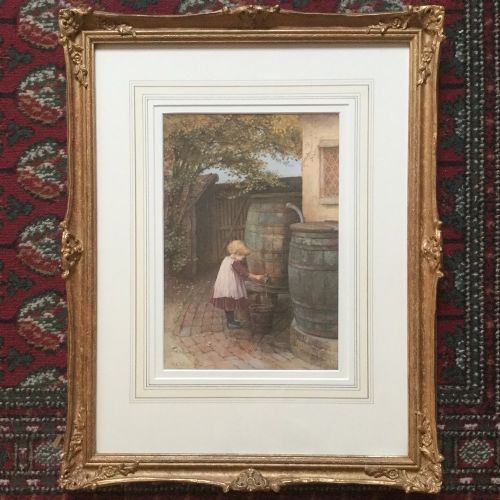
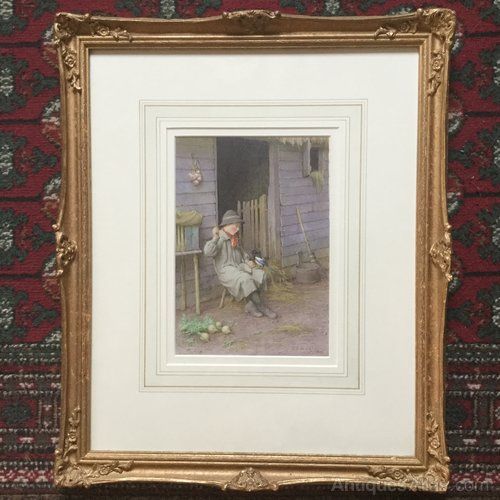
Gold framed lithographs span subjects from Victorian portraiture and advertising to ornithological studies and architectural views. These works demonstrate the versatility of planographic printing techniques across the nineteenth and twentieth centuries.
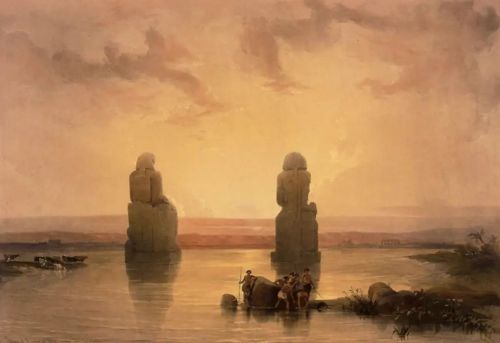
The most common examples on this page date from the nineteenth century, often presenting hand-coloured bird studies, Orientalist scenes, or portraits. They arrive behind glass within wooden surrounds finished in giltwood, gesso, or gold leaf.
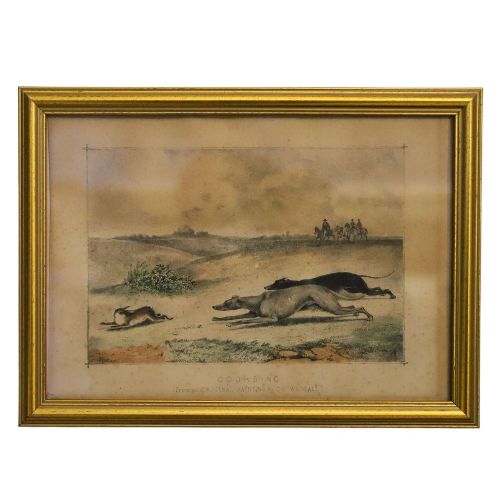
Buyers encounter varied formats, from individual framed sheets to pairs and sets depicting botanical subjects, military reviews, or sporting scenes. Each piece pairs a paper print with a protective glazed frame.
Materials and Technique
Lithography relies on the antipathy of grease and water, allowing artists to draw directly onto limestone blocks or metal plates to create multiple impressions on paper. Many nineteenth century examples received subsequent hand-colouring in watercolour or gouache.
Frames utilise wood as a base material, shaped and ornamented with moulded gesso before receiving layers of gold leaf or gilt paint. Glass protects the paper surface from environmental moisture and atmospheric dust.
Listings feature paper prints secured behind glass within wooden frames finished in giltwood, gesso, and gold leaf.
Assessing Quality
Quality rests in the crispness of the lithographic line and the precision of any applied hand-colouring, which distinguishes finely executed plates from mass-produced commercial reproductions. The depth and condition of the gilding on the frame also determine the overall visual strength.
The relationship between the print and its mount matters greatly, as well-proportioned framing enhances the artwork without crowding the subject. Original glass and undisturbed backing materials contribute to the integrity of older examples.
The Gold Framed Lithographs Glossary
- Lithograph
- A print made by drawing on limestone or a metal plate with a greasy substance so that ink adheres only to the drawn areas. This technique dominated pictorial reproduction in the nineteenth century.
- Gesso
- A plaster mixture applied to wood frames as a smooth base for gilding or painting. It allows intricate moulded details to take a metallic finish.
- Giltwood
- Wood that has been coated with gold leaf, gold dust, or metallic paint. It provides the bright perimeter typical of traditional picture frames.
- Pochoir
- A stencil-based colouring technique used to apply crisp, vibrant hues to prints. It often appears alongside lithography in fine art editions.
- Planographic
- A printing process from a flat surface, distinguishing lithography from relief printing like woodcut or intaglio methods like engraving.
Gold Framed Lithographs: Frequently Asked Questions
How do I care for these framed prints?
Keep them away from direct sunlight to prevent fading on the paper and discolouration in the pigments. Dust the gilded frames gently with a dry cloth.
Avoid hanging them in damp spaces such as kitchens or bathrooms, as moisture damages both the paper support and the gesso underneath the gold leaf.
Are these prints original to their frames?
Many nineteenth century pieces retain their period frames, though framing often changed over generations to suit contemporary tastes. Inspecting the corners, backing boards, and fixings reveals whether the pairing is long-standing.
Matching the style and wear of the frame to the estimated date of the lithograph offers the best clue to their history together.
What subjects are most common?
Bird studies, botanical illustrations, and architectural views from the nineteenth century appear frequently across these listings. Portraiture and advertising prints from later periods also feature prominently.
Subjects range from topographical records of the Middle East to sporting scenes and romantic historical subjects.
How can I tell a lithograph from an engraving?
Lithographs display smooth, flat lines without the characteristic indented plate mark left by metal-plate intaglio printing methods like engraving. Examination under magnification shows the ink sitting evenly on the paper surface rather than resting within recessed grooves.