



Framed Art Deco Illustration
These framed art deco illustration pieces bring crisp modernist graphics and period charm to your walls, capturing the vibrant design spirit of the interwar years.
Framed Art Deco Illustration
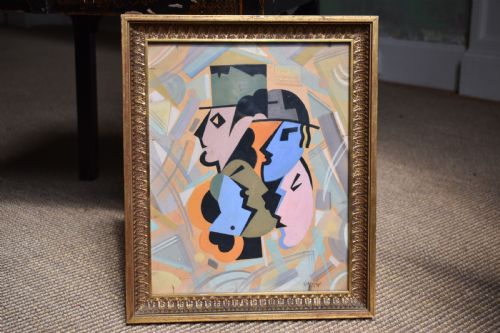
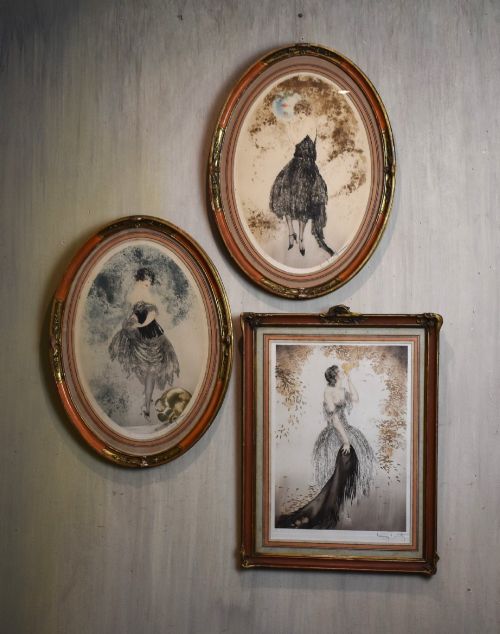
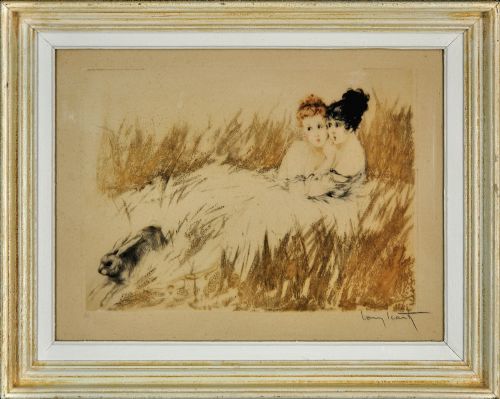
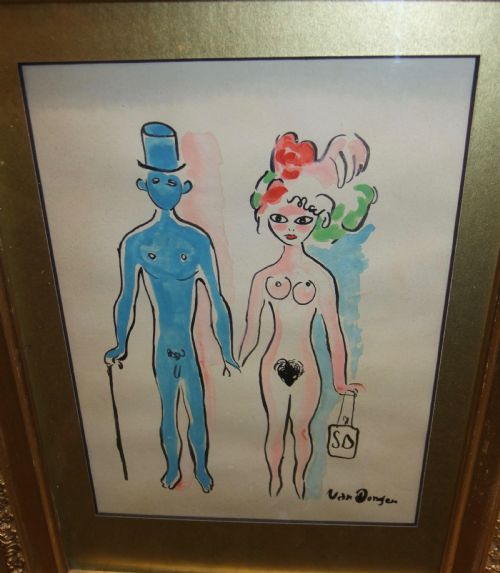
When you search for framed art deco illustration, you encounter a curated selection of works on paper, including gouache paintings, ink drawings, watercolours, and hand-coloured etchings. These pieces span from the 1920s through to the 1950s, capturing the distinct aesthetic of the period alongside earlier belle epoque influences and fauvist touches.
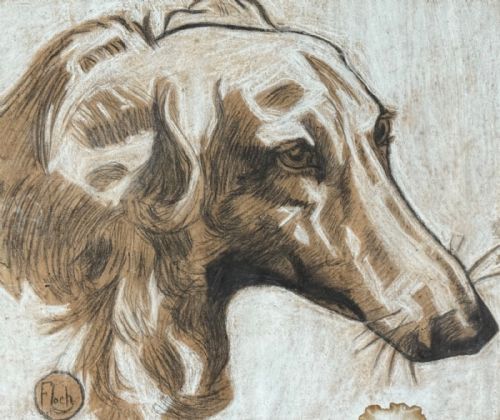
You are most likely to meet French works and British commercial designs, presented as framed drawings, original poster designs, lithographs, and fine art prints. Subjects range from theatrical scenes and stylized portraits to graceful animal studies and advertising artwork.
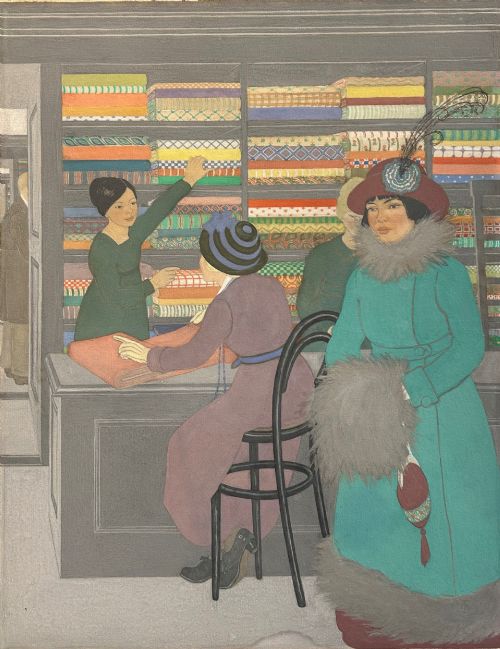
The selection encompasses both original one-off paintings on buff paper and limited edition engravings, all preserved behind glass within wooden frames. Each item reflects the distinctive graphic sensibility of its decade, whether originating from a Harrods advertisement or a French studio.
Materials and Technique
Artists of this era worked primarily on paper surfaces, utilising watercolours, gouache, ink, and pencil to achieve sharp lines and flat areas of vibrant colour. Hand-coloured etchings and lithographs added a mechanical precision that defined the graphic output of the decades.
Framing typically involves wood mouldings and protective glass to preserve fragile works on paper, occasionally incorporating gilt details to enhance the visual impact of the illustration.
Materials across these listings span watercolour, gouache, ink, pencil, glass, wood, and gilt.
Judging Quality
Quality rests upon the strength of the draughtsmanship and the clarity of the composition, distinguishing confident studio works from ordinary commercial outputs. The vibrancy of surviving pigments in watercolours and gouaches also determines the visual punch of the piece.
The sophistication of the framing and the preservation of the underlying paper surface elevate certain examples above others, as does the documented attribution to a known artist or designer.
Louis Icart·Lucien Gibert·Jean Hardy·Usabal y Hernandez·Albert Guillaume·Andrè Maurice·Albert Terry·Kees van Dongen
The Framed Art Deco Illustration Glossary
- Gouache
- An opaque water-based paint that dries to a matte finish, frequently used in period illustrations for its solid blocks of vivid colour.
- Etching
- A printmaking process where lines are bitten into a metal plate with acid, allowing for fine, intricate detail when transferred to paper.
- Lithograph
- A planographic printing method utilising a stone or metal plate, enabling the reproduction of illustrations with painterly gradations.
- Buff paper
- A pale brownish-yellow paper stock that provides a warm neutral background for pencil and gouache drawings.
- Belle epoque
- A period of French artistic and cultural confidence spanning the late nineteenth century up to the First World War, whose stylistic echoes often linger in early deco works.
Framed Art Deco Illustration: Frequently Asked Questions
How do I care for framed art on paper?
Keep these framed works away from direct sunlight to prevent the watercolours, gouaches, and inks from fading over time. Maintaining a stable room temperature protects the paper and wooden frames from moisture damage.
Ensure the glass remains intact to shield the delicate medium from dust and atmospheric pollution. Professional framing materials help preserve the integrity of the paper for decades to come.
Are these illustrations original works?
The selection includes a mix of unique hand-painted works in gouache, ink, and watercolour alongside original period prints and lithographs. Each listing specifies the exact medium used by the artist.
Original poster designs and preparatory advertisements sit alongside limited edition engravings from the interwar period. Checking the description confirms whether a piece is a one-off drawing or a period print.
How do I date an art deco illustration?
Dating relies on stylistic markers such as typography, fashion, and graphic composition typical of the 1920s and 1930s. Many works carry explicit dates or reference specific periods within their documentation.
Materials like buff paper and framing styles also offer clues to the era of production. Comparative study with known artists from the 1920 to 1950 bracket helps narrow down the timeframe.
Where were these pieces displayed originally?
Many of these works served as commercial illustrations for department stores, magazines, or public advertising campaigns. Others originated as fine art drawings intended for domestic interiors or salon exhibitions.
Commercial designs for clients like Harrods demonstrate how fine art techniques served the advertising world. Domestic pieces often reflected the sophisticated tastes of urban collectors during the interwar years.