






Art Deco Etching
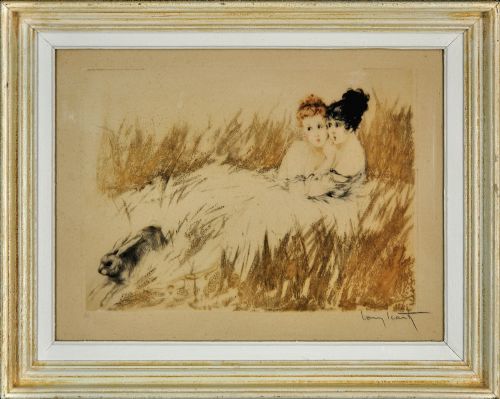
When you search for an art deco etching, you are looking at modernist prints on paper, often hand-coloured and signed by the artist.
Art Deco Etching
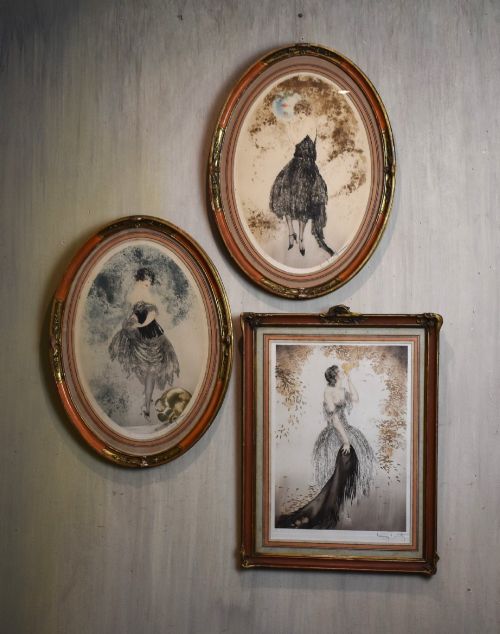
An art deco etching on this page typically originates from the 1920s or 1930s, capturing the stylised figurative and linear motifs characteristic of the period. These prints often depict elegant female subjects in graceful poses, reflecting the visual culture of interwar Europe.
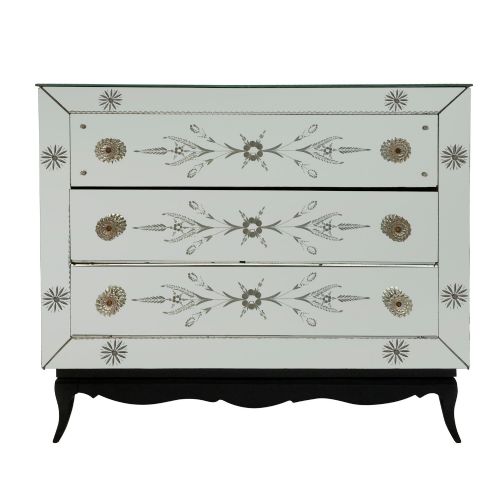
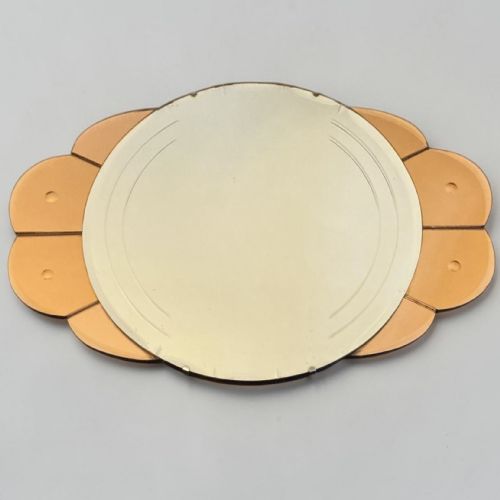
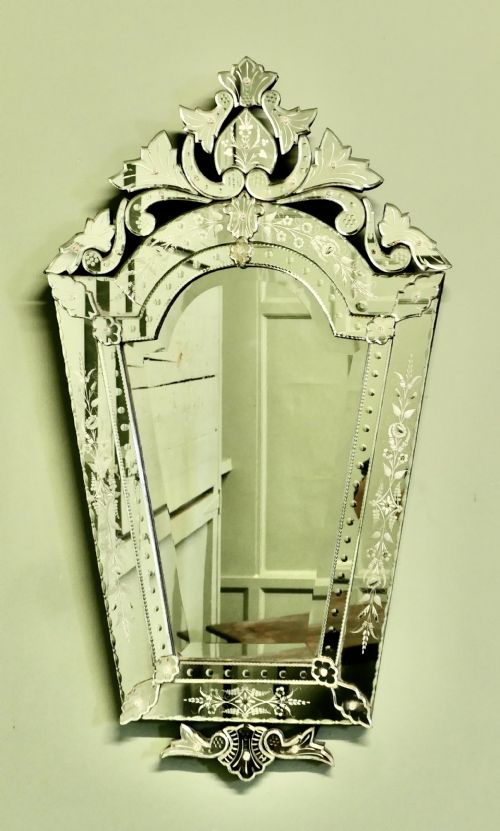
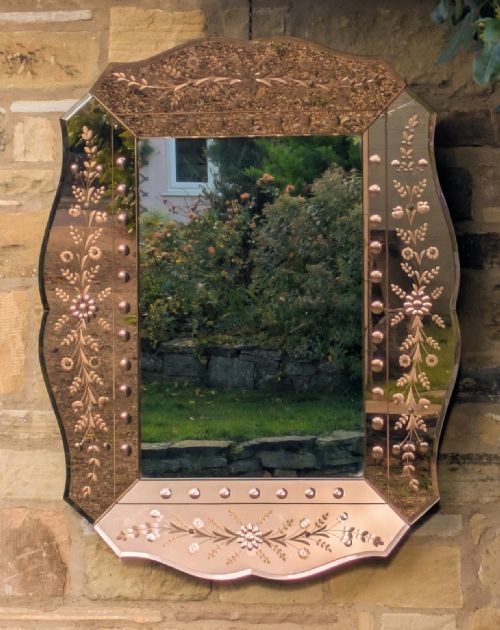
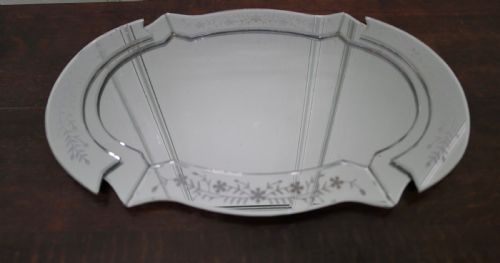
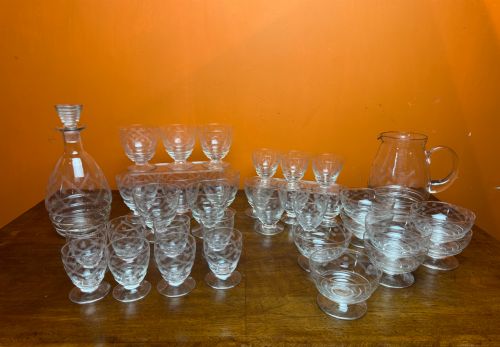
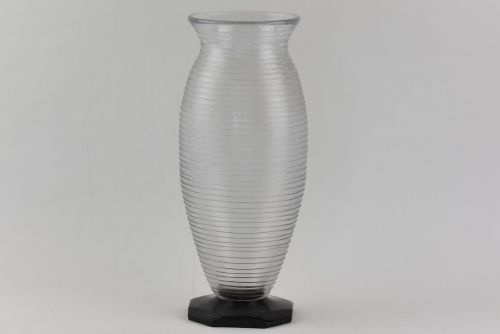
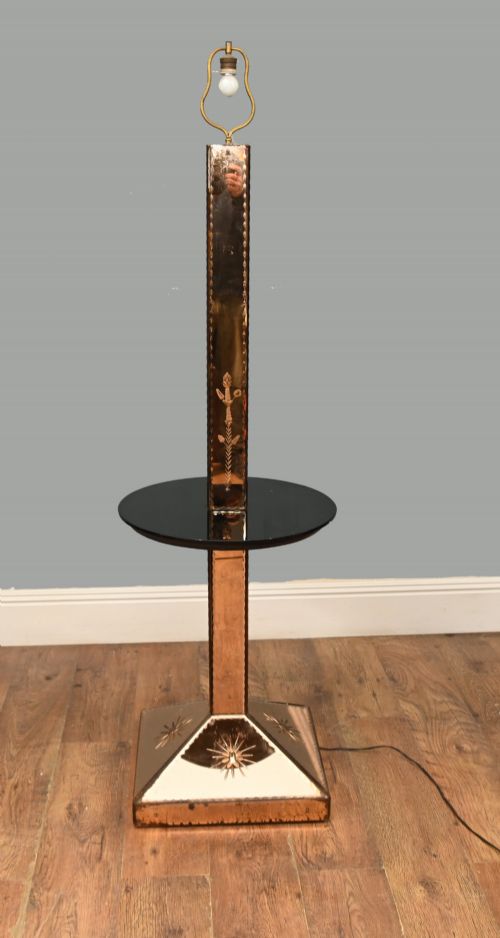
The selection frequently includes framed works by prominent printmakers of the era, alongside pieces associated with French and continental workshops. Alongside works on paper, the material evidence records deep incisions on glass vessels, mirrors and bottles from the same decades.
How they were made
Printmakers created these works by drawing through a protective ground on a metal plate, which was then submerged in acid to bite the design into the surface before manual inking and printing on paper. Many plates received subsequent hand-colouring with watercolour pigments to heighten specific details within the composition.
For related items in glass, makers utilised techniques such as deep acid etching, cameo carving or enamel decoration on substrates of clear, frosted or coloured glass. Metal elements in brass, chrome or silver frame these glass forms, integrating contrasting textures within individual objects.
Materials span paper, glass, mirror glass, brass, silver, enamel, and wood across multiple continental origins.
What varies in quality
Quality in an art deco etching lies in the crispness of the plate impression, the precision of the hand-colouring, and the presence of an original pencil signature by the artist. Stronger examples exhibit subtle tonal gradations and careful preservation of the paper support without excessive fading or discolouration.
In three-dimensional objects, differentiation depends on the depth and clarity of the etched glass motifs, the integration of enamel pigments, and the substantial weight of the underlying materials.
Louis Icart·Karl Palda·Jean Luce·Schneider·Jean Hardy·Rene Lalique
The Art Deco Etching Glossary
- Etching
- A printmaking technique where acid bites lines into a metal plate to hold ink. The resulting impression shows characteristic fine, raised ink lines on the paper.
- Hand-coloured
- The application of watercolour or tint by hand to a printed image. This process added individual colour variations to editions of prints.
- Cameo glass
- Glass formed with multiple layered colours where outer layers are carved or acid-etched away to reveal a contrasting design. This method produced raised opaque reliefs.
- Guilloché
- A decorative mechanical engraving technique producing intricate geometric patterns under translucent enamel. It frequently appears on silver and glass vanity items.
- Aquet
- A term related to the surface treatment of glass vessels.
Art Deco Etching: Frequently Asked Questions
What subjects appear in these prints?
The subjects commonly include stylised female figures, allegorical representations such as the seasons, and narrative domestic scenes characteristic of the interwar decades.
These compositions reflect the distinct modernist aesthetic and fashion of the period.
Are these works signed by the artist?
Many prints feature original pencil signatures placed beneath the printed image by the maker.
Signed examples indicate professional oversight of the printing and proofing process.
How should I frame a paper print?
Framing requires conservation-grade materials, including acid-free mounts and glass that filters ultraviolet light to protect the paper and pigments.
Proper framing prevents moisture accumulation and preserves the integrity of the original medium.
How do I care for etched glass items?
Maintenance involves gentle cleaning with a soft cloth and mild soap, avoiding abrasive substances that might damage surface enamels or delicate acid-bitten channels.
Displaying pieces away from direct sunlight protects coloured glass and enamel from fading.