

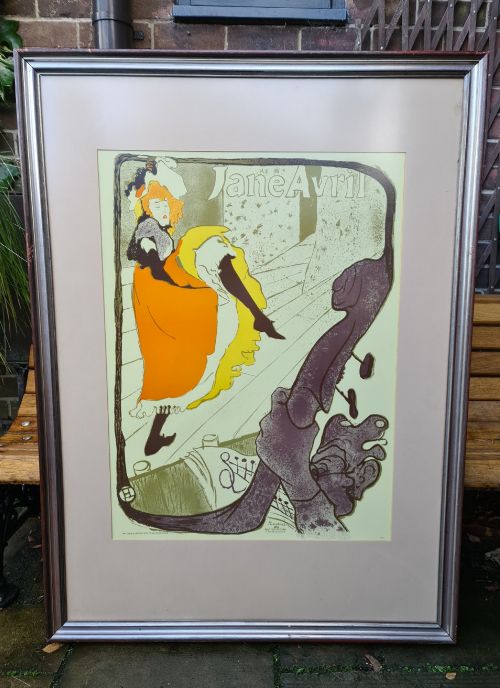


Antique Graphic Art Print
An antique graphic art print brings centuries of character to a wall, offering rich line work and period charm.
Antique Graphic Art Print
An antique graphic art print encompasses works on paper ranging from Victorian pastoral scenes and Japanese woodblock prints to early twentieth century illustrations. Buyers seeking an antique graphic art print will encounter framed wall art, etchings, and vintage posters originating from diverse artistic movements.
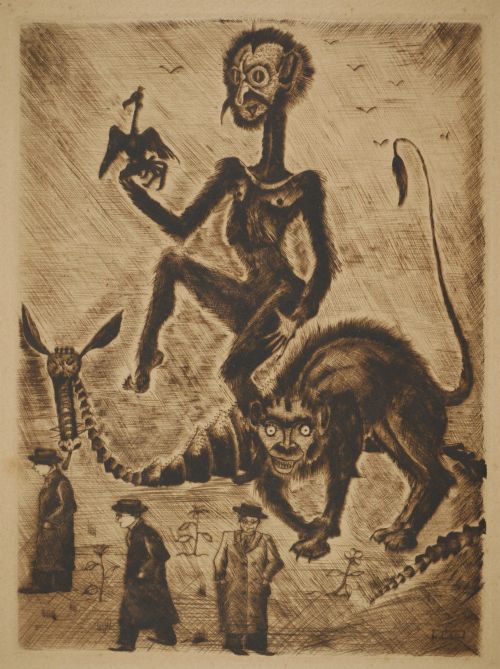
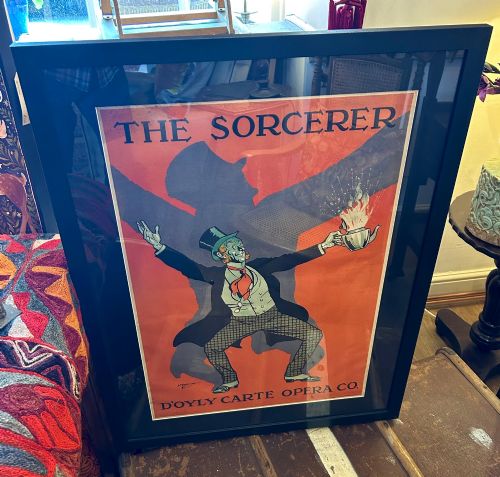
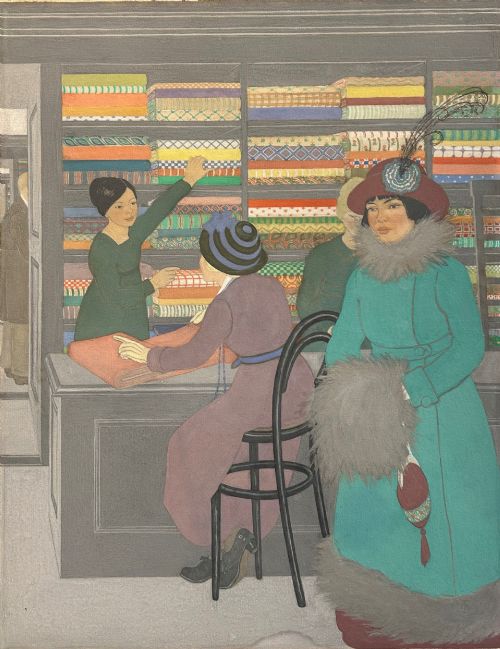
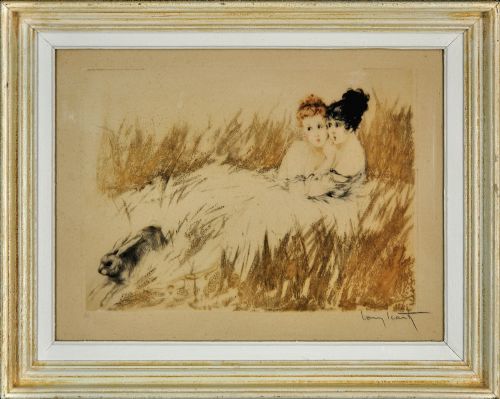
The selections available here lean heavily into early twentieth century production, alongside Victorian examples and distinct pieces from the nineteen twenties and thirties. These works arrive in varied formats, including framed poster editions and drypoint etchings.
Artistic styles span across Art Deco, Art Nouveau, Surrealism, and Arts & Crafts, alongside Japanese Ukiyo-e traditions. This mix provides collectors with numerous aesthetic directions within graphic art.
How they were made
The materials recorded in these works combine paper, ink, and card, often mounted within wood and glass frames alongside metal fixings. Technique varies from traditional woodblock carving to drypoint etching and hand colouring.
Printmakers utilised specialised plates and blocks to transfer ink onto quality paper stocks, creating distinct tonal depth and line precision. Many pieces reflect period specific techniques typical of early twentieth century illustration and traditional Japanese printing.
Antique Graphic Art Print Retail Price Guide 2026
Typical asking prices for graphic art print among the pieces listed under this phrase on Sellingantiques today, from the lower quarter to the upper quarter. They describe what is for sale here now, not the wider market.
Materials across these listings include paper, glass, wood, ink, metal, and card.
What varies in quality
Quality in an antique graphic art print rests upon the clarity of the impression and the precision of the plate work or carving. Stronger examples show crisp ink transfer and deliberate composition across the paper surface.
The choice of medium and framing context also differentiates the items, with hand coloured details or limited edition runs adding distinct visual layers. Preservation of the paper and the integrity of the framing contribute further to the standing of each piece.
Kurt Lorein Victor Peiser·Louis Icart·Toulouse Lautrec·Edgar J Maybery·Albert Terry
The Antique Graphic Art Print Glossary
- Drypoint etching
- A printmaking process where an artist scratches a design directly onto a metal plate with a sharp needle, producing soft, velvety lines from the displaced metal burr.
- Ukiyo-e
- A genre of Japanese art translating to pictures of the floating world, typically produced through woodblock printing.
- Engraving
- A technique where an artist cuts lines directly into a hard plate using a burin to hold ink for transfer.
- Hand coloured
- A print finished with applied watercolor or tint by hand after the initial monochrome impression is pulled.
Antique Graphic Art Print: Frequently Asked Questions
How should I hang my print?
Protect the paper from direct sunlight to prevent fading of the inks and discoloration of the background. Use stable wall fixings suited to the weight of the wood and glass frame.
Maintain a stable room temperature to avoid moisture accumulation behind the glass, which can damage antique paper over time.
Are these pieces originals?
The listings include period printmaking techniques such as etchings, woodblocks, and engravings produced during their respective eras. Each method relies on traditional press or block transfer rather than modern digital reproduction.
Examine the surface under gentle light to observe the ink indentation in the paper typical of authentic period printing.
What framing is typical?
Many examples arrive ready to hang within period appropriate wooden frames protected by glass. This traditional presentation safeguards the delicate paper and card materials from environmental wear.
Frames often reflect the design ethos of the era, complementing the style of the enclosed artwork.
How do I identify Art Deco prints?
Art Deco works from the nineteen twenties and thirties often feature clean geometric lines, stylised figures, and modernist compositions. These prints capture the decorative energy and industrial progress of the period.
Artists working in this style utilised bold contrasts and streamlined forms that broke away from Victorian ornamentation.