



Vintage Pattern Design
Vintage pattern design brings together textiles, ceramics and metalwork marked by enduring motifs from the nineteenth and twentieth centuries.
Vintage Pattern Design
A search for vintage pattern design reveals an array of decorative objects, ranging from hand-knotted tribal rugs to earthenware ceramics and sterling silver tableware. The pieces on this page span the late nineteenth century through the mid twentieth century, drawing on Persian, Art Deco and traditional folk aesthetics.
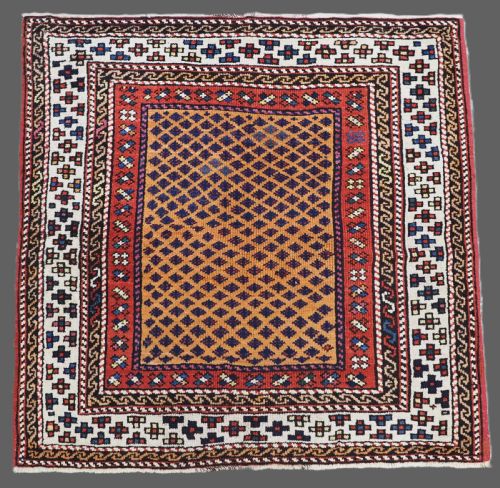
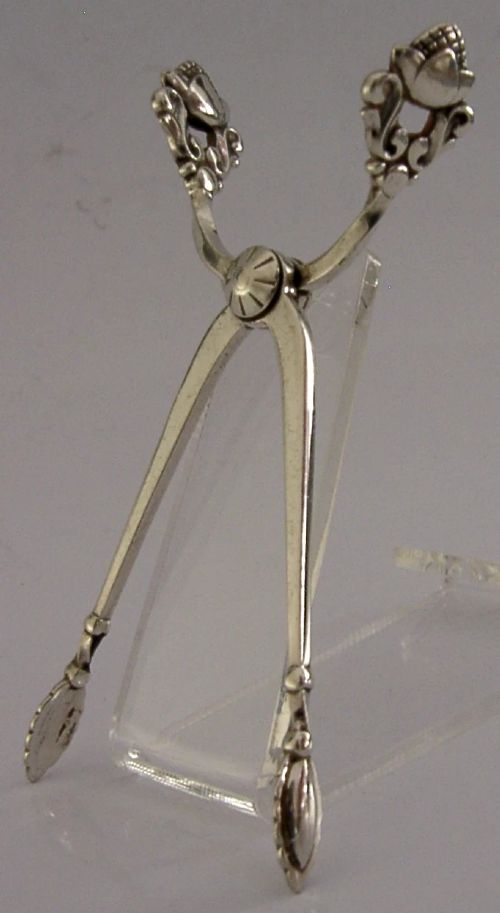
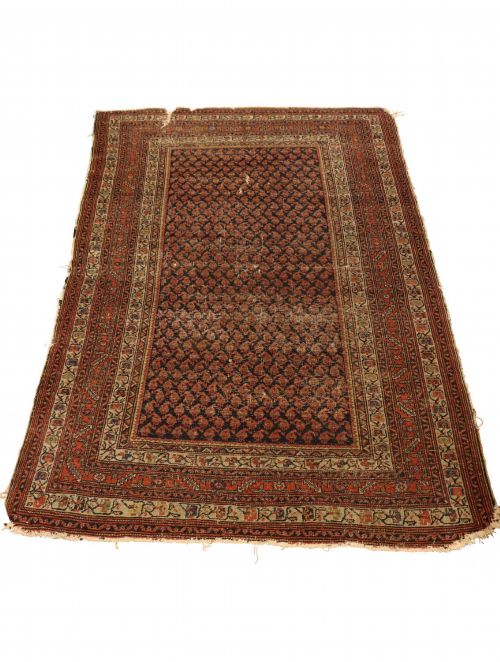
Floor coverings form a significant portion of what is available, specifically antique runners, kilims and village carpets featuring lattice, shrub and medallion layouts. Alongside these textiles, buyers encounter ceramics with painted floral motifs, glass bowls and metal accessories bearing distinct period patterns.
Origins stretch across regions known for rich craft traditions, including Turkey, Persia, the Caucasus and various European workshops. Each category displays specific decorative vocabularies, from geometric tribal guls to stylised botanical forms.
Judging the standard of execution
Quality rests on the crispness of the motif execution and the harmony of the palette, whether in the knot density of a carpet or the clean application of a ceramic glaze. Superior examples show deliberate control in the repeat of geometric lattices and floral sprays.
Materials dictate longevity and visual depth, with tightly spun wool, high-grade porcelain and solid sterling silver retaining their integrity and colour over decades. The distinction lies in the fidelity of the maker's vision and the preservation of the original surface texture.
Vintage Pattern Design Retail Price Guide 2026
Typical asking prices for vintage pattern design among the pieces listed under this phrase on Sellingantiques today, from the lower quarter to the upper quarter. They describe what is for sale here now, not the wider market.
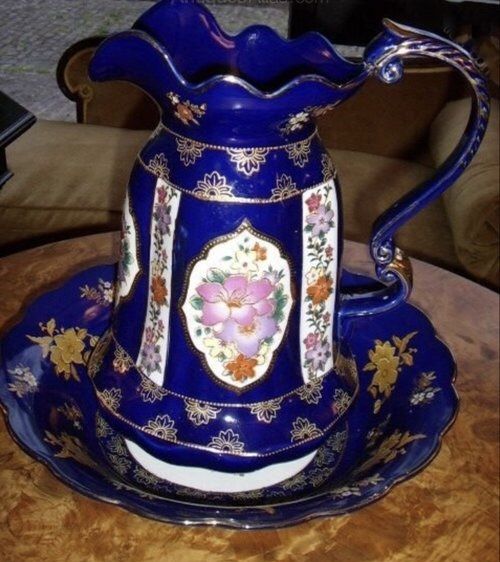
Ceramics on this page include earthenware and porcelain forms decorated with cobalt blue glazes, floral motifs and tubelined Art Deco patterns.
Georg Jensen·Clarice Cliff·Charlotte Rhead Crown Ducal·Roberts And Dore
The Vintage Pattern Design Glossary
- Gul
- A medallion motif repeated across Turkmen and tribal carpets. These octagonal or gabled forms identify the specific weaving group.
- Kilim
- A flat-woven carpet or rug produced without a pile. They are constructed using an interlocking weave that creates sharp geometric patterns.
- Tubelined
- A ceramic decoration technique where lines of clay slip are trailed onto the body to form raised barriers for enamel colours. This creates a stained-glass effect popular in Art Deco pottery.
- Herati
- A classic Persian pattern composed of a central rosette framed by leaves, flanked by curved fish-like motifs. It appears widely in traditional carpet weaving.
- Boteh
- An almond-shaped or paisley motif with a curved upper end, symbolising a cypress tree or floral spray. It is frequently repeated across antique runners and village rugs.
Vintage Pattern Design: Frequently Asked Questions
How do I care for a vintage wool rug?
Keep wool rugs out of direct sunlight to prevent fading of natural dyes, and vacuum gently without using a beater bar. Professional cleaning is recommended every few years to remove embedded grit without damaging the foundation.
Rotate the rug periodically to ensure even wear in high-traffic hallways or living spaces. Promptly blot liquid spills with a clean cloth rather than rubbing the fibres.
What defines an Art Deco pattern?
Art Deco motifs rely on clean geometric lines, stylised floral arrangements and symmetry that reflect machine-age modernity. Designers favored repeating steps, chevrons and abstracted natural forms.
These patterns appear across ceramics, glassware and metal trays from the interwar period. The style values bold contrast and structured composition over ornate Victorian flourishes.
How can I tell a tribal rug from a city carpet?
Tribal rugs feature geometric guls, stepped medallions and memory-driven designs woven by nomadic or village groups on smaller upright looms. Their palettes often use saturated primary colours derived from local plants and insects.
City carpets typically display intricate curved florals, precise medallions and finer knot densities produced in established workshops. The cartouches and borders show greater symmetry and professional cartographic planning.
Are fabric printing blocks usable for display?
Wooden printing blocks are sculptural objects that showcase carved relief designs once pressed into textiles using pigment. Collectors display them on shelves or mount them on walls to highlight the hand-carved woodwork.
Their patinated surfaces reveal the handling and dye residue from active textile workshops. They serve as tactile reminders of industrial and craft printing methods.