


Antique Etching Art
Antique etching art captures the meticulous line and tonal depth of centuries past, offering collectors authentic printed works on paper and vellum.
Antique Etching Art
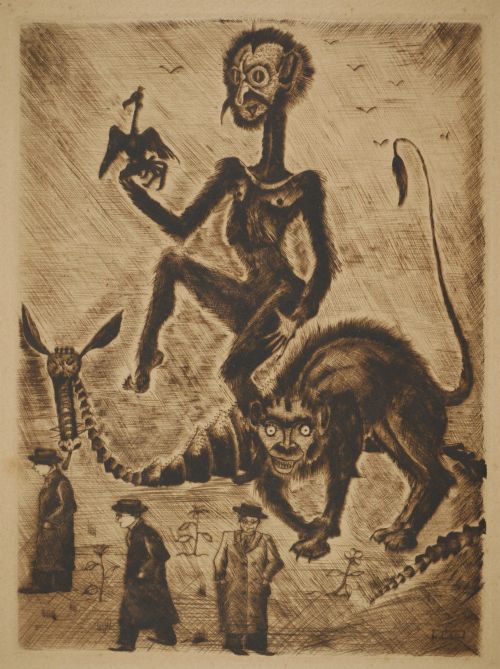
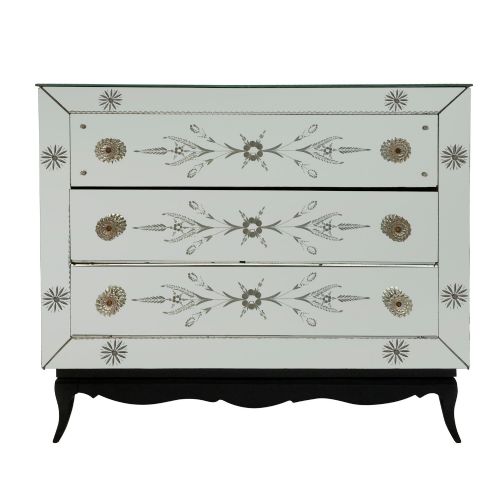
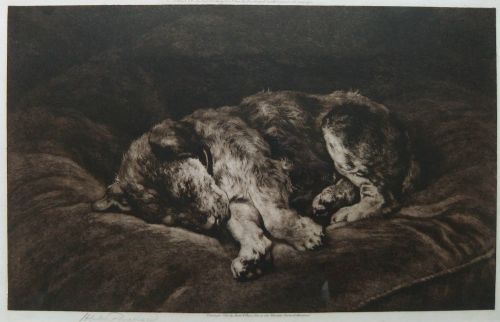
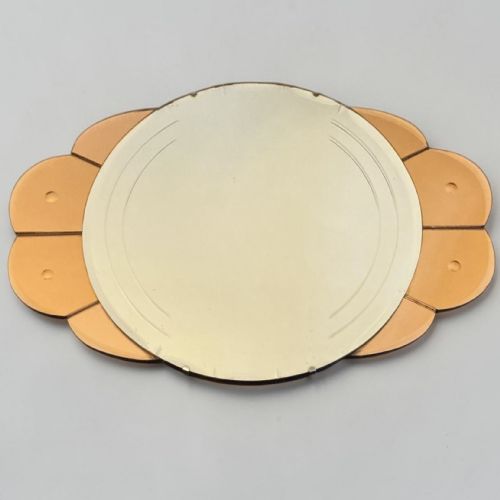
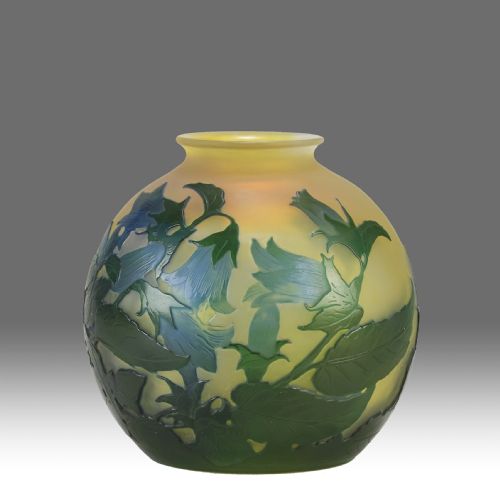
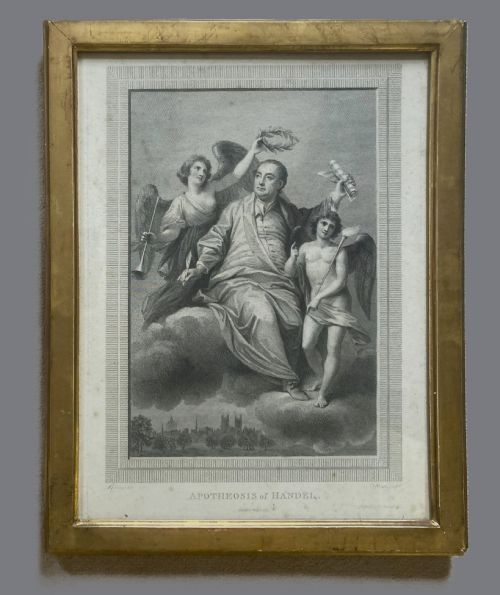
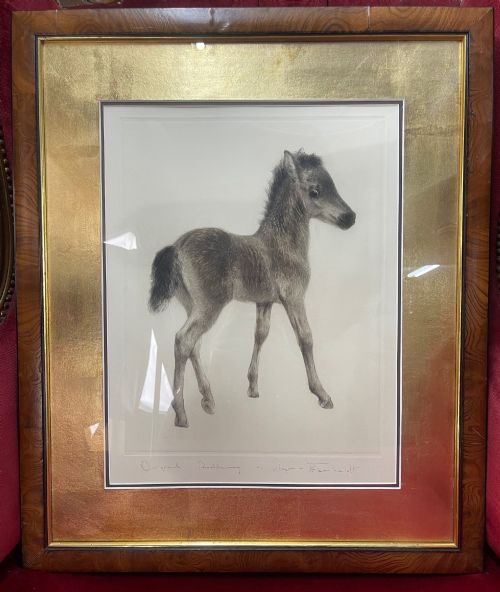
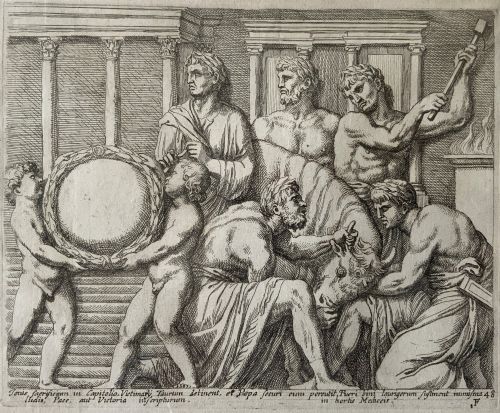
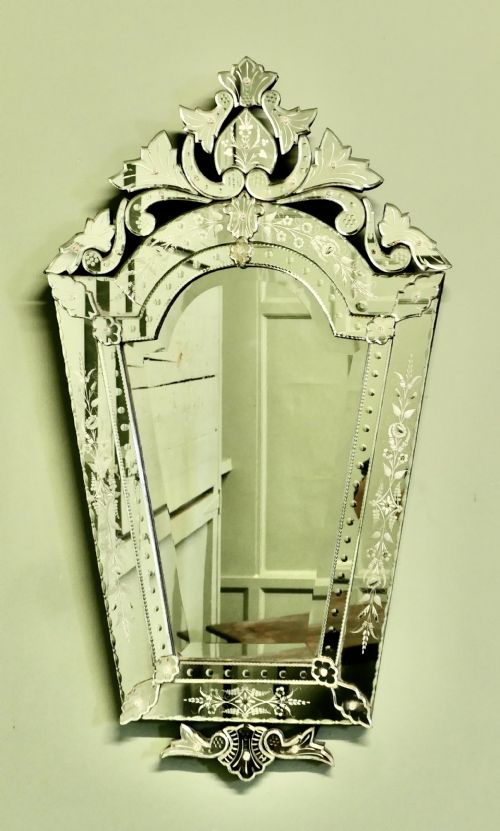
When searching for antique etching art, a buyer encounters a diverse range of printed works alongside sculptural objects such as cameo glass vases and decorative mirrors. The offerings span from seventeenth-century classical antiquity scenes to twentieth-century animal studies, French prints, and portraits.
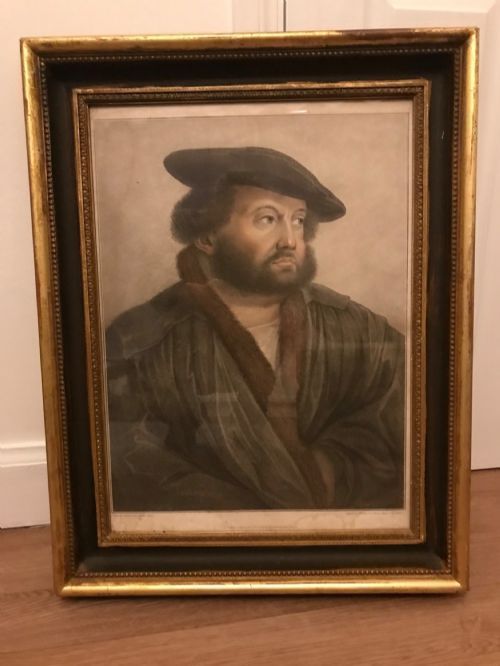
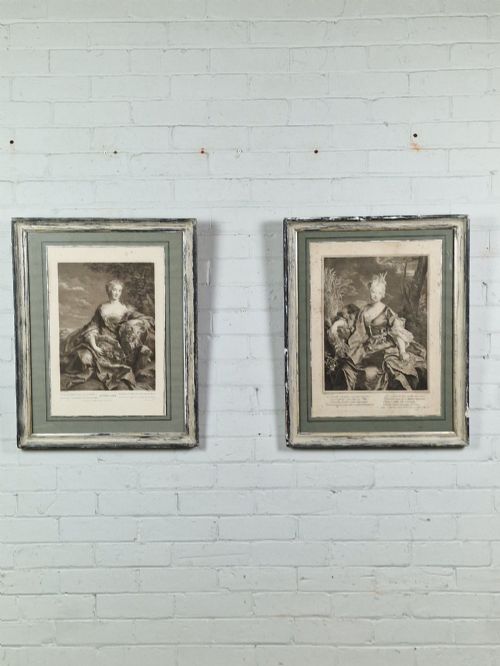
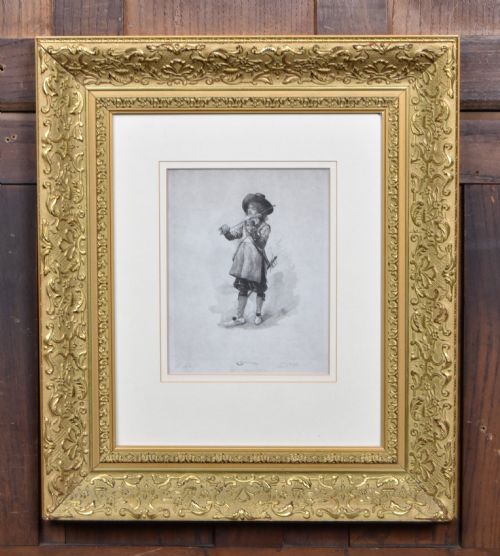
The most common items met on this page are paper and vellum prints housed in original frames, alongside nineteenth-century rural scenes, portraits, and signed artist proofs. These pieces reflect periods from the seventeenth century through to the mid-twentieth century, encompassing Georgian, Victorian, Art Nouveau, and Art Deco styles.
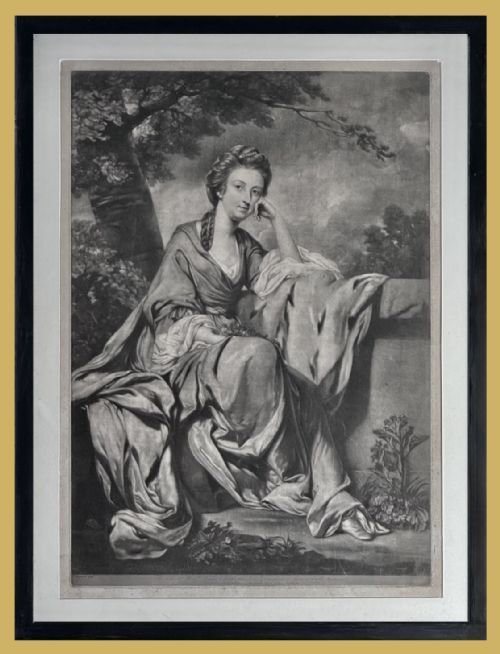
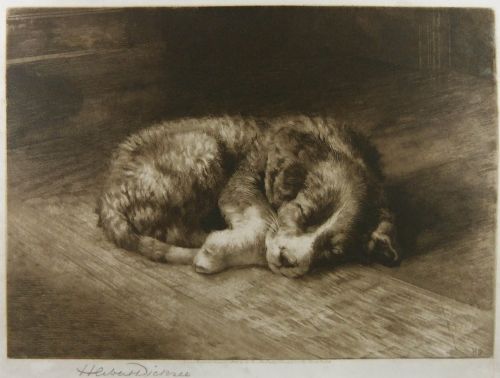
Collectors also find larger decorative wall prints, mezzotints, and stipple engravings created after masters such as Rembrandt, Poussin, and Sir Joshua Reynolds. The selection bridges intimate animal studies by artists like Herbert Dicksee with grand architectural and landscape compositions.
Materials and methods
Makers utilised high-quality paper and vellum as the primary ground for ink impressions, often employing copper plates for intaglio printing techniques such as etching, drypoint, and engraving. These traditional methods relied on acid biting or direct needle scoring to hold ink within recessed lines before transferring the image under pressure.
Glass and ceramic works in the selection involve complex manufacturing steps, including acid-etched cameo glass techniques seen in layered vases from the early twentieth century. Frames incorporate wood, gilt wood, and brass elements, frequently matching the period of the artwork they enclose.
Listings feature works spanning the seventeenth through to the mid-twentieth century, including seventeenth-century Dutch and French plates and early twentieth-century cameo glass.
Judging quality in prints and objects
Quality separates through the clarity of the plate impression and the preservation of fine lines on paper or vellum, where artist signatures and limited edition proofs distinguish superior impressions from standard restrikes. The crispness of the ink transfer indicates the wear state of the original metal plate during printing.
For three-dimensional objects like cameo glass vases and framed mirrors, the depth of the acid etching, the integration of multiple glass layers, and the integrity of the original wooden frame determine the overall calibre of the piece.
Herbert Dicksee·Emile Gallé·Louis Icart·Daum Frères·Francesco Bartolozzi·Anders Zorn
The Antique Etching Art Glossary
- Etching
- A printmaking process where an artist scratches a design through a protective ground on a metal plate, which is then submerged in acid to bite the lines before printing. This technique allows for fluid, expressive lines similar to a pen drawing.
- Drypoint
- An intaglio printmaking technique where the artist scratches directly into the metal plate with a sharp needle, raising a jagged ridge of metal called burr. This burr holds extra ink during printing, producing a rich, velvety line.
- Mezzotint
- A tonal printmaking method where the entire metal plate is roughened uniformly to produce solid black, then scraped and smoothed to create lighter areas and gradual tones. It was widely utilised for reproducing oil paintings and portraits.
- Cameo glass
- A luxury glass art technique involving multiple layers of coloured glass fused together and carved or acid-etched to create contrasting relief designs. This method gained prominence during the Art Nouveau period.
- Stipple engraving
- A printmaking technique that uses dots of varying density and size to create tonal gradations and form rather than continuous lines. Masters employed this method to render delicate flesh tones and textures in portraits.
Antique Etching Art: Frequently Asked Questions
What is an original etching?
An original etching is a print where the artist personally drew the design onto the metal plate and oversaw or executed the printing process. These works carry the distinct impression of the plate edges on the paper.
Unlike mechanical reproductions, each original impression possesses unique tonal variations and fine line work derived from the acid-biting process.
How do I care for antique paper art?
Antique prints on paper and vellum require protection from direct sunlight and high humidity to prevent fading and foxing spots. Framing with acid-free mounts and UV-filtering glass ensures long-term preservation.
Keep pieces away from heat sources and maintain stable indoor temperatures to protect both the paper support and any original wooden framing.
What is an artist proof?
An artist proof is an impression printed outside of the standard numbered edition, traditionally retained by the creator for their own reference or approval. These prints often exhibit exceptional clarity and sharpness.
Many collectors prize artist proofs because they frequently feature hand signatures and annotations written directly on the margin by the maker.
How do I distinguish an engraving from an etching?
An engraving is made by cutting lines directly into a metal plate with a sharp tool called a burin, resulting in precise, clean, and tapered lines. Etchings rely on acid to bite the lines into the metal, which produces slightly rounded edges under magnification.
Engravings often display a more rigid geometric precision, whereas etchings mimic the freehand movement of an ink pen.