






Sepia Tone Print
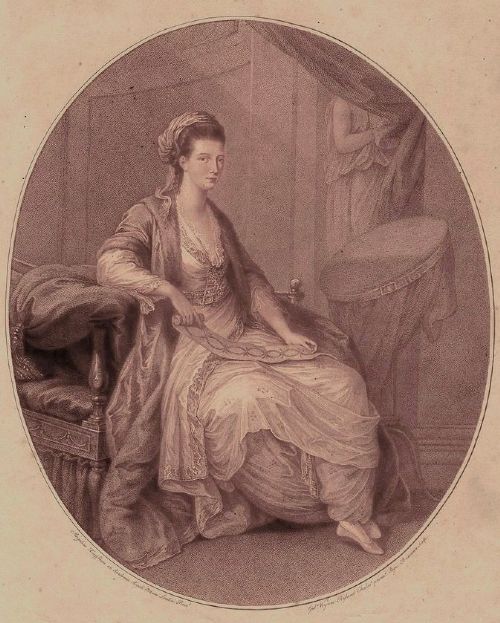
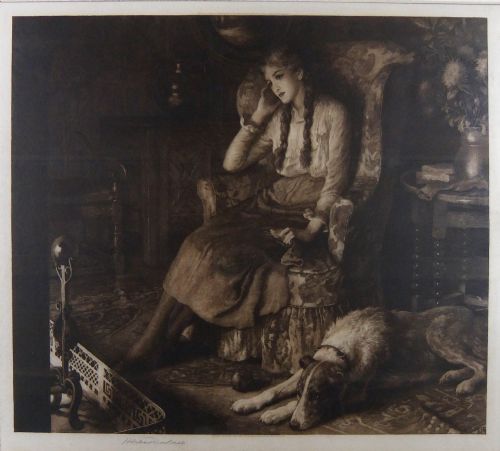
These sepia tone print examples span centuries of framed art and original prints, offering rich monochrome tones for your walls.
Sepia Tone Print
When you search for a sepia tone print, you encounter a diverse range of wall art, portrait prints, and etchings created across multiple centuries. The selection encompasses framed art prints, original prints, and engravings reflecting Georgian, Victorian, and Edwardian sensibilities.
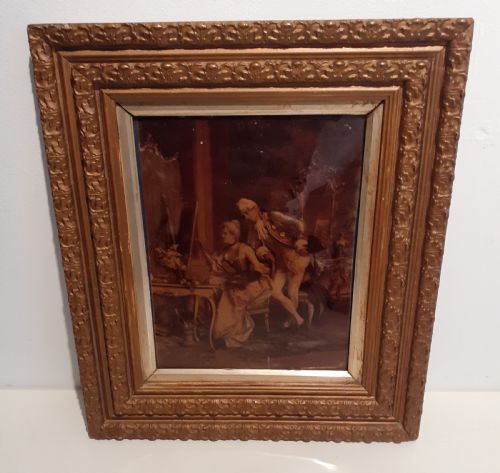
You are most likely to meet pieces executed on paper and glass, housed within wood, giltwood, and gesso frames. The forms vary from large Regency family depictions and 18th century reverse glass mezzotints to early 20th century realism and British sporting art.
How they were made
The construction of these works relies fundamentally on paper, ink, and glass, often combined with oil paint in specialised techniques like crystoleum. Makers utilised etching, engraving, lithography, and monochrome ink with watercolour to achieve tonal depth.
Framing forms an integral part of the physical object, utilising wood, gold leaf, and gesso to house the paper and glass components securely.
Materials documented across the listings include paper, glass, ink, wood, gold leaf, gesso, oil paint, and giltwood.
What varies in quality
Quality in these works rests upon the fidelity of the printing technique and the integrity of the materials, such as the crispness of an original etching or the preservation of reverse glass mezzotints. The sophistication of the framing, whether giltwood or gesso, contributes significantly to the overall presence of the piece.
The distinction between standard decorative plates and works by notable artists or draughtsmen lies in the execution of the line and the depth of the monochrome or sepia tones achieved on the paper.
Herbert Dicksee·Sir William Nicholson·John Boydell·Snaffles·Sir Muirhead Bone·Deidre Borlase
The Sepia Tone Print Glossary
- Etchings
- Prints produced by scratching a design through a protective ground on a metal plate, which is then acid-bit and inked. This technique allows for fine, expressive lines.
- Mezzotint
- A printmaking method where the copper plate is roughened uniformly to hold ink, creating rich darks and subtle tonal gradations when scraped. Reverse glass versions apply this directly beneath glass.
- Crystoleum
- A Victorian method of applying a transparent photograph or print to the inside of curved glass, then hand-colouring it with oil paint. It produces a luminous, three-dimensional effect.
- Lithograph
- A planographic printing process based on the repulsion of oil and water, enabling artists to draw directly onto a stone or metal plate. It captures painterly nuances effectively.
- Giltwood
- Wood that has been covered with a thin layer of gold leaf. It provides a traditional, reflective border for historic frames.
Sepia Tone Print: Frequently Asked Questions
What is a reverse glass mezzotint?
A reverse glass mezzotint involves applying the printed or worked image directly onto the reverse side of a glass panel. This technique creates a distinct glossy finish and protects the delicate ink underneath.
Such pieces often date to the eighteenth century and require careful handling due to the fragile nature of the glass support.
Can I expose these prints to sunlight?
Paper, ink, and watercolour elements are sensitive to direct ultraviolet light and can fade significantly over prolonged exposure. Placing them away from direct sun preserves the sepia tones and monochrome details.
Consider using specialist conservation glass if the room receives abundant natural light.
What periods do these artworks cover?
The selection spans from the Georgian and Regency eras through the Victorian and Edwardian periods into the early and mid twentieth century. Each era brings distinct stylistic traits, from Neoclassical portraits to realism and sporting art.
Materials and framing styles generally reflect the prevailing fashion of the specific decade in which the piece was produced.