

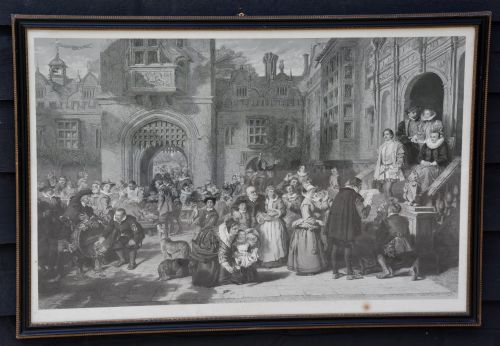
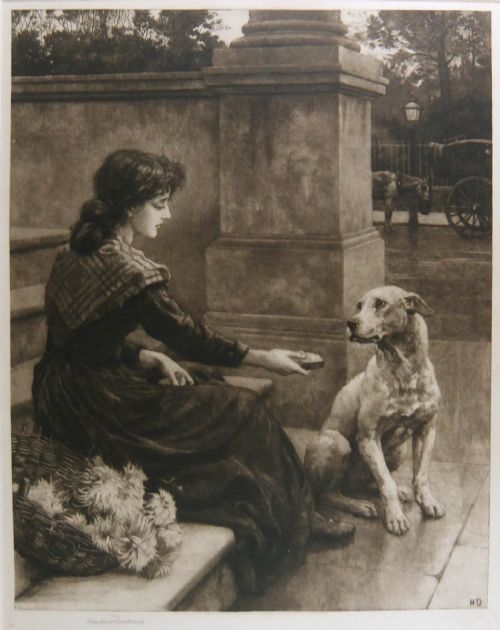
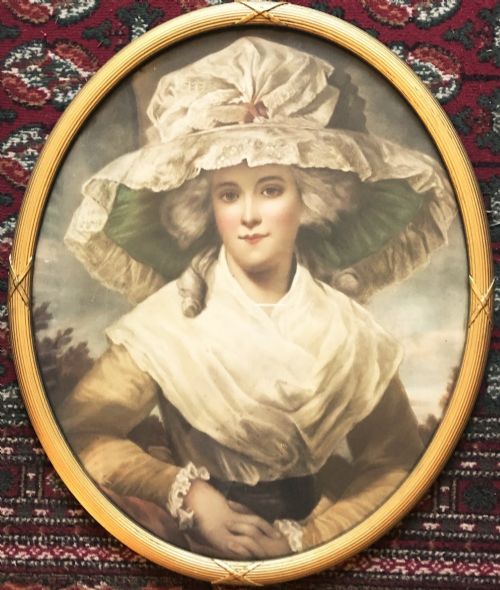
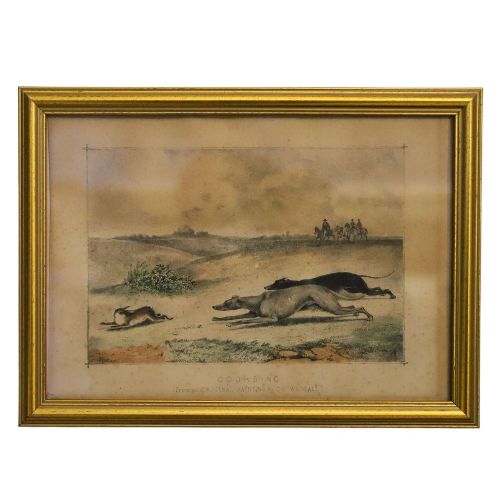
Victorian Original Print
These pieces gather the ink, watercolour and pigment of the nineteenth century into framed plates, etchings and botanical studies.
Victorian Original Print
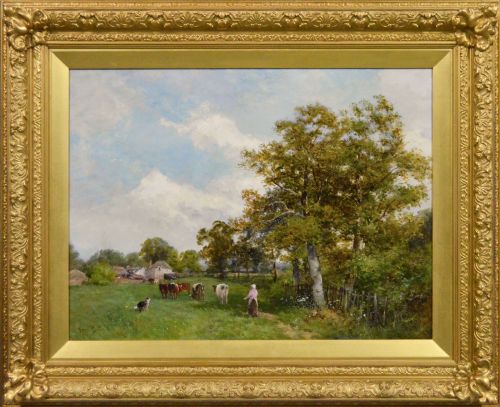
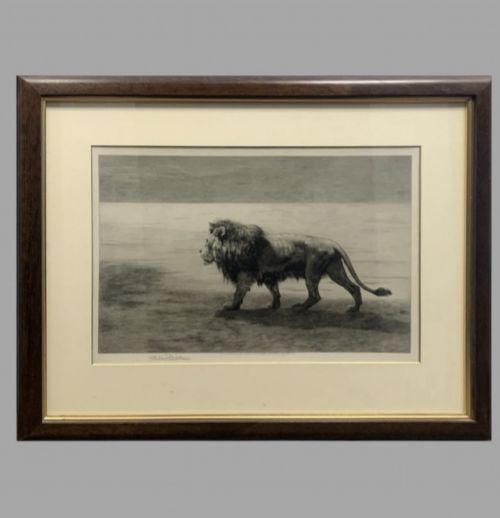
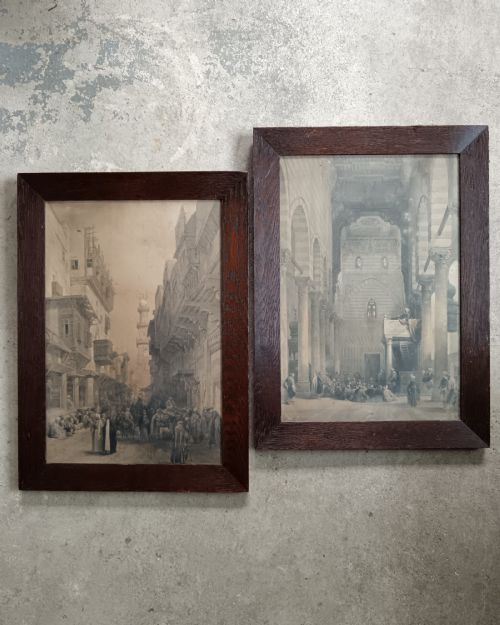
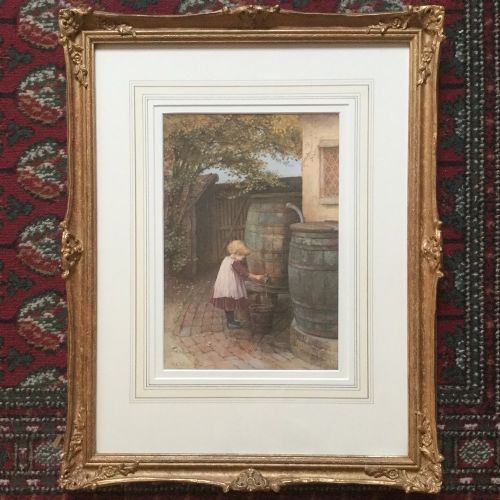
A victorian original print brings together nineteenth-century etchings, lithographs, engravings and botanical watercolours produced across the period. Buyers find works spanning pastoral landscapes, architectural drawings, animal studies and portraits.
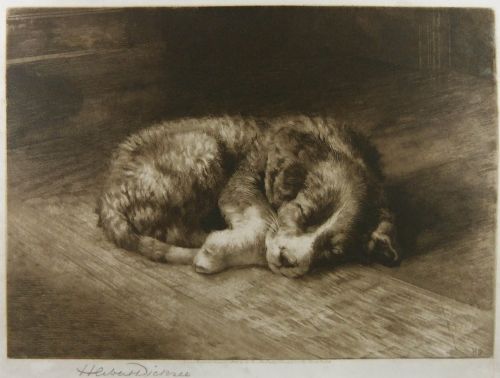
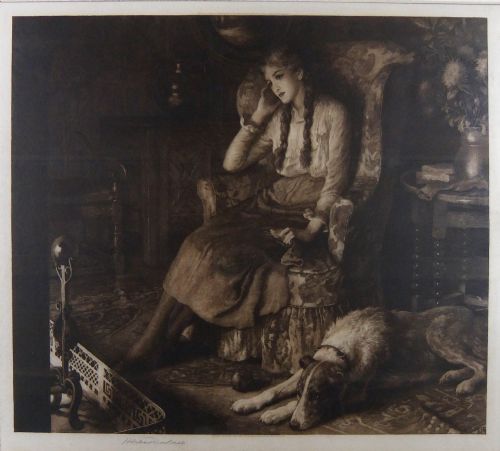
The material on this page leans heavily toward original etchings on vellum, hand-coloured botanical watercolours and chromolithographs preserved in period timber frames. Many pieces carry the signature or stamp of the artist or printmaker who created them.
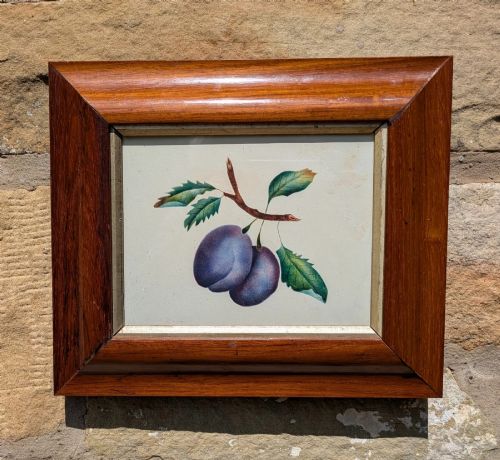
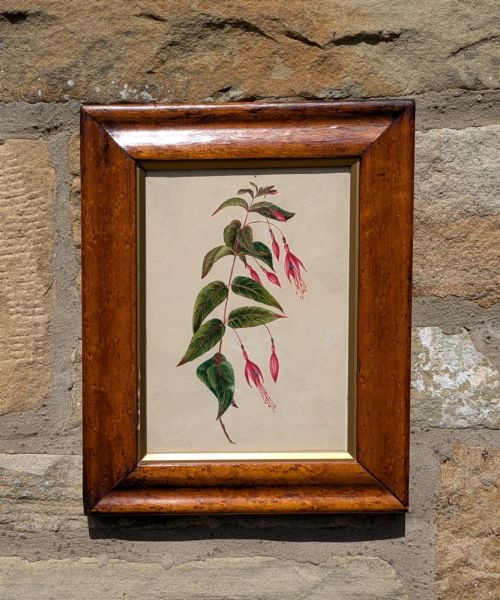
The selection ranges from intimate floral studies in rosewood frames to large architectural drawings and published folio plates. Each item represents a distinct method of nineteenth-century image reproduction or direct hand creation.
Materials and technique
Makers utilised paper, vellum and metal printing plates alongside rich black and sepia inks to produce these works. Hand-applied watercolour, oil paints and gold leaf frequently enhance the printed line or form.
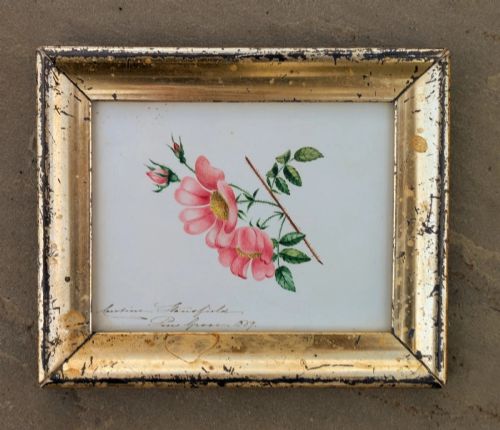
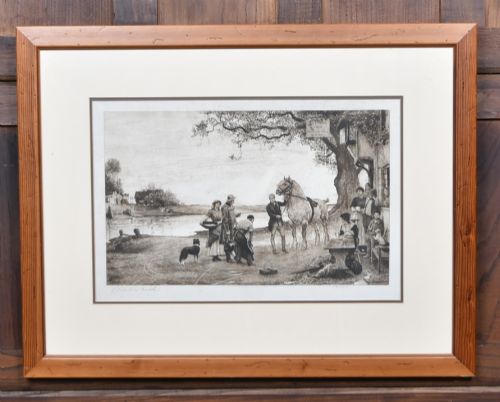
Framing materials include gilt wood, rosewood and original Hogarth mouldings that protect the fragile paper substrates beneath glass. Lithographic stones, metal plates and drypoint needles created the underlying matrices for the printed editions.
The inventory records pieces framed in original Hogarth mouldings, gilt wood and rosewood alongside loose double-page periodical plates.
Quality and execution
The strength of the impression and the crispness of the plate mark distinguish a superior etching from a worn secondary strike. Richness of ink density across vellum or heavy paper indicates careful pulling from the press.
The presence of artist signatures, pencil inscriptions and contemporary framing adds considerable weight to a piece. Preservation of original hand-colouring without fading separates fine botanical watercolours and chromolithographs from standard examples.
Alfred Young Nutt·David Bates·Herbert Dicksee·Robert W Macbeth·C H Weigall·David Roberts RA·Louis Haghe·Charles Edward Wilson·Charles Burton Barber·Arthur Hopkins·James Dobie·W Dendy Sadler·Joseph Kirkpatrick·Samuel Sidley·Charlotte Isa James·Henry Wimbush·William Mellor·Joseph Hansom·Thomas Leeson Rowbotham·J W Carmichael
The Victorian Original Print Glossary
- Etching
- A printmaking technique where lines are bitten into a metal plate with acid before ink is applied and transferred to paper under pressure. This process allows for fine, expressive detail and deep tonal variation.
- Lithograph
- A planographic printmaking method based on the mutual repulsion of oil and water upon a flat limestone or metal surface. Artists draw directly onto the stone to achieve painterly results.
- Chromolithograph
- A colour lithograph produced by using multiple stones, one for each distinct hue applied to the sheet. This technique created vibrant, multi-coloured plates popular for periodical illustration.
- Drypoint
- An intaglio printmaking process where the artist scratches directly into a metal plate with a sharp needle, raising a burr that holds ink for velvety lines. Early impressions show the distinct soft edge of this burr.
- Vellum
- A fine parchment prepared from calfskin, prized by printmakers for its smooth, durable surface that accepts ink and colour with exceptional clarity. Etchings pulled on vellum often display superior tonal depth.
Victorian Original Print: Frequently Asked Questions
How do I care for antique paper?
Keep framed pieces away from direct sunlight and damp environments to prevent fading and foxing on the paper or vellum.
Ensure that glazing does not rest directly against the surface of the print to allow the material to breathe naturally.
What is an artist proof?
An artist proof is an impression pulled outside of the main numbered edition specifically for the creator to inspect.
These early strikes often carry distinct pencil signatures or annotations and represent the finest quality of the plate.
How were these prints originally displayed?
Middle and upper-class homes displayed framed etchings, watercolours and architectural drawings on parlour walls to signal taste and education.
Publishers also issued works bound within folios or specialised periodicals like Vanity Fair for collectors to mount or keep in portfolios.
Are all items hand coloured?
Botanical watercolours and certain lithographs received individual applications of watercolour by hand after printing to bring realism to petals and plumage.
Chromolithographs achieved colour through multiple printed passes rather than subsequent brushwork, though both methods were common.