




Late Victorian Print
These late victorian print examples bring historic character to a room, offering genuine period atmosphere through paper, ink and glass.
Late Victorian Print
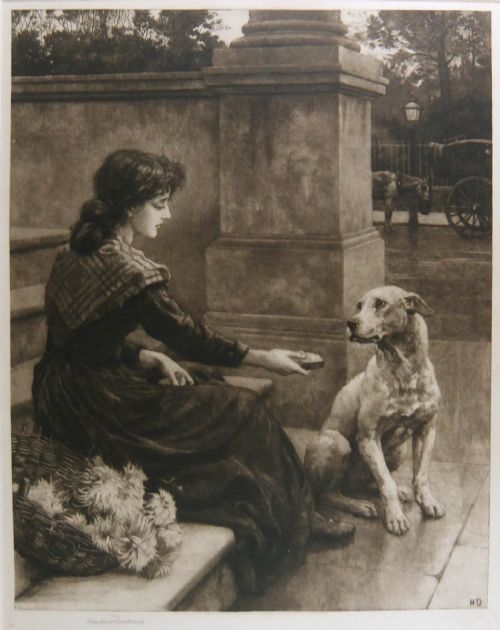
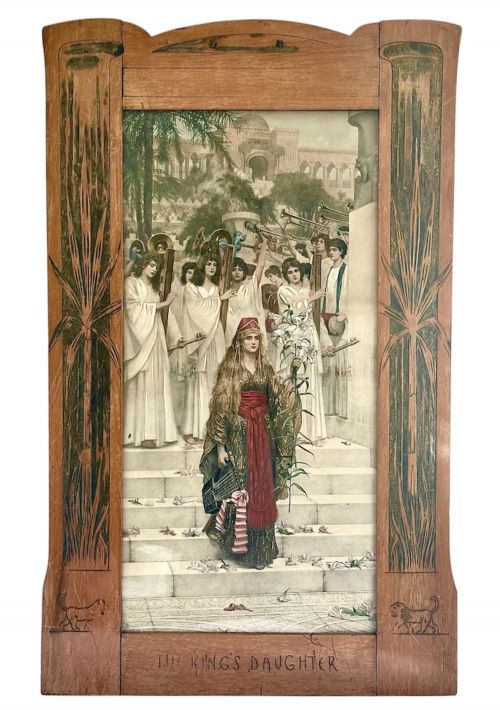
When you search for a late victorian print, you encounter a varied assortment of framed artworks, advertising pieces, and decorative textiles from the nineteenth century and subsequent decades. The selection includes original etchings, chromolithographs, and advertising ephemera that capture the aesthetic tastes of the period.
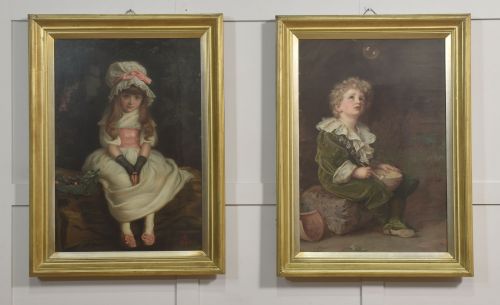
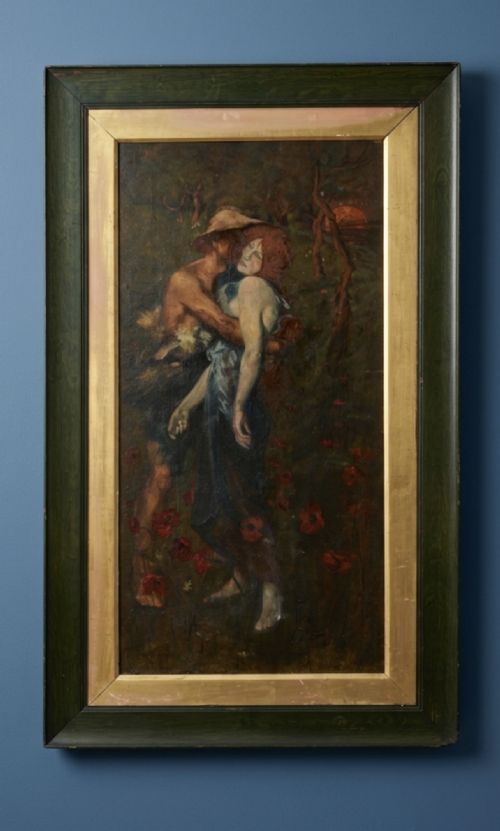
You are most likely to meet framed prints alongside works on paper and advertising items such as Pears soap images. These objects reflect diverse visual styles ranging from Victorian landscape art and symbolism to early advertising and portraiture.
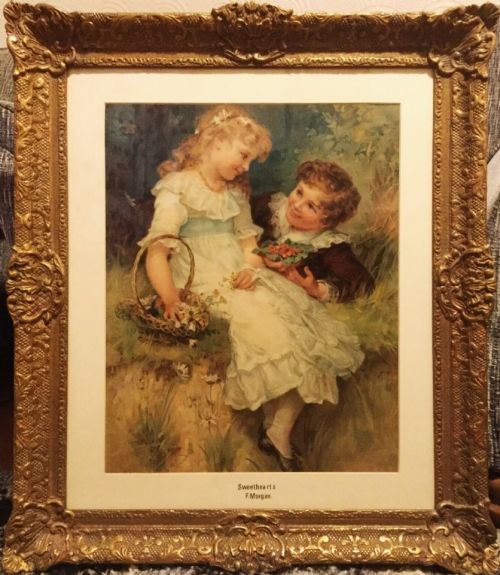
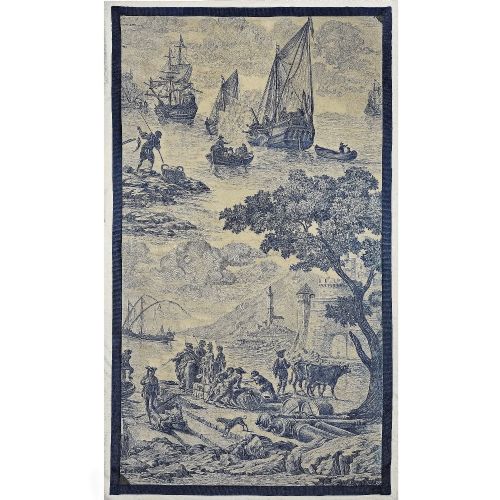
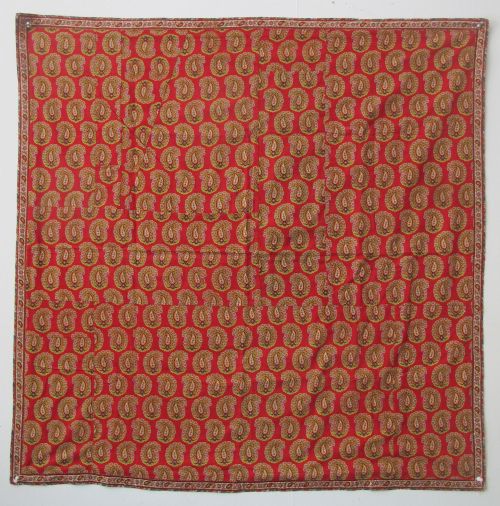
The materials span simple paper and ink housed in wooden frames to delicate gilt wood surrounds and textiles such as cotton and toile panels. Each piece offers a tangible link to historical domestic interiors and commercial graphic design of the era.
How they were made
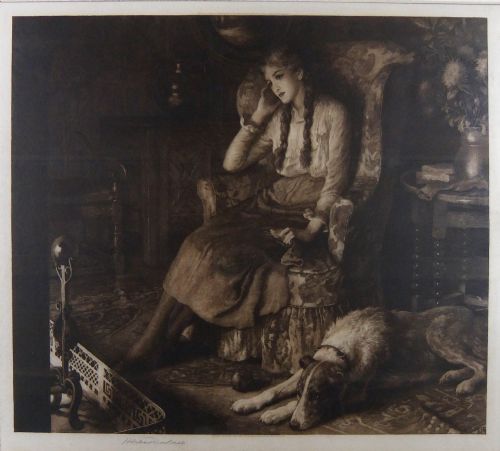
The manufacture of these works relies fundamentally on paper and ink, utilised across traditional printing methods like etching, photogravure, and chromolithography. Artists and publishers applied pigment to paper surfaces, occasionally employing hand-colouring or mixed media techniques to enhance the visual depth.
Framing materials commonly feature wood, mahogany, and gilt wood, often protected behind glass to preserve the delicate paper components within. Textile items incorporate cotton and blockprinting methods, demonstrating skilled hand-applied colour and pattern formation on fabric panels.
Listings feature paper, glass, wood, ink, gilt wood, cotton, and mahogany across Victorian and Edwardian periods.
What varies in quality
Quality differences stem from the fidelity of the printing technique and the artistic merit of the original composition. Master printmakers and established artists produce works with superior line definition and tonal gradation compared to standard commercial reproductions.
The condition and integrity of the materials dictate much of the overall standard, particularly regarding the preservation of paper, the crispness of ink, and the originality of the frame. Intact framing using period woods like mahogany holds greater visual appeal than later replacements.
Herbert Dicksee·Alfred Young Nutt·Charles Burton Barber·K & K Hof Atelier Pietzner
The Late Victorian Print Glossary
- Chromolithograph
- A multicolour planographic printing process used to produce vibrant graphic images on paper. This technique allowed commercial and fine art prints to display rich palettes.
- Etching
- A printmaking process where acid bites into a metal plate to hold ink before transferral to paper. This method yields fine, expressive lines controlled by the artist.
- Photogravure
- A printmaking technique producing a photographic image on a copper plate for printing. It creates continuous tones similar to a photograph.
- Crystoleum
- A method of applying a hand-coloured paper print to glass, clearing the paper, and painting behind it. This creates a luminous, three-dimensional portrait effect.
- Toile
- A traditional fabric panel featuring a monochrome printed repeating scene, often in pastoral or botanical themes. These textiles frequently decorate period interiors.
Late Victorian Print: Frequently Asked Questions
How should I frame an antique print?
Select simple wood or gilt surrounds that complement the period of the artwork without overpowering the composition. Ensure conservation-grade materials protect the paper from light exposure.
Keep the mounting sympathetic to nineteenth-century presentation styles by avoiding overly modern mats or synthetic backing boards that can trap moisture.
Where were these prints displayed originally?
Homeowners in the period placed framed artworks in parlours, studies, and drawing rooms as marks of refinement and cultural literacy. Advertising pieces often appeared in public shops or domestic hallways.
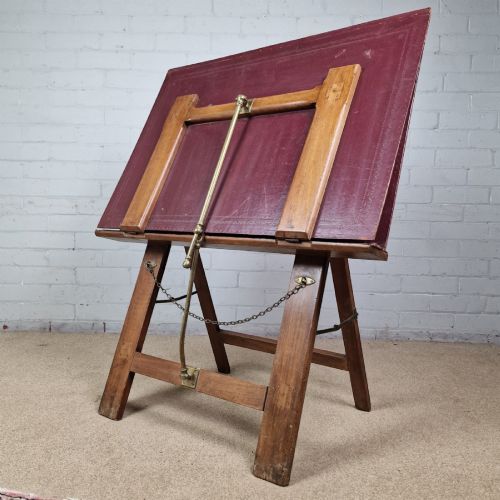
Folio stands kept large collections of loose prints and watercolours organised for viewing by guests without risking damage on walls.
How do I distinguish a lithograph from an etching?
Examine the surface under magnification to spot the flat, dotted pattern characteristic of lithography versus the slightly raised ink lines left by intaglio printing. Etchings show a distinct platemark impressed into the paper.
Printed dots indicate a mechanical reproduction, whereas linear depressions reveal metal plate pressure against the sheet.
Can I hang these prints in sunlight?
Direct sunlight causes paper to yellow and inks to fade rapidly, diminishing the tonal contrast of nineteenth-century works. Position them away from unshaded windows to preserve the pigments.
Utilising UV-filtering glass provides an extra layer of defence against environmental light degradation over time.