
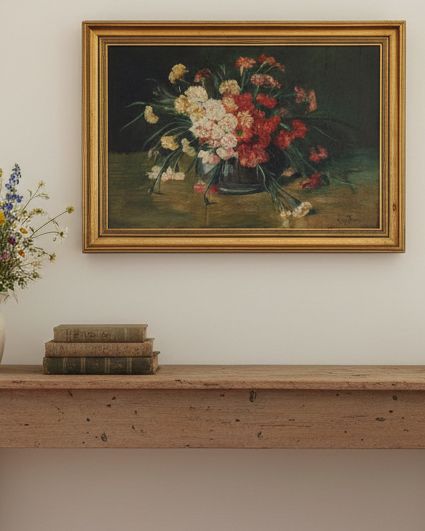
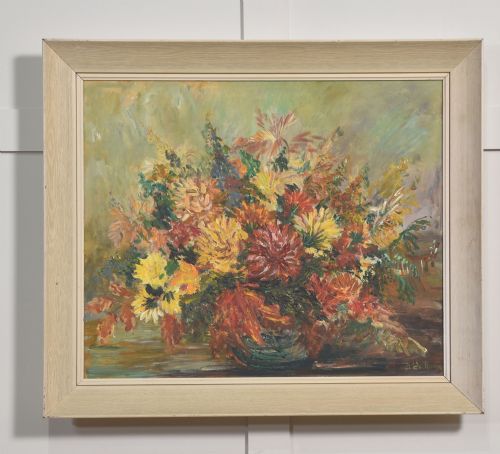
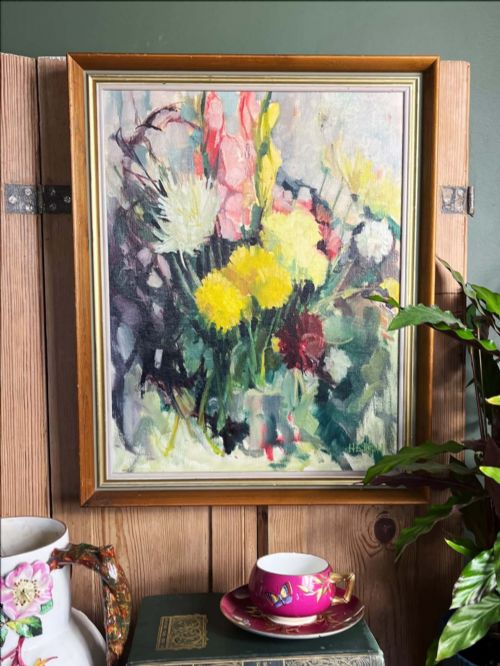
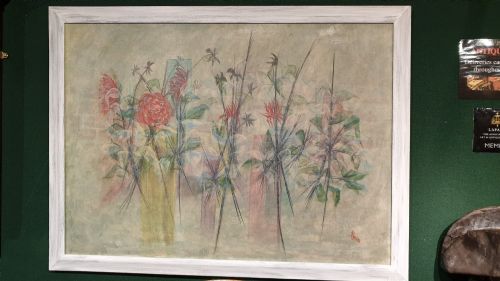
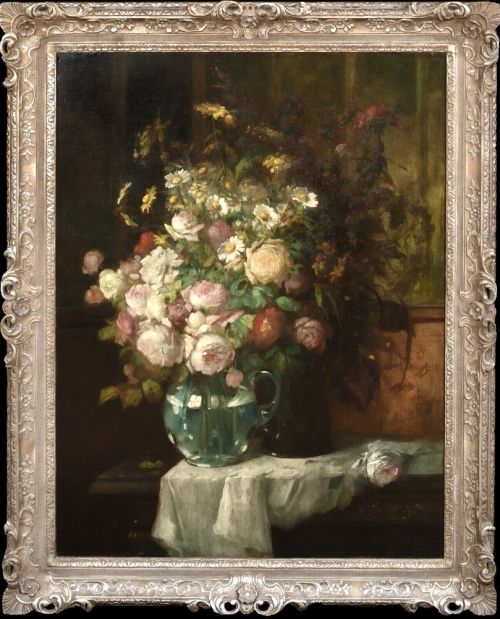
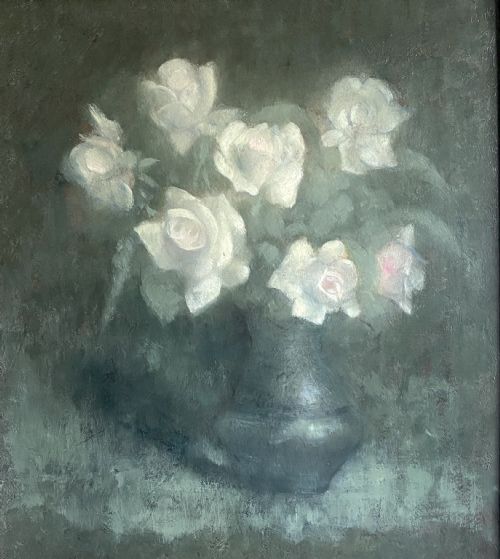
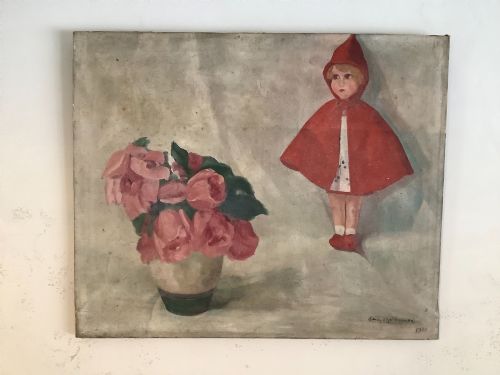
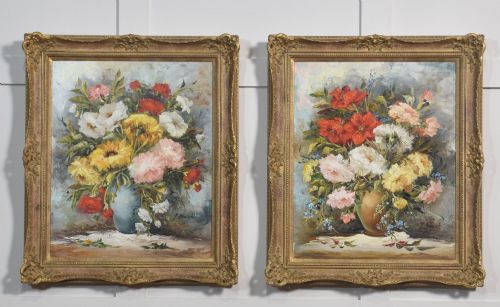
Original Floral Still Life
An original floral still life captures arranged blooms on canvas, board or paper, offering enduring colour and traditional decorative appeal for any interior.
Original Floral Still Life
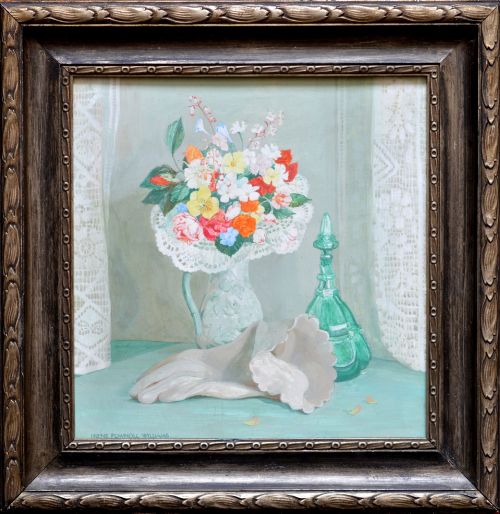
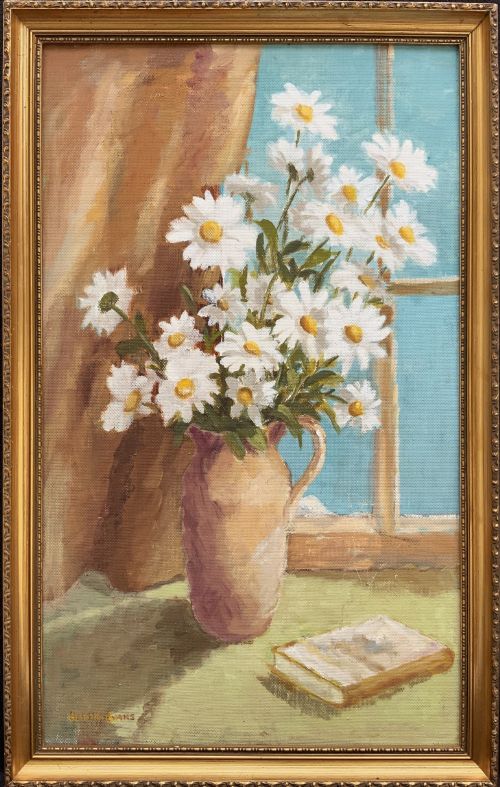
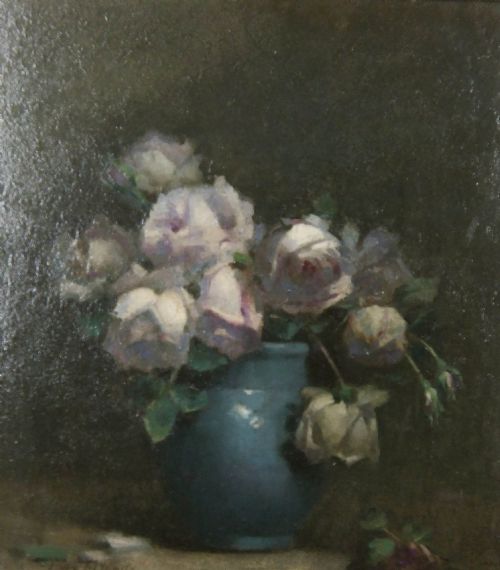
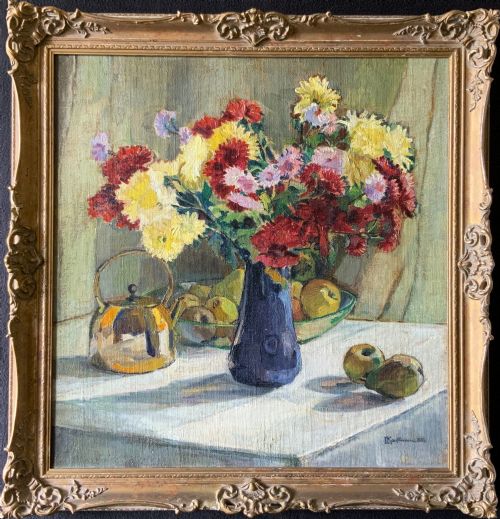
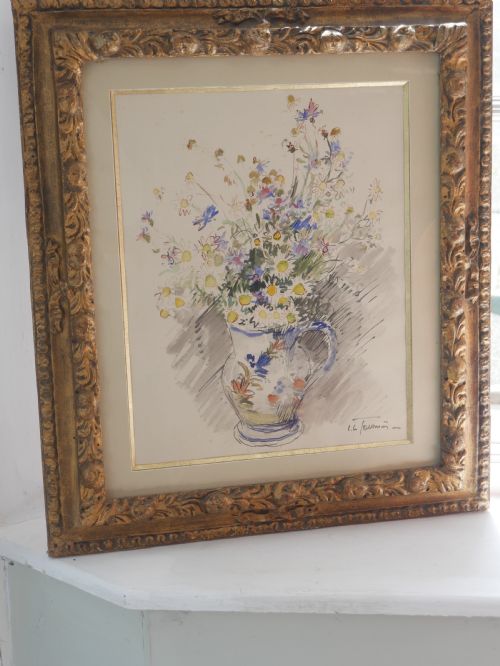
An original floral still life brings together painted depictions of cut flowers, vases, and interior settings spanning from the late nineteenth century through to the mid-twentieth century.
Buyers exploring this selection encounter oil paintings on canvas and board alongside watercolours on paper, reflecting movements from Victorian naturalism to mid-century impressionism.
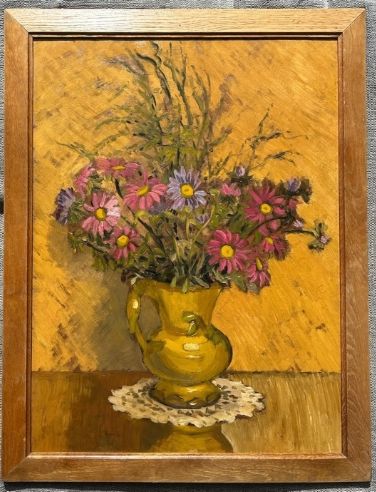
The most common formats on this page include mid-century oil paintings and twentieth-century watercolours depicting summer blooms, roses, and vases.
How They Were Made
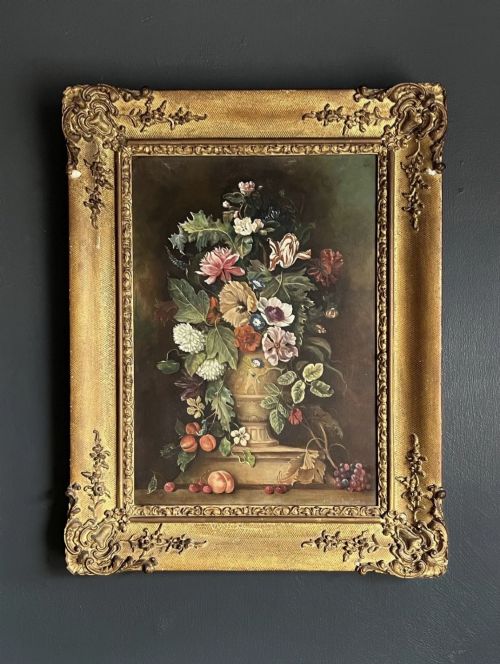
Artists utilised oil paint and watercolour applied to woven canvas, rigid wood panels, metal supports, and heavy paper, often framing the finished compositions in gilt gesso or simple wood surrounds.
Brushwork varies from the smooth, detailed realism of nineteenth-century studies to the looser, textured applications seen in impressionist and post-impressionist works of the twentieth century.
Original Floral Still Life Retail Price Guide 2026
Typical asking prices for original floral still life among the pieces listed under this phrase on Sellingantiques today, from the lower quarter to the upper quarter. They describe what is for sale here now, not the wider market.
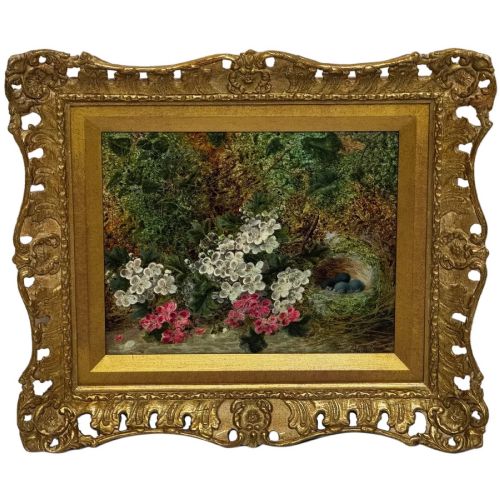
Birds' nests and bowls of fruit occasionally share the canvas with the floral displays.
What Varies in Quality
The strength of a composition lies in the handling of light, colour harmony, and the confident placement of botanical subjects within their pictorial space.
Execution ranges from competent student or naive works to confident pieces by established regional and continental artists showing assured handling of paint and form.
Oliver Clare·Konstantin Stoitzner·William Thomas Wood·Owen Bowen·James Tower·Lester Sutcliffe
The Original Floral Still Life Glossary
- Oil paint
- A slow-drying medium consisting of pigment suspended in a drying oil, typically linseed, allowing for rich colour depth and blended tones. It dominates the nineteenth and twentieth-century selections here.
- Watercolour
- A painting method where water-soluble pigments are suspended in a water-based solution on paper, prized for luminosity and transparency. Works in this medium frequently capture delicate botanical studies.
- Impressionism
- A nineteenth-century painting style characterised by relatively small, thin yet visible brush strokes and an emphasis on accurate depiction of light. This approach appears frequently in twentieth-century floral pieces.
- Gesso
- A plaster-like binder mixture applied to wood panels or moulding frames to prepare a smooth surface for painting or gilding. Many period frames utilise this technique for decorative relief.
Original Floral Still Life: Frequently Asked Questions
What periods do these paintings cover?
The works span from the late nineteenth century through the art nouveau and art deco periods into the mid-twentieth century.
Mid-century and twentieth-century examples sit alongside Victorian and Edwardian pieces throughout the listings.
What materials were used by the artists?
Artists employed oil paint on canvas, wood panels, metal, and board, alongside watercolour on paper.
Gilt gesso frames frequently accompany the canvases and panels.
How do I hang a framed oil painting?
Ensure the wall fixings match the weight of the wooden or gesso frame provided with the canvas or panel.
Keep paintings away from direct sunlight and fluctuating humidity to protect the paint layer.
How do I identify an impressionist floral painting?
Impressionist works show visible brush strokes, loose handling of petals, and an emphasis on light rather than tight botanical precision.
Such pieces often date from the late nineteenth to the mid-twentieth century.