



Framed Architectural Lithographs
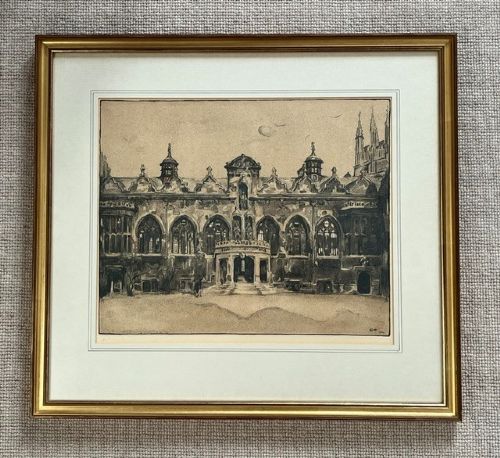
Framed architectural lithographs capture historic buildings, college quadrangles, and grand ruins on paper behind glass, offering a scholarly focal point for any study.
Framed Architectural Lithographs
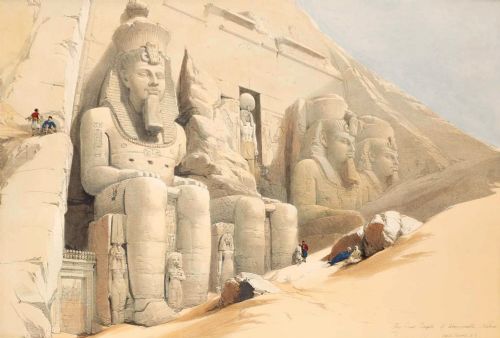
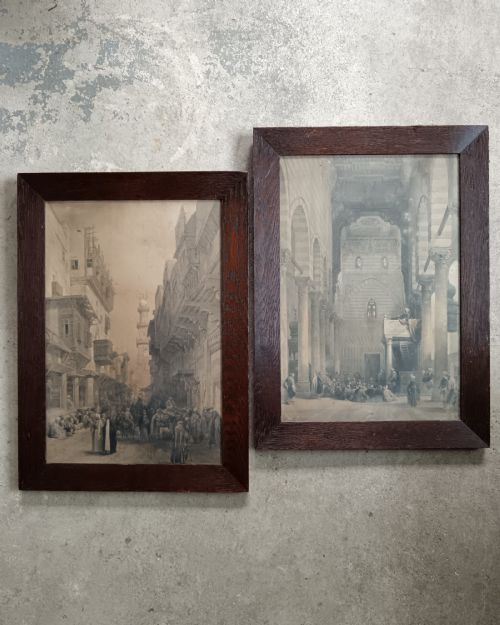
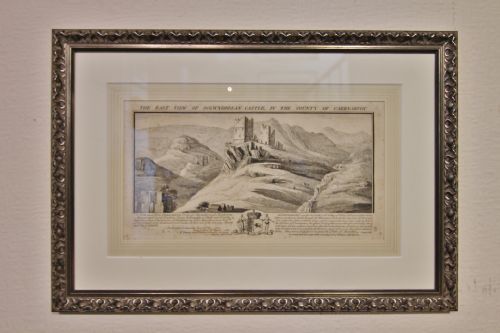
Framed architectural lithographs represent printed depictions of buildings, interiors, plans, and historic sites mounted behind glass in wood or gilt frames. These works span periods from the eighteenth century through the Victorian and Edwardian eras, encompassing styles such as Victorian Orientalism, Georgian, and Biedermeier.
Buyers encountering this selection will find subjects ranging from Oxford college quadrangles and Scottish estates to French industrial plans and Near Eastern monuments. The physical objects combine ink on paper with period framing materials like oak, ebonised wood, and gold leaf.
The origin of these pieces stretches across British, French, and German presses, capturing everything from ecclesiastical interiors and Welsh castles to tile designs from the Bosphorus. Each piece provides a window into past architectural draughtsmanship and nineteenth-century print culture.
How they were made
Lithography relies on the chemical repulsion of oil and water on a flat limestone matrix, allowing artists to draw directly onto the stone with greasy crayons or ink before printing onto paper. Many examples in this collection feature hand-applied watercolour washes over the monochrome ink lines to add depth to buildings and landscapes.
The resulting prints are housed in contemporary or original wooden frames, frequently utilising oak, ebonised wood, or carved mouldings enhanced with gold leaf and protected beneath glass.
Some nineteenth-century architectural prints still carry the faint scent of old church incense and damp rectories.
What varies in quality
The distinction between standard works and superior examples rests upon the clarity of the lithographic line, the precision of any hand-applied colouring, and the fidelity of the architectural draughtsmanship. Master printmakers and renowned artists achieve a remarkable crispness in stonework and perspective that lesser jobbing presses miss.
The integrity and age of the surrounding frame also influence the overall character of the piece, with original period mouldings and gold leaf mounting holding greater historical harmony with the print inside.
Sir William Nicholson·David Roberts·Louis Haghe·T.M Baynes·R.P. Phillimore·Otto Pilny
The Framed Architectural Lithographs Glossary
- Lithograph
- A print produced by drawing on a limestone slab or metal plate with a greasy substance so that ink adheres only to the drawn areas. This technique allowed for subtle tonal gradations and faithful reproductions of architectural drawings.
- Gilt Wood
- Timber framing coated with a thin layer of gold leaf or metallic paint. It was commonly utilised in the nineteenth century to provide a rich border for works on paper.
- Ebonised Wood
- Timber treated with a chemical stain or finish to imitate expensive ebony. This dark framing style was popular during the Victorian period for providing high visual contrast.
- Orientalism
- An artistic style depicting scenes, architecture, and peoples of the Middle East and North Africa. It appears frequently in nineteenth-century travel prints and architectural portfolios.
Framed Architectural Lithographs: Frequently Asked Questions
How do I hang these heavy frames?
Most framed lithographs require secure picture wire fixed directly into wall studs or heavy-duty masonry fixings due to the weight of the glass and wooden mouldings. Ensure the hanging point matches the width of the frame to prevent tilting over time.
Keep the works away from direct sunlight and damp walls to protect the paper ground and the integrity of the ink and watercolour pigments beneath the glass.
Are these prints original to their dates?
The dates associated with these pieces reflect the original year of publication or the active period of the artist and press. Lithography was the primary commercial medium for reproducing architectural plans and views during the nineteenth century.
Examining the paper stock, ink saturation, and framing remnants helps confirm the period provenance of each individual sheet.
How should I clean the glass?
Apply a mild glass cleaner to a soft cloth rather than spraying the liquid directly onto the frame. This prevents moisture from seeping under the edge of the glass and damaging the antique paper within.
Dust the wooden or gold leaf mouldings gently with a dry, soft brush to preserve the surface finish without disturbing the mitre joints.
Can I remove the print from the frame?
Opening historic frames often disrupts archival backing papers and puts fragile nineteenth-century paper at risk of tearing or acid contamination. It is best to leave the assembly intact to protect the physical condition of the lithograph.
Framing methods from the Victorian and Edwardian periods formed an integrated protective housing that should remain undisturbed by amateur hands.