

Framed French Prints
Framed french prints bring decorative wall art into a room, offering historical engravings, vintage posters and delicate watercolours ready to hang.
Framed French Prints
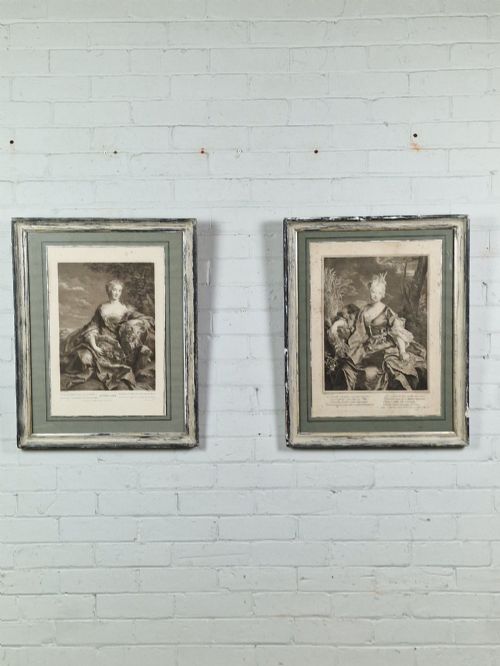
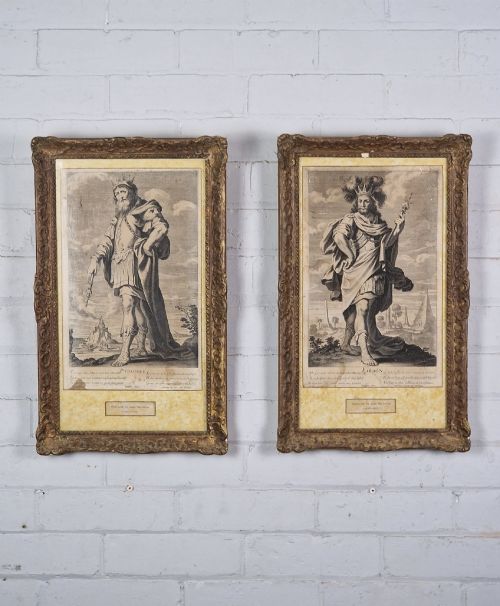
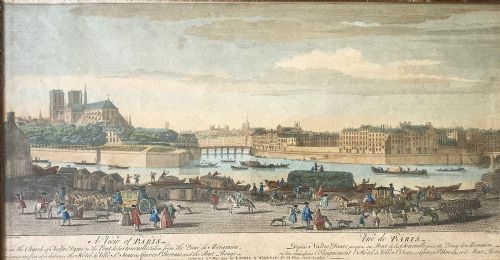
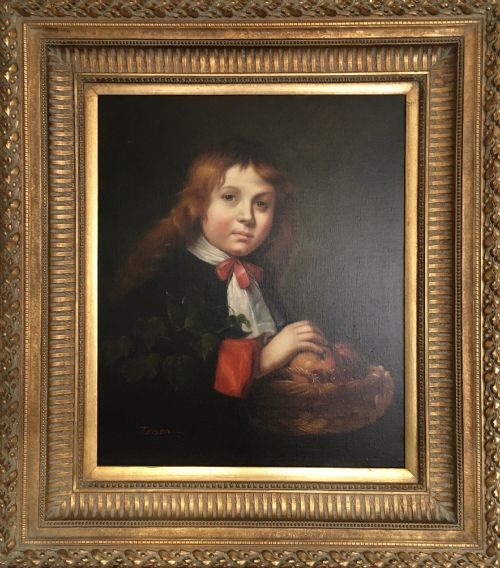
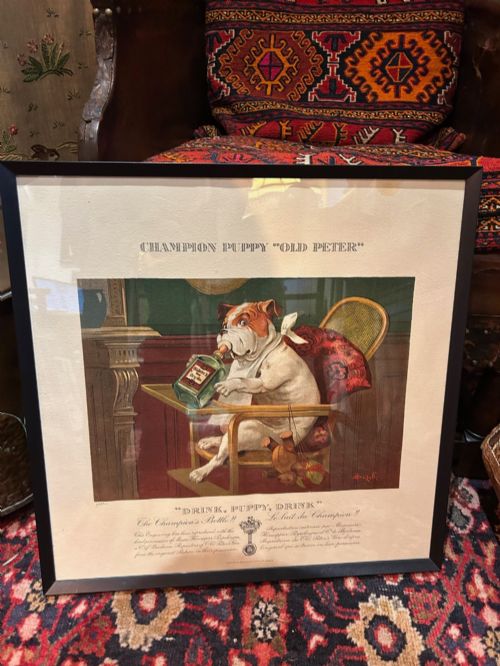
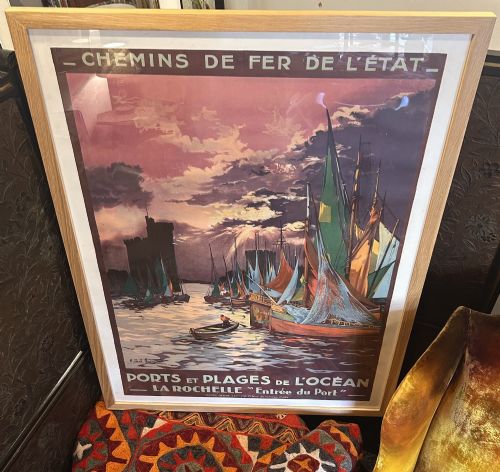
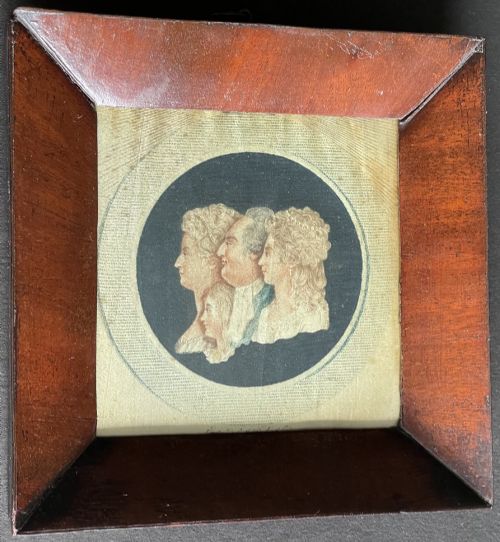
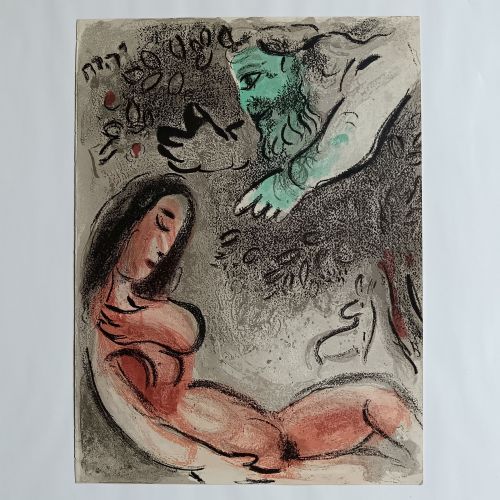
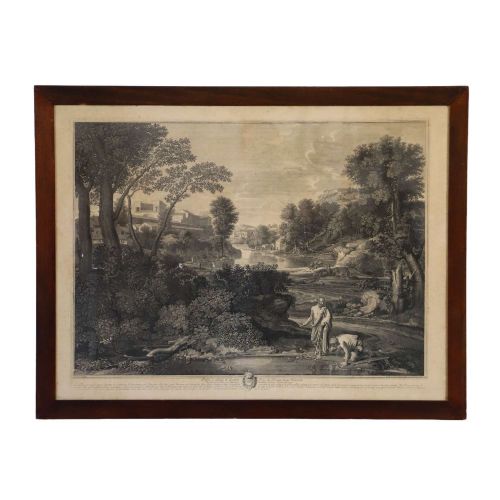
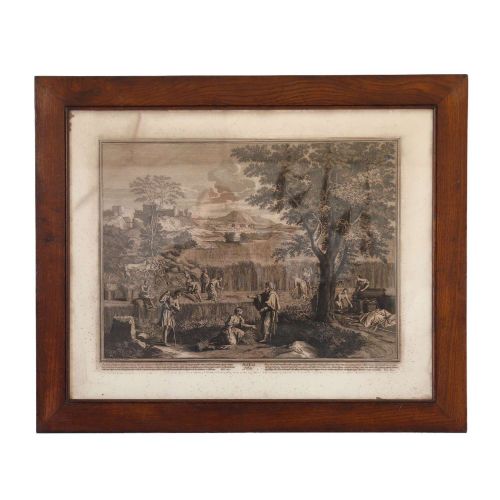
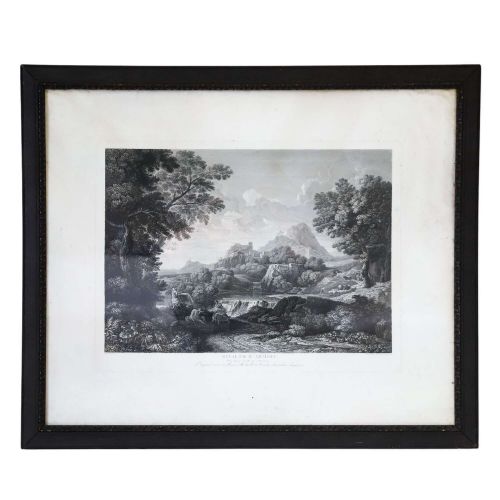
When you search for framed french prints, you encounter a diverse collection of wall art spanning multiple centuries, from eighteenth-century engravings to mid-century lithographs. The selection includes architectural plans, natural history illustrations, botanical studies, and theatrical posters, all housed behind protective glass. These pieces capture distinct historical eras of French graphic design, fine art publishing, and cartography.
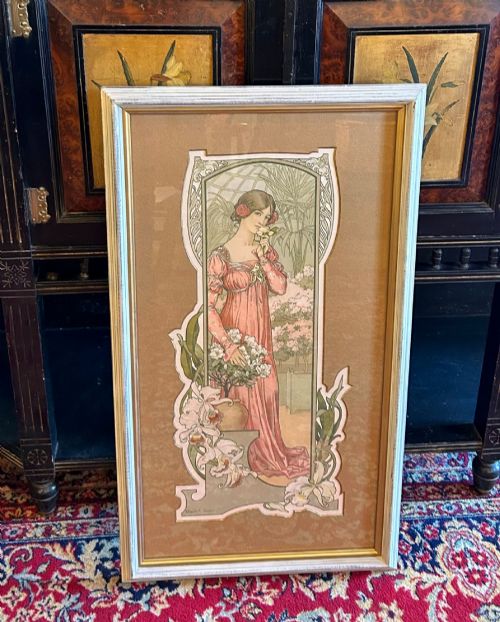
You are most likely to meet eighteenth-century copperplate engravings or early twentieth-century decorative prints on this page. Many examples arrive preserved in period wood or gilt frames that complement the tonal depth of the paper within. Whether depicting classical mythology, topographical maps of the Georgian era, or Art Nouveau botanical plates, each item serves as an authentic window into past visual culture.
How they were made
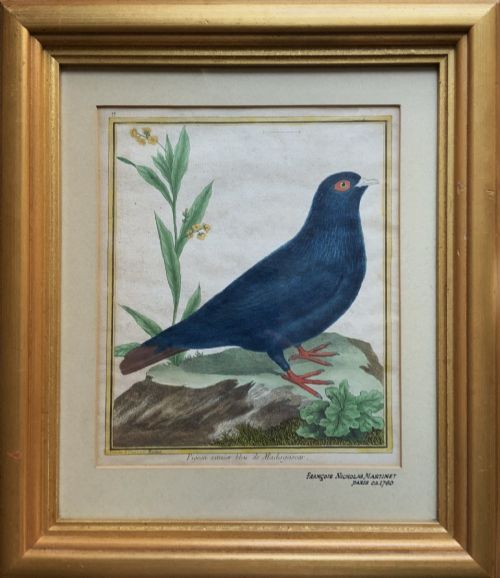
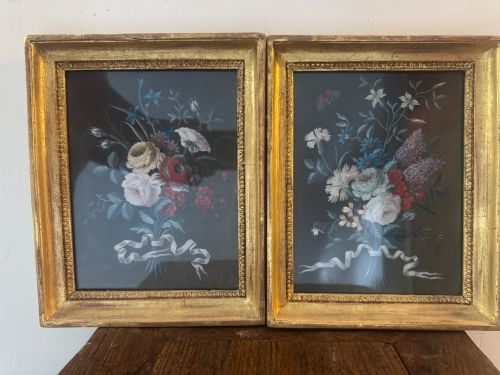
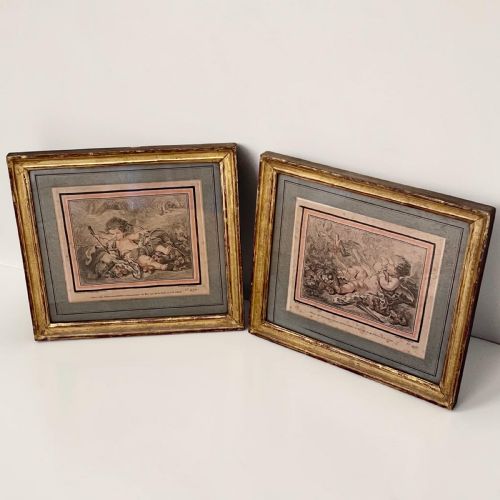
The physical objects rely primarily on paper sheets marked by ink through engraving, etching, lithography, or woodblock printing techniques. Many early examples feature delicate hand colouring applied with watercolours over monochrome printed lines. Other twentieth-century specimens utilise offset lithography or photographic contact printing methods to capture fine detail.
Surrounding these works are protective wooden frames, occasionally finished with gold leaf, gilt wood, or simple painted surfaces. Glazing of varying thickness protects the fragile paper underneath from atmospheric dust and moisture. Original mount boards and backing papers frequently accompany the framing, maintaining the structural integrity of the artwork over decades.
Listings span multiple eras, encompassing eighteenth-century copperplate engravings, Georgian cartography, and mid-century lithographs on paper.
What varies in quality
The distinction between tiers often lies in the crispness of the impression and the fidelity of any applied hand colouring. Early strikes from copper plates yield sharp, distinct lines, whereas worn plates produce softer, muddier imagery. The vibrancy and preservation of original hand-applied watercolours or inks heavily influence the visual impact of botanical and figurative subjects.
Framing materials and overall preservation also dictate the standing of a piece. Original period frames bearing authentic gilding or age-appropriate patination elevate an item above those housed in modern replacements. Furthermore, the condition of the paper itself - free from heavy foxing or severe fading - governs the desirability of the graphic work.
Jean Mariette·François-Nicolas Martinet·Elisabeth Sonrel·Marcellin Auzolle·Marc Chagall·Louis Icart·Julian Mandel
The Framed French Prints Glossary
- Engraving
- A printmaking process where an artist cuts lines directly into a metal plate using a burin. The resulting ink channels create sharp, highly detailed images when pressed onto paper.
- Lithography
- A planographic printing method based on the chemical repulsion of oil and water. It allows for smooth tonal gradations and precise reproduction of hand-drawn illustrations.
- Etching
- A technique where acid bites lines into a metal plate covered in an acid-resistant ground. This process produces fluid, expressive lines favoured by artists across various centuries.
- Foxing
- Brown spots and discolouration that appear on old paper due to chemical reactions involving iron impurities. Collectors often look for minimal foxing to judge the preservation state.
- Gilt wood
- Wood carved and coated with a thin layer of gold leaf or metallic powder. This finish is frequently found on period frames surrounding eighteenth and nineteenth-century works.
Framed French Prints: Frequently Asked Questions
How should I hang these prints safely?
Use picture hooks rated well above the weight of the wood and glass frame to secure the piece firmly to the wall. Ensure the hanging wire or brackets on the back are structurally sound before mounting.
Keep the artwork away from direct sunlight and damp environments to prevent fading of the paper and degradation of the wooden frame over time.
Are these frames original to the pieces?
Some works retain their original eighteenth or nineteenth-century frames, complete with period gilding and joinery. Others have been reframed at later dates to protect fragile paper or to suit modern interior aesthetics.
Checking the backing boards and the fit of the rebate can often reveal whether the framing is contemporary with the print.
How do I identify a lithograph from an engraving?
Engravings leave a distinct impression or plate mark in the paper where the metal edge was pressed down under heavy pressure. You can often feel this indented border running just outside the printed image area.
Lithographs generally lack this platemark because the printing surface is flat rather than depressed, relying instead on chemical ink adhesion.
What is hand-coloured printmaking?
Hand-coloured prints started as monochrome engravings or etchings that artisans subsequently painted by hand using watercolours. This technique added realistic hues to botanical studies, maps, and fashion plates before modern colour printing existed.
Close inspection under magnification reveals subtle brush strokes and slight variations that distinguish hand application from mechanical colour printing.