




Victorian Architectural Engraving
A Victorian architectural engraving captures the grandeur of historic buildings and cityscapes on paper, offering collectors a striking window into nineteenth-century design.
Victorian Architectural Engraving
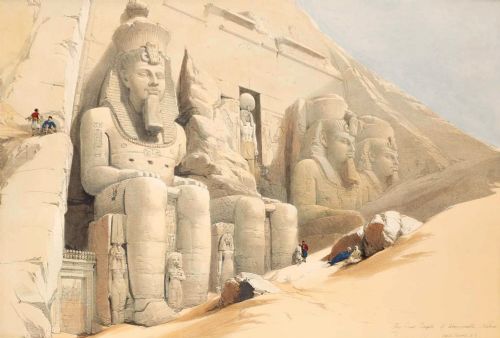
Victorian architectural engraving forms a distinct category within nineteenth-century art, encompassing prints that depict famous cathedrals, colleges, and classical monuments. These works range in scale from intimate cathedral prints to massive wall art capturing expansive London views and collegiate scenes.
The selection on this page draws from the nineteenth century, including specific dates such as eighteen-eighty-seven and eighteen-ninety-two. Buyers encountering these works will find subjects spanning British ecclesiastical sites, educational institutions like Eton, and grand international structures.
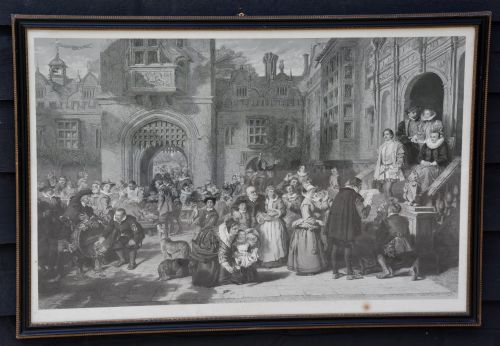
Framing is a notable characteristic among these prints, with several examples retaining original Hogarth frames that complement the monochrome or hand-coloured ink on paper medium. The intersection of architectural precision and nineteenth-century printmaking defines the core of this collecting field.
Materials and Technique
The primary medium relies on ink applied to paper through traditional printmaking techniques, occasionally enhanced with watercolour to add depth and selective colour to the printed lines. Engravers utilised copper or steel plates to achieve the fine, exacting details required for complex building facades and stone tracery.
Many of these prints are housed in wood frames, sometimes retaining their original dark Hogarth mouldings which provide a period-appropriate border for the paper artwork. The combination of durable ink on quality paper stock has allowed these architectural records to survive across the centuries in stable condition.
Several architectural prints on this page capture the academic rivalries of Eton, ensuring your walls remain permanently well-schooled.
Evaluating Quality
Quality in these engravings rests upon the crispness of the plate impression and the fidelity of the architectural draughtsmanship. Sharply defined lines in intricate stonework separate superior printings from worn or softer impressions.
The presence of contemporary hand-colouring and the survival of original framing materials add significant merit to individual pieces. Collectors also look for strong compositional scale, particularly in larger wall art formats that retain clear tonal contrast across the paper.
The Victorian Architectural Engraving Glossary
- Engraving
- A printmaking technique where an artist cuts an image into a metal plate using a sharp tool called a burin. The inked plate then transfers the detailed architectural lines onto paper under pressure.
- Hand Coloured
- A process where watercolour pigments are applied by hand to a monochrome printed image. This adds subtle tints to specific areas of the architectural scene.
- Hogarth Frame
- A distinctive wooden picture frame featuring a stepped, ogee profile finished in dark or marbled paint. These frames were popular during the eighteenth and nineteenth centuries for works on paper.
- Lithograph
- A planographic printing method based on the repulsion of oil and water on a stone or metal surface. It allows for smooth tonal gradations in architectural illustrations.
- Etching
- A method of printmaking where acid bites into unprotected parts of a metal plate to create recessed lines for holding ink. This technique often produces freer, more painterly lines than traditional engraving.
Victorian Architectural Engraving: Frequently Asked Questions
How do I care for antique paper prints?
Keep engravings away from direct sunlight to prevent the ink and paper from fading over time. Display them in rooms with stable humidity levels to protect the paper and any original wooden framing.
Avoid hanging them on damp exterior walls or near heat sources. Professional framing using acid-free materials ensures the long-term preservation of nineteenth-century paper.
Are these prints original nineteenth-century works?
The listings on this page consist of period pieces originating in the nineteenth century, created during the Victorian era. Printmakers and artists of that time produced these works to document contemporary and historic architecture.
Examination of the paper stock, ink types, and framing often reveals the authentic age of the piece. Collectors value these prints for their genuine period execution rather than modern reproduction.
How are architectural engravings different from other prints?
Architectural engravings focus specifically on buildings, monuments, and urban infrastructure rather than portraits or landscapes. The draughtsmanship requires precise perspective and technical accuracy to render facades and interiors correctly.
This makes them particularly appealing to those interested in historic building design and nineteenth-century urban expansion. The level of detail often rivals actual architectural plans from the same era.
What subjects are most common in these prints?
Common subjects include British cathedrals, collegiate buildings such as Eton, and sweeping cityscape views of London. These locations reflected contemporary Victorian interests in national heritage, education, and imperial progress.
Large wall formats were designed to showcase expansive urban vistas or monumental structures in domestic or institutional settings. Each subject provides a distinct visual record of nineteenth-century architectural appreciation.