


Classical Figure Prints
Classical figure prints bring mythological scenes, heroic portraits and ancient statuary into rooms through ink on paper and framed oils.
Classical Figure Prints
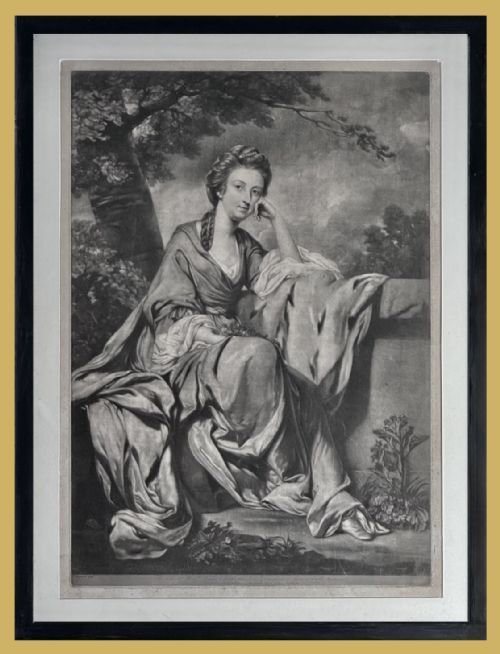
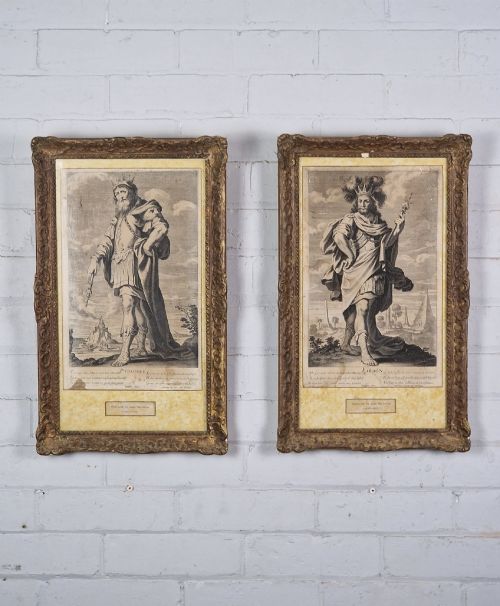
Classical figure prints draw subjects from ancient mythology, classical statuary and historical portraiture, appearing primarily as framed engravings, mezzotints and etchings alongside occasional oil paintings. These works range from eighteenth-century plates recording Athenian antiquities to nineteenth-century academic studies and early twentieth-century illustrations.
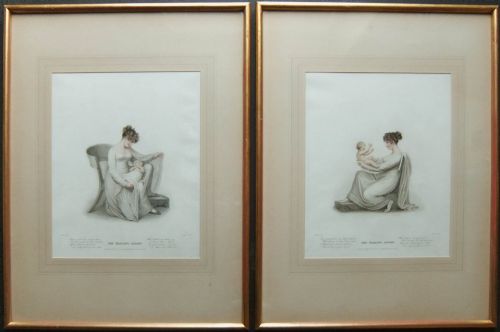
Collectors encounter pieces spanning several distinct periods, with eighteenth-century engravings after masters sitting alongside Victorian and early twentieth-century interpretations of Greek and Roman deities. The selection includes individual plates, pairs such as Adam Buck's matching subjects, and larger sets illustrating texts like Homer's Odyssey.
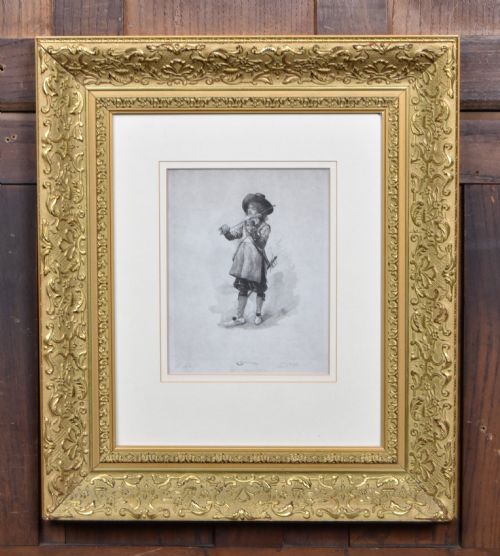
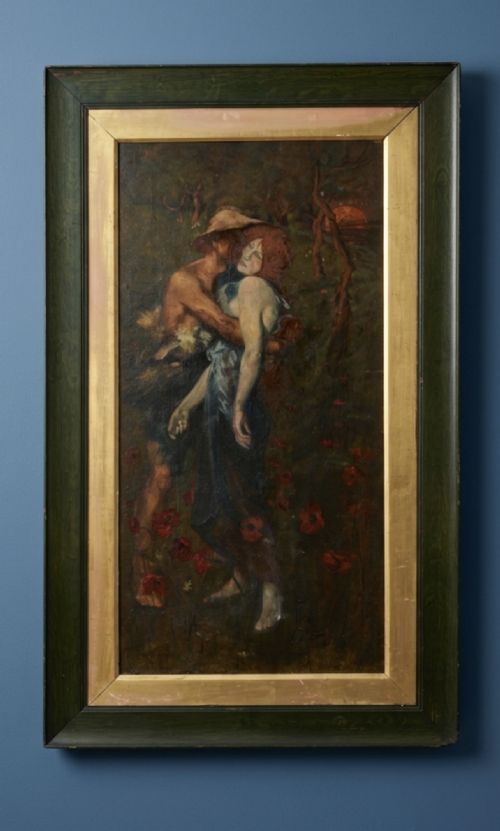
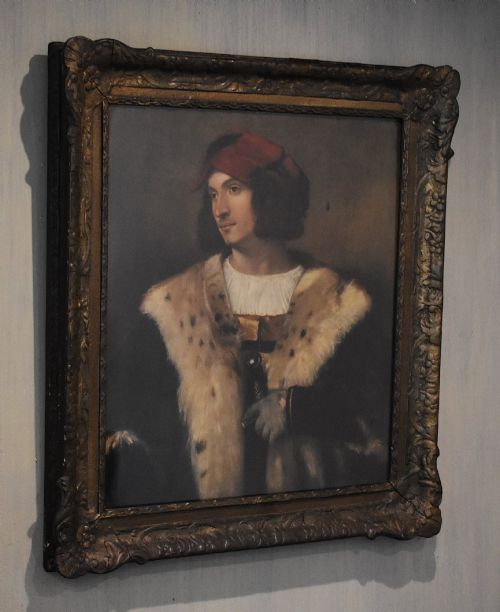
The physical format is predominantly paper works housed in wood frames, often with gilt or gold leaf detailing. Oil paintings on canvas also represent the broader category of classical figurative art found within the selection.
Assessing quality in plates and frames
Quality rests upon the crispness of the impression pulled from the plate and the skill of the original draughtsman or engraver translating a painting or sculpture into print. Early impressions show sharp, clear lines and subtle tonal shifts, whereas worn plates yield muddied details and weak contrasts.
The presentation matters significantly, distinguishing works retained in their original period frames with intact gold leaf from those later reframed. The depth of the ink and the preservation of the paper margin condition influence the overall integrity of the piece.
Edward Fisher·Jean Mariette·James Heath·Simon François Ravenet·James Basire·Edward Rooker
The Classical Figure Prints Glossary
- Engraving
- A printmaking process where an artist cuts lines directly into a metal plate using a sharp steel tool called a burin. The resulting incisions hold the ink for transfer under pressure.
- Mezzotint
- A tonal printmaking method working from dark to light, producing rich, velvety blacks and smooth gradients. The metal plate is roughened evenly and smoothed where lighter tones are desired.
- Neoclassical
- A style spanning the eighteenth and nineteenth centuries that revived the aesthetic and subjects of ancient Greece and Rome. Works often depict mythological narratives and classical figures.
- Antiquities
- Artefacts and architectural ruins of ancient civilisations, frequently recorded by eighteenth-century expeditionary artists. These drawings formed the basis for many published engravings.
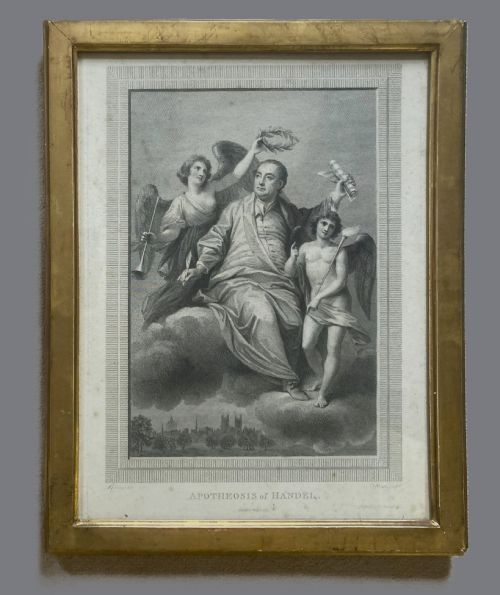
- Apotheosis
- The elevation of someone to divine status, a frequent subject in grand historical and classical art. It typically shows figures ascending into the heavens surrounded by mythological characters.
Classical Figure Prints: Frequently Asked Questions
What subjects appear on classical figure prints?
Subjects include Greek and Roman gods, heroic figures, mythological scenes and engravings of ancient architectural sculpture. Many pieces also record classical paintings or academic life studies of the human form.
Artists frequently drew inspiration from archaeological excavations in Athens and Herculaneum, translating ancient statues and reliefs into detailed paper plates for collectors.
How do I care for framed paper prints?
Paper works require protection from direct sunlight to prevent fading of the ink and yellowing of the sheet. Maintaining stable indoor humidity prevents warping of both the paper and the wooden frame.
Displaying pieces away from moisture sources keeps the paper stable and preserves any original gilt wood framing.
Are these works original antique prints?
The selection comprises period works dating from the eighteenth century through to the early twentieth century. These are authentic historical impressions rather than modern reproductions.
Engravings and etchings from these eras were produced using traditional hand-operated printing presses on rag paper stocks.
How were eighteenth-century engravings published?
Many plates were issued as part of large archaeological folios or subscription volumes documenting classical antiquities. Publishers employed skilled master engravers to record discoveries from expeditions abroad.
Individual prints were often framed separately by owners, creating the decorative wall art found today.