
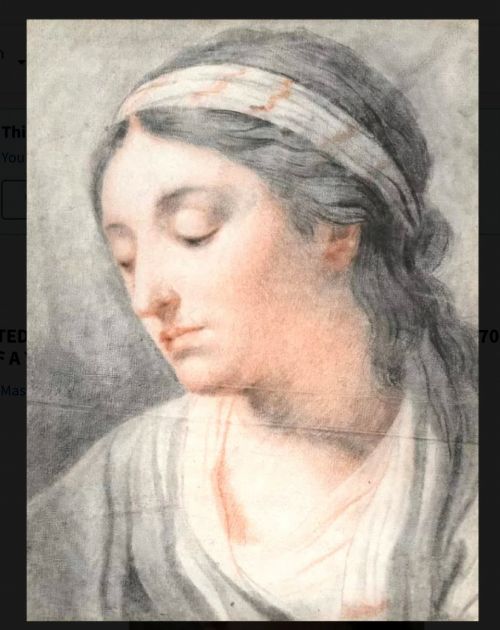


Historical Figure Artwork
When you search for historical figure artwork, you uncover portraits and scenes recording recognizable people and events from past centuries.
Historical Figure Artwork
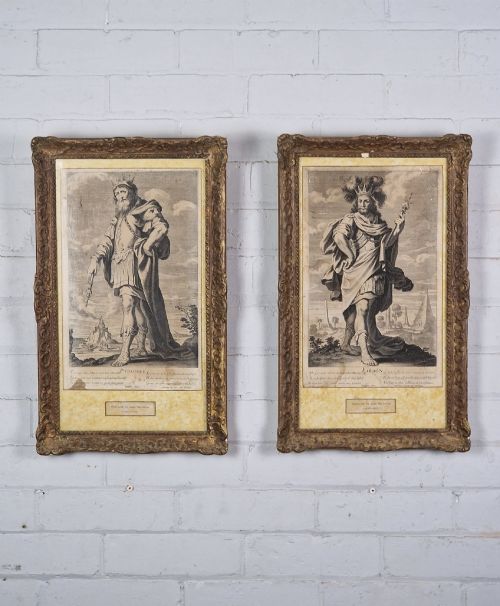
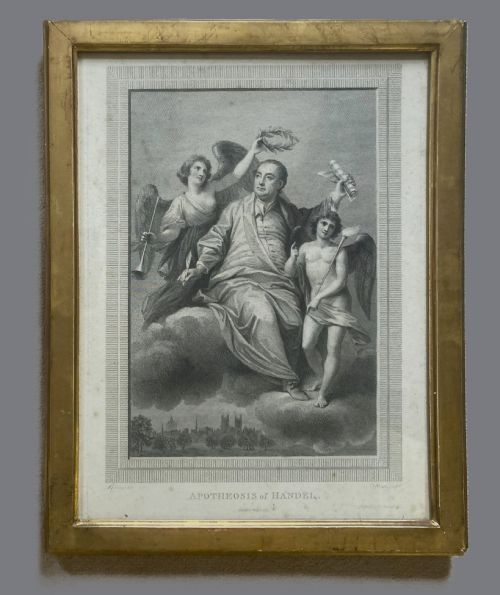
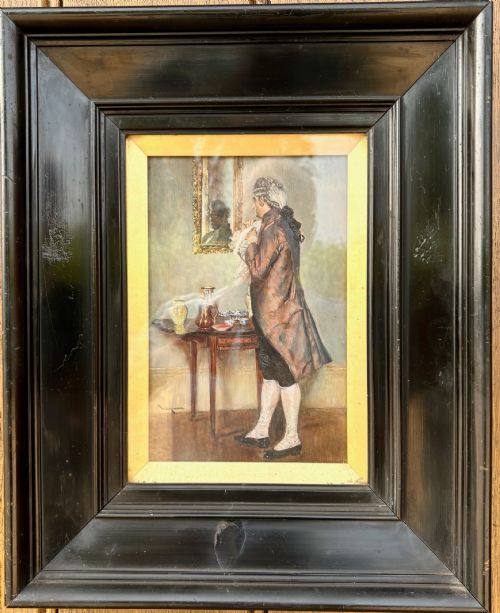
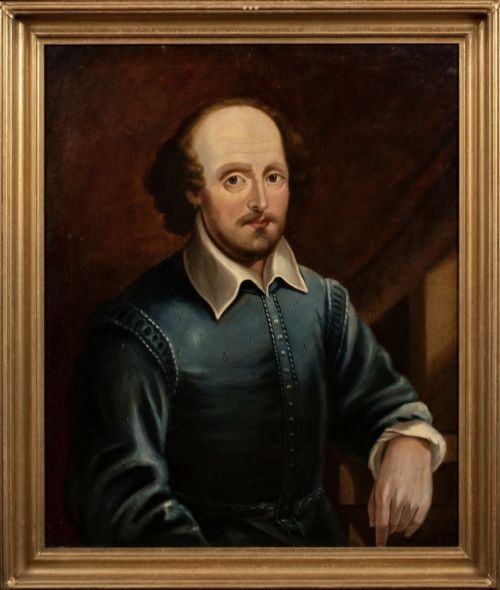
Historical figure artwork brings together visual records of notable individuals, royalty, playwrights, and significant personages captured through various mediums. Buyers searching this phrase encounter framed items ranging from detailed oil paintings and watercolours to period engravings.
The selection on this page leans heavily towards painted portraits and engraved plates spanning multiple historical periods. Pieces depict specific historical figures, rulers, and literary icons rendered by artists working across British and European schools.
Materials and construction methods
Artists and printmakers utilised traditional supports such as canvas, wood boards, and heavy paper for their works. Pigments were applied in oils, watercolours, or inks, often framed in period mouldings including giltwood.
Engravings relied on metal plates worked by hand to transfer fine lines onto paper, while oil paintings built up layers of pigment to achieve depth and character in portraiture.
Materials recorded across the inventory include giltwood, canvas, paper, ink, and bronze.
Assessing quality in historical artworks
Quality rests upon the skill of the draughtsman or painter in capturing likeness, expression, and anatomical proportion. Finer pieces demonstrate confident brushwork, careful handling of light, and well-executed detail in clothing and background elements.
The provenance and attribution to documented artists or established schools elevate a piece beyond standard decorative output. Original framing and the preservation of the surface integrity also influence the standing of the work.
James Heath·Thomas Spinks·Johann Hamza·Thomas Hicks·John Watkins Chapman·John A. Houston·Frank Moss Bennett·Rolinda Sharples·Willem Johannes Martens·Jules Girardet·Abraham Cooper·John Partridge·Edward Rooker·Sir Nathaniel Dance-Holland
The Historical Figure Artwork Glossary
- Engraving
- A printmaking technique where an image is incised into a metal plate, usually copper or steel, holding ink within the grooves to transfer fine lines onto paper.
- Giltwood
- Timber that has been coated with a thin layer of gold leaf or gold paint, frequently used for decorative antique picture frames.
- Genre painting
- The pictorial representation of scenes from everyday life, often depicting people engaged in common activities or historical narratives.
- Oil on canvas
- A painting medium where pigments are suspended in drying oils and applied to a stretched woven fabric support.
- Provenance
- The chronological history of the ownership and custody of a work of art, used to establish authenticity.
Historical Figure Artwork: Frequently Asked Questions
How do I identify the subject of an antique portrait?
Subjects are frequently identified through inscriptions on the canvas, labels on the reverse, or accompanying documentation detailing the sitter's identity and titles.
Portraiture often includes heraldic symbols, specific clothing, or items associated with the profession or status of the historical figure.
What is the difference between an oil painting and an engraving?
An oil painting is a unique, hand-painted artwork created with pigmented oils on a support such as canvas or wood board.
An engraving is a printed work produced from an etched or carved metal plate, allowing multiple impressions of the same image to be made.
How should I care for antique works on paper?
Works on paper require protection from direct sunlight and excessive moisture to prevent fading and paper degradation.
Framing should utilise acid-free materials and UV-filtering glass to preserve the ink, watercolour, or engraving over time.
How can I tell which century a piece belongs to?
Dating relies on stylistic clues within the artwork, costume details of the figures, and the materials used for the support and frame.
Signatures, dates inscribed by the artist, and archival labels on the back also provide clear indicators of the period of creation.