


Gold Leaf Engravings
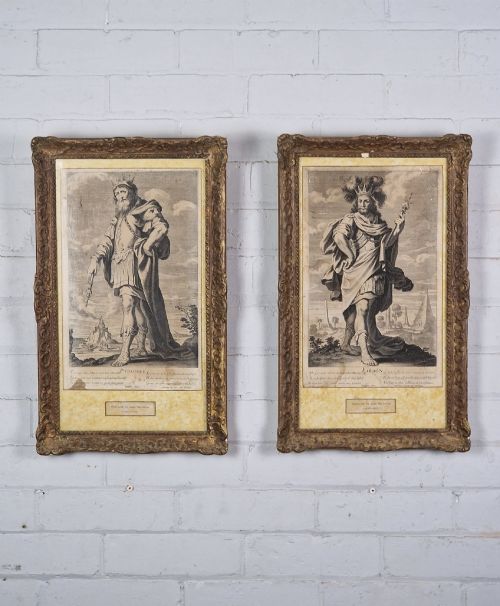
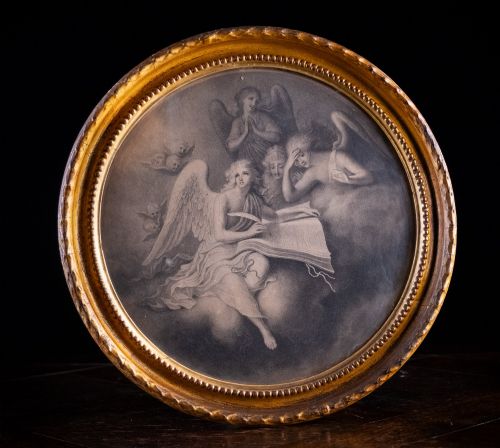
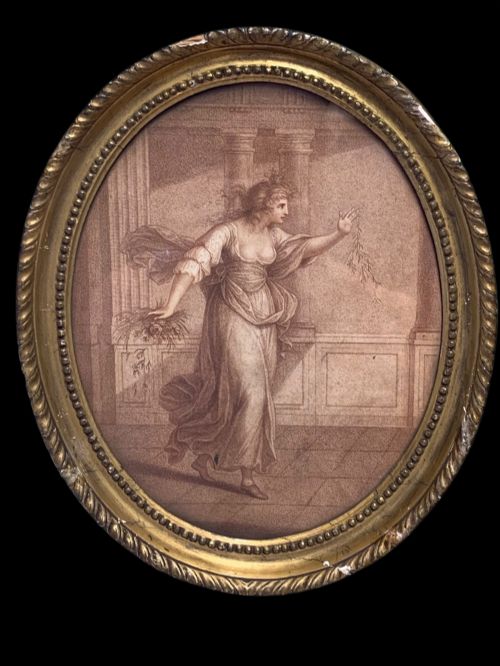
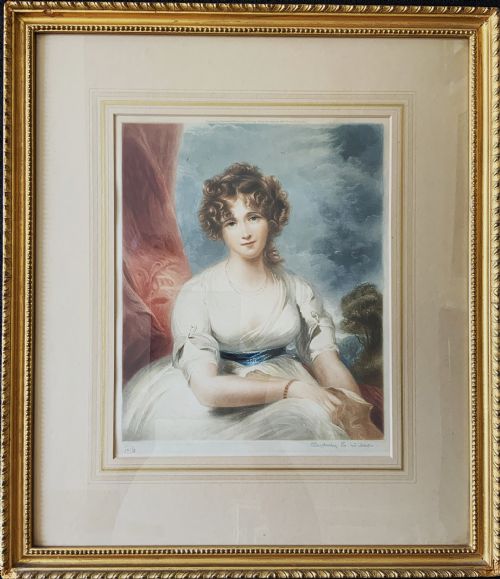
Gold leaf antique engravings bring together fine works on paper and gilded frames from the eighteenth and nineteenth centuries.
Gold Leaf Engravings
When you search for gold leaf antique engravings, you are looking at framed prints and wall art spanning the Georgian, Victorian, and Regency periods alongside the early twentieth century. The selection includes stipple engravings, mezzotints, lithographs, and classical subjects framed in giltwood and gold leaf.
You will encounter works after Jean Mariette, Edward Lear, and Adam Buck, as well as series depicting birds, classical mythology, and historical scenes. These pieces range from eighteenth-century sheets to later nineteenth-century natural history prints.
Most examples come ready to hang in period frames that complement the ink work on paper. The union of the printed sheet and the gilt frame defines this group of wall art.
Materials and construction
The underlying works utilise ink on paper, taking the form of engravings, stipple engravings, mezzotints, and lithographs. These prints were produced using inked plates or lithographic stones before being mounted behind glass.
Frames are constructed from wood, giltwood, and gilt, finished with gold leaf layers to create a reflective metallic border. The combination of timber framing and applied gold leaf gives each piece its distinctive period enclosure.
The listings span the eighteenth, nineteenth, and early twentieth centuries, featuring wood, glass, paper, and gold leaf materials.
Factors of quality
Quality rests upon the clarity of the ink impression on the paper and the preservation of the print surface within its frame. Finer examples retain sharp lines in the engraving and clean margins around the image.
The standard of the framing work also distinguishes the pieces, particularly the depth and condition of the gold leaf and giltwood moulding. Original frames that complement the age of the print hold a distinct advantage over later replacements.
Jean Mariette·Sydney Wilson·Edward Lear·Adam Buck·Henry Corbould·Edward Burrows
The Gold Leaf Engravings Glossary
- Engraving
- A printmaking technique where an artist cuts lines into a metal plate to hold ink. The inked plate transfers the image onto paper under pressure.
- Stipple engraving
- A method of creating tonal gradations using dots rather than continuous lines. This technique creates soft shadows and gentle facial expressions.
- Mezzotint
- A printmaking process that achieves rich dark tones and smooth tonal transitions. It was frequently used for portraits and romantic subjects.
- Giltwood
- Timber carved and coated with a thin layer of gold leaf or metallic powder. It forms the decorative border around many period works.
- Artist proof
- An early impression printed for the creator before the main edition. These impressions show exceptional detail and clarity.
Gold Leaf Engravings: Frequently Asked Questions
How should I hang framed engravings?
Hang these pieces away from direct sunlight to protect the paper and ink from fading over time. Stable indoor humidity also helps preserve both the paper sheet and the wooden frame.
Ensure the wall fixings match the weight of the giltwood frame. Secure picture hooks distribute the load safely across the wall.
Are these frames original?
Many pieces retain period gilt frames that match the era of the print. The style of the wood and the application of the gold leaf often correspond to the date of the artwork.
Some works may have been reframed later in their lifespan to protect the fragile paper. Examining the joinery and the backboards helps determine the history of the frame.
How do I identify a stipple engraving?
Look closely at the surface of the paper using a magnifying glass to check for small dots. Stipple work builds up images through a dense pattern of stippled punctures rather than solid lines.
This technique became popular for portraits and classical subjects during the Georgian period. It produces a softer, painterly effect than traditional line engraving.
What subjects appear most often?
The selection includes classical mythology, historical scenes, and natural history studies. Bird illustrations and literary subjects also feature prominently across the available works.
Portraiture and topographical views represent other common themes from the eighteenth and nineteenth centuries. Each subject reflects the prevailing artistic tastes of its period.