
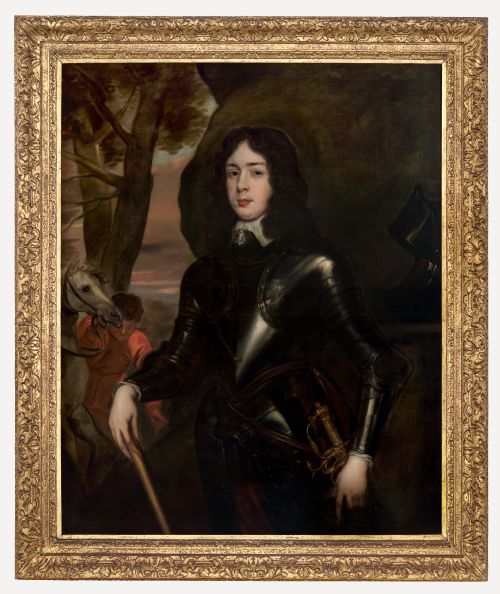


Seventeenth Century Portraiture
Seventeenth century portraiture brings the compelling presence of Stuart and Baroque subjects into a room through historic oils and early engravings.
Seventeenth Century Portraiture
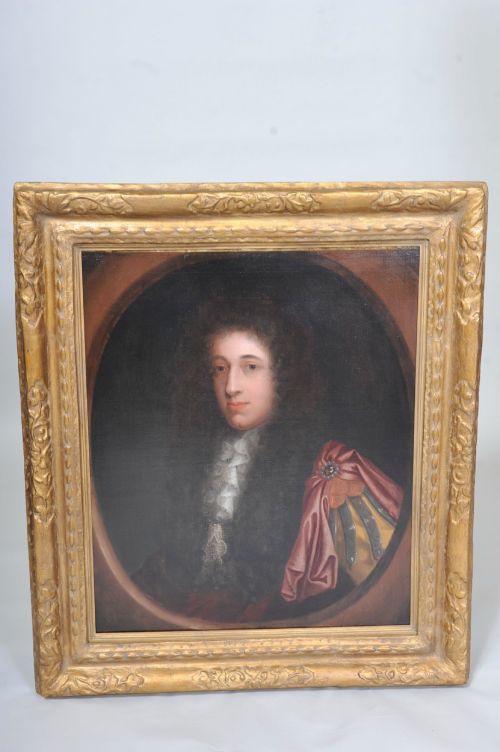
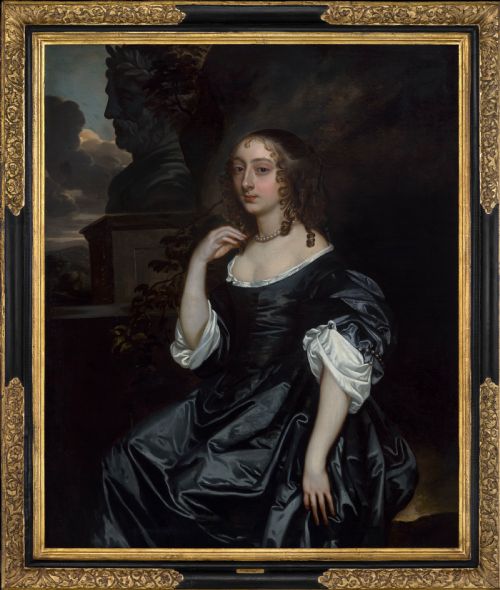
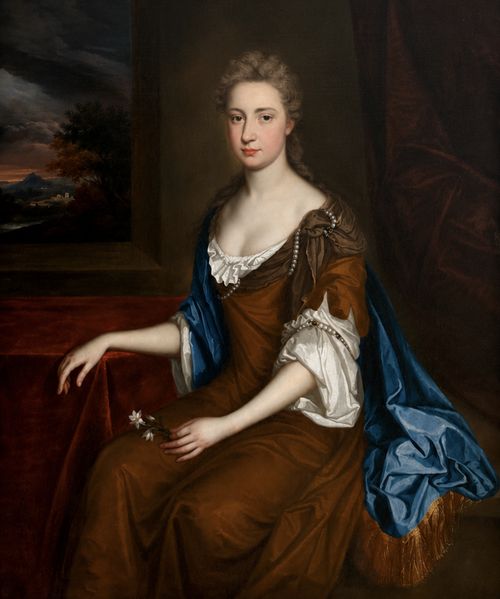
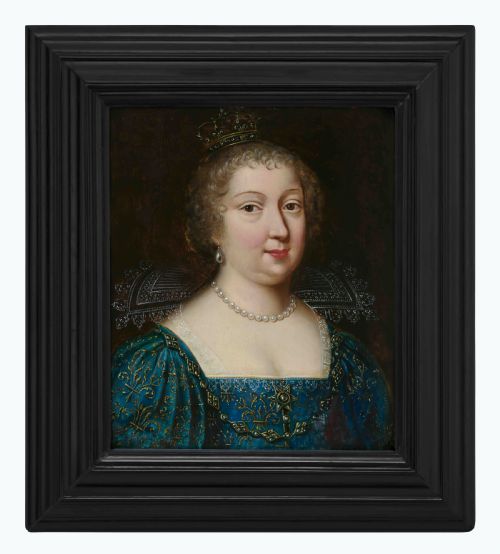
Seventeenth century portraiture captures likenesses of gentlemen, ladies, royalty, and bishops primarily through oil paintings on canvas and wood panel. These works emerge from the Stuart period, the Restoration, and broader European Baroque traditions.
Buyers encounter oil paintings originating from the seventeenth century itself, alongside later eighteenth-century engravings and prints depicting royalty and dignitaries. Subjects range from named historical figures such as Bishop Robert Frampton to unknown sitters in contemporary costume.
Artworks on this page connect collectors to distinct visual schools, including British and Anglo-Flemish works. Pieces frequently arrive housed in period frames, including gilt and ebonised wood settings.
Materials and construction
Artists painted using oil paint applied to prepared canvas supports or solid wood panels. Gold leaf frequently enhances the decorative mouldings of the accompanying frames.
Makers utilised timber and ebonised wood to construct heavy frames designed to protect and elevate the painted surface. Workshops and followers of prominent portraitists employed traditional layering techniques for skin tones, textiles, and armour.
Assessing quality in early portraits
Quality rests upon the skill of the brushwork in rendering facial expressions, hands, and the intricate folds of lace or fabric. Studio pieces and works by followers display differing degrees of confident draftsmanship compared to primary master output.
The survival condition of the original paint layer and canvas weave strongly influences the integrity of the piece. Intact historic frames of ebonised wood or gilt leaf add considerable character to the overall object.
Sir Peter Lely·Henri and Charles Beaubrun·Sir Anthony van Dyck·Wybrand de Geest·Daniel Mytens
The Seventeenth Century Portraiture Glossary
- Oil on Canvas
- A painting technique where pigment mixed with drying oil is applied to a stretched woven fabric support. This method became dominant during the seventeenth century for large-scale portraiture.
- Wood Panel
- A rigid flat support made from timber used by artists before and alongside canvas. Panels often reveal early grain patterns and structural reinforcements at the reverse.
- Baroque
- An artistic style prevalent during the seventeenth century characterised by dramatic lighting, rich colour, and dynamic movement. Portraits in this style emphasise theatrical presence and deep shadow.
- Ebonised Wood
- Timber treated with a finish to imitate expensive ebony wood. This dark, polished material was highly fashionable for seventeenth-century frames.
- Engraving
- A printmaking process where an image is incised into a metal plate using a sharp tool. Impressions pulled from these plates recorded notable royalty and dignitaries for broader circulation.
Seventeenth Century Portraiture: Frequently Asked Questions
How do I identify seventeenth century portraits?
Examine the sitter's costume, hair styling, and ruff or lace collars for period accuracy. Pigment analysis and canvas examination help confirm the age of the materials.
Look for inscriptions, artist signatures, or archival labels on the reverse of the canvas or panel. Comparison with documented works by followers or studio hands provides further context.
Where were these portraits displayed?
Historic portraits hung in the long galleries, reception rooms, and private chambers of country houses and town residences. They served to project status, lineage, and political allegiance.
Today, these works function as focal points in domestic interiors, bringing historical depth and atmosphere to modern or traditional rooms.
Are these paintings cleaned or restored?
Many historic oil paintings undergo conservation over the centuries to stabilise flaking paint and remove discoloured varnish layers. Professional cleaning reveals the original brilliance of the artist's palette.
Minor touch-ups to background areas are common in works of this age. Buyers should inspect the paint surface under appropriate lighting to understand its condition.
What is the difference between an original and an after-work?
An original painting is executed by the named master painter during their active period. Works attributed to a circle, studio, or follower are produced by assistants or later artists working in that master's style.
Studio pieces and copies after known masters still hold significant historical and aesthetic value from the period. They often record lost compositions by major portraitists.