
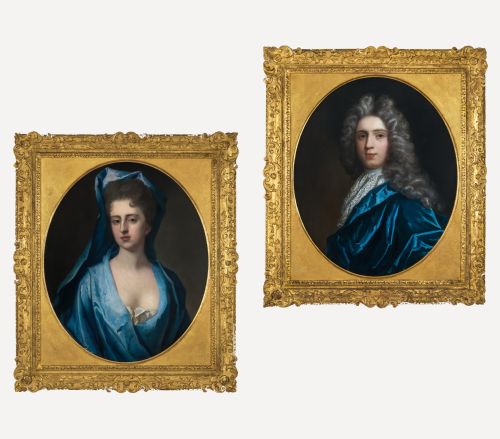
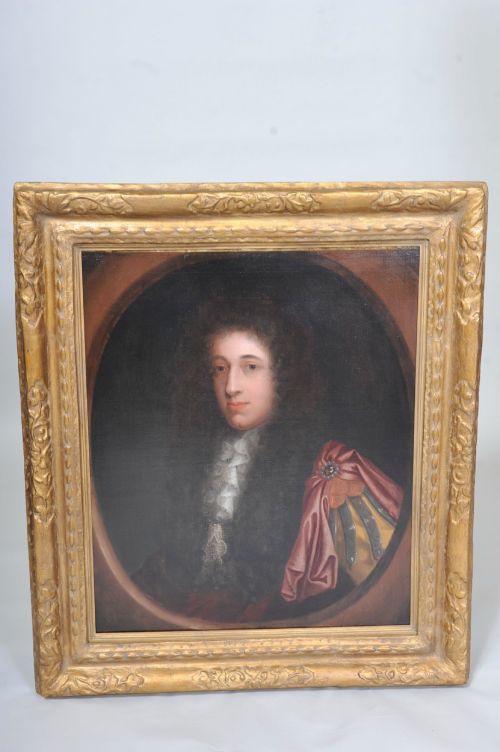
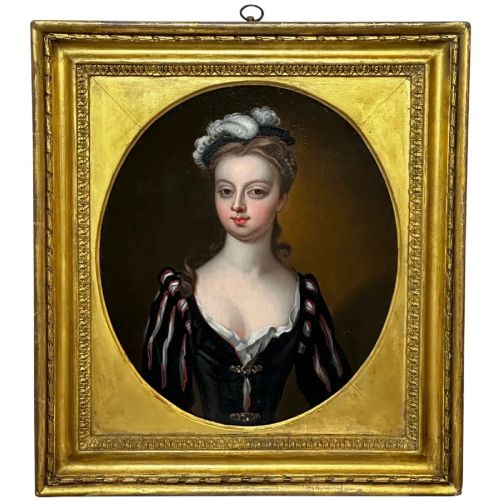
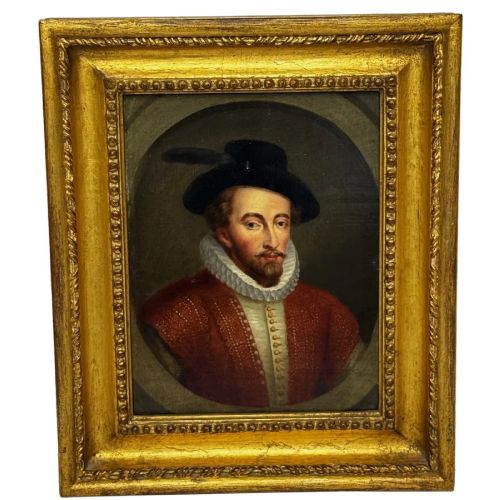
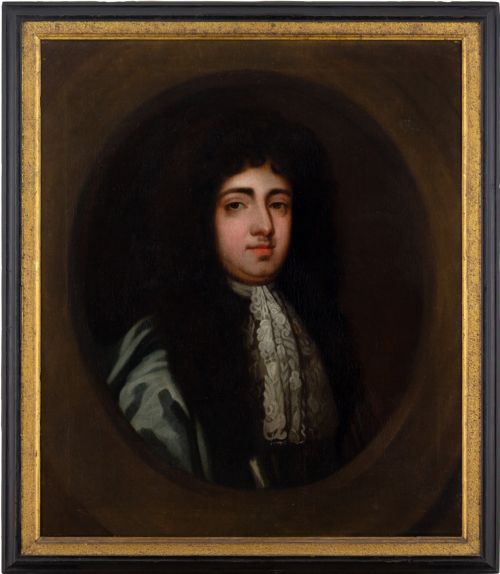


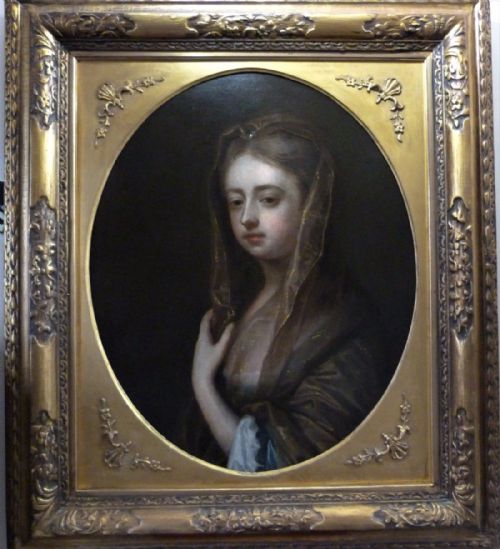


Oval Spandrel Portrait
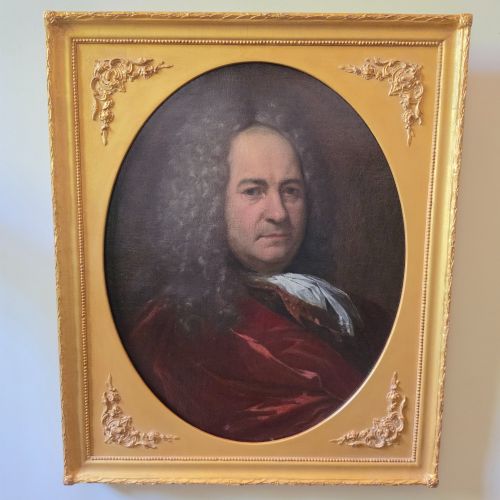
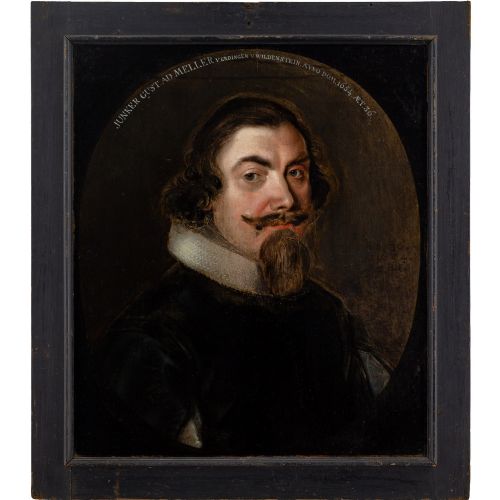
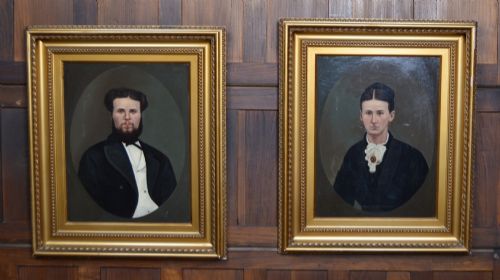
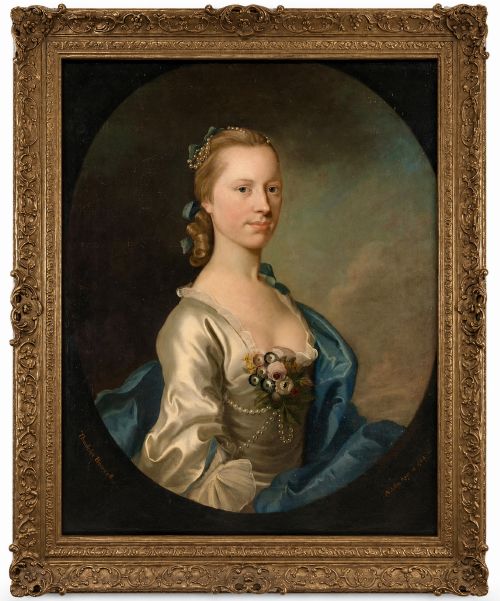
These oval spandrel portrait paintings bring centuries of historical character into a room through oil on canvas depictions set within decorative frames.
Oval Spandrel Portrait
An oval spandrel portrait presents a subject within a painted or architectural arched frame, creating a window-like depth that focuses entirely on the sitter. These works span from the seventeenth century through the Georgian and Victorian eras, encompassing British Baroque, German Baroque, and Renaissance Revival styles.
The pieces on this page are predominantly oil paintings on canvas, often housed in original or period-appropriate giltwood and gesso frames. Subjects range from named baronets and gentlemen to anonymous ladies and children, capturing the distinct fashion and artistic conventions of their respective decades.
How they were made
Frames were constructed from wood and finished with layers of gesso before being gilded with gold leaf. This meticulous process produced ornate, reflective surrounds that complemented the dark, moody palettes typical of seventeenth and eighteenth-century portraiture.
Listings feature seventeenth and eighteenth-century oil on canvas works alongside nineteenth-century examples, all rendered in wood and giltwood frames.
What varies in quality
The distinction between standard works and exceptional pieces lies in the fluidity of brushwork and the psychological depth captured in the sitter's expression. Master painters working within prominent circles achieved a remarkable vitality in the eyes and skin tones that lesser workshop productions missed.
Framing also dictates the overall standard of a piece, as original period giltwood and gesso surrounds enhance the historical integrity of the artwork. Surviving frames with their original gilding elevate the presentation significantly compared to later replacements.
Michael Dahl·Thomas Murray·John Vanderbank·Allan Ramsay·John Riley·Sir Godfrey Kneller·Thomas Hudson·Angelica Kauffman
The Oval Spandrel Portrait Glossary
- Spandrel
- The triangular space between the curved arch of an oval painting and its rectangular frame. In portraiture, this area is often painted dark or decorated to accentuate the central oval.
- Giltwood
- Wood that has been coated with a thin layer of gold leaf or gold paint. It provides a luminous, decorative border for traditional oil paintings.
- Gesso
- A plaster-like mixture used as a base for wood frames before gilding. It is carved or moulded to create intricate relief decoration.
- Baroque
- An artistic style prevalent from the seventeenth century characterised by drama, tension, and rich detail. British and German variants are frequently seen in these portraits.
- Circle of
- A term used when a painting is not by the master's own hand but is closely associated with their workshop or immediate followers. It denotes a high standard of contemporary execution.
Oval Spandrel Portrait: Frequently Asked Questions
What is an oval spandrel portrait?
An oval spandrel portrait is a painting where the subject is framed within an oval format, often with decorative triangular corners known as spandrels.
These works were popular across the seventeenth and eighteenth centuries, offering a focused, intimate view of the sitter.
How do I date an antique portrait?
Dating relies on examining the costume, hair style, and wig designs of the sitter, alongside the construction methods of the canvas and frame.
Written inscriptions on the reverse and stylistic similarities to known dated works also provide reliable chronological markers.
Where should I hang these paintings?
These works suit traditional study spaces, hallways, or living rooms where their dark backgrounds and gilded frames can stand out against panelled or painted walls.
Avoid placing them in direct sunlight to protect the oil paint and canvas from drying out over time.
What does attribution to a circle mean?
Attribution to a circle indicates that the artist worked closely in the style and studio of a recognised master rather than being the principal hand.
Such pieces reflect the exact techniques and aesthetic standards of the named painter's immediate professional environment.