


Stuart Portrait Painting
A stuart portrait painting captures the austere dignity or opulent flair of the seventeenth century through oils on canvas and wood panels.
Stuart Portrait Painting
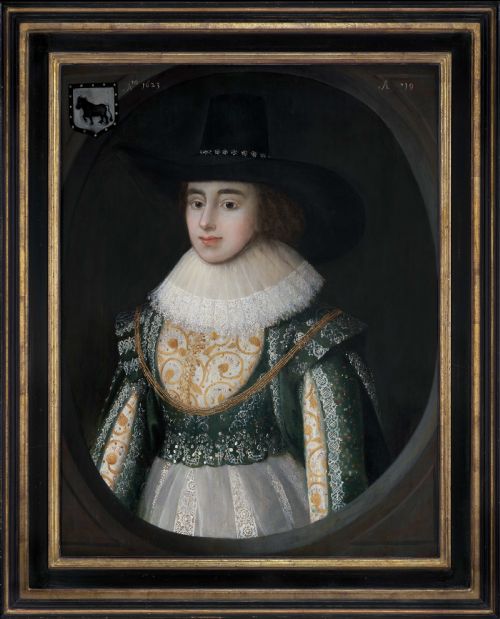
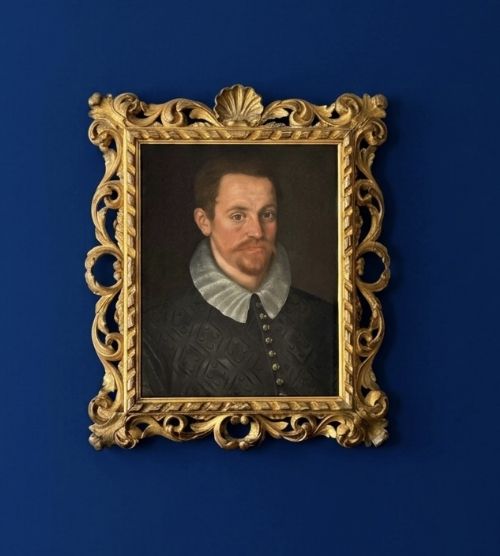
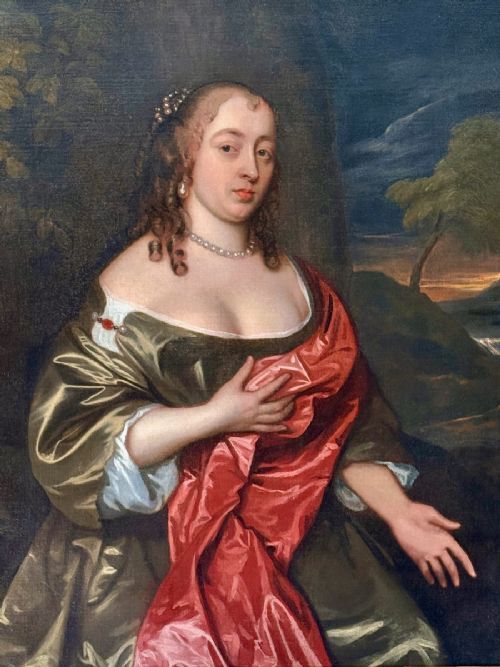
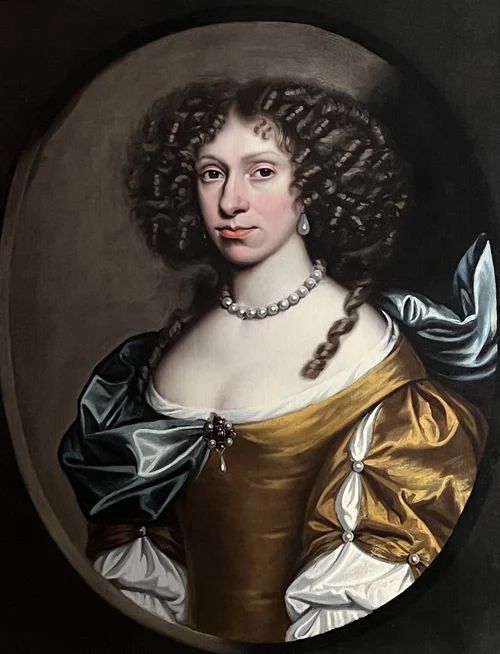
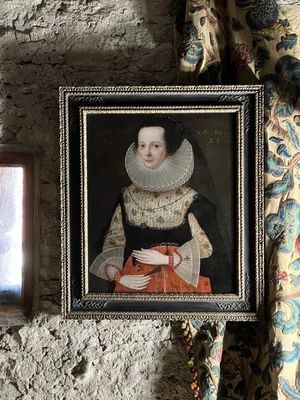
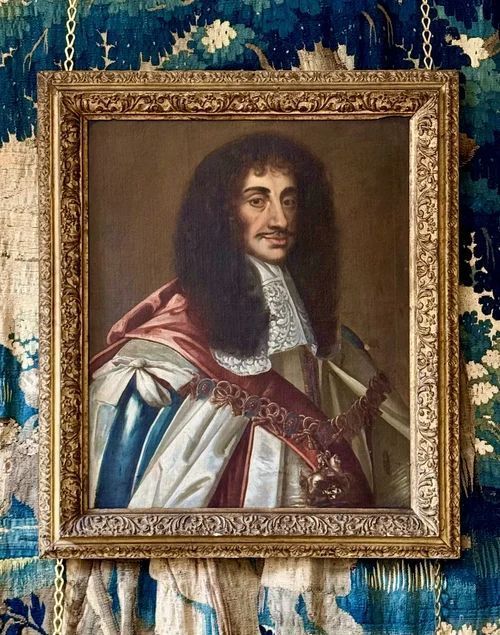
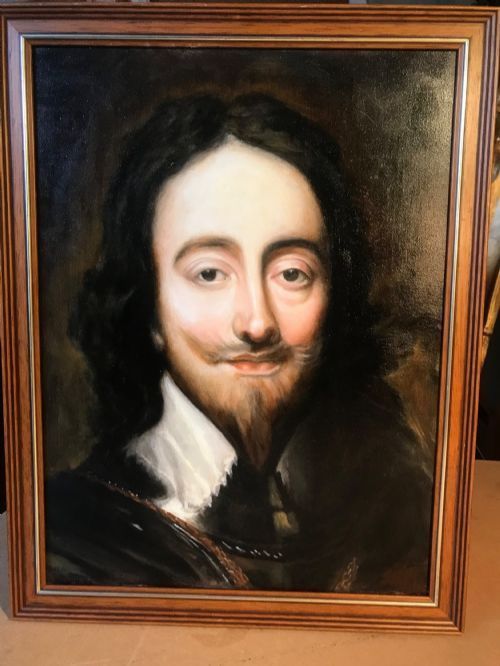
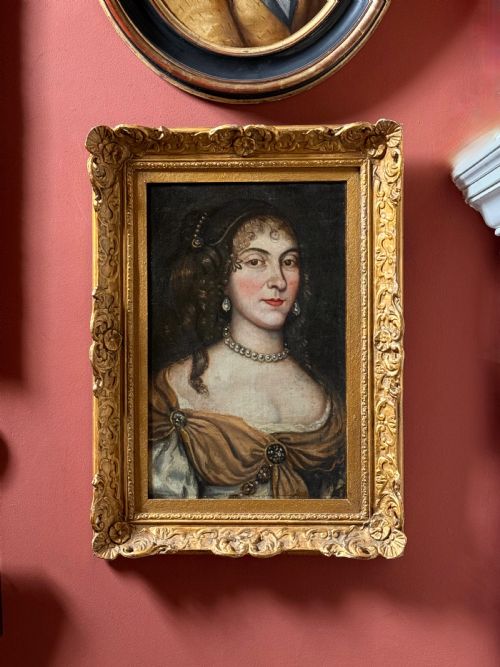
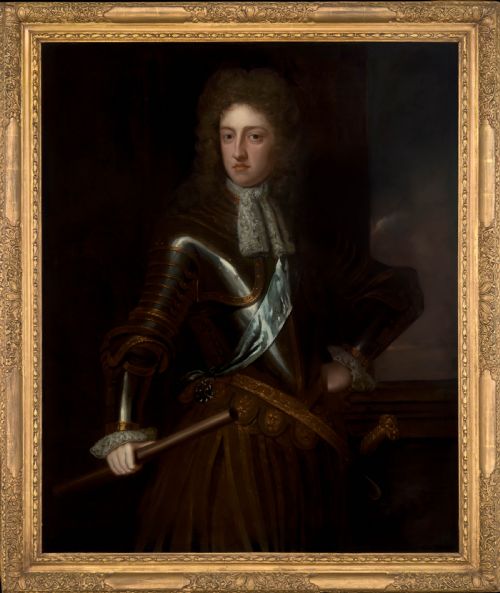
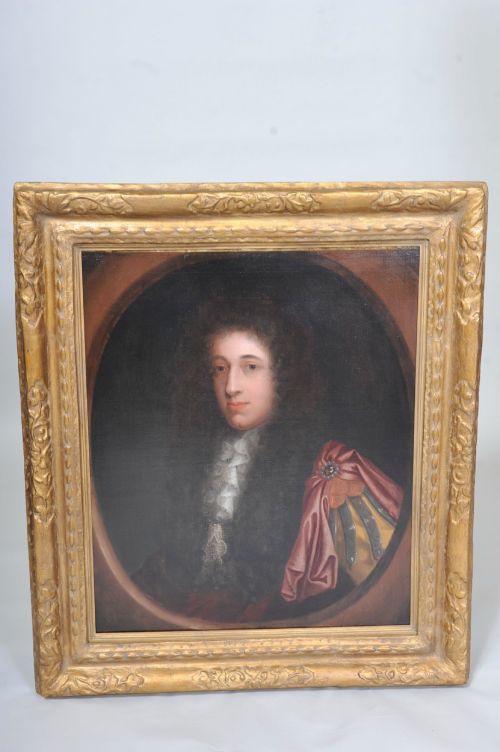
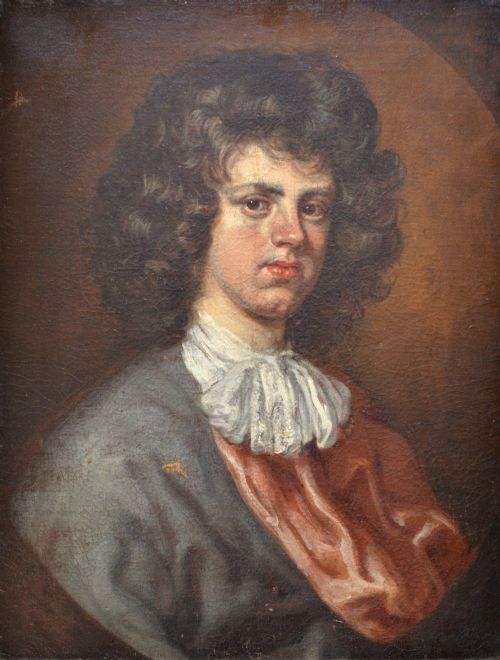
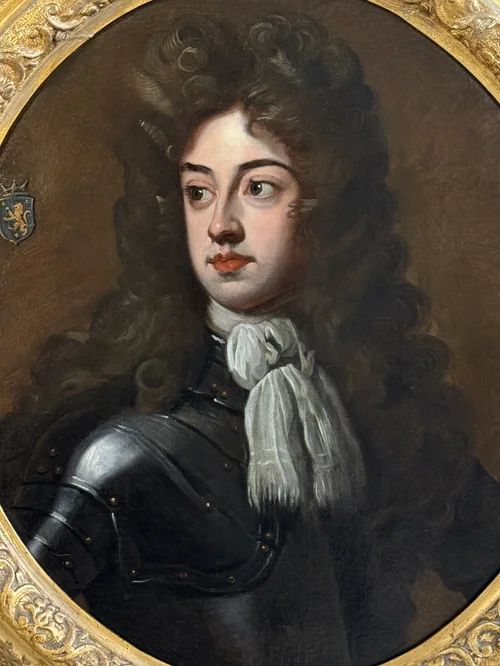
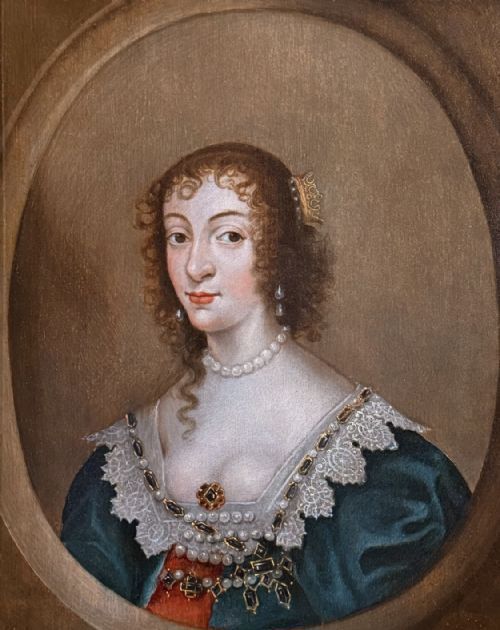
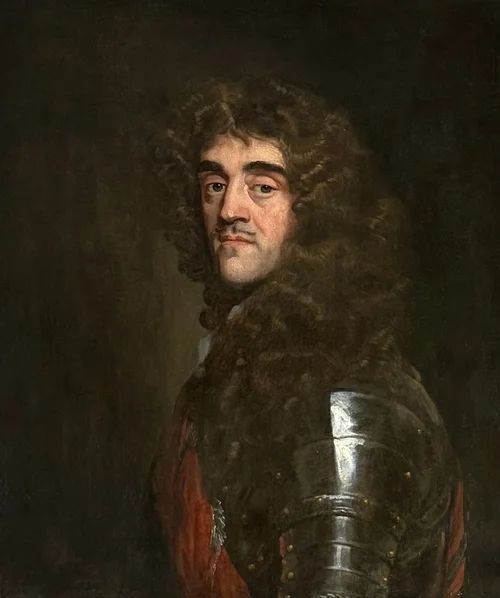
A stuart portrait painting typically depicts noblemen, ladies, monarchs, and notable figures rendered during the seventeenth century or in later revival periods. These works capture subjects in elaborate costumes, ruffs, armour, or landscape settings that reflect the social standing of the sitter.
Most examples available here originate from the seventeenth century, spanning English, Scottish, and Anglo-Flemish schools. The forms range from intimate panel portraits to large canvases framed in period giltwood.
Subjects include specific historical figures such as King Charles I and King Charles II, alongside anonymous gentlemen and noblewomen recorded by contemporary artists and studios.
Materials and Construction
Painters of this era applied oil paint onto stretched canvas or prepared wooden panels, notably oak. These grounds received layers of pigment to build depth in drapery, flesh tones, and background details.
Many surviving pieces retain their original or period-appropriate giltwood and gilt wood frames, sometimes accented with gold leaf. The physical support often shows age-related craquelure and panel shrinkage consistent with centuries of existence.
Listings feature works executed in oil on canvas and oak panel, spanning the seventeenth to nineteenth centuries under Baroque and Jacobean styles.
Assessing Quality
Quality rests upon the handling of facial expression, hands, and textile textures, distinguishing master workshops from regional copyists. Superior execution reveals subtle play of light across satin sleeves, lace collars, and armour.
Provenance and attribution also differentiate the works, as pieces associated directly with named court painters or their immediate circles command greater scholarly interest than anonymous school pieces.
Sir Anthony van Dyck·Sir Peter Lely·Sir Godfrey Kneller·Mary Beale·John Michael Wright
The Stuart Portrait Painting Glossary
- Baroque
- A style of European architecture, music, and art of the 17th and 18th centuries that followed Mannerism and is characterised by ornate detail. In portraiture, this translates to dramatic lighting and dynamic poses.
- Jacobean
- Pertaining to the reign of James I of England, often used to describe early 17th-century art and stiff, highly detailed costume portraiture. This era precedes the more flowing styles of the mid-century.
- Giltwood
- Wood that has been treated with gold leaf or gilding powder. Frames utilising this material provide ornate borders for canvas and panel portraits.
- Oil on Canvas
- Pigment mixed with drying oil applied to a woven fabric support. This technique became the standard medium for large-scale portraiture during the period.
- Oil on Panel
- Pigment applied to a wooden board, typically oak in Northern European works of this era. This rigid support predates the universal adoption of canvas.
Stuart Portrait Painting: Frequently Asked Questions
How do I identify a seventeenth century portrait?
Look closely at the costume details, hair styles, and sitters' collars, such as ruffs or lace cravats, which follow the strict fashions of the period. Inscriptions naming the sitter or date often appear along the edges of the canvas.
The palette and handling of oil paint on canvas or oak panel also offer strong clues to the seventeenth-century origins of the artwork.
What is the difference between studio work and master paintings?
Master paintings represent original compositions painted entirely by the named artist's hand. Studio works or pieces by followers were produced under the master's supervision or copied from popular portraits.
Both categories date to the same period and utilise similar oil paints on canvas, but master pieces generally carry higher art-historical significance.
How should I care for an antique oil painting?
Keep the artwork away from direct sunlight, extreme temperature fluctuations, and high humidity to prevent the canvas from sagging and the oil paint from cracking. Avoid using water or chemical cleaners on the painted surface.
Consult a professional art restorer if the giltwood frame or canvas requires cleaning or structural stabilization.
Why are some sitters in armour?
Armour served as a conventional portrait costume for noblemen and military commanders during the turbulent seventeenth century, symbolising status and martial prowess rather than actual combat readiness. Even men without military careers chose this attire to project authority.
These details help historians date the stuart portrait painting accurately within the baroque era.