
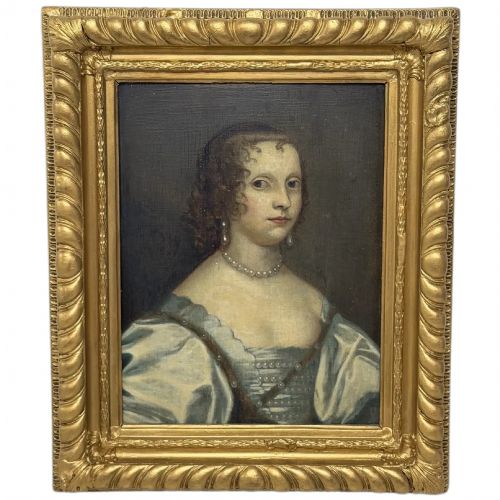


Jacobean Oil Portrait
A jacobean oil portrait captures the rigid dignity and elaborate costume of the early seventeenth century in layered pigment.
Jacobean Oil Portrait
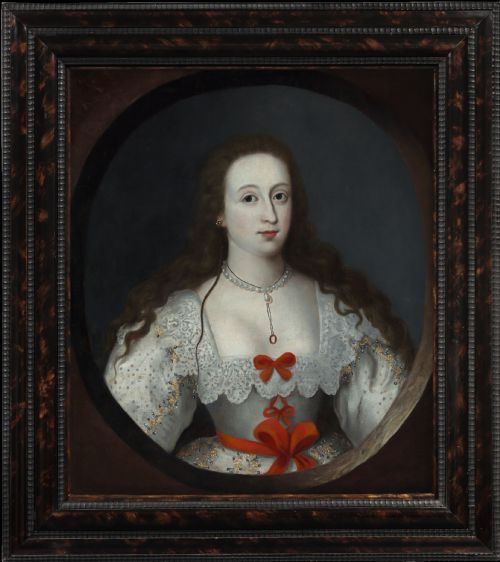
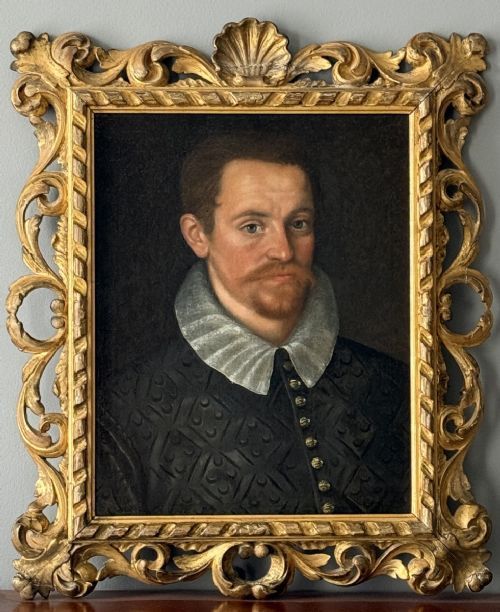
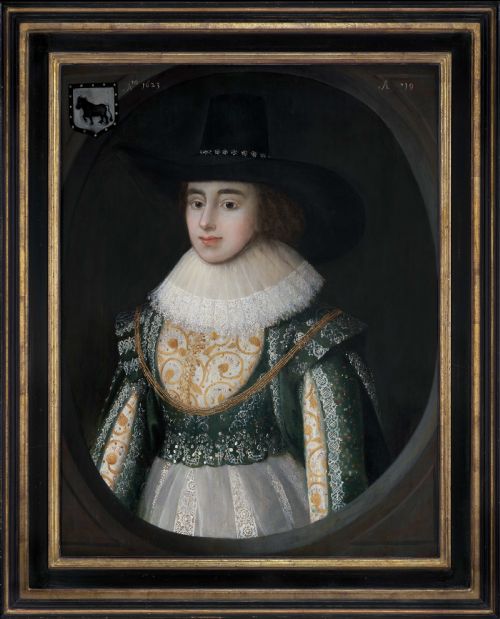
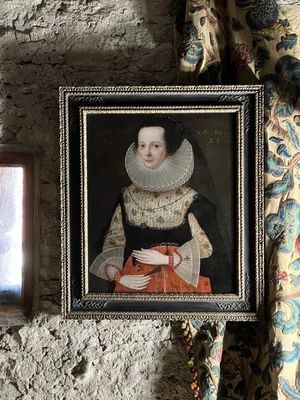
A jacobean oil portrait presents notable sitters, from noblewomen in lace ruffs to noblemen in embroidered doublets, rendered during the seventeenth century or later periods. These works record the strict social hierarchies and opulent dress of the era through formal, direct gaze.
Most examples found here date from the seventeenth century, though Victorian copies and eighteenth-century interpretations also appear. Subjects range from named historical figures like Prince Henry Frederick and Elizabeth Cavendish to members of the English school whose identities remain anonymous.
Materials and Technique
Artists painted these works using oil paint applied to canvas or sturdy wooden supports such as oak panel. The pigments capture rich details of textiles, jewels, and lace collars against dark, restrained backgrounds.
Frames of gilded wood frequently house these paintings, complementing the gold leaf highlights sometimes found within the artworks themselves. The physical structure relies on heavy wood panels or stretched canvas to support the centuries-old paint layers.
Sir Francis Drake keeps an eternal, watchful eye on modern rooms, proving that Elizabethan explorers still love to command the space.
Quality and Execution
Attribution to specific hands or recognised circles elevates a piece, distinguishing workshop output from broader provincial portraiture. The preservation of the original paint surface and the stability of the wood panel or canvas further separate standard examples from masterworks.
Cornelius Johnson·Abraham Van Blyenberch·John Bettes the Elder·Gilbert Jackson
The Jacobean Oil Portrait Glossary
- Ruff
- A prominent, pleated collar of stiffened linen or lace worn around the neck. The size and complexity of this feature often indicate the wealth and status of the sitter.
- Oak panel
- A sturdy wooden board used as a rigid support for early oil paintings. Painters prepared these boards with gesso before applying the oil pigments.
- Oil paint
- A slow-drying medium composed of pigments suspended in a drying oil. This material allows for rich blending and deep luminous colour layers.
Jacobean Oil Portrait: Frequently Asked Questions
How do I identify a true seventeenth century portrait?
Examine the materials used, as genuine period works typically employ heavy oak panels or coarse canvas combined with aged oil pigments that exhibit natural craquelure.
Style and costume provide further clues, with authentic seventeenth-century pieces showing the precise cut of doublets and ruffs characteristic of the period rather than later imitation.
Where should I hang an oil portrait at home?
Select a wall away from direct sunlight and sudden temperature fluctuations to protect the delicate oil paint and wooden panels from warping or fading.
These works require stable interior conditions and benefit from being displayed at eye level in principal rooms where their formal presence can be appreciated.
What does attribution to an english school mean?
This designation indicates that a painting originated from a workshop or circle of artists working in England whose specific individual names are lost to history.
Such works reflect the prevailing techniques and aesthetic standards of British portraiture during a particular decade without pointing to a single master.
Why do some sitters wear ruffs while others do not?
Clothing styles shifted across the decades, moving from the stiff, expansive ruffs of the late Elizabethan and early Jacobean eras to softer falling bands later in the seventeenth century.
Portrait sitters dressed in the height of contemporary fashion, making the style of their collars a reliable indicator of the exact decade the painting was produced.