


Restoration Era Artwork
Restoration era artwork brings seventeenth-century portraiture and classical mythology into a room through oil paintings and mezzotints.
Restoration Era Artwork
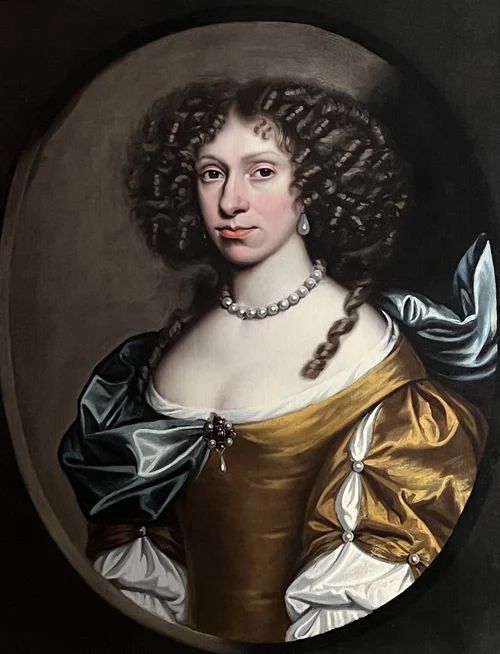
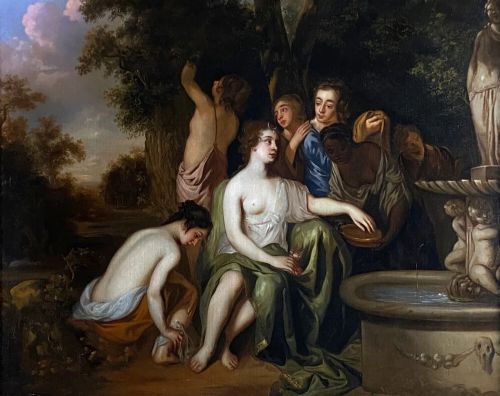
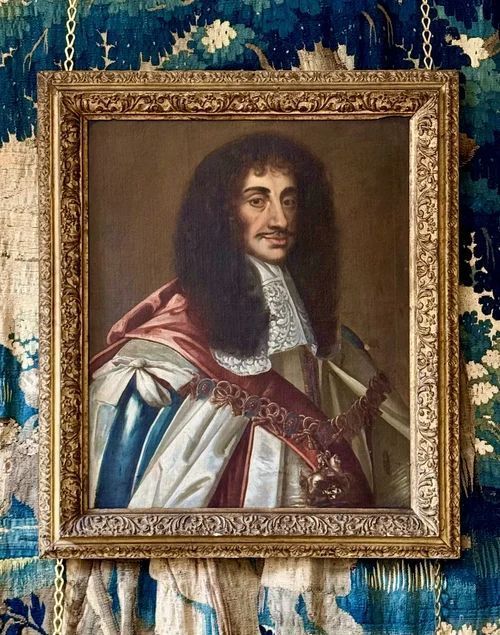
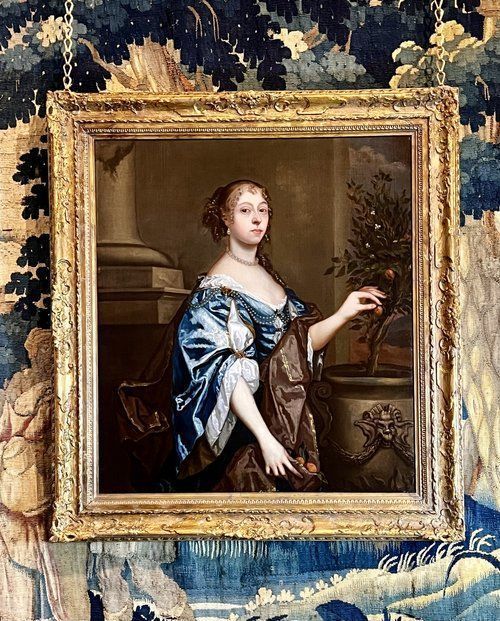
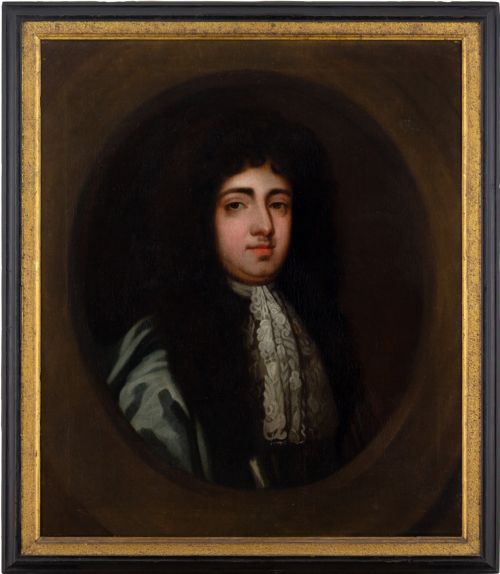
Restoration era artwork primarily comprises oil paintings and prints from the seventeenth century, focusing heavily on portraiture and classical subjects. Buyers seeking restoration era artwork will encounter stately depictions of gentlemen, ladies, and notable figures linked to the Stuart court.
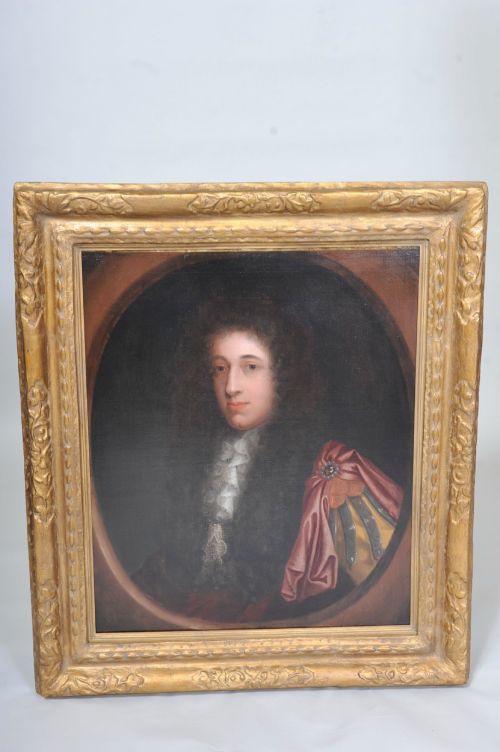
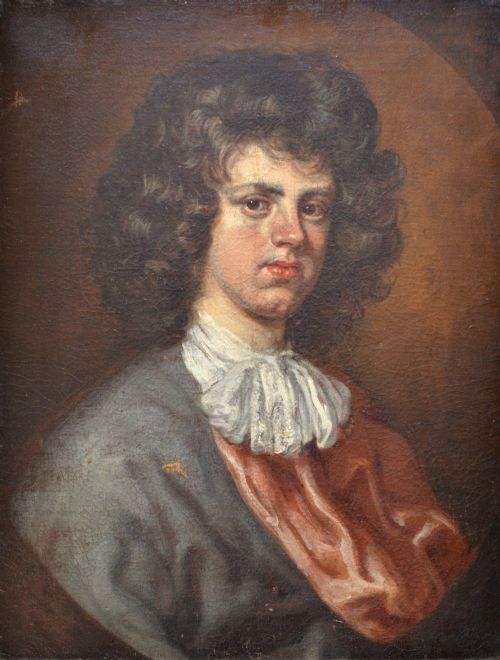
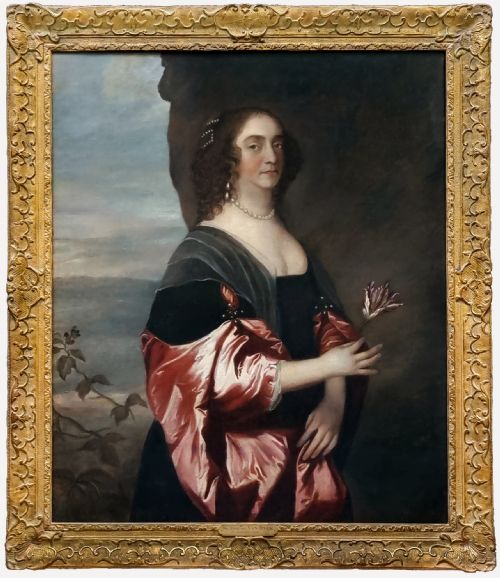
The pieces on this page span Dutch Baroque and English Baroque styles, reflecting the artistic currents of the seventeenth century. Portrait paintings dominate the selection, showing sitters adorned in elaborate garments like red satin sleeves and green silk gowns.
Materials and construction
Works in this category are executed in oil on canvas or produced as mezzotints on paper, capturing fine tonal gradations. Pigments are applied to woven canvas supports, often housed within period frames finished in giltwood or gold leaf.
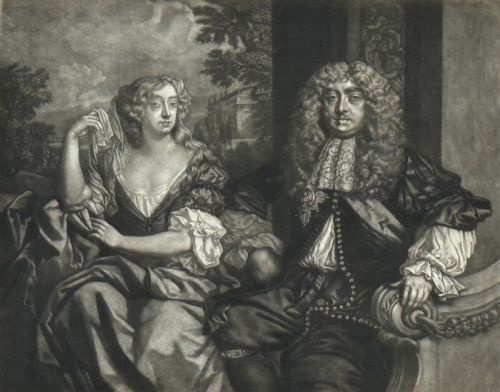
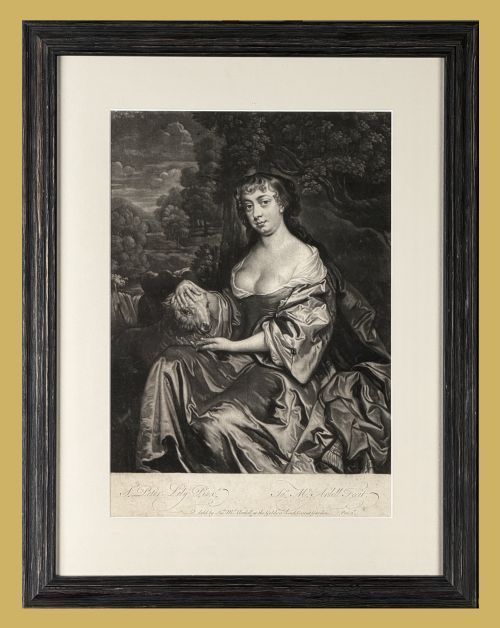
Framing often utilises carved wood enhanced with gilt wood, complementing the rich palette of the oil paintings. Printmaking techniques such as mezzotint allowed popular painted portraits by masters like Sir Peter Lely to be disseminated widely on paper.
Listings feature seventeenth-century oil paintings on canvas and paper mezzotints created within the Baroque and Restoration styles.
Assessing quality
The preservation of the canvas surface and the crispness of the mezzotint impression heavily influence the standing of an artwork. Original giltwood frames that retain their historic gilding also elevate the overall integrity of the piece.
David Scougall·Sir Peter Lely·Pieter Borsseler·Mary Beale·Robert Williams·James Macardell·John Greenhill·John Michael Wright·Arnold van Boonen
The Restoration Era Artwork Glossary
- Baroque
- An ornate artistic style originating in Europe during the seventeenth century that emphasises drama, tension, and grandeur in painting. This aesthetic defines the dynamic compositions seen across the period.
- Mezzotint
- A printmaking process of the intaglio family where the surface is roughened uniformly to produce rich tonal gradations in dark and light areas. Printmakers utilised this method to reproduce famous painted portraits.
- Giltwood
- Wood that has been coated with gold leaf or gold paint for decorative effect. Frames from the seventeenth century commonly feature this lustrous finish.
- Circle of
- A term used when a painting is judged to be by an unidentified artist working in the studio or under the direct influence of a master. It denotes proximity to a known hand without definitive signature attribution.
Restoration Era Artwork: Frequently Asked Questions
What defines restoration era artwork?
These pieces originate from the seventeenth century and capture the portraiture and classical themes popular during the Stuart monarchy. They reflect the refined tastes of the English and Dutch Baroque movements.
Subjects typically include aristocrats, ministers, and gentlemen rendered in oil on canvas or captured via mezzotint prints. The aesthetic leans heavily toward formal portraiture featuring rich fabrics and detailed period costume.
How should I display an oil painting?
Oil paintings from the seventeenth century require stable environmental conditions away from direct sunlight and dramatic humidity shifts. Proper placement preserves the integrity of both the canvas and the historic pigments.
Pairing the canvas with an appropriate period frame helps protect the edges while maintaining the visual context of the artwork. Hanging the piece at eye level in a principal room allows the fine details of the portraiture to be fully appreciated.
How do I identify a mezzotint?
A mezzotint is printed on paper rather than painted on canvas, showing velvety dark areas achieved through a roughened plate surface. These prints served as popular reproductions of famous painted portraits of the era.
Examining the paper under magnification reveals the characteristic tiny pits that hold the ink, differing from standard line engravings. They provide a tonal depth unique to this specific printmaking technique.
What is the difference between studio work and circle work?
Works produced in the studio of an artist were created by assistants and pupils under the direct supervision of the master. These pieces often shared the composition and style of the primary workshop.
Pieces attributed to the circle of an artist were executed by contemporaries working closely within the same stylistic sphere without direct instruction. Both categories represent the broader artistic environment of the seventeenth century.