





King Charles Portrait
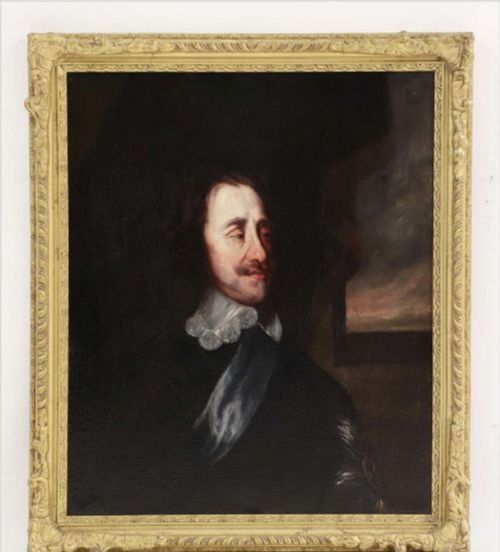
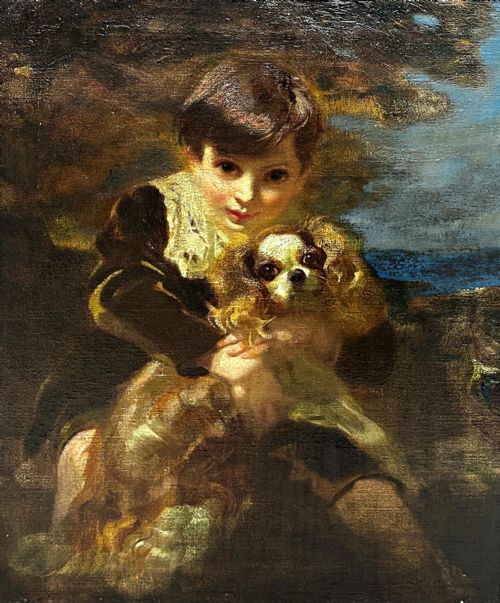
A king charles portrait captures the solemn gravity of the Stuart monarchs or the familiar charm of their namesake spaniels.
King Charles Portrait
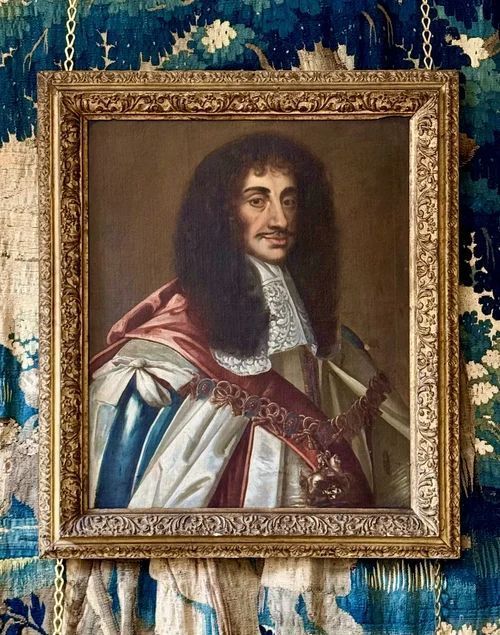
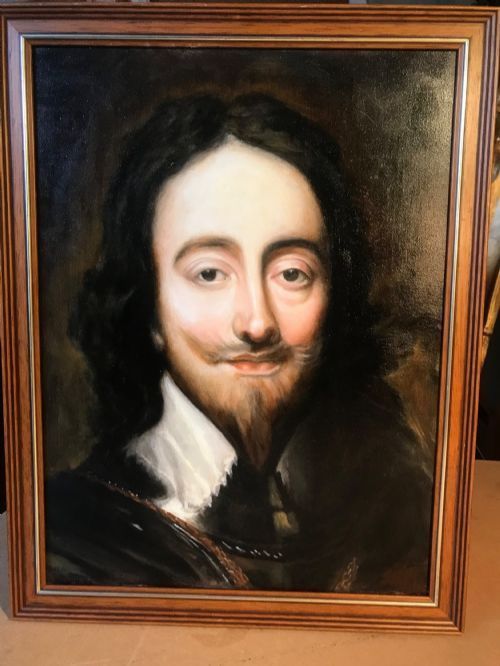
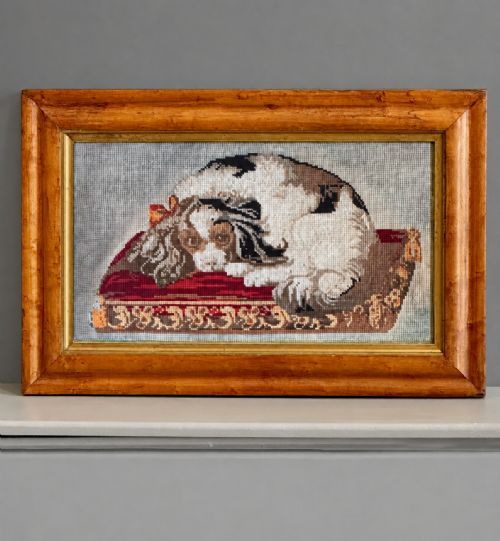
A king charles portrait encompasses depictions of the seventeenth-century monarchs themselves, principally King Charles I and King Charles II, alongside studies of the small dogs that share their name. The royal likenesses often derive from celebrated seventeenth-century prototypes by Anthony van Dyck or Peter Lely, painted in subsequent decades by provincial workshops or later revivalists. Alongside royal oils on canvas and wooden panels, the selection includes nineteenth-century needlework, watercolours, and paintings of spaniels in domestic interiors.
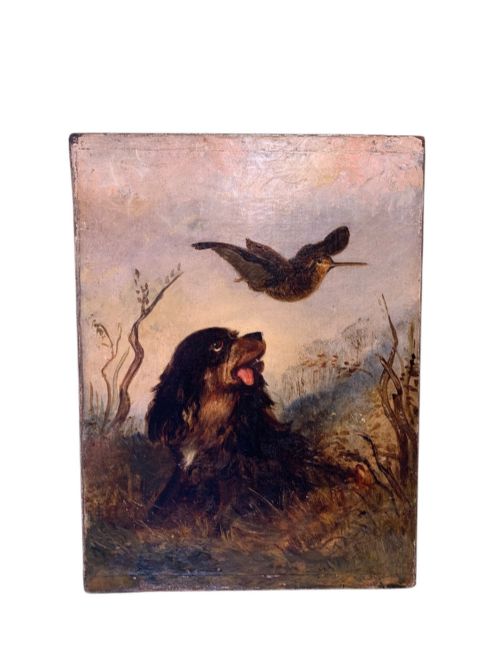
Buyers meet works spanning several distinct periods, from seventeenth-century Stuart Baroque originals and copies down to nineteenth-century Victorian interpretations and mid-twentieth-century examples. The royal subjects typically appear in armour, wearing the badge of the Order of the Garter, or framed by grand oval borders. Animal subjects range from Victorian sporting art featuring spaniels and woodcocks to charming depictions of children and dogs by named artists.
How they were made
The primary medium across the collection is oil paint applied to woven canvas or occasionally wooden panels and copper sheets. Earlier works rely on traditional ground preparations and layered oil pigments to build deep shadows and rich garments, often housed in heavy giltwood or burr maple frames. Needlework examples utilise textile threads in Berlin work techniques to render spaniel motifs within period surrounds.
Watercolour on paper appears in nineteenth-century figurative pieces, while the oil paintings demonstrate the brushwork traditions of the Anglo-Flemish school and provincial English artists. Framing materials range from original gilded wood to later period replacement frames that complement the distinct aesthetic of each century.
Several dogs share billing with monarchs, proving that a seventeenth-century king was rarely seen without his favourite spaniel.
What varies in quality
The historical relationship to the primary seventeenth-century prototypes also distinguishes the tier of a piece, with contemporary studio circles and close seventeenth-century copies holding greater art-historical weight than later nineteenth-century revivalist versions.
Sir Anthony van Dyck·Sir Peter Lely·Mary Beale·John Michael Wright·Samuel John Carter·Frank Owen Salisbury
The King Charles Portrait Glossary
- Baroque
- A flamboyant artistic style of the seventeenth and early eighteenth centuries characterised by movement, drama, and rich detail. It heavily influences the royal portraiture of the Stuart era.
- Berlin work
- A style of counted-thread embroidery popular in the nineteenth century using brightly coloured wools on canvas. It frequently depicts animals and domestic scenes.
- Order of the Garter
- The senior order of knighthood in British honours, founded in the fourteenth century. Its badge and insignia appear prominently on royal portraits.
- Old Master
- A term for a European artist of high skill working before the nineteenth century. These painters established the original compositions that later artists copied.
- Giltwood
- Wood that has been coated with a thin layer of gold leaf or gilt paint. It is standard for traditional frames housing fine art.
King Charles Portrait: Frequently Asked Questions
Who painted the original king charles portrait works?
The defining archetypes were painted by seventeenth-century masters such as Anthony van Dyck and Peter Lely. Their royal court workshops set the visual standard that later painters emulated.
Subsequent artists working in studio circles or provincial schools then adapted these foundational compositions across the following centuries.
How do I date a king charles portrait?
Dating relies on examining the materials, canvas preparation, framing style, and the pigment application techniques. Seventeenth-century canvases differ markedly in weave and stretcher construction from nineteenth-century revivals.
Costume details, such as the specific lace collars, armour types, and hairstyles, also anchor the work securely to a particular historical period.
Why are spaniels linked to king charles portrait pieces?
King Charles I and King Charles II famously favoured small toy spaniels, which became permanent fixtures at the Stuart court. Artists frequently included these dogs in royal paintings to project domestic affection and status.
This association endured into the nineteenth century, inspiring dedicated dog portraits and needlework featuring the breed.
Where should I hang a king charles portrait?
These works suit traditional reception rooms, libraries, or studies where period furnishings complement their rich gilt frames and dark oil palettes. Proper placement avoids direct sunlight to protect the canvas and pigments.
Pairing an oil painting with antique wooden furniture enhances the historic atmosphere of the room.