



Royal Portrait Painting
Royal portrait painting captures monarchs and figures of state across centuries on canvas, panel, and paper.
Royal Portrait Painting
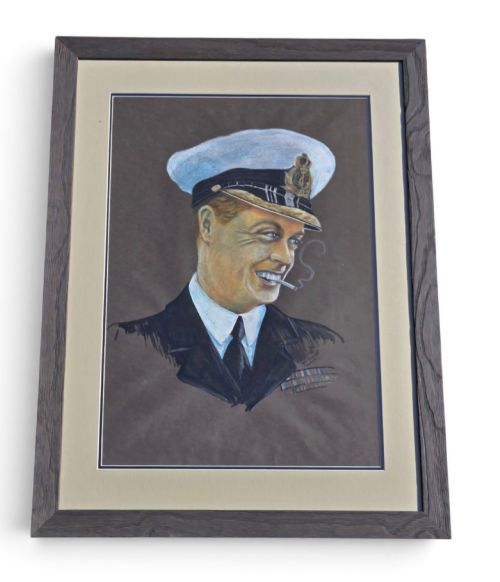
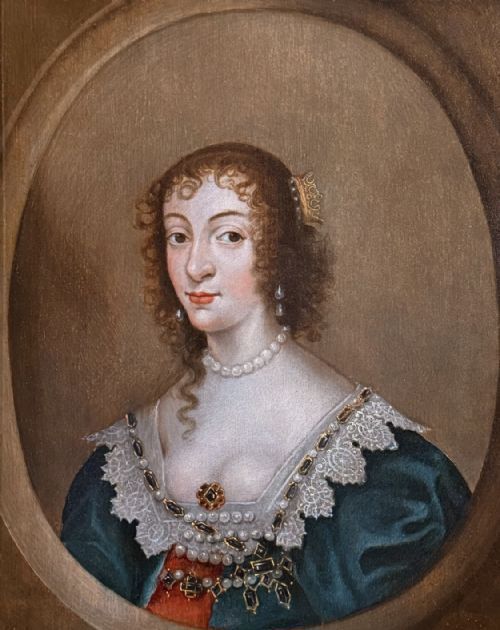
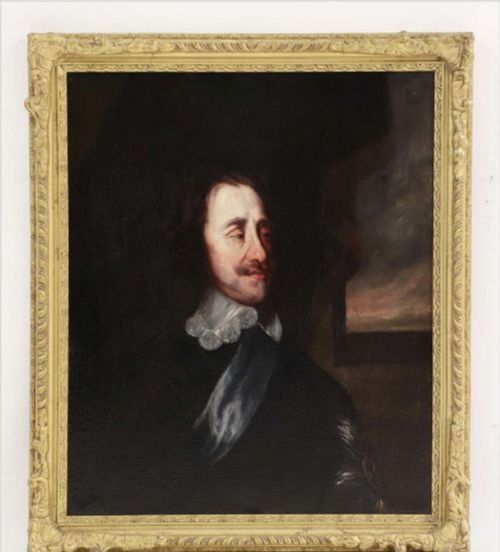
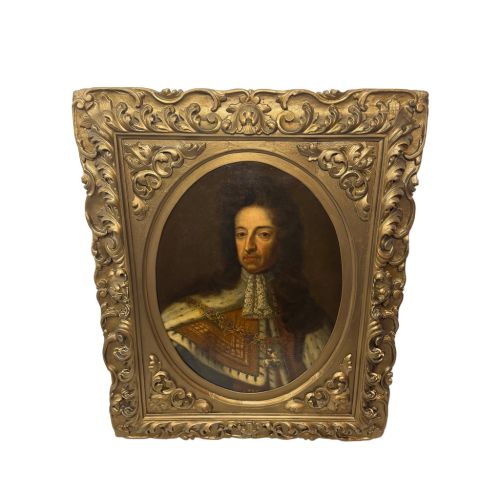
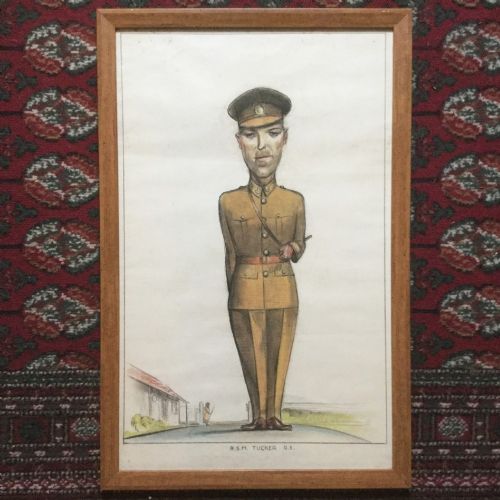
A royal portrait painting records monarchs, consorts, and military figures, ranging from seventeenth-century oil works on canvas to twentieth-century pastels and watercolours.
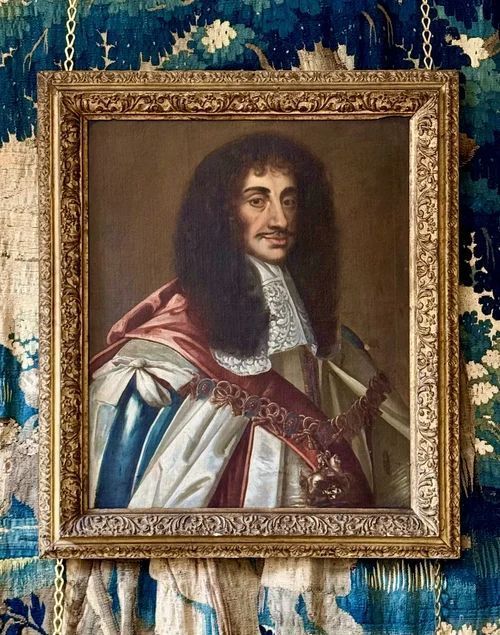
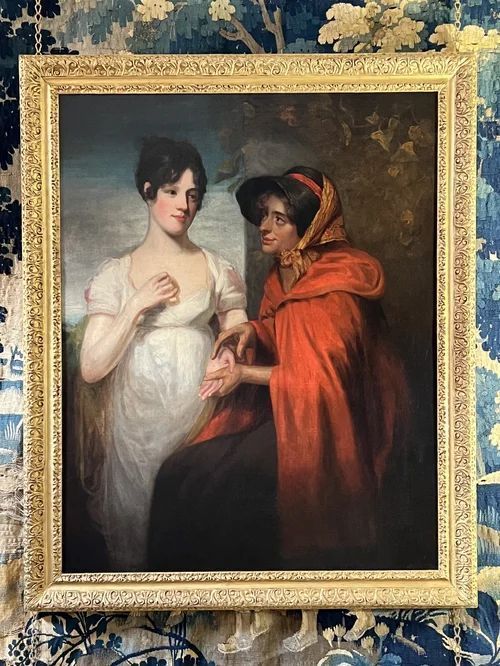
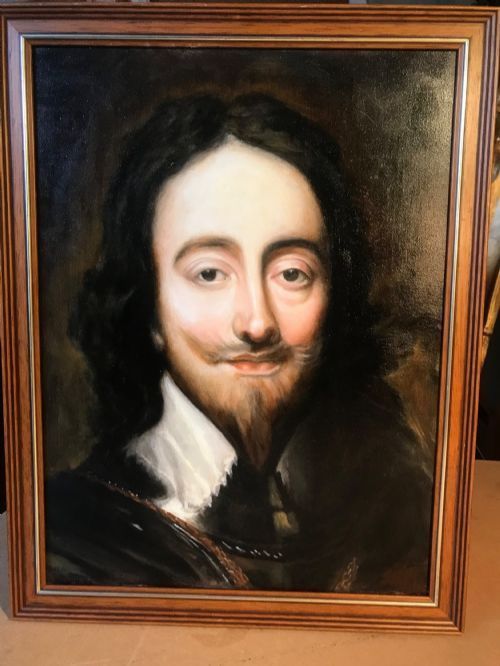
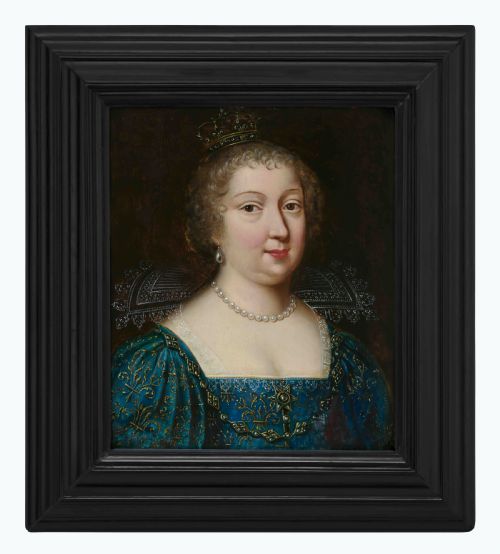
Buyers encounter seventeenth-century depictions of monarchs after artists such as Van Dyck and Sir Peter Lely, alongside nineteenth-century oils and Georgian reverse glass prints.
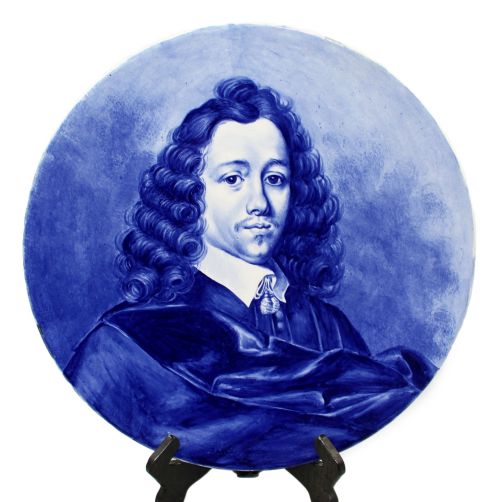
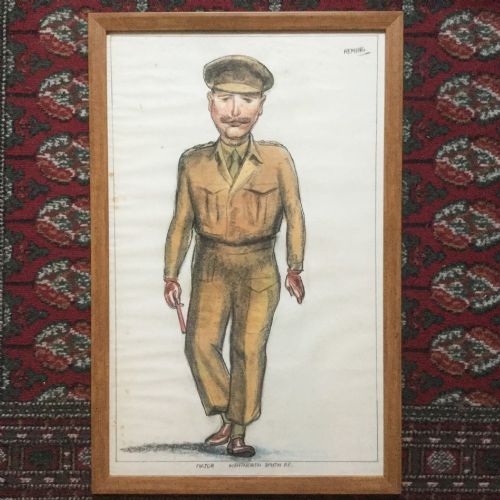
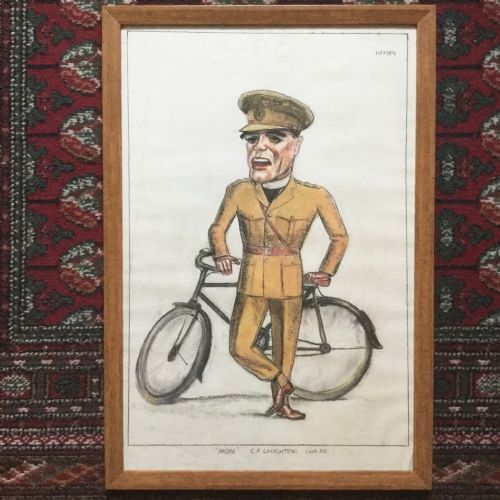
The selection encompasses cabinet plates, enamel miniatures, and large framed canvas works recording historical dynasties and military officers.
How they were made
Makers utilised oil paint on canvas and wood panels, sometimes employing delicate enamel or pastel and gouache on paper.
Many works incorporate carved and gilded wooden frames, while others utilise reverse glass printing techniques or ceramic glazes on pottery.
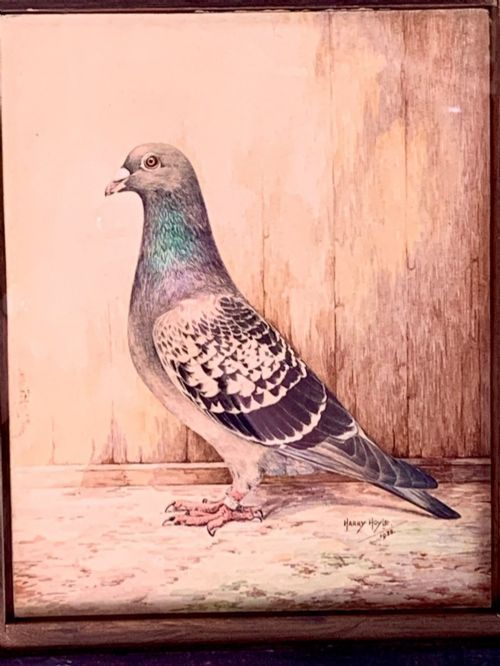
Pigeons win prizes too, as proven by the royal messenger watercolour recording a King George V Silver Jubilee champion.
What varies in quality
The standard of execution depends upon the precision of brushwork and the fidelity of the likeness to the royal or military subject.
Condition of the original ground, whether canvas, oak panel or glass, alongside the preservation of the period gilding, influences the character of the piece.
Henry Bone ARA·Sir William Beechey RA·John Opie RA·Frederick Goodall RA·Ronald Ossory Dunlop RA
The Royal Portrait Painting Glossary
- Oil on canvas
- A painting technique using pigments bound in a drying oil applied to stretched fabric. This medium allows for deep tonal gradations and enduring colour retention.
- Reverse glass print
- An image painted or transferred onto the rear side of a glass panel to be viewed from the front. This method produces a glossy surface finish.
- Portrait miniature
- A small, highly detailed painting executed on vellum, card, or enamel. These intimate works were often created to be worn or carried.
- Panel painting
- Artwork created on a flat piece of wood rather than canvas. Oak and other stable timbers were utilised by early makers to support ground layers.
- Giltwood
- Wood that has been coated with a thin layer of gold leaf or powder. This finish is commonly found on period frames housing fine art.
Royal Portrait Painting: Frequently Asked Questions
How are these portraits dated?
Dating relies on costume details, recorded artist signatures, and the physical characteristics of the canvas or wood panel support.
Comparison with known archival works and contemporary prints helps establish the approximate decade of creation.
Where were these paintings displayed?
Original locations included royal residences, state offices, and the private drawing rooms of prominent military and political figures.
Today, they suit traditional libraries, study spaces, and gallery walls within residential homes.
How do I care for an oil portrait?
Keep the artwork away from direct sunlight and maintain stable room temperatures to prevent the canvas or panel from warping.
Dust the surface gently with a soft, dry brush and avoid chemical cleaning solutions entirely.
What does after an artist mean?
This descriptor indicates that the work is a later period copy executed in the style or composition of a master painter.
Such pieces allowed patrons to own likenesses of significant historical figures long after the primary artist passed away.