




Van Dyck Portrait
A van dyck portrait captures the elegance of seventeenth-century court life, offering collectors a direct link to Baroque masterworks.
Van Dyck Portrait
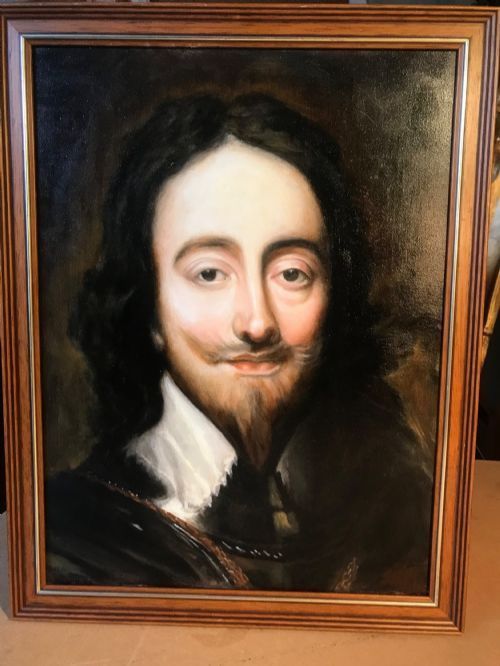
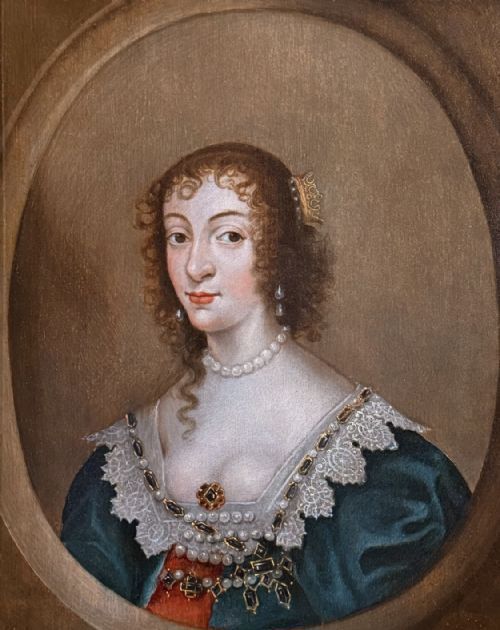
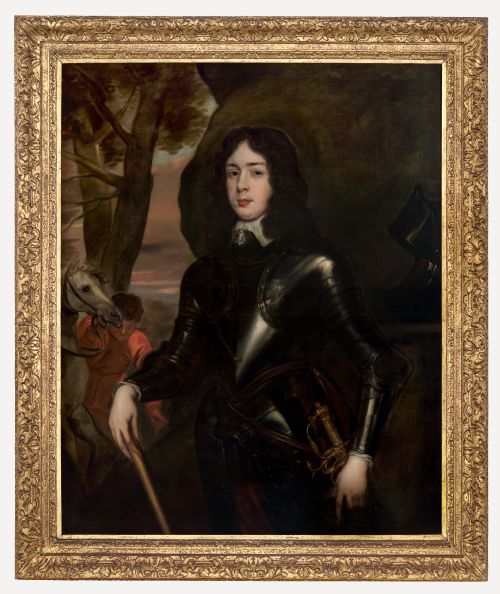
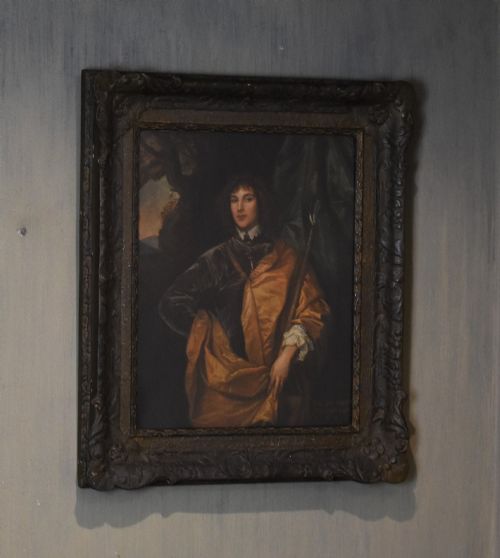
When you search for a van dyck portrait, you are looking at oil paintings, drawings, and framed prints depicting royalty, nobility, and notable figures of the seventeenth century and subsequent eras. These works typically follow the compositions of Sir Anthony van Dyck, executed by his studio, followers, or later artists working in the Baroque style.
You are most likely to meet seventeenth-century and eighteenth-century oil paintings on canvas or wood panel, alongside later nineteenth-century interpretations and twentieth-century prints. Subjects range from King Charles I and Queen Henrietta Maria to aristocratic officers and court ladies, often rendered in rich armour or elaborate period dress.
How they were made
The materials recorded in these works combine oil paint applied to canvas or wood panels, frequently housed in giltwood frames ornamented with gold leaf. Artists utilised traditional layering techniques with oil medium to build depth in fabrics, flesh tones, and background details such as horses or pillars.
Draftsmanship underpins the painted surfaces, visible in preparatory drawings on paper or fine brushwork on panel. Later interpretations and prints utilise paper and glass to preserve reproductive works, while sculptural studies employ bronze cast methods to translate two-dimensional compositions into three dimensions.
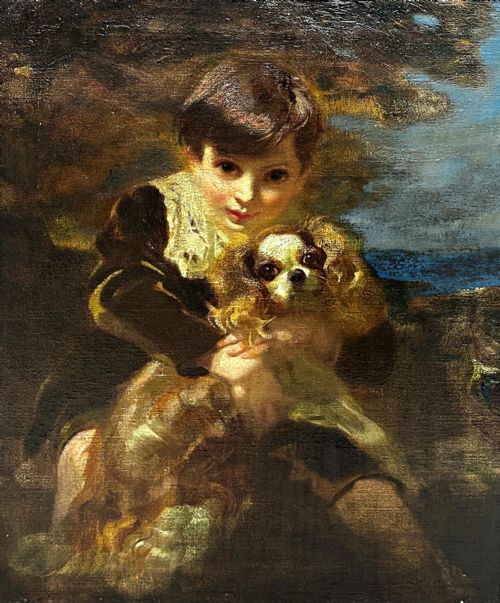
One young boy is immortalised holding his Cavalier King Charles Spaniel while dressed in full seventeenth-century costume.
What varies in quality
The distinction between pieces rests upon the proximity of the maker to the original hand and the vigour of the brushwork. Studio pieces and close contemporaries exhibit a fluid handling of drapery and psychological depth in the sitter's expression, whereas later copies can appear rigid in comparison.
The integrity of the physical support also dictates the standing of a piece, separating well-preserved surfaces on original wood panel or canvas from heavily restored or cut-down examples. Furthermore, the quality of the surrounding frame, particularly period giltwood, contributes to the overall coherence of the artwork.
Sir Anthony van Dyck·Jean Jules Salmson·Frank Owen Salisbury
The Van Dyck Portrait Glossary
- Baroque
- A European style of art characterised by dramatic use of light and shade, exuberant detail, and movement. This aesthetic defines the grand court portraiture associated with van Dyck.
- Old Master
- A term applied to skilled European painters working before the nineteenth century. Many works in this category fall under this broader classification due to their seventeenth- and eighteenth-century origins.
- Giltwood
- Wood that has been covered with a thin layer of gold leaf or gilt. This material is standard for framing high-status oil paintings from the period.
- Anglo-Flemish School
- A grouping of artists working in Britain influenced by Flemish painting traditions. Van Dyck himself was Flemish and worked extensively in England, establishing this stylistic lineage.
- Provenance
- The chronology of the ownership and pedigree of an item. Pieces with documented country house histories carry distinct archival weight.
Van Dyck Portrait: Frequently Asked Questions
What is a van dyck portrait?
A van dyck portrait is a painting, drawing, or print that replicates or is directly inspired by the compositions of the seventeenth-century master Sir Anthony van Dyck. These pieces record monarchs, courtiers, and aristocrats in formal attire.
The category encompasses period studio copies from the seventeenth century, later eighteenth- and nineteenth-century interpretations, and twentieth-century prints or bronze studies that reference his distinct visual legacy.
Who was painted in these portraits?
The primary subjects are members of the seventeenth-century Stuart court, most notably King Charles I, Queen Henrietta Maria, and their children. Aristocrats, military commanders, and cultural figures such as architects also frequently appear.
Sitters are often identified by name in the titles, including figures like Lord Wharton, the Countess of Derby, and Inigo Jones, reflecting the high status of the original patrons.
How do I date a copy?
Dating relies on examining the physical support, the materials of the canvas or panel, and the preparation of the ground layers. Seventeenth-century works show age-appropriate craquelure and canvas weaves distinct from later reproductions.
Stylistic cues in the framing, pigment analysis, and historical provenance recorded in archive notes further help distinguish a seventeenth-century studio piece from an eighteenth- or nineteenth-century revival.
Where were these paintings displayed?
Historically, such portraits hung in the long galleries and reception rooms of English country houses, manor houses, and royal palaces to signal political allegiance and dynastic importance. They were designed to impress visitors with the sitter's authority.
In modern interiors, these works function as traditional focal points in studies, libraries, or living rooms, pairing well with period furniture and wood-panelled walls.