
Equestrian Oil Portrait
An equestrian oil portrait captures the power and character of horses, offering collectors a rich tradition of equine art spanning multiple centuries.
Equestrian Oil Portrait
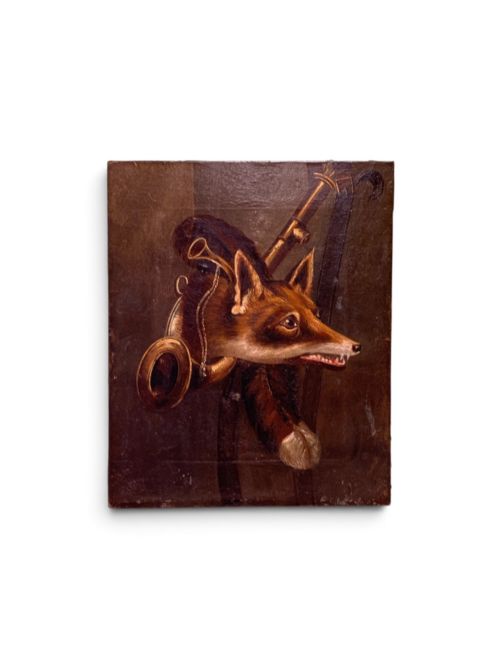
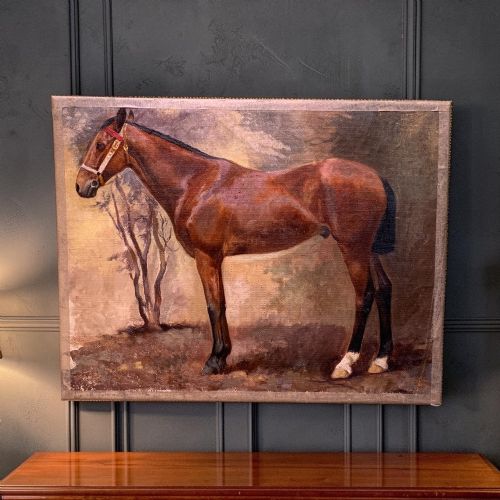
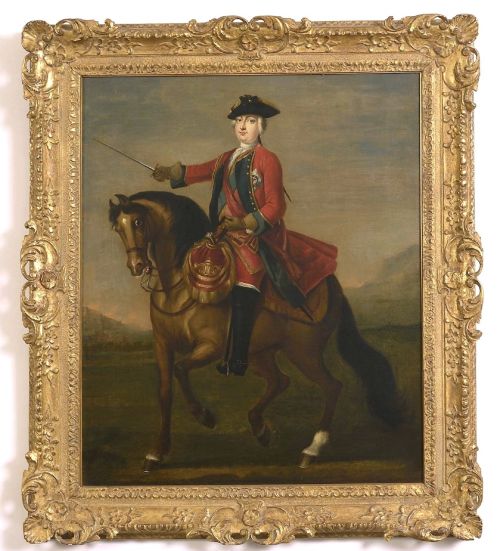
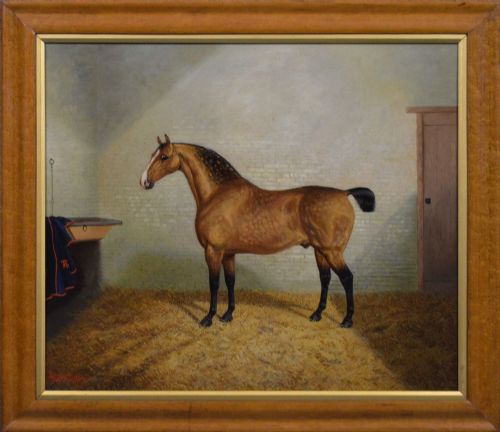
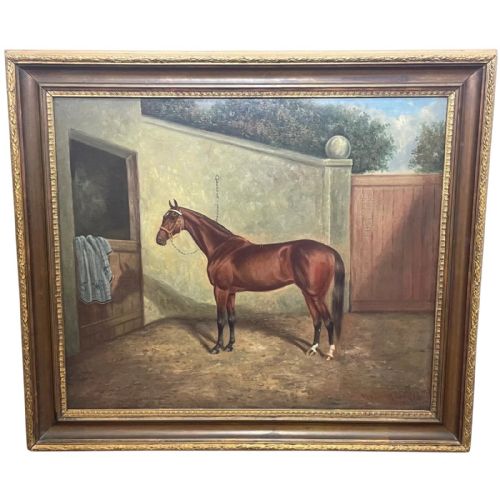
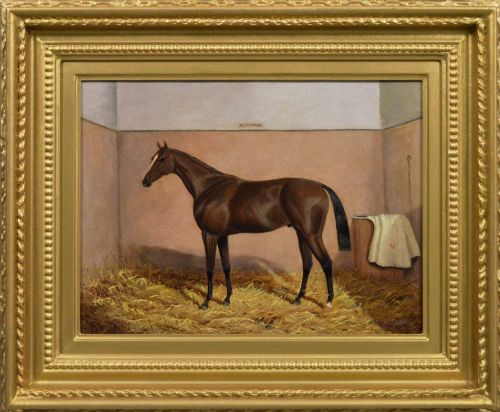
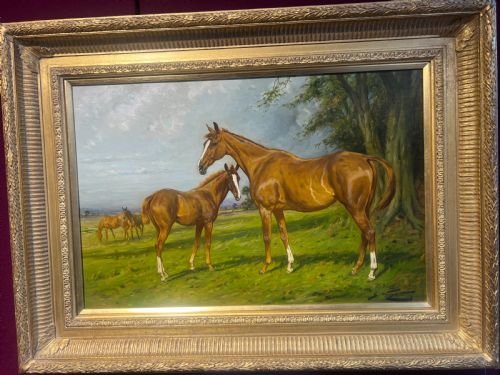
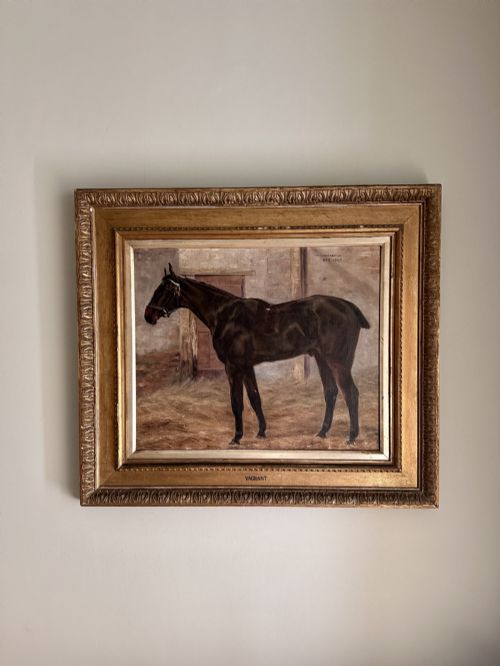
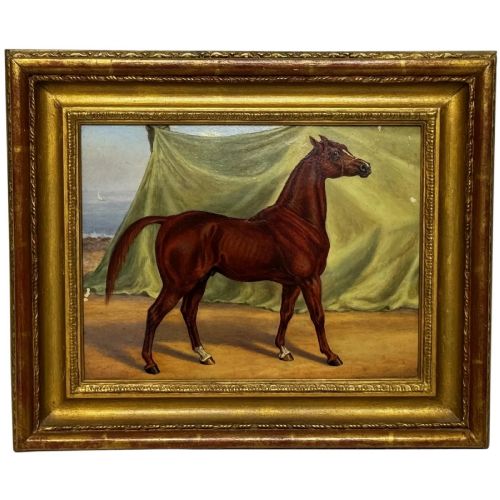
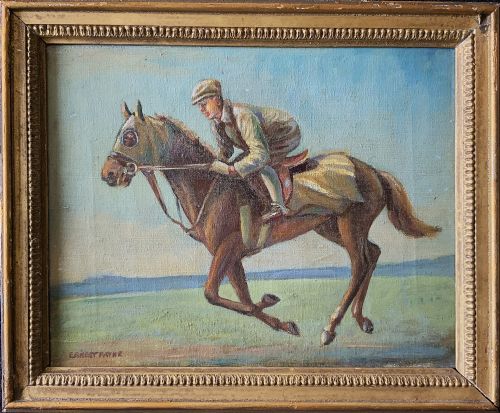
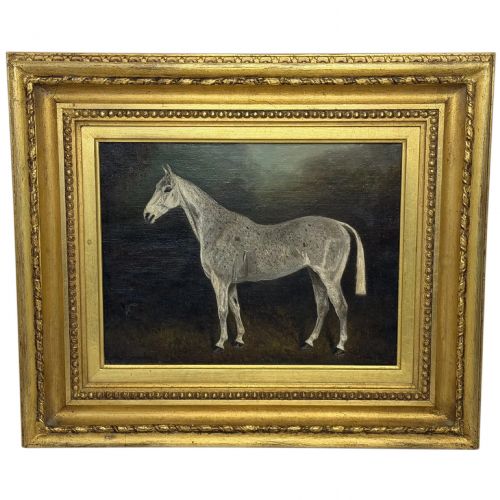
An equestrian oil portrait focuses on horses, ranging from celebrated racehorses and hunters to individual animal studies and sporting scenes. When exploring an equestrian oil portrait, buyers most frequently encounter nineteenth-century and Victorian works executed in oil on canvas.
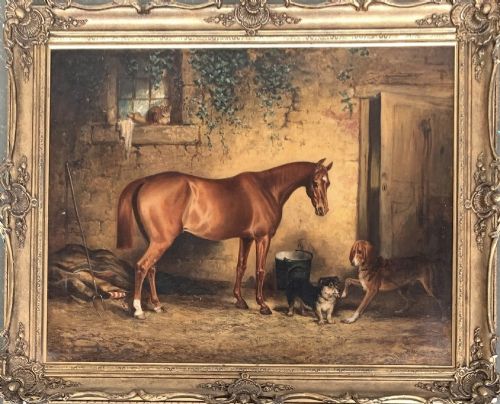
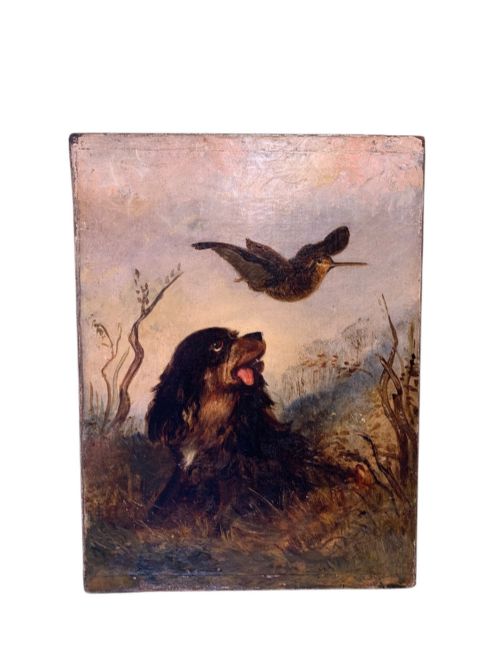
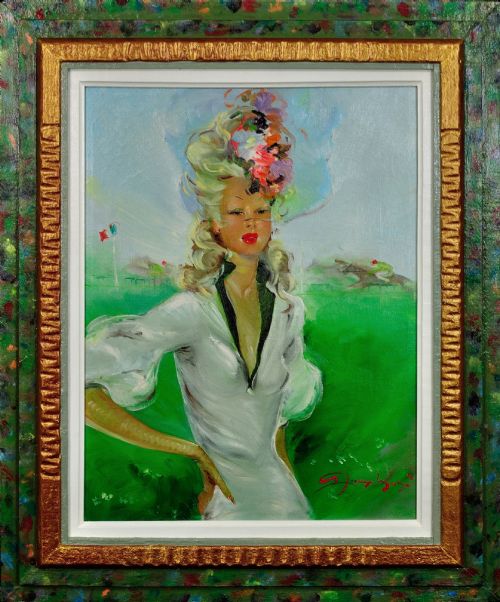
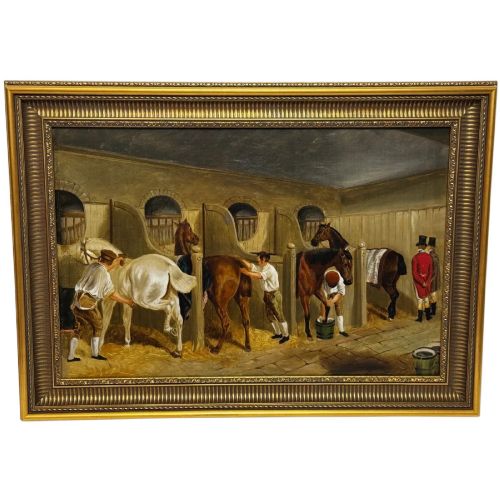
The selection includes specific named thoroughbreds, stable interiors, and regional British sporting art alongside occasional French school panels and mid-century examples. These pieces document equine history, lineage, and the enduring connection between humans and horses across the Georgian, Victorian, and Edwardian eras.
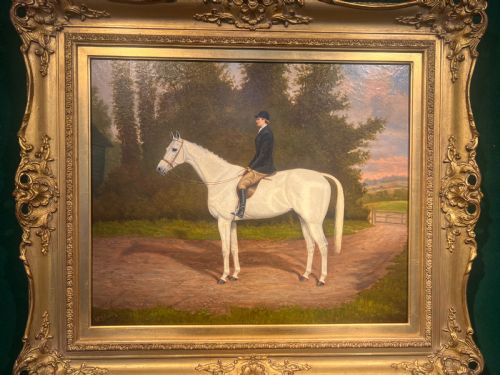
Subjects span from renowned race winners like Spion Kop and Persimmon to local hunters and grey mares recorded by period artists. The works reflect a deep historical engagement with equine conformation and sporting prestige.
Materials and technique
Makers applied oil paint to stretched canvas, wood, pine panels, or board, building up rich layers of pigment to render the sheen of horse coats and landscape backgrounds. Canvas remains the primary support across the nineteenth-century examples.
Giltwood and gilt frames frequently accompany these paintings, providing traditional ornamentation that complements the depth of the oil pigments. Artists utilised fine brushwork to delineate muscle structure, tack, and the distinct markings of individual animals.
Factors of distinction
Quality in these portraits rests upon the anatomical accuracy of the horse, the fluidity of the brushwork, and the artist's ability to capture the individual spirit of the animal. Superior examples display precise command over light and shadow, particularly in rendering muscle tone and coat texture.
Provenance and documentation elevate certain pieces, especially when works identify specific historical horses, named jockeys, or recognised artists. The integration of the subject within a convincing landscape or stable interior also separates standard decorative works from accomplished fine art.
Henry Barraud·John Wootton·Thomas Hudson·Albert Clark·Fred Fitzpatrick·Ernest Payne·Thomas Walker Bretland·John Ferneley Senior·John Alfred Wheeler·Karl Georg Arsenius
The Equestrian Oil Portrait Glossary
- Oil on Canvas
- A traditional painting medium where coloured pigments suspended in drying oils are applied to a woven fabric support stretched across a wooden frame. This combination allows for rich blending and textured application.
- Giltwood
- Wood carved and coated with a thin layer of gold leaf or gold paint, frequently used for traditional picture framing during the Georgian and Victorian periods. It adds a warm metallic border to the artwork.
- Sporting Art
- A genre of painting dedicated to depicting rural sports, hunting, racing, and individual animals associated with field sports. It flourished in Britain throughout the eighteenth and nineteenth centuries.
- Panel
- A rigid support for painting, constructed from wood such as pine or board rather than fabric. Panels offer a stable surface that endured well over centuries.
- Provenance
- The documented history of ownership of an artwork, tracing its path from the creator or original patron to the current collection. Clear provenance establishes authenticity and historical context.
Equestrian Oil Portrait: Frequently Asked Questions
How do I identify the age of an equestrian oil portrait?
Age is typically indicated by the style of the canvas, the preparation of the wooden panel or stretcher frame, and the framing materials used. Costume details of any riders or handlers also help anchor the piece within periods like the Georgian or Victorian eras.
Signatures, inscriptions on the reverse, and recorded historical records for named racehorses provide further chronological markers. Comparing the handling of the paint and landscape background with documented works by known sporting artists clarifies the timeline.
Where were these horse paintings originally displayed?
These works traditionally hung in country houses, estate libraries, and stable offices to commemorate prized bloodstock, hunting victories, and family sporting achievements. Owners commissioned local and metropolitan artists to record the exact likeness of their favourite animals.
Over time, many migrated through country estate sales and specialised galleries before entering the wider art market. Today, they suit both traditional studies and contemporary interiors seeking historical character.
What is the difference between a racehorse portrait and a general hunter painting?
A racehorse portrait usually commemorates a specific turf winner, often including the jockey, trainer, or a reference to the racecourse and winning year. These pieces emphasise pedigree, racing silks, and official accolades.
General hunter or stable portraits focus on the utility and conformation of the riding horse, often placing the animal within a pasture or stable yard. They highlight everyday equine companionship and regional sporting life rather than turf glory.
How should I care for an antique oil painting on canvas?
Keep the painting away from direct sunlight, damp conditions, and rapid temperature fluctuations that can cause the canvas to slacken or the oil paint to crack. Maintain stable indoor humidity to preserve both the fabric support and the wooden frame.
Dust the surface very gently with a soft, dry brush, avoiding harsh chemical cleaners or moisture. Professional conservators should handle any deeper cleaning or structural repairs to the canvas and gilt frame.