
Stuart Era Portrait Painting
stuart era portrait painting captures the physical presence of nobility, clergy and gentry through centuries-old oils on canvas and panel.
Stuart Era Portrait Painting
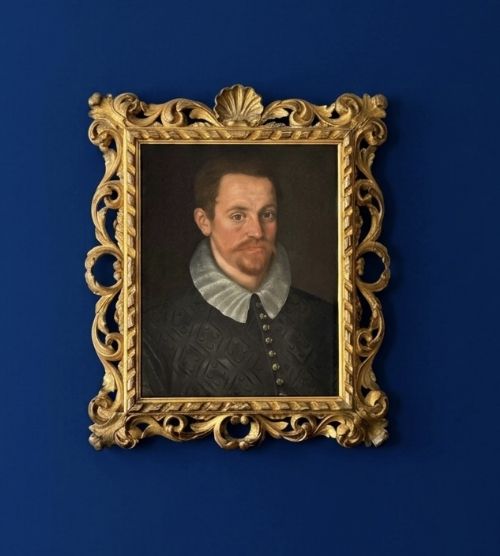
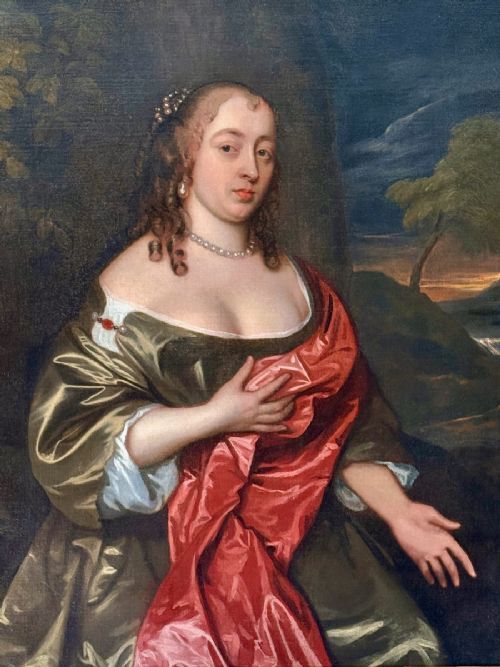
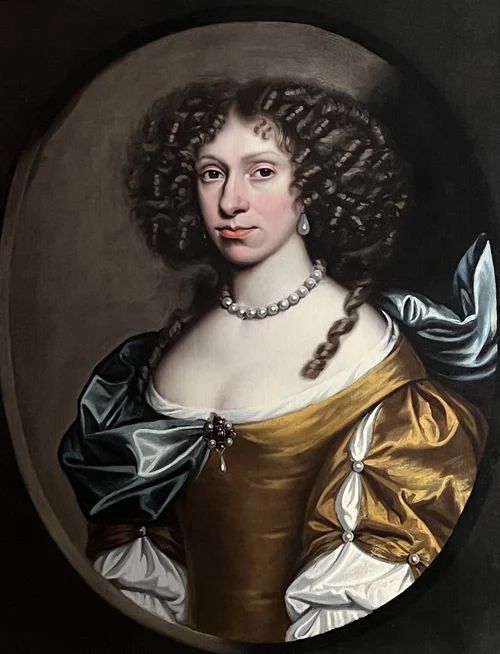
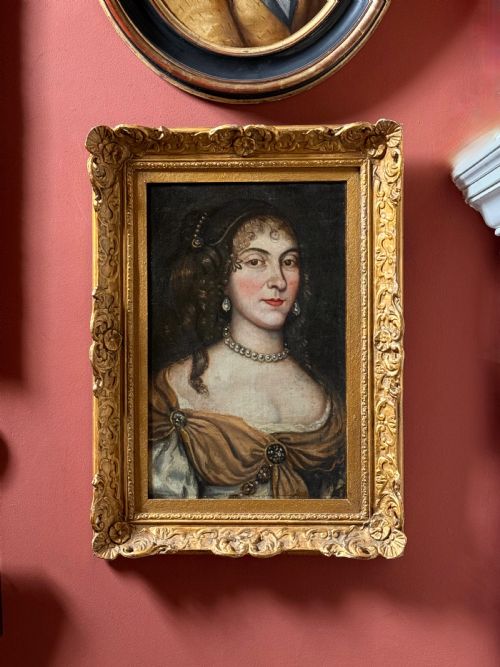
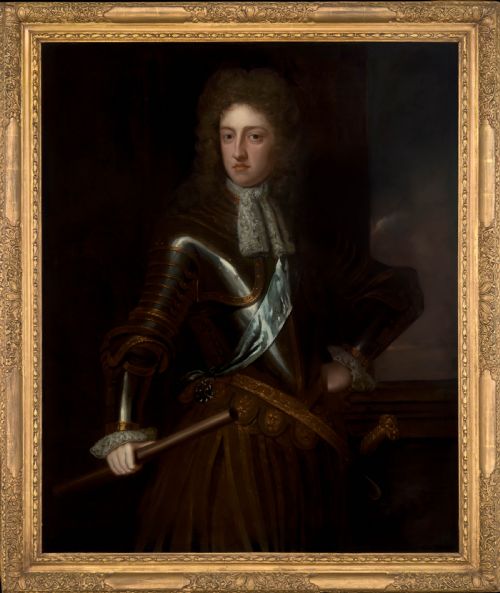
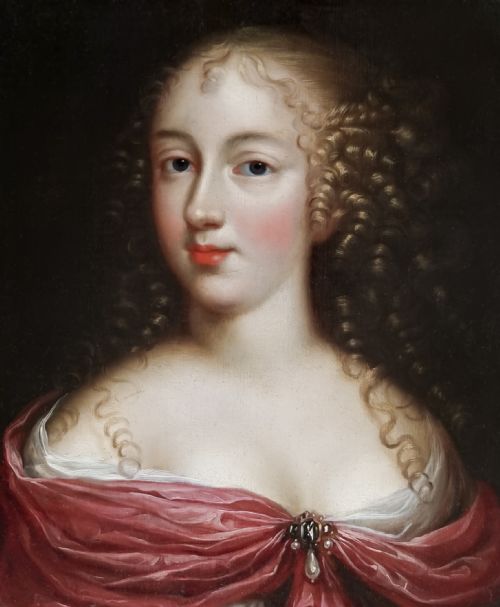
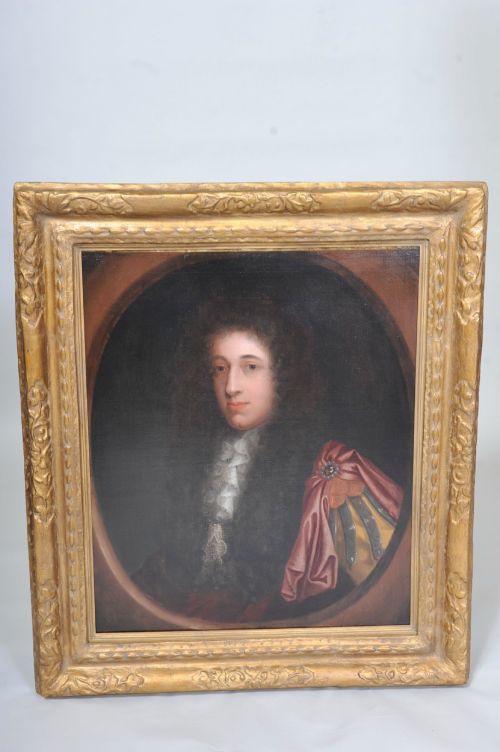
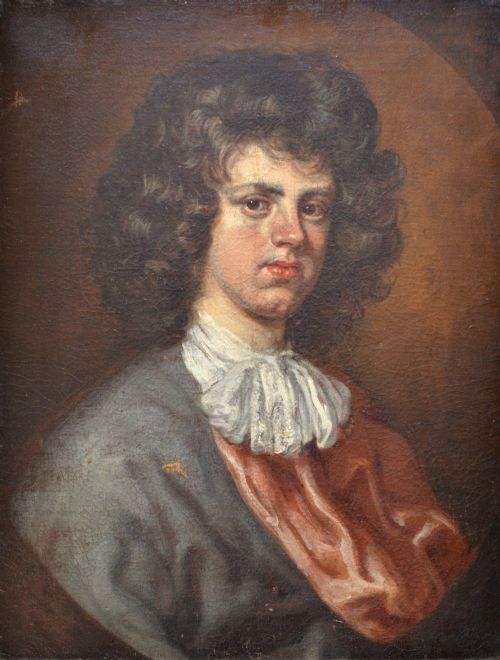
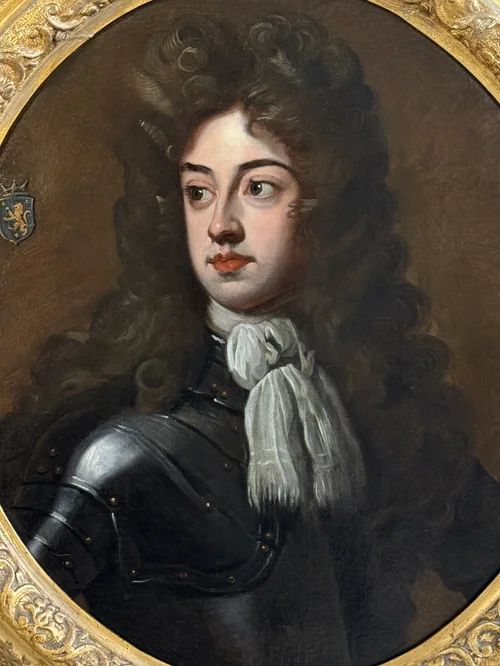
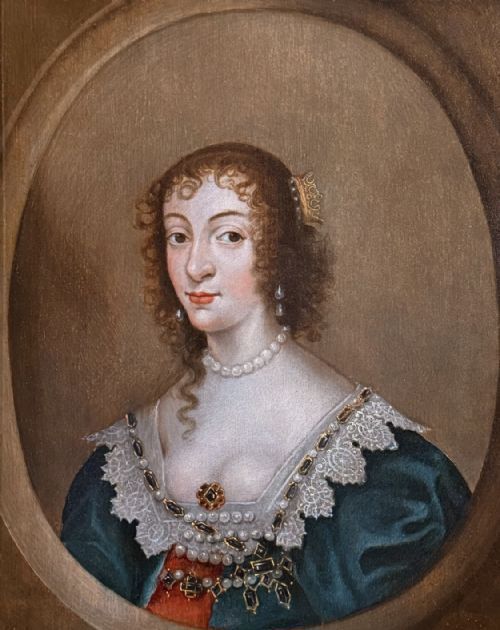
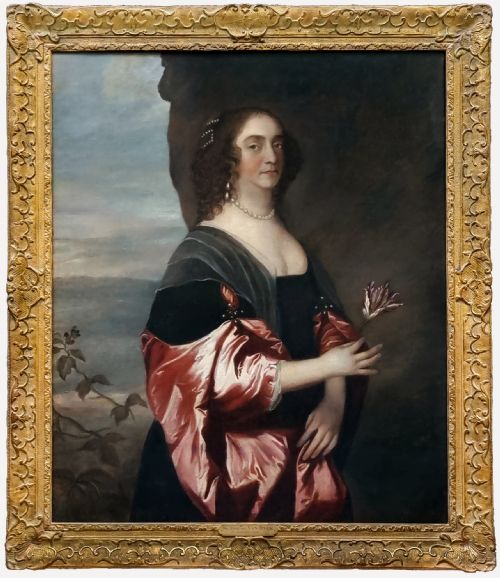
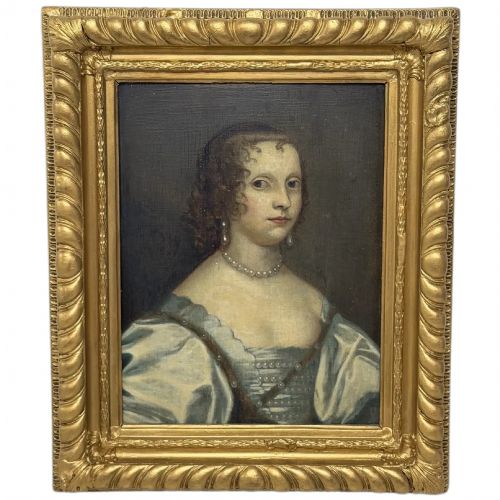
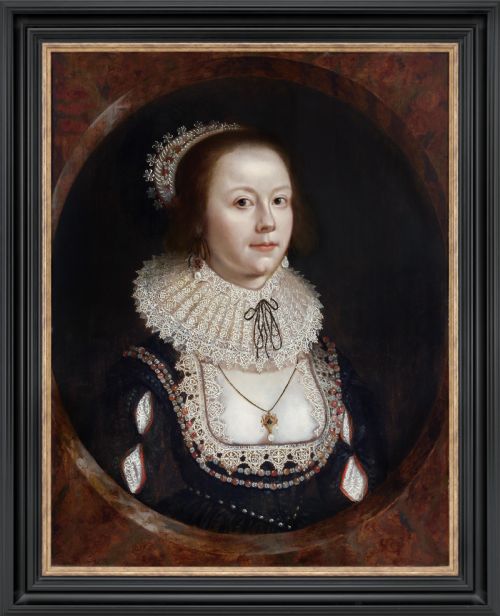
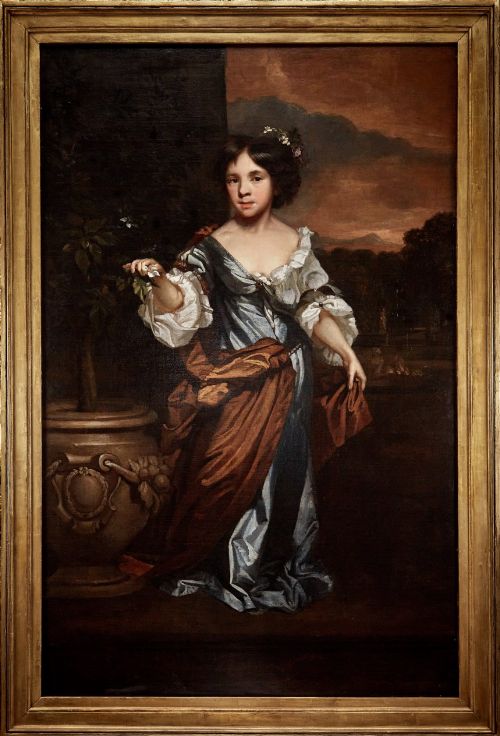
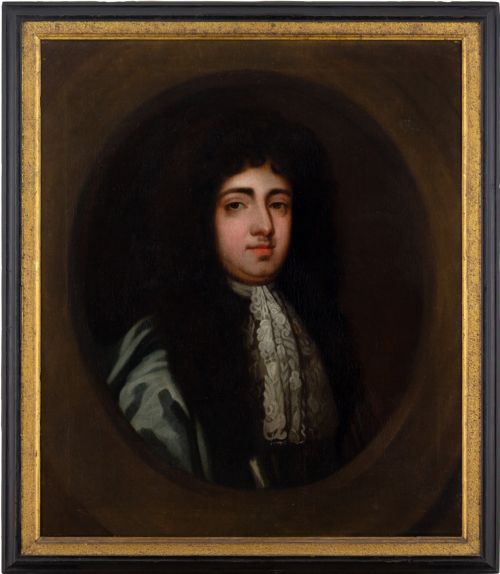
A stuart era portrait painting typically depicts identified sitters ranging from noblewomen in sumptuous attire to puritan ministers and military commanders. The forms span knee-length canvases, bust-length panels and formal compositions attributed to 17th-century English and Scottish schools.
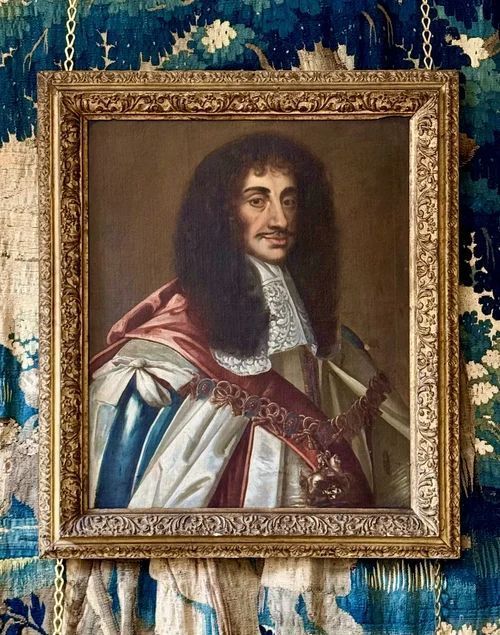
Most examples originate from the 17th century and the transitional year of 1700, reflecting the stylistic shifts from Jacobean stiffness to English Baroque movement. Sitters are rendered with specific markers of rank, including dark embroidered doublets, white ruffs, lace, pearls and garter robes.
Works appear either by named masters of the period or within the circles, studios and followers of prominent portraitists. The subjects include notable historical figures such as King Charles II, royal dukes and bishops alongside regional landowners.
Distinctions in quality and execution
The degree of individual characterisation in the sitter's face separates workshop repetitions from prime portraits painted from life. Master hands achieve depth in textile folds, lace collars and skin tones through nuanced brushwork rather than formulaic drapery.
Provenance and documentation regarding the sitter and the studio attribution elevate historical significance. The survival of original panel supports and untouched oil surfaces preserves the integrity of the composition against historical overpainting.
Listings feature works executed on both woven canvas and rigid oak panels dating across the seventeenth century.
Sir Peter Lely·Sir Godfrey Kneller·Mary Beale·John Michael Wright·John Greenhill
The Stuart Era Portrait Painting Glossary
- Oil on Canvas
- A traditional painting medium where oil paint is applied to a stretched woven fabric support. This method allowed artists to work on larger scales during the seventeenth century.
- Giltwood
- Wood that has been decorated with a thin layer of gold leaf or powder. Period frames utilise this technique to create an ornate metallic border around the painting.
- Circle of
- A designation used when a work is by an unidentified artist working closely alongside a master in the same period. It denotes strong stylistic influence from that specific painter's workshop.
- Doublet
- A close-fitting man's jacket worn during the early seventeenth century. These garments often featured elaborate embroidery and were markers of social status in portraits.
- Oak Panel
- A rigid wooden support made from oak boards used by artists before canvas became dominant. Panel paintings from the seventeenth century require stable environmental conditions to survive intact.
Stuart Era Portrait Painting: Frequently Asked Questions
How do I identify a stuart era portrait painting?
Look for the characteristic clothing styles of the seventeenth century, such as lace collars, ruffs, velvet gowns and embroidered doublets. The treatment of light and shadow often follows Baroque conventions established during the reigns of the Stuart monarchs.
Attributions to regional schools or specific portrait circles help narrow down the date, whilst inscriptions on the canvas occasionally name the sitter and the year of execution.
What is the difference between canvas and panel works?
Earlier seventeenth-century works frequently utilise wooden oak panels as a rigid base for the oil pigments, whereas later decades saw a shift towards woven canvas supports. Panel paintings tend to have a smooth, flat surface texture that reflects the techniques of sixteenth-century traditions.
Canvases allow for larger compositions, such as knee-length or full-length portraits incorporating extensive landscape backgrounds and architectural columns.
How should I care for an old oil painting?
Keep the artwork away from direct sunlight, radiators and sudden changes in humidity to protect the wooden stretcher or panel and stabilise the oil paint layer. Display the painting on an interior wall where temperature fluctuations remain minimal throughout the year.
Avoid using water or cleaning agents on the painted surface; consult a professional conservator if the varnish yellows or dust accumulates on the canvas.
What do studio and circle attributions mean?
Paintings attributed to the circle of an artist indicate that the hand is anonymous but trained within the immediate stylistic orbit of a master like Sir Peter Lely or Cornelius Johnson. Studio pieces often involve assistants working under the supervision of the principal painter to replicate popular portraits.
These works share the technical palette and compositional formulas of the named master while remaining distinct pieces produced in seventeenth-century workshops.