



Seventeenth Century Fine Art
Seventeenth century fine art comprises historic oil paintings and needlework panels capturing sitters and mythological scenes from the Baroque era.
Seventeenth Century Fine Art
When searching for seventeenth century fine art, buyers encounter oil paintings on canvas or oak panel alongside needlework pictures. These pieces span the 17th Century and later revivals, preserving the visual culture of Stuart and Restoration Britain alongside the Dutch Golden Age.
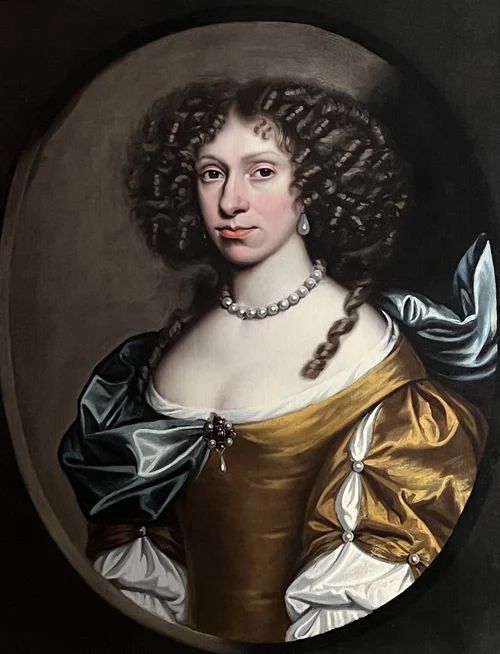
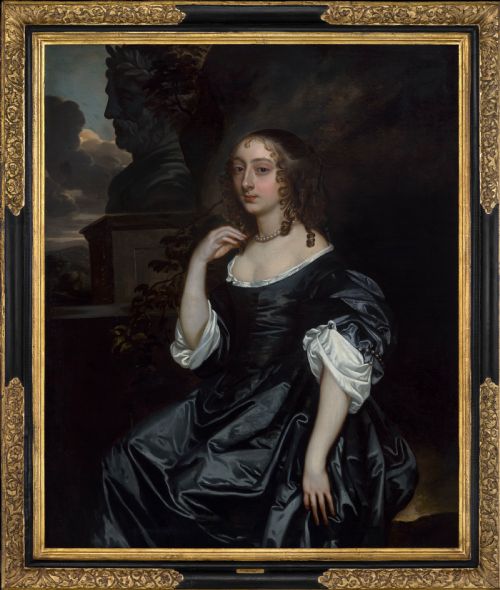
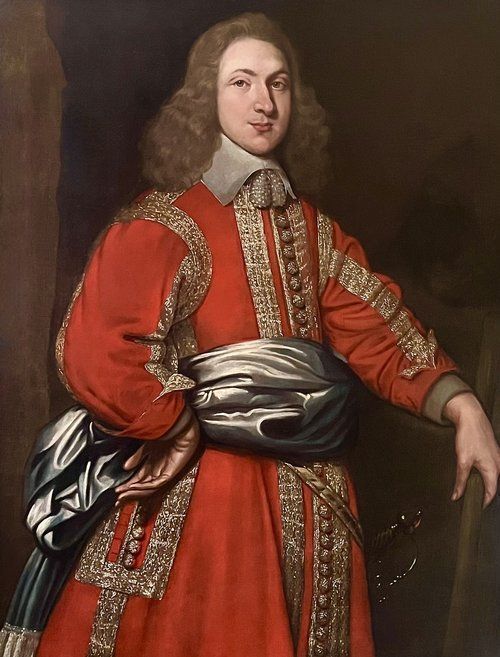
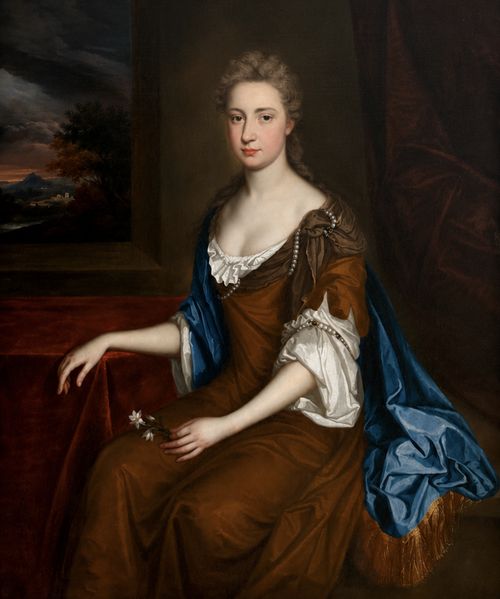
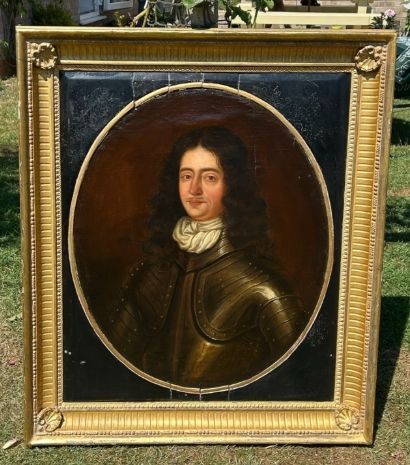
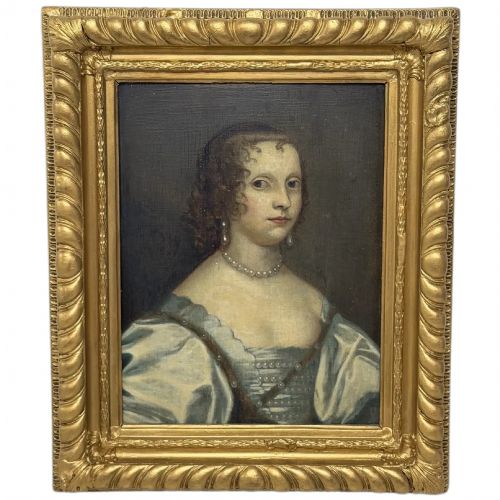
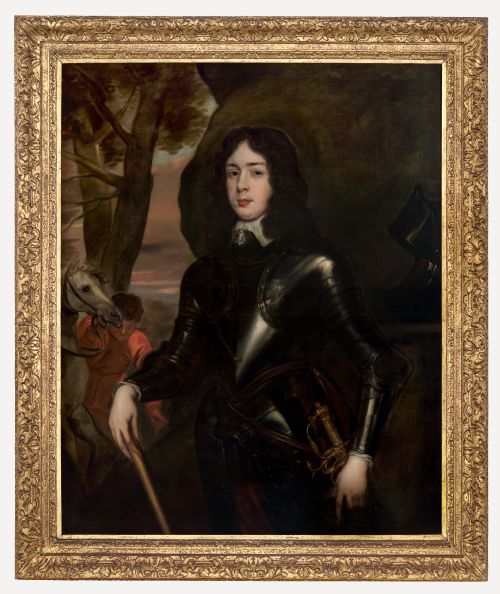
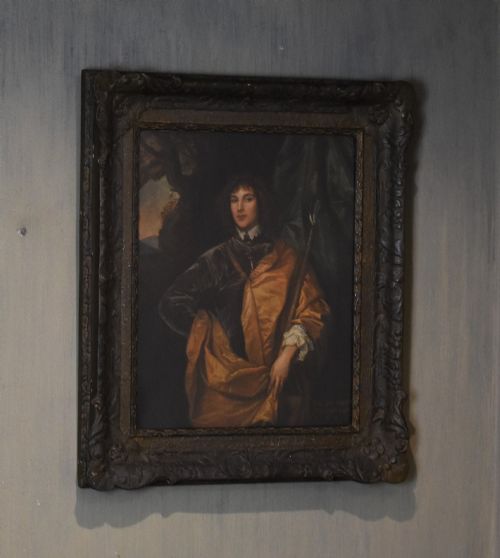
Portraits dominate the selection, depicting military officers, court figures, bishops and ladies of the Markham or Napier families. Mythological subjects and still life compositions also appear among the works produced by Northern European schools and British artists.
Materials and construction methods
Textile works utilise needlework techniques on fabric grounds to render pictorial scenes. Pigments are worked meticulously onto the prepared surfaces to capture the elaborate dress, lace collars and armour characteristic of the period.
Sitters occasionally pose alongside unexpected companions, including exotic birds and horses.
Factors distinguishing individual pieces
The survival of the original surface, the stability of the canvas or panel, and the integrity of the associated giltwood frame influence the standing of an artwork. Patina and historical inscriptions add documentary weight to surviving portraits.
David Scougall·Sir Peter Lely·Sir Anthony van Dyck·Michael Dahl·Nicolaes Maes·Thomas Hill·Peter Paul Rubens·Francesco Albani·Adriaen Hanneman
The Seventeenth Century Fine Art Glossary
- Oil on canvas
- Pigment mixed with drying oil applied to a stretched woven fabric support. This method became the dominant technique for European easel painting during the Baroque period.
- Oak panel
- A rigid wooden support constructed from quarter-sawn oak boards. Artists frequently painted directly onto these prepared wooden foundations before canvas gained universal preference.
- Giltwood
- Timber carved and coated with a thin layer of gold leaf or metallic powder. This material frames and elevates fine art pieces.
- Needlework picture
- A decorative composition stitched with threads on a fabric ground. These textile panels often depict figures and pastoral scenes.
- Baroque
- The dominant artistic style of the seventeenth century characterised by dynamic movement and deep chiaroscuro. It encompasses Dutch Golden Age painting and English court portraiture.
Seventeenth Century Fine Art: Frequently Asked Questions
What subjects appear in seventeenth century fine art?
Portraits of nobility, military officers, clergymen and ladies form the largest category of works available. Mythological narratives and still life arrangements also feature.
These compositions reflect the prevailing aesthetic values and social hierarchies of seventeenth century patrons and European schools.
How should these paintings be displayed at home?
Artworks require stable interior environments away from direct sunlight and excessive humidity fluctuations. Proper wall placement protects the canvas and giltwood frames.
Ambient lighting enhances the oil pigments and dark varnishes characteristic of the period without causing heat damage.
How are periods and schools identified?
Attributions rely on costume details, painting technique, historical inscriptions and stylistic comparisons with known masters. Anglo-Dutch and Northern European characteristics point to specific regional workshops.
Signatures, dates and sitter identifications provide further clues for dating and contextualising each individual piece.
What is the difference between panel and canvas works?
Panel paintings utilise solid oak boards which offer a rigid, durable support common in earlier seventeenth century works. Canvas supports provide flexibility and allow for larger compositions.
Both mediums require careful conservation to prevent cracking in the paint layers or warping of the wooden backing.