
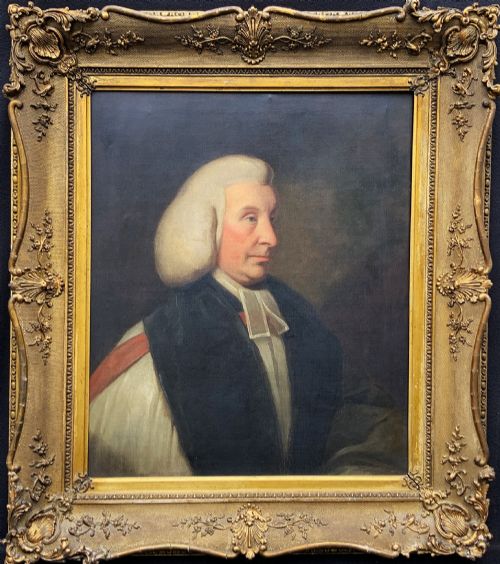


Antique Clergyman Portrait
An antique clergyman portrait captures the gravity of past ecclesiastics through oil paint and watercolour on canvas.
Antique Clergyman Portrait
When you search for an antique clergyman portrait, you encounter likenesses of reverends, bishops, and deans rendered in oils and watercolour. These works span the seventeenth, eighteenth, and nineteenth centuries, mapping the evolution of British portraiture through subjects in clerical dress.
You meet pieces originating from the seventeenth century, the Georgian era, and the Victorian period, reflecting the changing tastes in framing and sitter presentation. Gilt wood frames often accompany these canvases, enhancing the presence of figures such as bishops and doctors of divinity.
The version you are most likely to encounter on this page is an oil painting on canvas depicting a named clergyman from the eighteenth century. These works frequently record the specific dates, titles, and lineage of the sitter alongside the brushwork of regional and follower schools.
Materials and execution
Painters applied oil paint to stretched canvas for the majority of these works, building up dark, solemn backgrounds that contrast with the white bands and clerical robes of the sitters. Some Victorian examples utilise watercolour on paper, offering a lighter touch compared to heavy seventeenth-century oils.
Gilt wood and gesso frames enclose many of the canvases, displaying moulded ornamentation that dates alongside the paintings themselves. Artisans worked pigments into canvas supports, sometimes inscribing the sitter's age, identity, or date directly onto the lower registers.
One seventeenth-century sitter gazes out alongside an inscription recording his exact age as sixty-eight.
Assessing quality and execution
The presence of contemporary inscriptions, discernible signatures, and original gilt wood framing elevates a piece above anonymous school paintings. Attribution to documented artists or their close circles distinguishes masterworks from standard provincial commissions.
Robert More·Eden Upton Eddis·Edward Penny·James Ward
The Antique Clergyman Portrait Glossary
- Oil paint
- A slow-drying medium composed of pigments suspended in a drying oil, usually linseed, utilised extensively across canvas portraits from the seventeenth century onward. This material allows for subtle blending of skin tones and deep tonal shadows.
- Canvas
- A heavy woven fabric stretched across a wooden frame to serve as a sturdy support for oil paintings. It superseded wooden panels in many British portrait traditions.
- Gesso
- A paint mixture consisting of a neutral binder mixed with chalk, gypsum, or pigment, applied to wooden frames before gilding. This ground layer creates a smooth surface for subsequent metal leaf application.
- Watercolour
- A painting method in which natural pigments are suspended in a water-soluble vehicle, producing translucent washes on paper supports. This medium appears more frequently in nineteenth-century works on this page.
- Gilt wood
- Wood carved and coated with a thin layer of gold leaf, frequently forming the decorative borders of antique portrait frames. It provides a reflective boundary that isolates the dark tones of the canvas.
Antique Clergyman Portrait: Frequently Asked Questions
How do I date a clergyman portrait?
Examine the style of the clerical bands, wigs, and robes worn by the sitter, as ecclesiastical dress shifted significantly between the seventeenth and nineteenth centuries. Inscriptions on the canvas or stretcher often record the exact year or the sitter's age at the time of painting.
Compare the canvas weave and the construction of the gilt wood frame with known period examples. Stylistic markers such as brushwork and the presence of contemporary signatures further anchor the work within a specific century.
Who are the typical sitters?
The subjects are predominantly members of the British clergy, including reverends, deans, doctors of divinity, and bishops. These men often held prominent positions within parishes or universities.
Many portraits commemorate specific individuals of local or national importance, sometimes noting their birth and death dates directly on the canvas. Commissioned by parishes or families, these works served to record the legacy of respected churchmen.
Where should I hang these portraits?
Display these works away from direct sunlight and excessive humidity to protect the oil paint and canvas support. Traditional studies, libraries, and dining rooms complement the solemn atmosphere of clerical portraiture.
Ensure the gilt wood frame is secured to wall studs using appropriate hardware, given the substantial weight of large framed canvases. Position the painting at eye level to fully appreciate the detail in the sitter's expression.
What does 'follower of' mean?
This attribution indicates an artist working closely in the manner of a well-known master, often during the same period or shortly after. These painters adopted the compositional style and palette of a prominent portraitist without being the master himself.
Such works demonstrate the widespread influence of major eighteenth-century portrait traditions outside of primary workshops. They offer insight into contemporary artistic trends while remaining distinct from direct studio output.