


Framed 17th Century Painting
A framed 17th century painting brings centuries of European portraiture and dramatic historical narrative directly into a room.
Framed 17th Century Painting
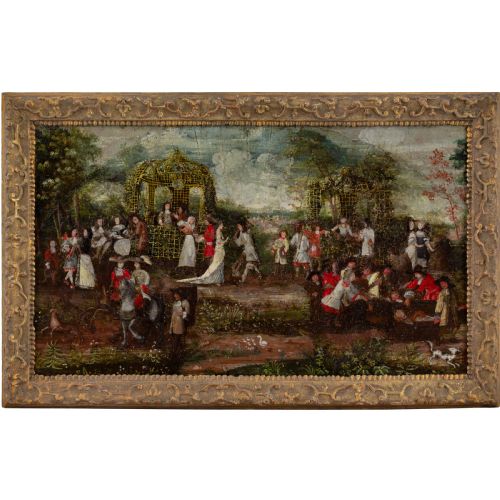
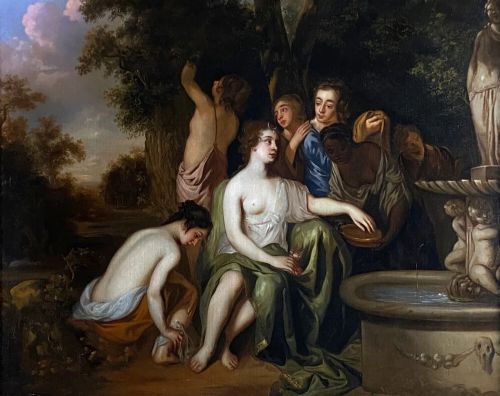
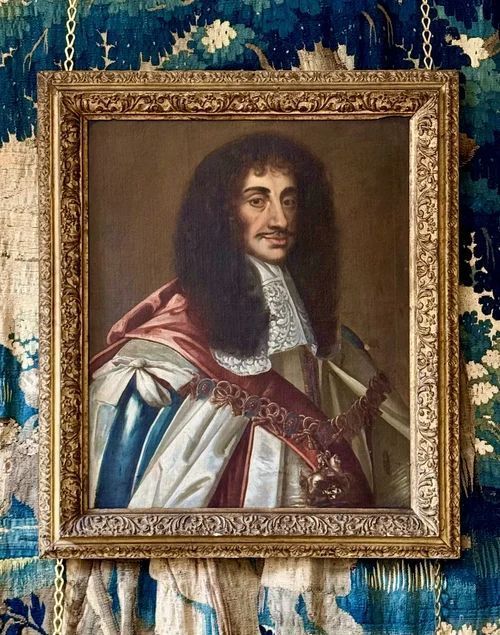
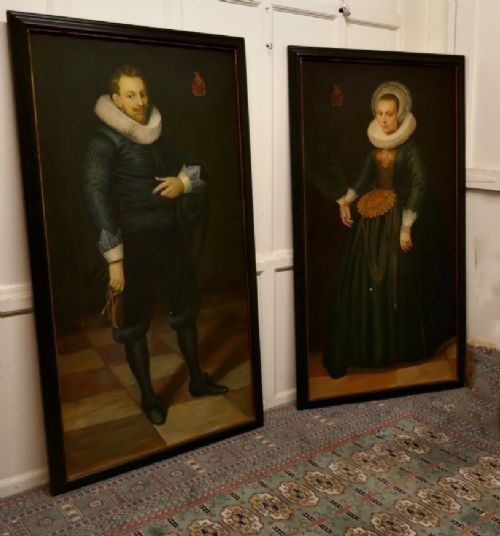
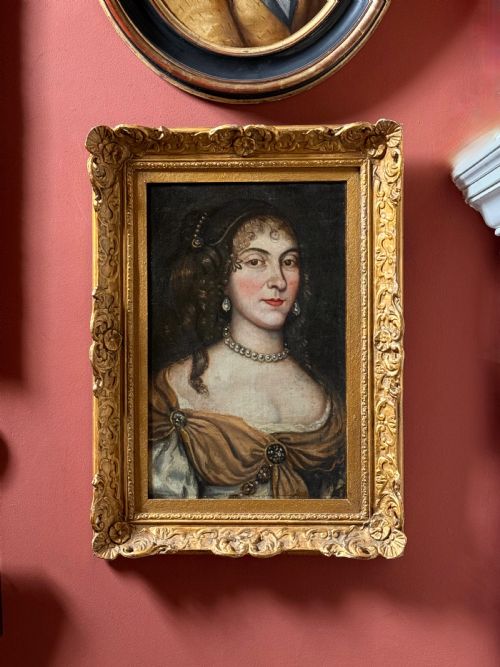
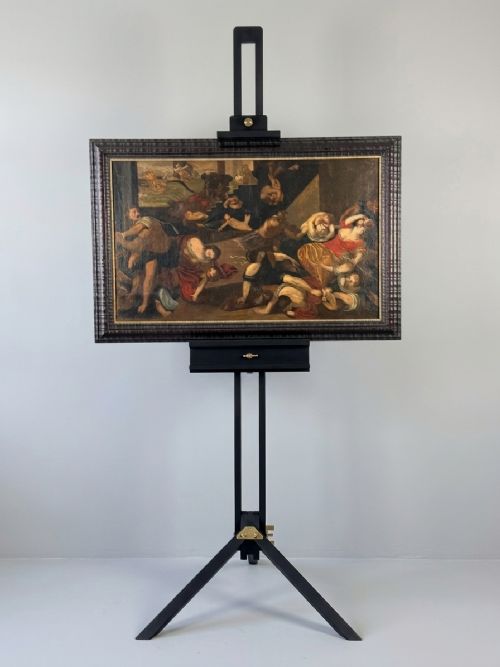
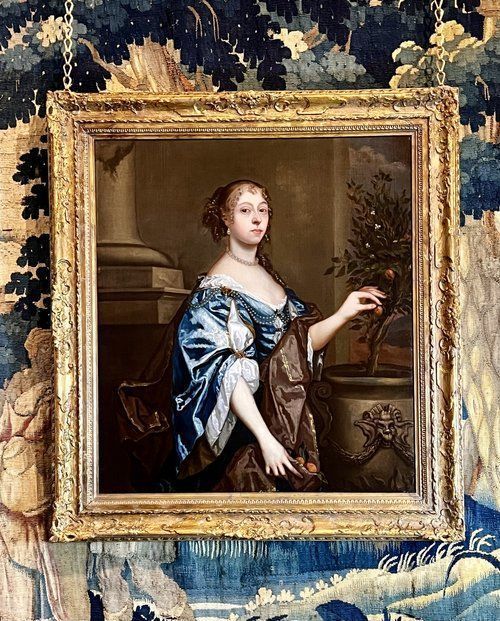
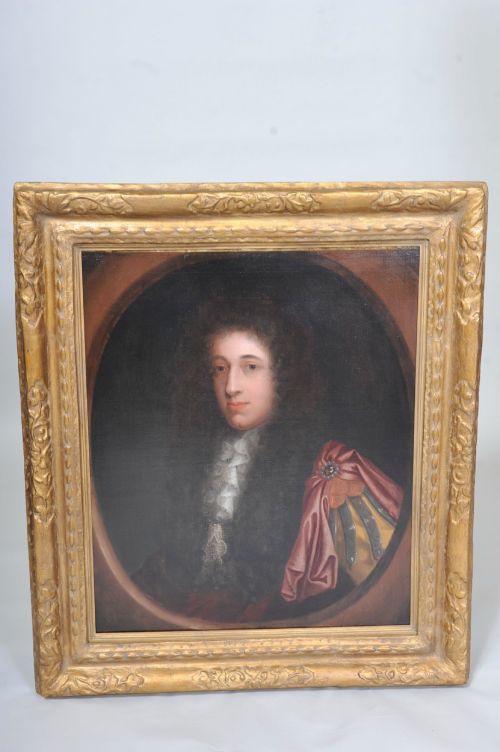
When searching for a framed 17th century painting, collectors encounter significant works documenting aristocracy, mythology, and maritime scenes through the lens of Baroque and Golden Age aesthetics. These pieces typically manifest as oil on canvas or panel formats depicting noblemen, ladies in elaborate costume, or dramatic biblical and landscape narratives.
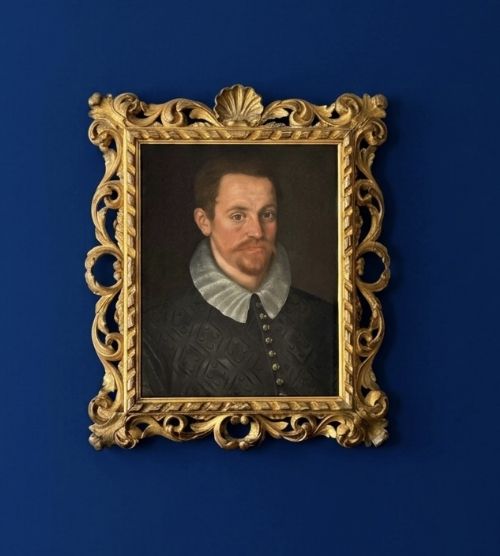
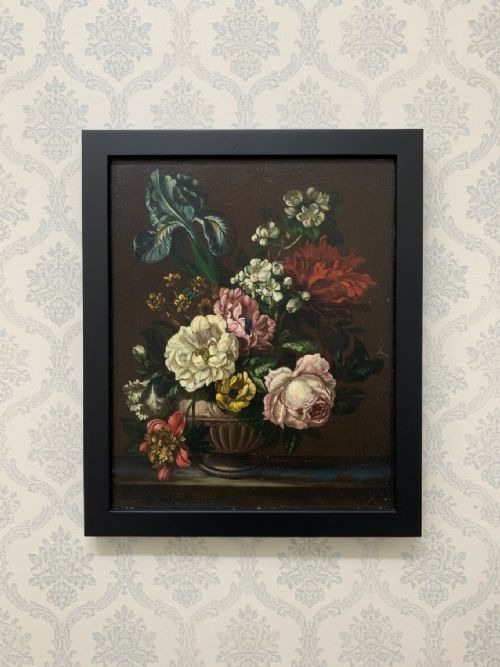
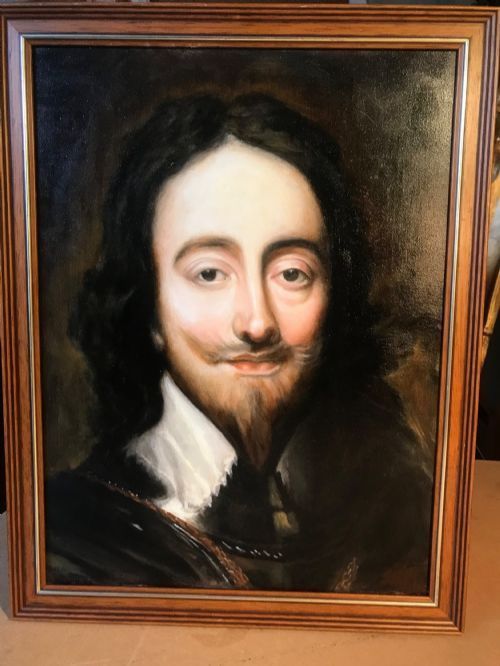
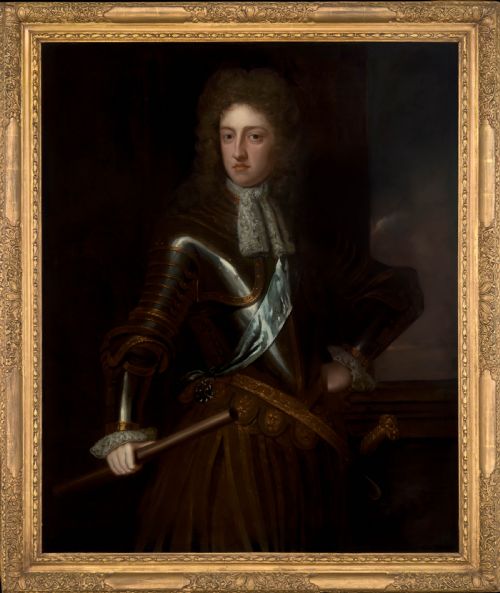
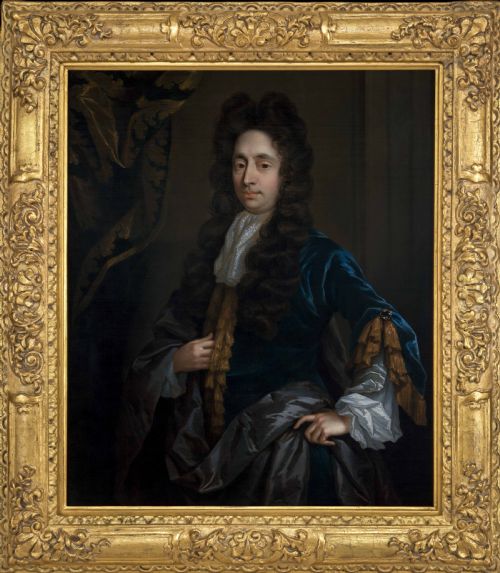
The selection on this page leans heavily toward English, Dutch, and Flemish portraiture executed by studio circles or regional schools. Buyers frequently discover likenesses of monarchs and military officers alongside atmospheric still lifes framed in period-appropriate wood or giltwood mouldings.
Materials and Construction
Makers built these works using oil paint applied to woven canvas supports or solid wood panels, sometimes incorporating gold leaf within the surrounding frames. The pigment layers built up deep tonalities and rich textures characteristic of seventeenth-century studio traditions.
Surrounding frames utilise carved wood and giltwood construction methods that reflect the decorative arts of the period. These housings protect the perimeter of the canvas or panel while providing the heavy visual weight expected of old master works.
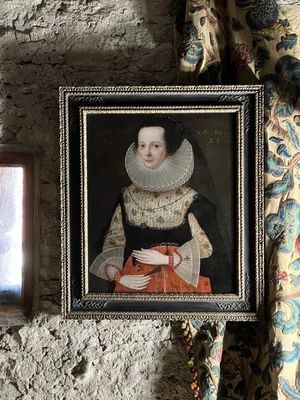
Several noble sitters appear perpetually trapped in uncomfortable lace ruffs that must have made dinner parties an absolute endurance test.
Evaluating Quality
Quality separates studio masterworks and attributed pieces from broader regional school output through the confidence of brushwork and the psychological depth of the subject. Master painters captured textile folds, lace ruffs, and facial expressions with anatomical precision and tonal subtlety.
The integrity of the original surface and the sympathetic pairing with a period frame also dictate desirability. Works retaining their early canvas tension and untouched paint layers command greater attention than heavily restored examples.
Sir Anthony van Dyck·Sir Peter Lely·Sir Godfrey Kneller·John Michael Wright·Pieter Borseler
The Framed 17th Century Painting Glossary
- Pentimento
- A visible trace of earlier painting beneath the layers of paint, showing where the artist changed their mind about a composition.
- Giltwood
- Wood that has been coated with a thin layer of gold leaf or gold paint, frequently used for ornate period frames.
- Old Master
- A term for a European artist of high skill working before about eighteen hundred, particularly from the Baroque and Golden Age periods.
- Studio of
- A designation indicating a work produced by assistants or pupils working under the direct supervision of a master artist.
- Baroque
- A stylistic period of the seventeenth century characterised by dramatic movement, deep shadow, and grand scale.
Framed 17th Century Painting: Frequently Asked Questions
What subjects appear most often?
Portraits of nobility, military officers, and wealthy patrons dominate the available selection, often capturing sitters in elaborate ruffs, armour, or contemporary court dress.
Alongside these human likenesses, buyers also encounter classical narratives, maritime scenes, and detailed still lifes featuring fruit and flowers.
How do I identify the period?
Dating relies on costume details such as lace collars, periwigs, and doublets, combined with stylistic cues from the Dutch Golden Age or English schools.
Signatures, historical inscriptions, and the construction methods of the underlying canvas or panel provide additional chronological markers.
Are these works cleaned or restored?
Many surviving pieces have undergone conservation work over the centuries to stabilise ageing canvas grounds and remove discoloured varnish layers.
Professional restoration helps preserve the legibility of the underlying paint while maintaining the historic character of the surface.
How should I hang a heavy framed canvas?
Secure mounting requires anchoring directly into wall studs or using heavy-duty masonry fixings appropriate for the substantial weight of antique wood and gilt frames.
Positioning should avoid direct sunlight and dramatic humidity shifts to protect the organic materials of both the canvas and the wooden support.