


17th Century Military Portrait
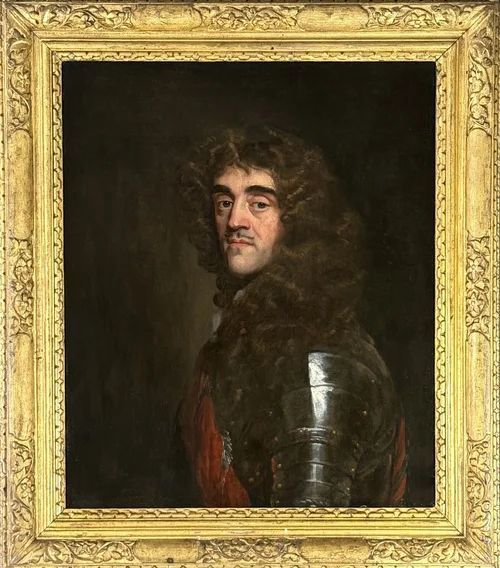
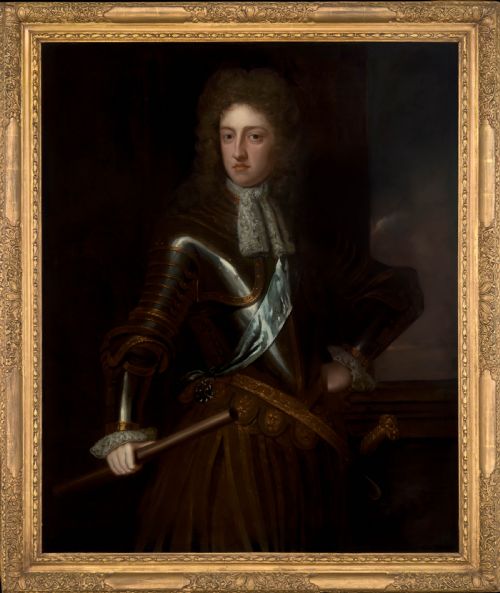
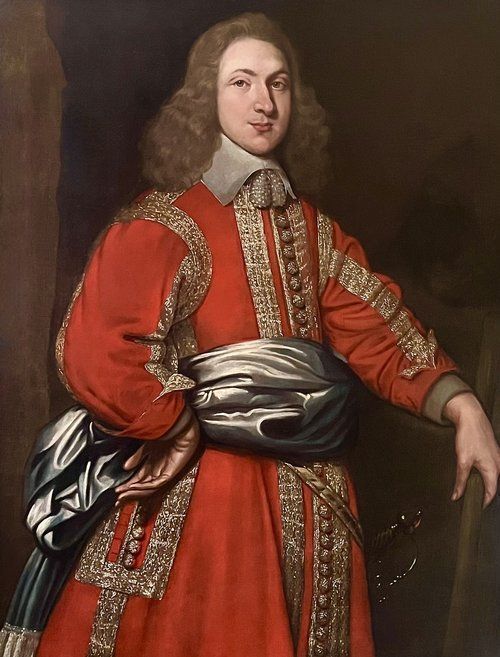
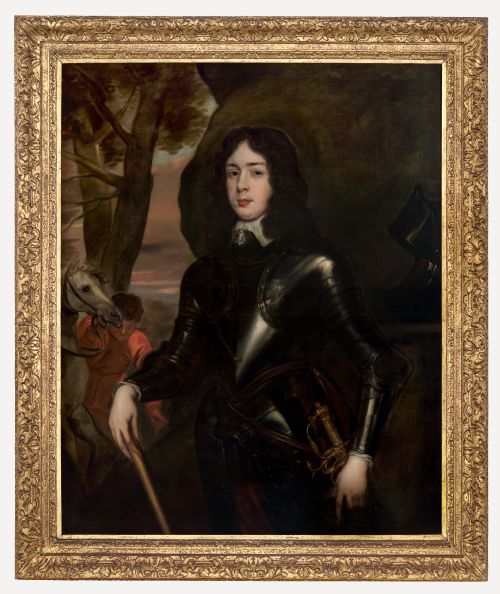
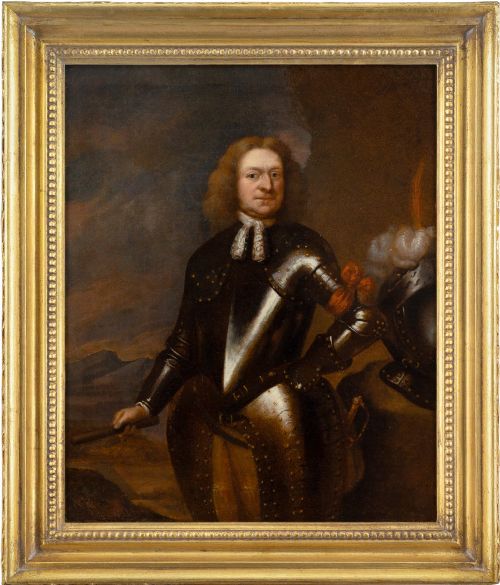
A 17th century military portrait captures the stern authority and martial pomp of an officer in armour, a red coat, or a sash.
17th Century Military Portrait
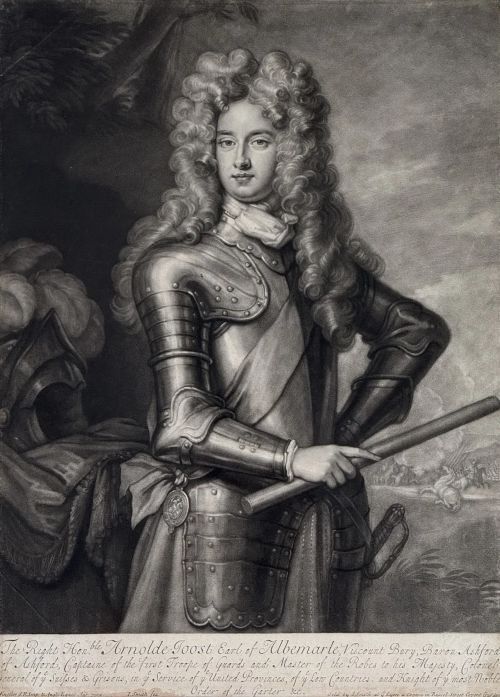
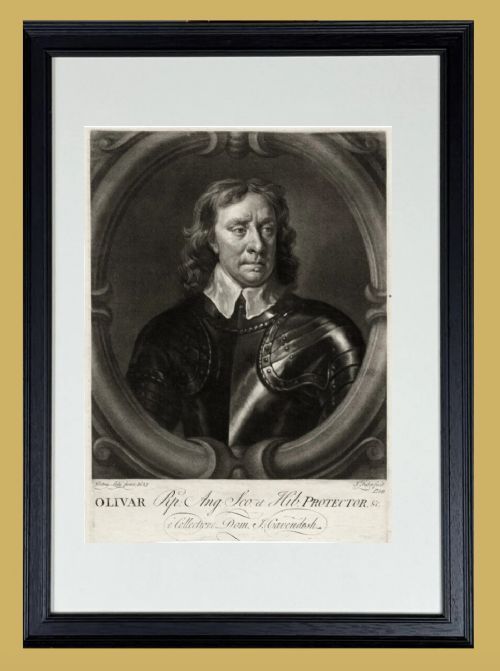
A 17th century military portrait depicts officers, cavaliers, and nobles in armour, often wearing red coats, sashes, or the insignia of rank. These works record the likenesses of military figures from the 17th century and later adaptations or copies.
The pieces appearing here include oil on canvas paintings, framed artwork, and mezzotint prints on paper. They stem from various origins, including the Anglo-Dutch school, Flemish baroque, and British circles.
Buyers encounter grand studio canvases alongside smaller primitive works and later print reproductions. Each piece presents the sitter with the solemn dignity characteristic of early modern portraiture.
How they were made
These works rely primarily on oil paint applied to stretched canvas, mounted within wood and giltwood frames. Artists built up the rich tones of armour and fabric through layered glazes and pigments.
Some examples utilise ink and paper for mezzotint printmaking, translating painted likenesses into fine tonal engravings. Supporting structures typically consist of wooden stretchers and protective glass where works are framed on paper.
The listings on this page span the 17th century, 18th century, and 19th century, alongside a later 1960s interpretation.
What varies in quality
Quality rests upon the sureness of the brushwork and the depth of character captured in the sitter's face. Studio pieces attributed to known artists or their direct circles exhibit a sharper command of anatomy and textile rendering than provincial copies.
The condition of the canvas and the preservation of the original pigment layers determine the visual power of the painting. Early mezzotint prints vary according to the clarity of the ink impression and the preservation of the delicate paper surface.
Sir Godfrey Kneller·Sir Peter Lely·John Greenhill·John Smith·Sir Anthony van Dyck·David Scougall·John Closterman·Samuel Cooper·Samuel van Hoogstraten
The 17th Century Military Portrait Glossary
- Mezzotint
- A printmaking process where the copper plate is roughened to achieve rich dark tones and subtle gradations of light. This technique produced tonal portraits of military officers from painted originals.
- Cavalier
- A term for a supporter of the royalist cause during the mid-seventeenth century, frequently depicted in armour with long hair and a sash. These subjects form a distinct category within military portraiture.
- Baroque
- The dominant artistic style of the seventeenth century characterised by drama, movement, and deep shadow. Paintings in this manner use theatrical lighting to emphasise the sheen of metal armour.
- Anglo-Dutch School
- An artistic exchange between British and Netherlandish painters sharing techniques and compositional formats. This cross-current heavily influenced portraiture of military figures in the seventeenth century.
17th Century Military Portrait: Frequently Asked Questions
What is a 17th century military portrait?
It is an oil painting or print depicting an officer, nobleman, or cavalier from the seventeenth century, typically shown in armour, a red coat, or military dress.
These artworks served to record status, authority, and martial identity during a turbulent century of European conflict.
How were these portraits used?
Patrons hung them in country houses, estate offices, and family halls to project lineage, power, and military distinction.
They acted as visual statements of loyalty and authority for commanders and nobility.
How do I live with an old oil painting?
Hang the canvas away from direct sunlight and sudden shifts in temperature or humidity to protect the oil pigments and wood framing.
Keep the surface free of dust with a soft, dry cloth rather than liquid cleaners.
How do I tell an original painting from a print?
Examine the surface closely under good light to see if you are looking at textured oil paint on canvas or ink impressions on paper.
Mezzotints on paper display the fine dot or mesh pattern of printmaking rather than the raised brushstrokes of oil on canvas.