
Gilt Framed Wall Portrait
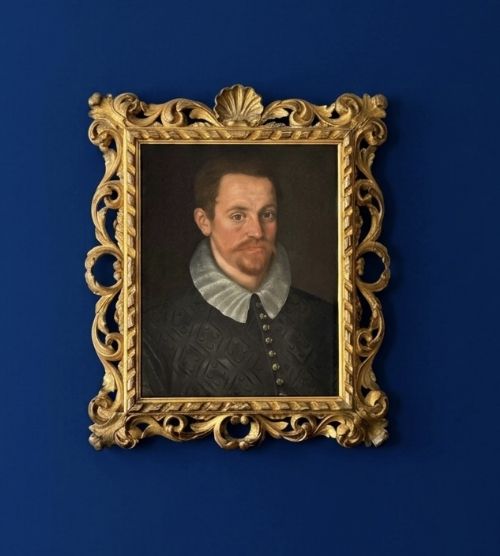
When you search for a gilt framed wall portrait, you enter a centuries-old tradition of likenesses captured in oil, pastel, and print, preserved in gleaming wood and gold leaf to anchor a room.
Gilt Framed Wall Portrait
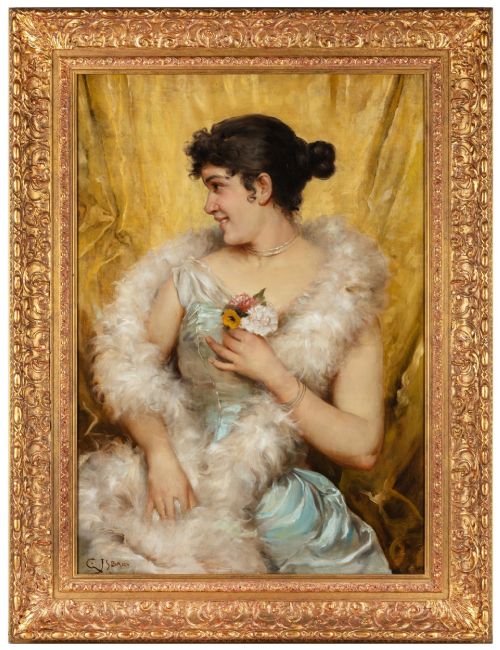
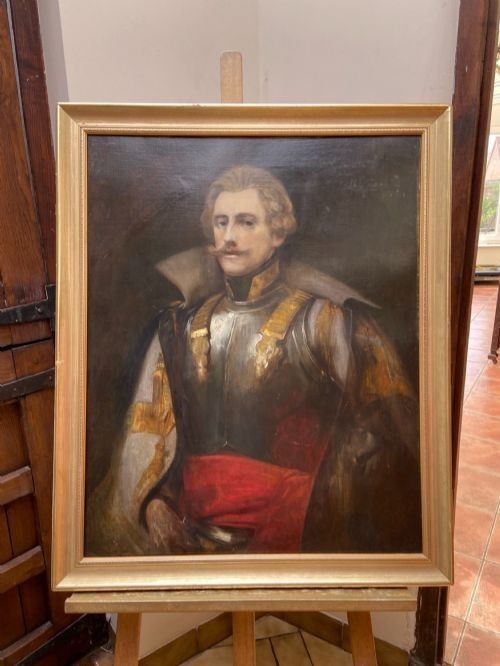
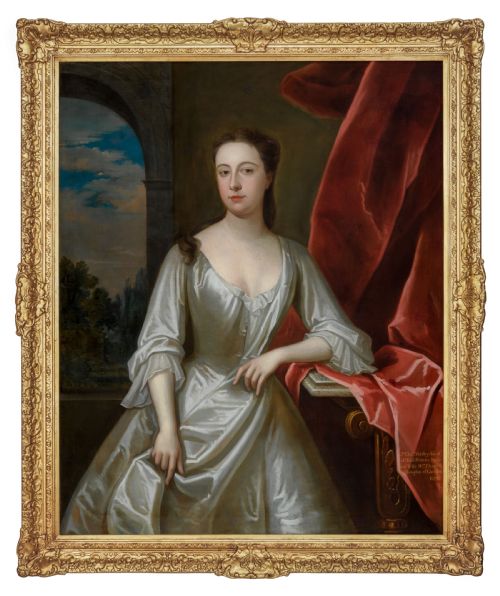
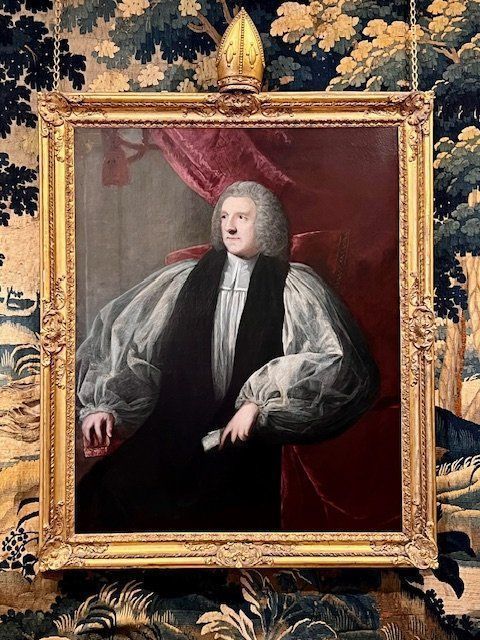
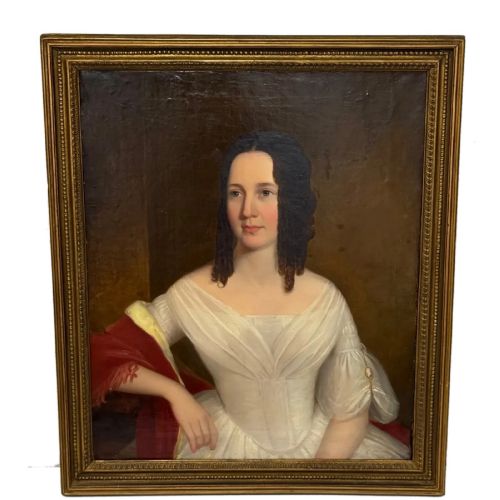
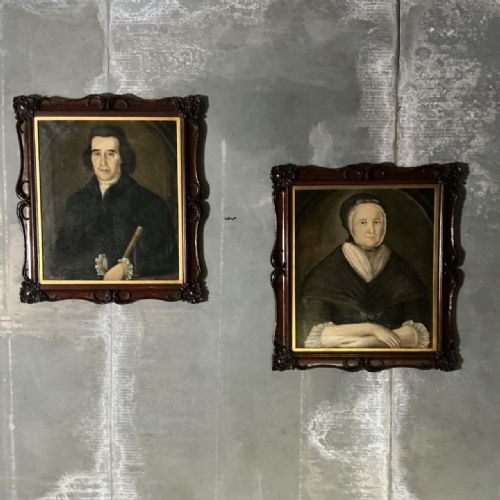
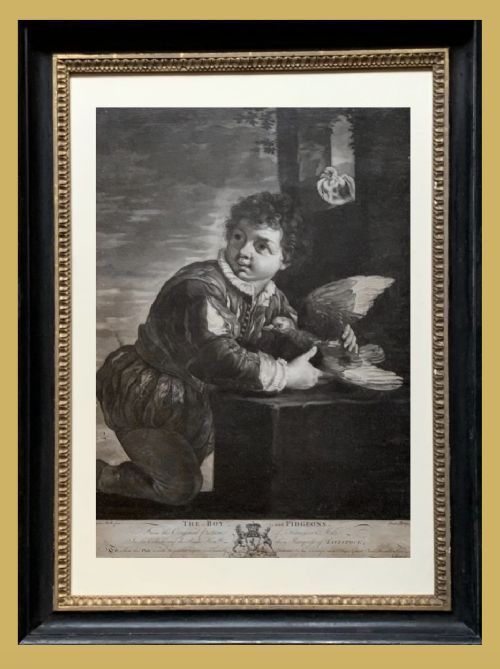
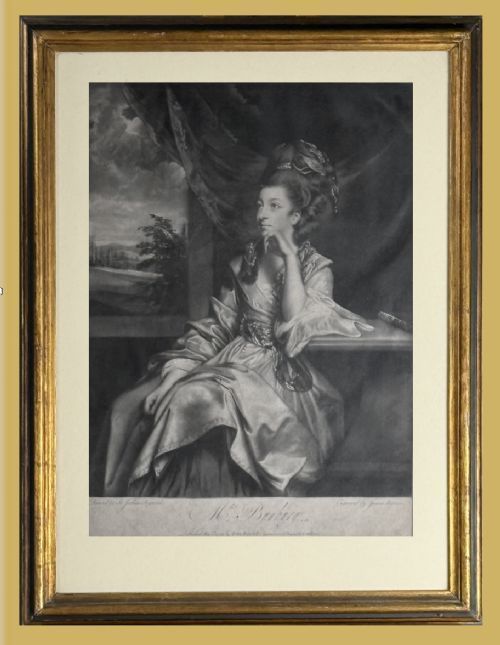
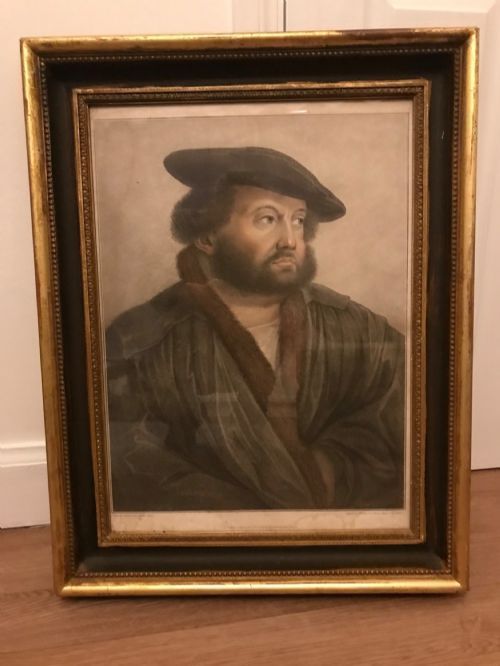
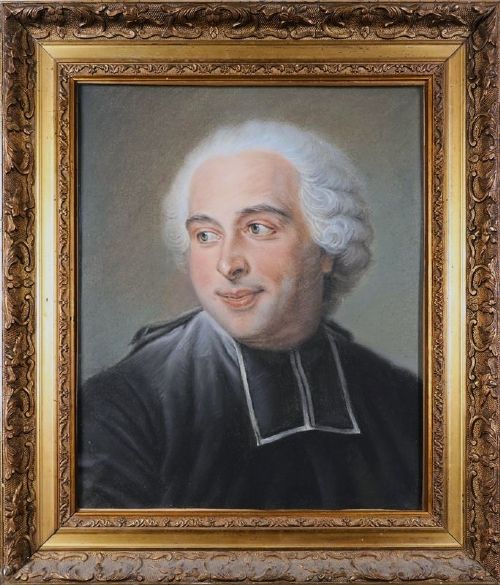
A gilt framed wall portrait encompasses historical depictions of individuals, ranging from 17th-century nobility and 18th-century merchants to 19th-century society figures, rendered in oil paint, pastel, or graphic print. The selection leans heavily toward oil paintings on canvas and panel alongside period engravings, mezzotints, and pastels.
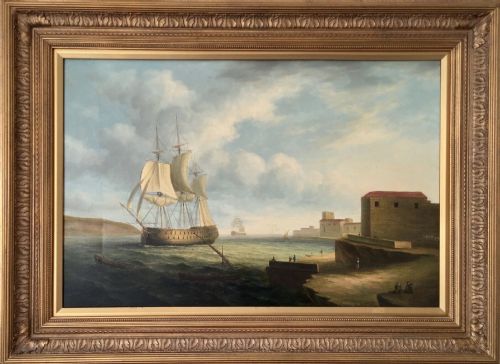
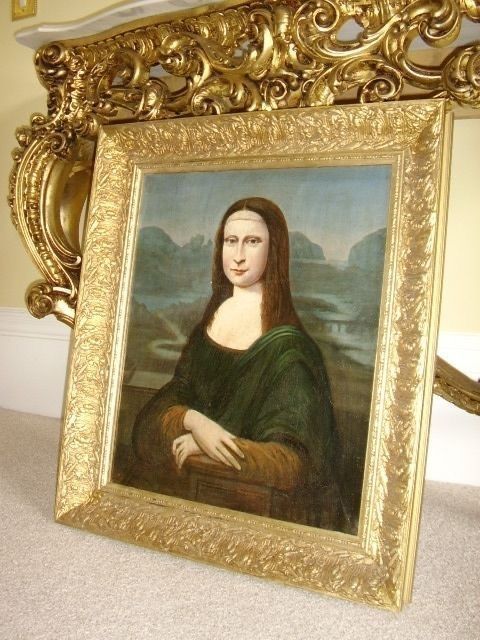
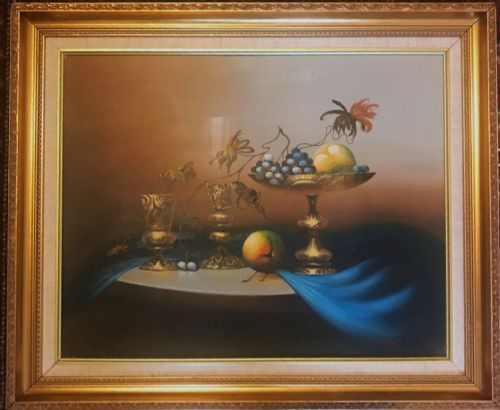
The physical format of these artworks varies from intimate shoulder-length studies to monumental canvases, all secured within decorative wooden frames treated with gold leaf or giltwood. Pieces span multiple eras including the Georgian, Victorian, and Regency periods, carrying diverse aesthetic conventions from British Baroque to 19th-century realism.
Buyers choose these works to bring character, narrative, and historical depth to domestic interiors, hanging them as focal points in drawing rooms, studies, and hallways. The surviving subjects include aristocratic women, military officers, architects, and clergymen, reflecting the social hierarchies and artistic commissions of their respective centuries.
How They Were Made
The foundational supports for these works include stretched canvas, wooden panels, and heavy paper sheets for pastels and engravings, upon which artists applied oil pigments, pastel chalks, or printing inks. Oil painters built up compositions using layered glazes to achieve depth in garments and flesh tones, whilst printmakers utilised copper plates for fine-line engravings and mezzotints.
The accompanying frames are constructed from carved wood, such as pine or hardwood, finished with layers of gesso and bole before the application of delicate gold leaf or liquid gilding. Master framers shaped mouldings with classical motifs, leaf scrolls, and beaded channels to complement the status of the portrait within.
Pastel portraits required protective glass glazing held securely within the gilded rebate, whereas oil paintings on canvas often remained unglazed to allow the textured brushstrokes and canvas weave to interact with ambient light.
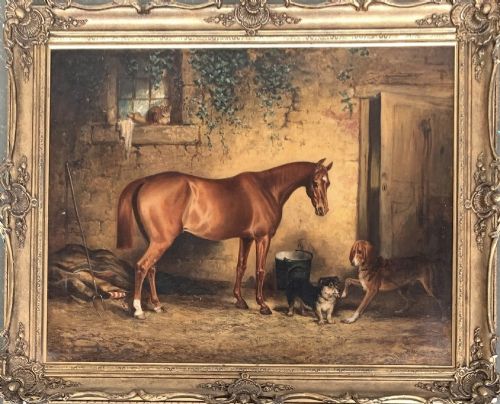
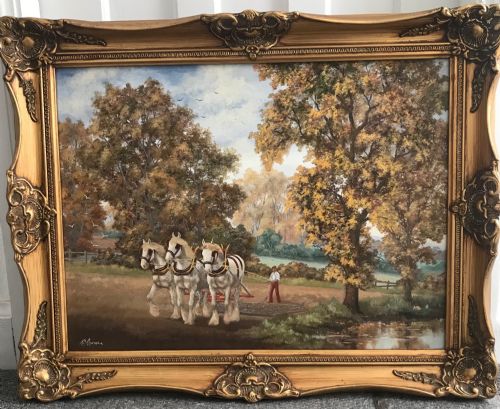
Among the historical nobility and military officers, a watchful grey shire horse and a pair of playful pears soap prints occasionally join the gathering.
What Varies in Quality
The integrity of the physical materials plays a substantial role in distinguishing superior examples, particularly the survival of original hand-carved giltwood frames rather than later replacements. The stability of the underlying canvas or panel, along with minimal intervention from historical restoration, maintains the visual authenticity of the piece.
The prominence of the sitter and the recorded attribution to a named artist, studio, or recognised school elevate the historical significance of the work. Portraits retaining documented provenance or connections to notable historical figures carry greater weight among collectors.
Sir Joshua Reynolds·Sir Godfrey Kneller·Sir Peter Lely·Joseph Clover·John Boydell
The Gilt Framed Wall Portrait Glossary
- Giltwood
- Wood carved and coated with gold leaf or metallic powder to create a bright, reflective surface. This finish defined formal picture framing across the 17th, 18th, and 19th centuries.
- Mezzotint
- A printmaking process where the copper plate is roughened to achieve rich dark tones and subtle tonal gradations. It gained popularity for translating oil paintings into affordable, highly detailed wall portraits.
- Provenance
- The documented history of ownership of an artwork from its creation to the present day. Clear ownership records establish authenticity and historical context.
- Pastel
- A dry painting medium consisting of powdered pigment and a binder, worked onto paper or vellum. These works require protective glazing to prevent the pigment from shifting.
- Baroque
- An artistic style spanning the 17th and early 18th centuries characterised by dramatic lighting, rich textures, and dynamic poses. Portraits from this movement emphasise grandeur and movement.
Gilt Framed Wall Portrait: Frequently Asked Questions
How do I date a gilt framed wall portrait?
Dating relies primarily on the style of clothing, hair, and accessories worn by the sitter, combined with the construction methods of the canvas stretcher and the profile of the wooden frame. Technical clues such as the weave of the canvas and the composition of the gesso beneath the gilding provide further chronological markers.
Historical inscriptions on the reverse or front of the canvas often name the subject and date, though these require careful verification against known stylistic periods. Comparing the brushwork and handling to documented works by contemporary schools helps narrow the decade of creation.
Can I hang an oil portrait in direct sunlight?
Direct sunlight poses a significant risk to historical oil paintings and works on paper, causing pigments to fade and organic binders to dry out and crack. Ultraviolet rays can permanently alter sensitive colours, particularly reds and blues within the palette.
Selecting a wall away from windows or installing UV-filtering glass protects the integrity of both the artwork and its gilded frame. Ambient, indirect lighting preserves the surface sheen without accelerating material degradation.
What is the difference between an original oil and an engraved portrait?
An original oil portrait is a unique hand-painted work created directly on canvas or panel by an artist using pigmented oils. Each brushstroke is singular, offering a tactile surface texture unique to that specific creation.
An engraving or mezzotint is a multi-plate printed reproduction often distributed after a popular painted portrait. While mass-produced in historical terms, fine period prints hold independent artistic value through their delicate line work and tonal depth.
How should I clean a historic gilt frame?
Historic gilt frames require gentle maintenance using a soft, dry ostrich feather duster or a clean, dry artist's brush to remove accumulated surface dust. Moisture and chemical cleaning agents must be avoided, as they can strip the delicate gold leaf and dissolve the underlying gesso.
Deep cleaning or structural repairs to cracked gilding should be left to professional conservators who understand historical finishing techniques. Regular dusting prevents particulate buildup from dulling the reflective metallic surface.