


Classic Oil Portrait Lady
A classic oil portrait lady brings centuries of quiet presence into a room, spanning Baroque grandeur to Victorian realism.
Classic Oil Portrait Lady
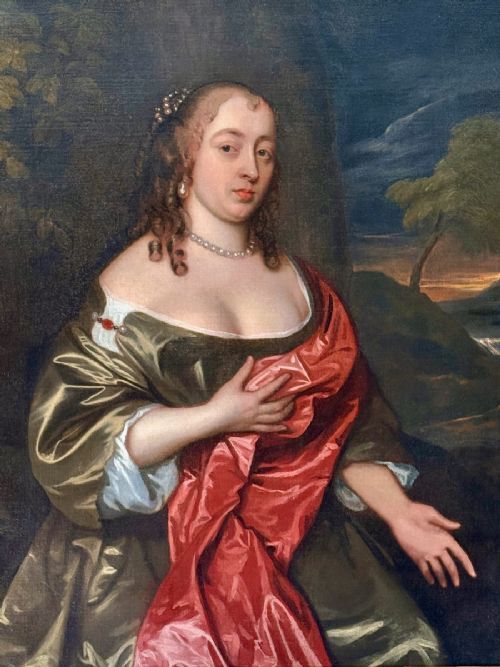
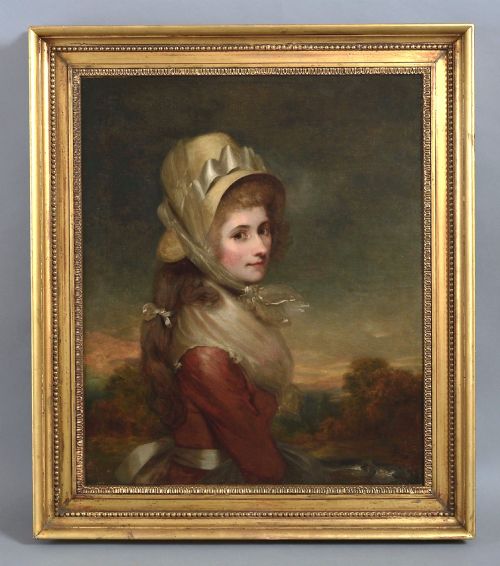
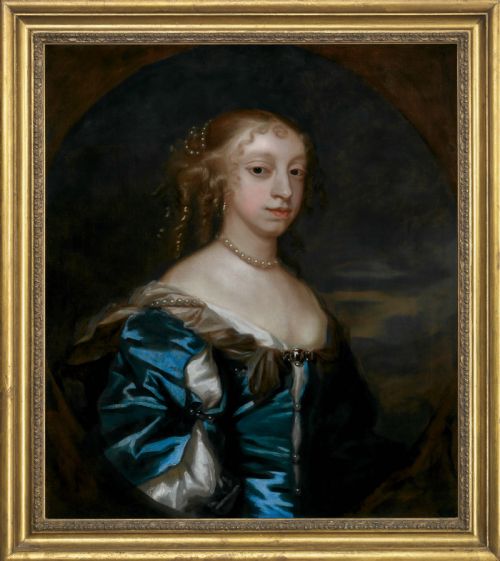
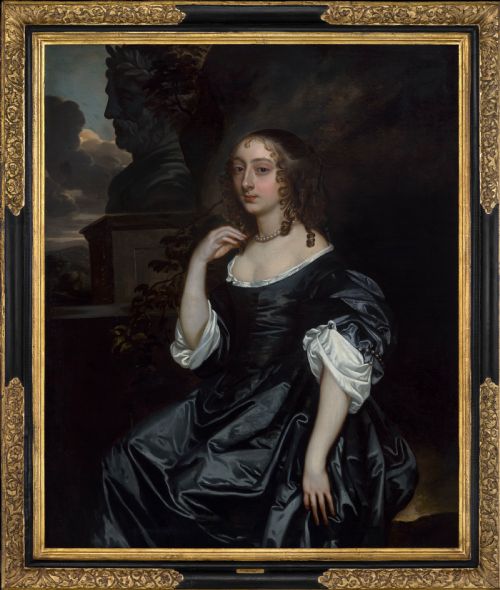
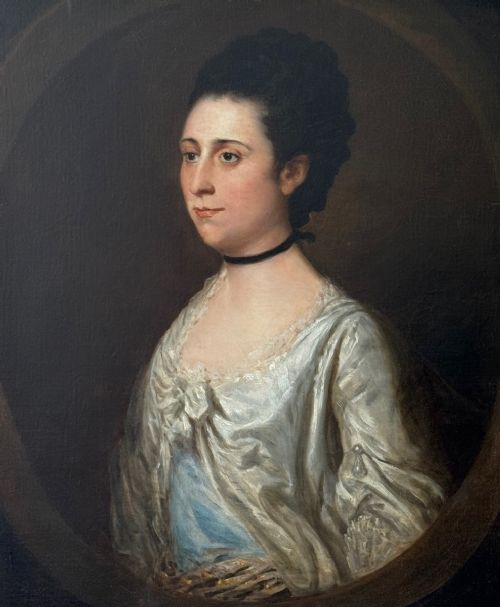
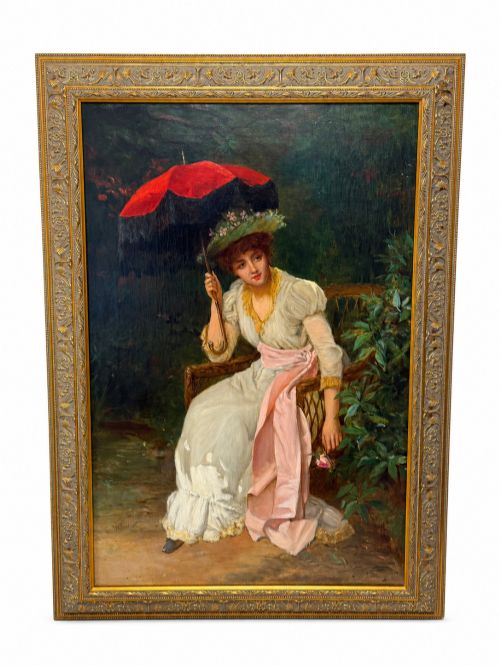
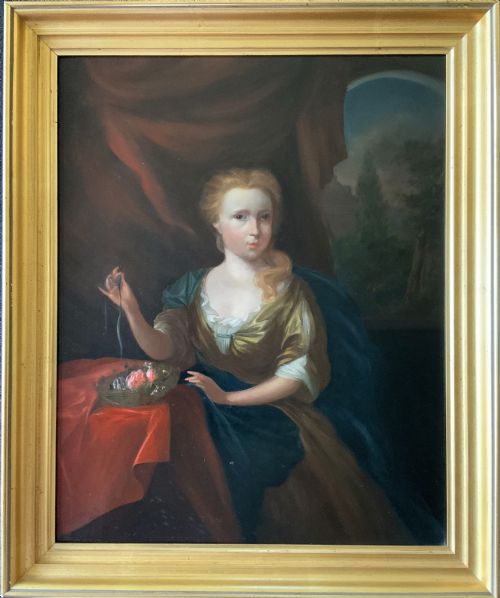
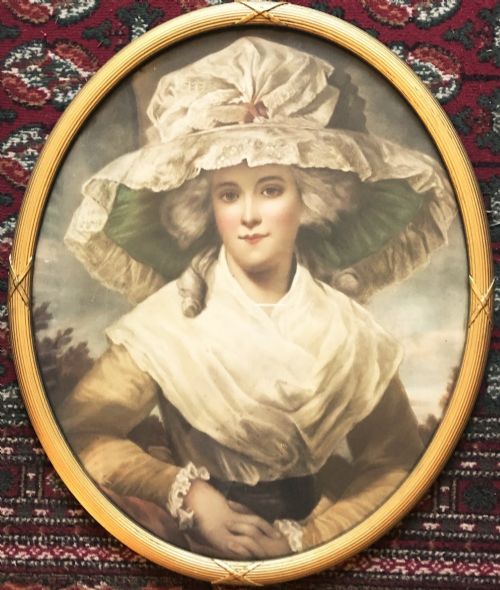
A classic oil portrait lady captures the likeness of a female subject, rendered in oil paint upon canvas or panel across various historical eras.
The selections span from the 17th century through the Georgian and Victorian periods into the early 20th century, encompassing both identified sitters and anonymous subjects.
Most pieces on this page are oil on canvas paintings, frequently housed within their original or period-appropriate giltwood frames.
How They Were Made
Artists applied oil paint to stretched canvas, building up layers of pigment to achieve depth in garments, skin tones and backgrounds.
Frames were constructed from wood and finished with gold leaf or gilt wood, providing structural support and ornamentation tailored to the period.
Several ladies immortalised here gaze out while clutching delicate props, including red parasols, lace mop caps, baskets of flowers and velvet fans.
What Varies in Quality
Provenance and attribution to documented artists or their circles elevate a work, alongside the survival of the original giltwood frame.
John Hayls·Sir Martin Archer Shee·Sir Peter Lely·Thomas Beach·Nicolaes Maes·Louis William Desanges·S Dennant Moss·Frank Moss Bennett·Tilly Kettle·Sir Godfrey Kneller·Harry Clifford Pilsbury·Alfred Seifert·John Closterman·William Huggins·John Raphael Smith·Francis Alleyne
The Classic Oil Portrait Lady Glossary
- Oil on canvas
- A painting medium where pigments bound in drying oil are applied to a woven fabric support stretched across a wooden frame.
- Giltwood
- Wood carved and coated with gold leaf or gilt, forming the traditional decorative border for historic paintings.
- Attributed to
- A term indicating that a work is executed in the style of a master and believed to be from that studio or period.
- Baroque
- An artistic style prevalent in the 17th century characterised by dramatic lighting, rich textures and dynamic composition.
Classic Oil Portrait Lady: Frequently Asked Questions
How do I identify the period of a portrait?
Clothing, hairstyles and framing styles offer the most reliable visual clues to a painting's era.
Lace collars, elaborate gowns and heavy giltwood frames often point to earlier centuries, while simpler attire suggests later Victorian or 20th-century origins.
Where should I hang an oil portrait?
These works suit traditional reception rooms, libraries or hallways where lighting can be controlled.
Keep them away from direct sunlight and damp walls to protect the canvas and wooden frame.
Are all the sitters identified?
Many historical portraits depict named individuals, such as nobility or documented historical figures, recorded in the title or archival notes.
Others remain anonymous subjects, recorded simply as ladies of their respective periods.
What is the difference between an artist and their circle?
An attributed work or a painting by an artist's circle denotes production within their workshop or under their direct stylistic influence.
Such pieces share the technical characteristics of the primary master without bearing their signature.