



Restoration Period Fine Art
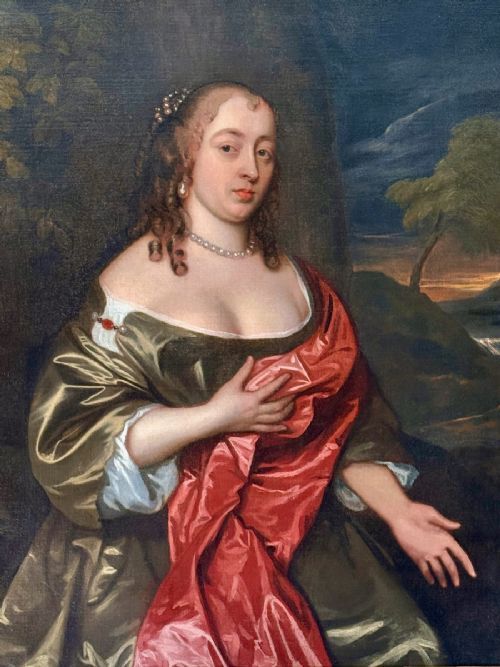
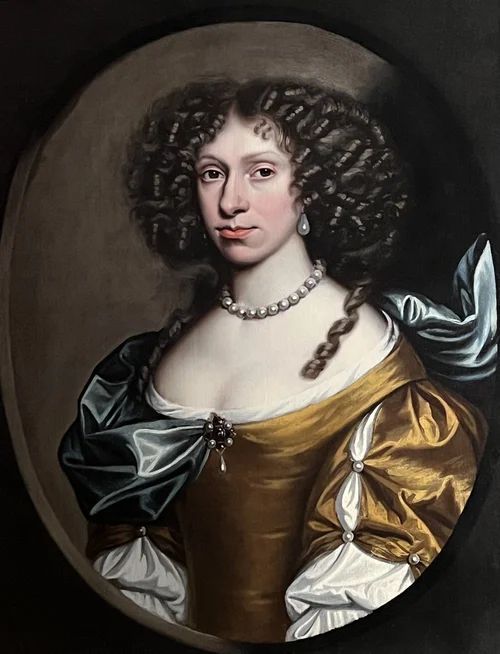
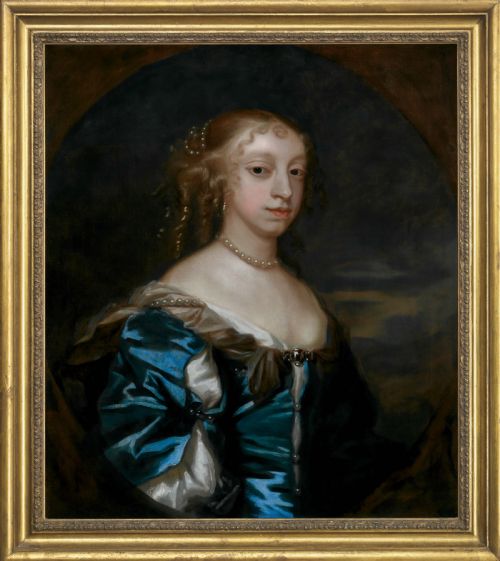
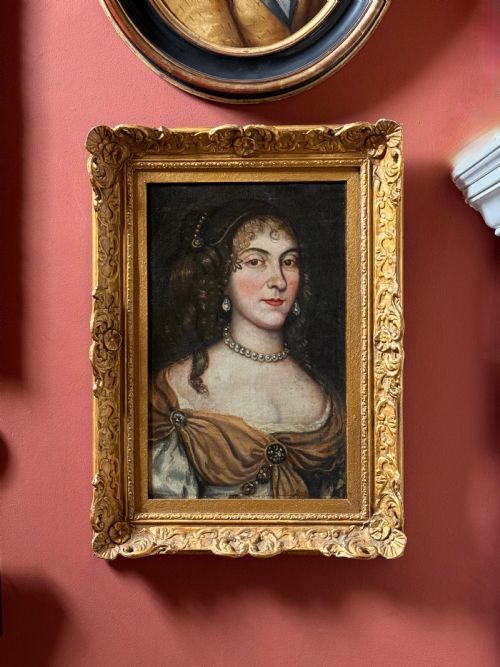
Restoration period fine art comprises striking oil paintings and portraits capturing figures from the seventeenth century and the Bourbon Restoration.
Restoration Period Fine Art
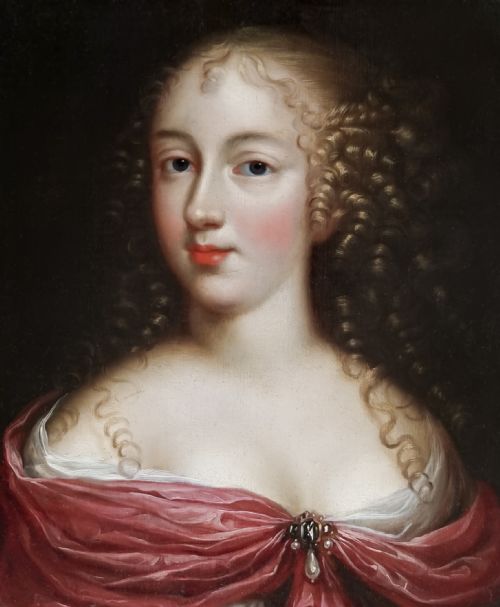
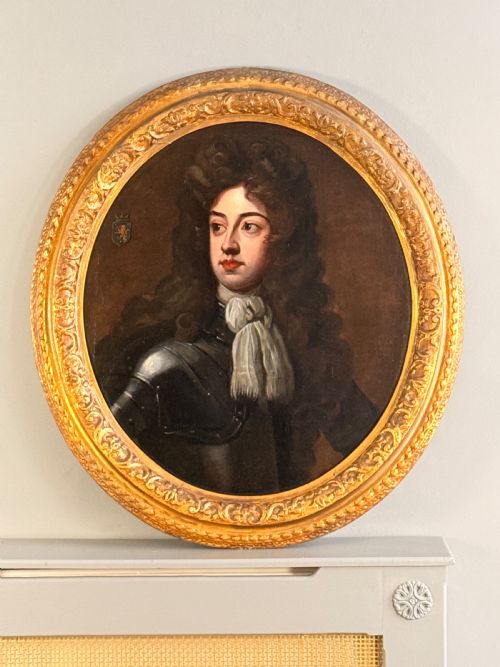
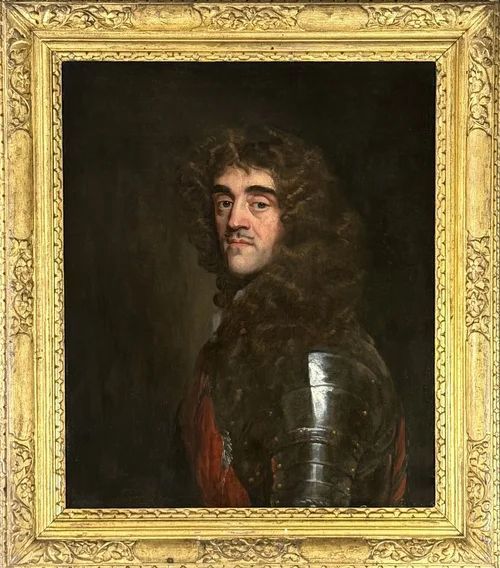
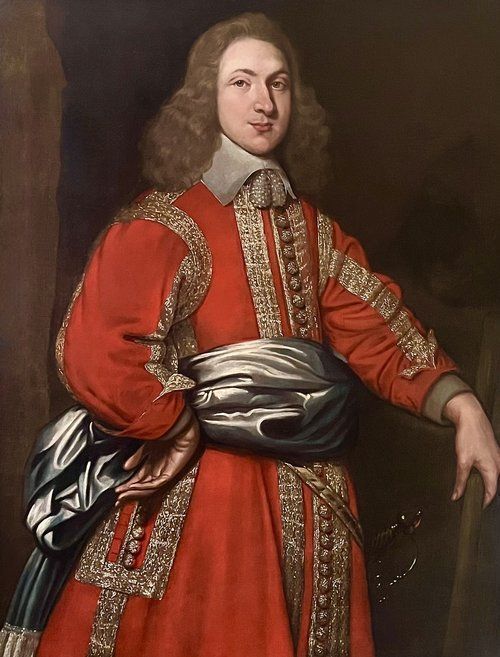
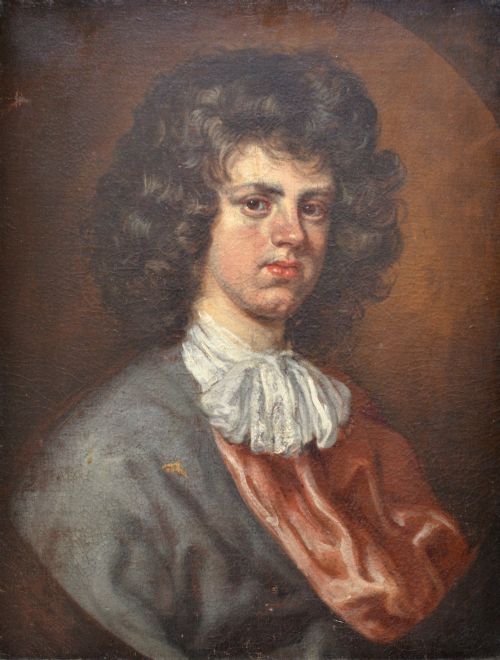
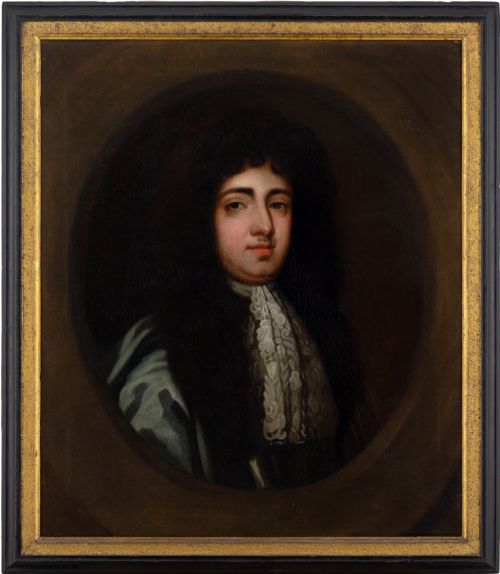
Restoration period fine art centres primarily on seventeenth-century oil paintings and portraiture depicting nobles, military officers, and gentlemen. These artworks capture individuals from notable circles, often rendered with distinct period dress and armour.
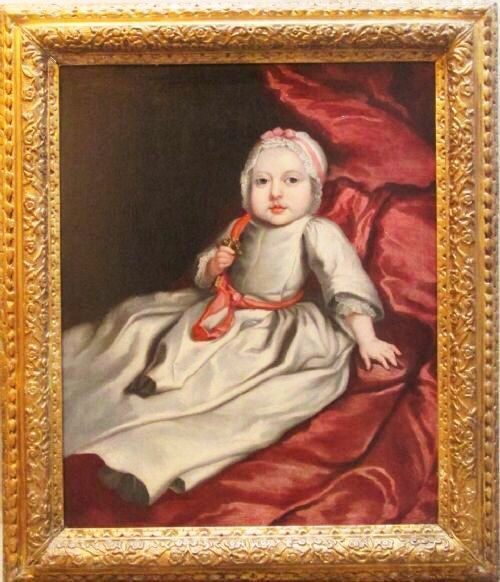
The selections span English, Anglo-Dutch, and Bourbon Restoration contexts, showing subjects ranging from children with spaniels to prominent lords and duchesses. Portrait paintings dominate the offerings, presented in original mediums like canvas and wood panels.
Buyers encounter works attributed to specific historical painters and regional schools from the seventeen hundreds and earlier. Each canvas preserves the distinct aesthetic of seventeenth-century portraiture and French Bourbon restoration sketches.
Materials and construction
Graphite and ink on paper appear in later Bourbon Restoration examples, demonstrating shifts in drawing techniques. Gilt frames complement the oil paintings, utilising traditional leaf application over wooden substrates.
Restoration Period Fine Art Retail Price Guide 2026
Typical asking prices for restoration period fine art among the pieces listed under this phrase on Sellingantiques today, from the lower quarter to the upper quarter. They describe what is for sale here now, not the wider market.
Several noblemen share space with a small King Charles spaniel puppy captured in oil on canvas around sixteen eighty.
Judging quality
Quality rests in the fidelity of the brushwork, the articulation of facial expressions, and the preservation of the canvas and pigment. Master studios and named painters achieve superior anatomical proportion and texture in drapery compared to lesser provincial workshops.
The condition of the original paint layer and the authenticity of the surrounding giltwood frame influence the standing of a piece. Works retaining their initial character without heavy modern intervention command greater respect among collectors.
John Greenhill·Mary Beale·David Scougall·John Hayls·Henri Josephe Hesse·Willem Wissing·Sir Peter Lely·John Closterman·John Michael Wright·Adriaen Hanneman·Godfrey Kneller
The Restoration Period Fine Art Glossary
- Oil on Canvas
- Pigment mixed with drying oil applied to a woven fabric support. This combination allowed artists to blend tones smoothly and work on a large scale.
- Giltwood
- Wood carved and covered with a thin layer of gold leaf. It forms the ornate frames typical of seventeenth-century portraits.
- Anglo-Dutch School
- Artistic style influenced by both English and Dutch painters active during the seventeenth century. It often combines direct realism with formal portrait conventions.
- Bourbon Restoration
- The period in France following the fall of Napoleon when the Bourbon monarchy returned. Fine art from this era includes precise graphite and ink drawings.
- Circle of
- Attributed to an artist working in the style and vicinity of a master. These pieces reflect the direct influence of a major studio.
Restoration Period Fine Art: Frequently Asked Questions
What is restoration period fine art?
Restoration period fine art consists primarily of oil paintings and portraits created during the seventeenth century and the Bourbon Restoration. These works record the likenesses of nobility, military officers, and notable figures in formal attire or armour.
Subjects range from individual lords and ladies to children with pets, produced by established studios and regional schools across England, Ireland, and France.
How do I identify seventeenth-century portraits?
Seventeenth-century portraits are identified through sitter costume, including lace collars, velvet doublets, armour, and elaborate wigs or flowing hair. Inscriptions, heraldry, and attribution to recorded painters also help date the canvas.
Many works originate from specific circles, such as the studio of Mary Beale or Sir Peter Lely, which display characteristic handling of light and fabric.
How should I display these oil paintings?
These oil paintings require stable indoor environments away from direct sunlight and excessive humidity to protect the canvas and paint layers. Hanging them on interior walls helps prevent warping of the timber stretcher frames.
Matching the painting with a period giltwood frame enhances the visual impact and maintains the historical context of the artwork.
What materials were used for these frames?
Frames from this era are typically constructed from timber and finished with gold leaf or giltwood. Craftsmen carved the wooden profiles before applying thin metallic leaf to achieve a reflective, luxurious surface.
Original frames complement the oil on canvas works and often show age-appropriate wear that aligns with the seventeenth-century origin of the art.