






Sir Godfrey Kneller Painting
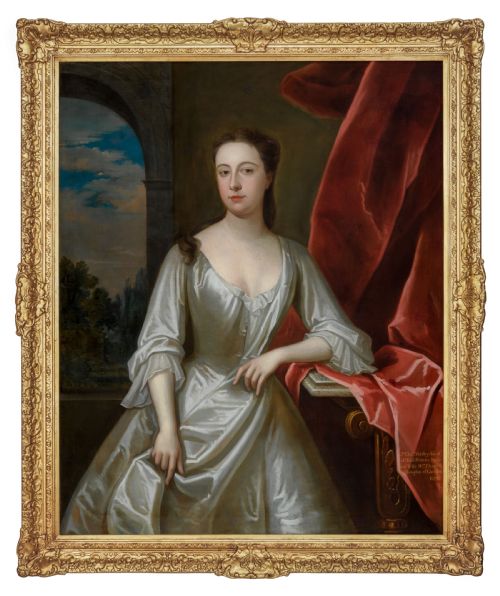
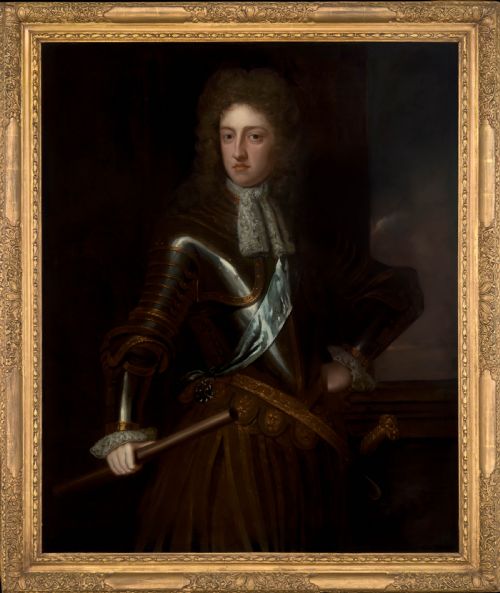
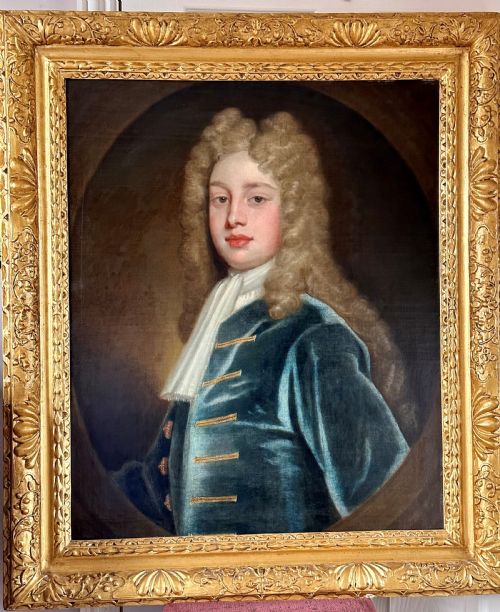
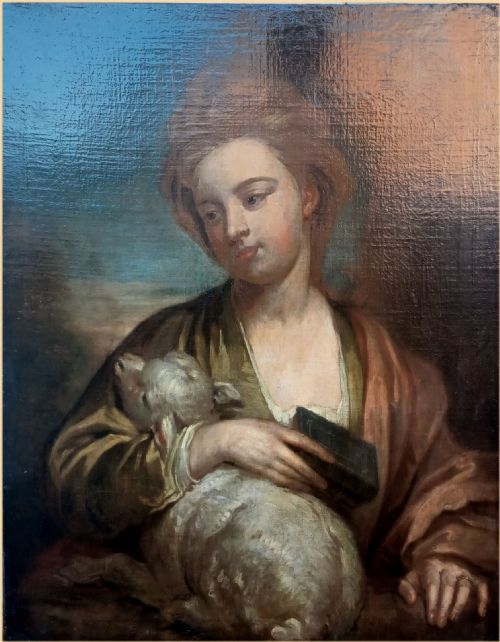
A sir godfrey kneller painting brings seventeenth and eighteenth century British portraiture into a room with striking oil on canvas works from the Baroque period.
Sir Godfrey Kneller Painting
A sir godfrey kneller painting is an oil on canvas portrait depicting nobility, monarchs, aristocrats, and notable figures from the seventeenth and eighteenth centuries. The works span pieces executed by Kneller himself alongside output from his studio, his followers, and his wider circle.
Buyers most frequently encounter canvases associated with his circle or studio, dating from the late seventeenth century through the early eighteenth century. These portraits often feature named sitters such as earls, countesses, and essayists, presented within period frames of gilded wood.
How they were made
The works are executed in oil paint upon canvas supports, employing traditional techniques of the British Baroque style to build rich depictions of fabric, flesh, and costume. Pigments are applied to capture the textures of silk, velvet, and ermine trimmings worn by the sitters.
Many canvases are housed within their original or period frames constructed from gilded wood, sometimes referred to as giltwood. These carved frames complement the grandeur of the painted portraits.
Materials recorded in the inventory include oil paint, canvas, and gilded wood frames.
What varies in quality
The preservation of the oil paint and canvas surface defines the visual impact of the piece. Additionally, the presence and condition of the original gilded wood frame contribute to the overall integrity of the work.
Sir Godfrey Kneller
The Sir Godfrey Kneller Painting Glossary
- Baroque
- A style of European architecture, music, and art of the seventeenth and eighteenth centuries characterised by ornate detail and dramatic grandeur. In painting, this translates to dynamic poses and rich lighting.
- Studio of
- A term indicating a work produced by assistants working under the direct supervision and guidance of the master artist. These pieces reflect the established methods of the primary workshop.
- Circle of
- A designation used when a painting originates from an artist working in close association with a master, sharing a similar style without being a direct pupil or assistant. It denotes the broader artistic milieu of the period.
- Giltwood
- Wood that has been covered with a thin layer of gold leaf or gold paint. This material was widely utilised for ornate picture frames during the seventeenth and eighteenth centuries.
- Periwig
- A voluminous artificial wig worn by men of fashion during the late seventeenth and eighteenth centuries. These hairpieces frequently appear in male portraits of the period to denote high social standing.
Sir Godfrey Kneller Painting: Frequently Asked Questions
Who are the subjects in these paintings?
The subjects are predominantly British figures from the seventeenth and eighteenth centuries, including kings, earls, countesses, and literary figures. Many portraits identify specific individuals by name and title.
Commissioned sitters often wore formal robes, military attire, or contemporary court dress to record their status for posterity.
How can you tell studio work from the master?
Studio works were produced by assistants under the supervision of the principal artist, following established workshop practices for composition and dress. Works directly by the master display a greater individual freedom in brushwork and facial modelling.
Attributions are typically determined by stylistic comparison with documented paintings by the artist.
How do you care for an antique oil painting?
Antique oil paintings require stable environmental conditions with minimal fluctuations in temperature and humidity to protect the canvas and paint layers. Direct sunlight should be avoided to prevent fading of the pigments.
Dusting should be performed gently with a dry, soft brush, avoiding any moisture or cleaning agents on the painted surface.
What periods do these paintings date from?
The paintings on this page predominantly date from the late seventeenth century through the early decades of the eighteenth century. This era encompasses the height of the British Baroque portrait tradition.
Dates are often established through the costume of the sitter, the lifespan of the subject, and stylistic benchmarks of the era.