
Equestrian Art Canvas
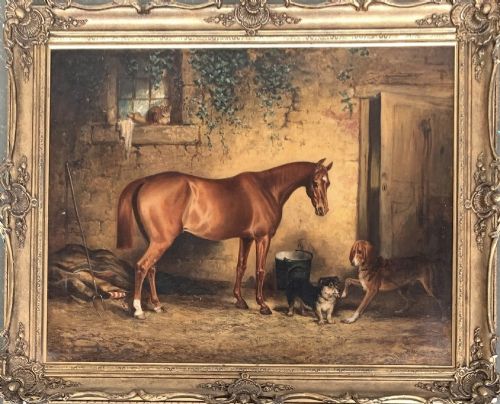
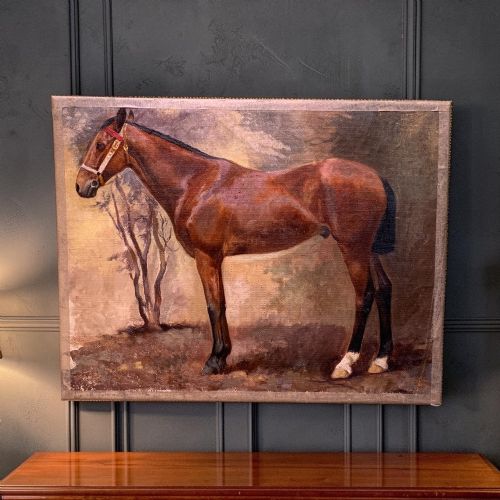
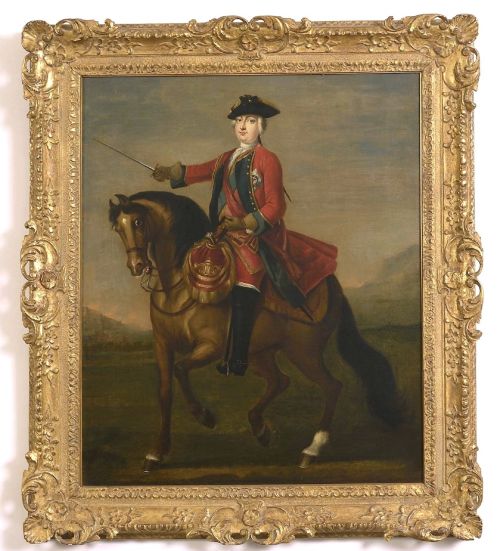
These pieces of equestrian art canvas bring the power and presence of horses into a room through oil paint applied directly to woven fabric.
Equestrian Art Canvas
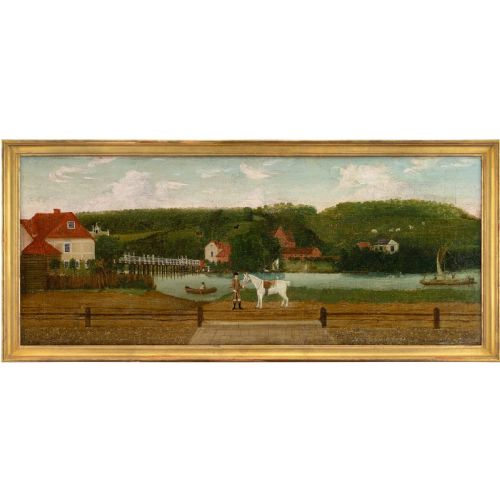
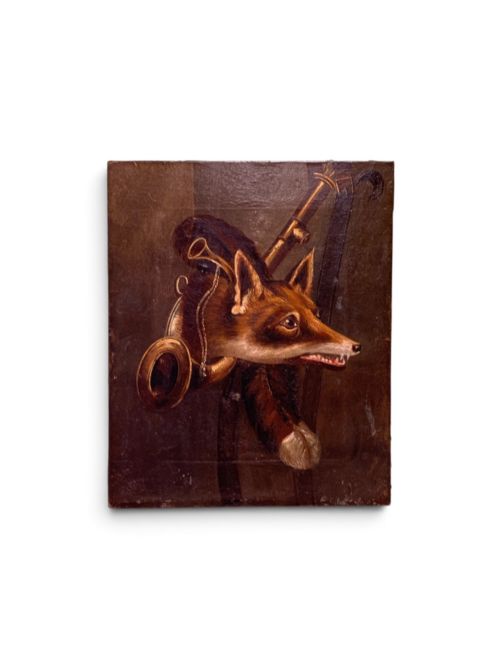
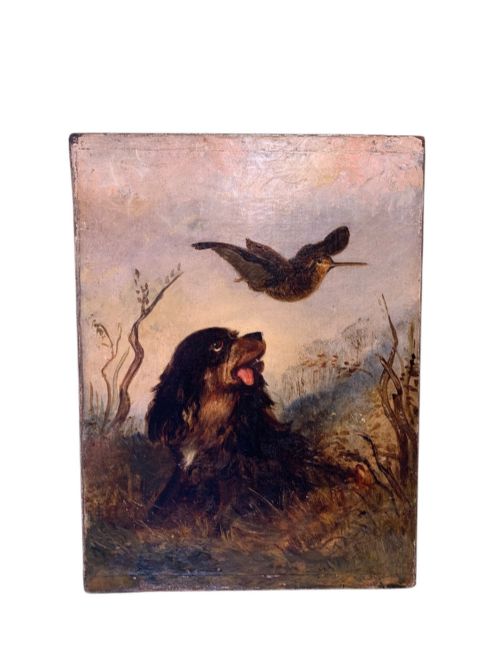
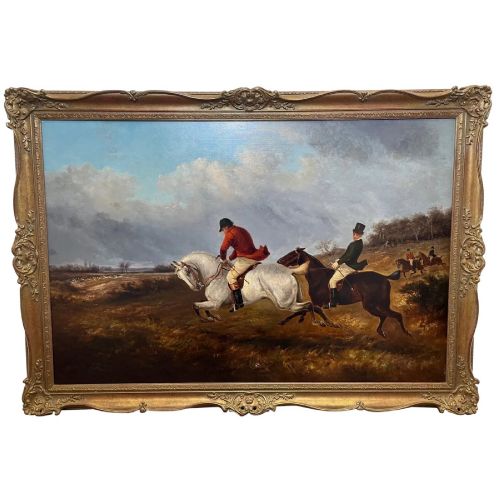
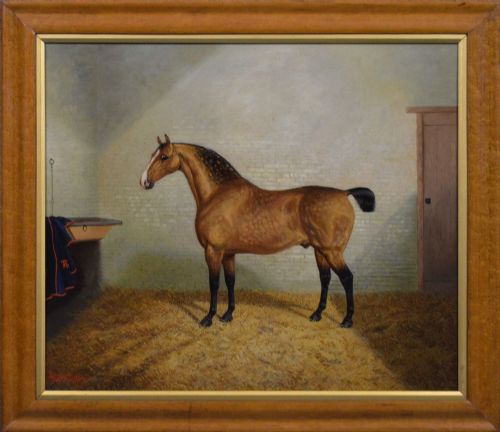
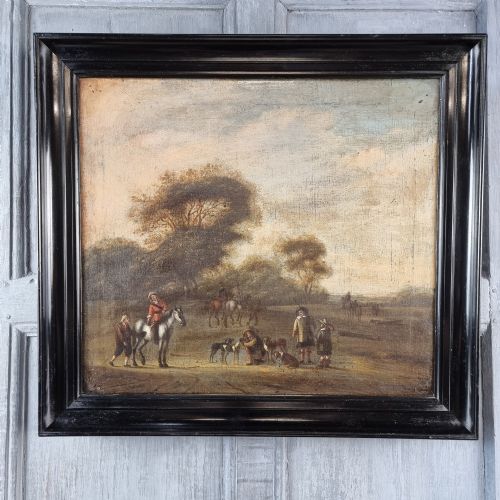
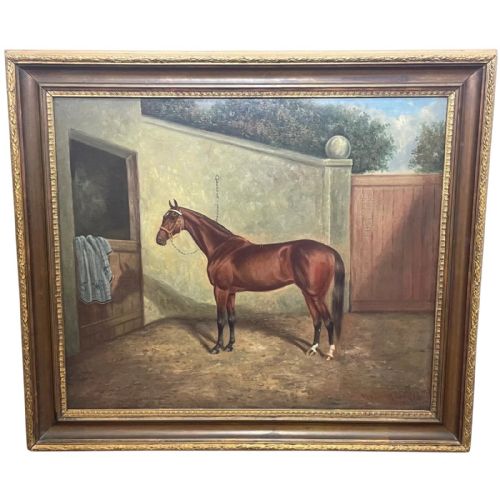
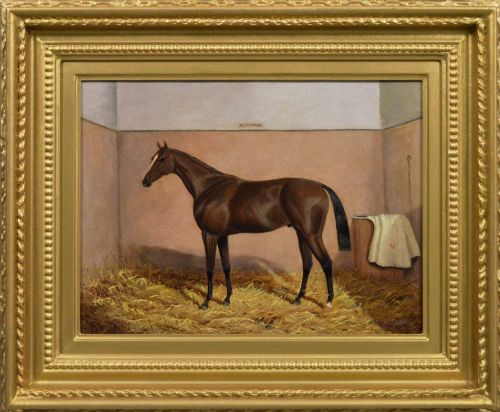
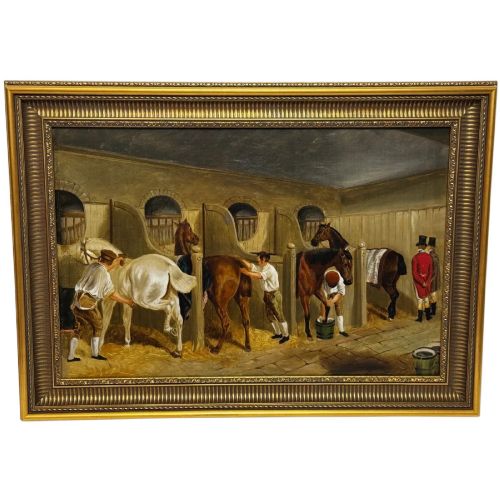
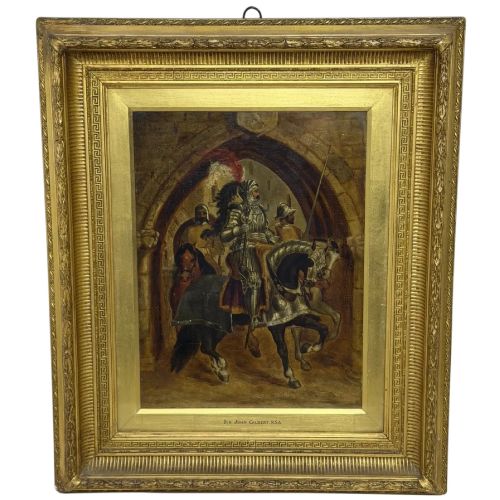
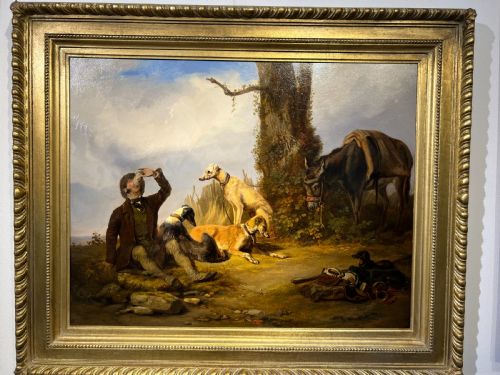
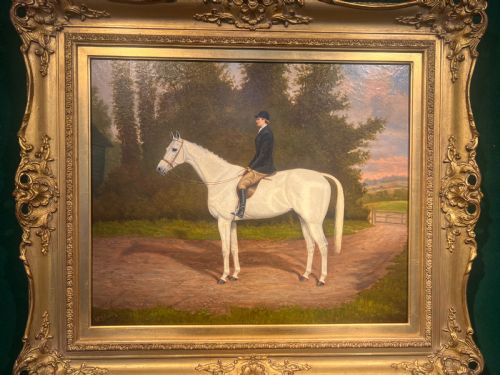
When you search for equestrian art canvas, you enter a visual world dominated by oil paintings on woven fabric that capture horses, riders, and sporting scenes. The pieces on this page lean heavily into nineteenth-century and twentieth-century British and European traditions, ranging from intimate stable portraits to sweeping hunting landscapes.
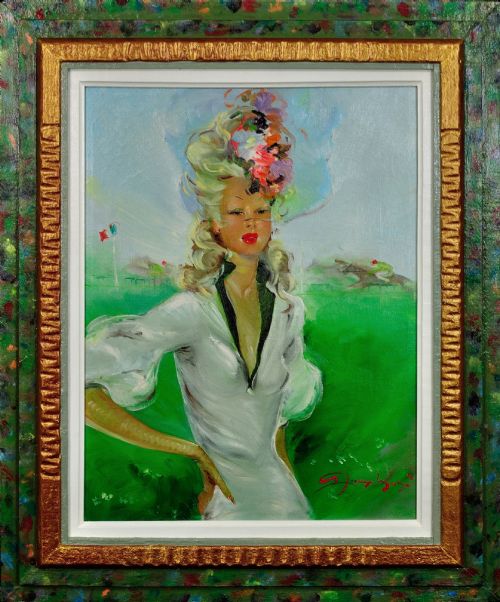
The most common formats met here are framed oil paintings on canvas depicting individual racehorses, hunters, or working animals in pastoral settings. These works vary from early nineteenth-century studies by named sporting painters to mid-twentieth-century depictions of ponies and racing scenes.
Materials and Technique
The foundation of these works is woven canvas, stretched tightly over wooden frames and primed to receive pigment. Artists applied oil paint, utilising its slow drying time to blend rich coats, musculature, and shifting light across the landscape.
Many of these paintings retain their original giltwood or carved wood frames, which provide structural support and a decorative border that enhances the depth of the canvas within.
Listings feature oil paintings on canvas spanning from the seventeenth century to the 1960s, framed in wood and giltwood.
Distinctions in Quality
Quality in these works rests upon the artist's command of equine anatomy, movement, and proportion. A superior canvas shows an acute understanding of muscle tension, bone structure, and the realistic play of light on a horse's coat.
The handling of the surrounding landscape and background atmosphere further separates standard decorative pieces from accomplished fine art. Brushwork that feels confident, layered, and specific elevates a painting beyond a simple record of an animal.
Thomas Smythe·Albert Clark·Abraham Cooper·Henry Barraud·John Ferneley Senior
The Equestrian Art Canvas Glossary
- Canvas
- A heavy woven fabric, typically linen or cotton, used as the primary support surface for oil painting.
- Giltwood
- Wood that has been coated with a thin layer of gold leaf or gilt, frequently seen on traditional frames.
- Equine
- Pertaining to horses, used to describe art focusing specifically on the form and movement of these animals.
- Sporting Art
- A genre of painting dedicated to equestrian subjects, hunting, racing, and rural field sports.
Equestrian Art Canvas: Frequently Asked Questions
What periods do these paintings cover?
The works span from the eighteenth century through to the mid-twentieth century, with a strong concentration of nineteenth-century Victorian pieces.
Collectors will also encounter Edwardian and later twentieth-century examples reflecting shifting styles in sporting art.
How were these paintings originally displayed?
These canvases were typically framed in substantial giltwood or wood mouldings and hung in country houses, estate libraries, and sporting lodges.
They served as tributes to prized racehorses, hunting companions, and the rural lifestyle of the landed gentry.
How do I identify a horse portrait?
Horse portraits usually feature a named animal, often standing within a stable interior or posed against an open landscape backdrop.
Inscriptions on the canvas or frame frequently record the name of the horse, the owner, or the race it won.
How should I care for an oil painting on canvas?
Keep the canvas away from direct sunlight, damp environments, and extreme temperature fluctuations that can cause the fabric and paint to crack.
Dust the surface gently with a soft, dry brush and avoid using liquid cleaners on the paint or frame.