


Silk Thread Embroidery
Silk thread embroidery encompasses centuries of needlework traditions, ranging from English pastoral pictures to Central Asian wall hangings.
Silk Thread Embroidery
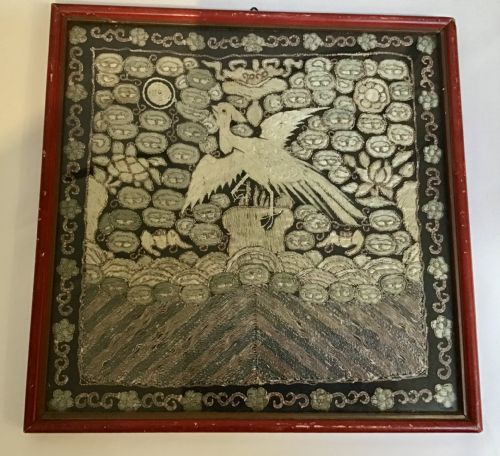
When you examine silk thread embroidery on this page, you encounter textile art spanning the seventeenth century through to the early twentieth century. The selection ranges from framed European pastoral scenes and samplers to large Central Asian suzanis, rank badges, and wall hangings.
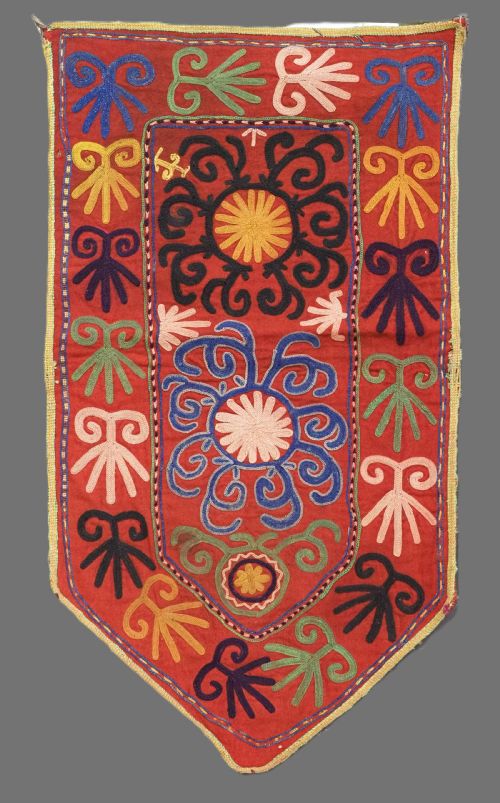
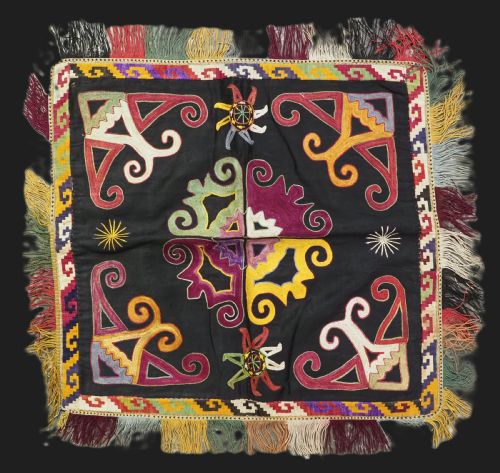
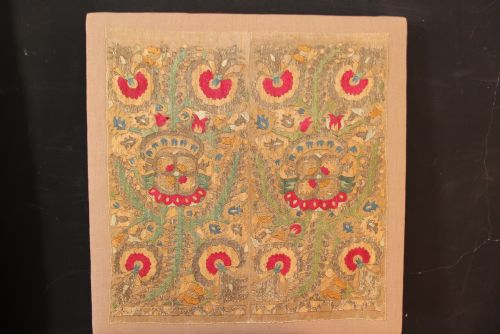
The pieces originating from Central Asia, particularly Uzbekistan, dominate the selection in the form of suzanis, tribal dowry pieces, and wall hangings. These textiles showcase traditional motifs worked in vibrant hues upon cotton, wool, or silk grounds.
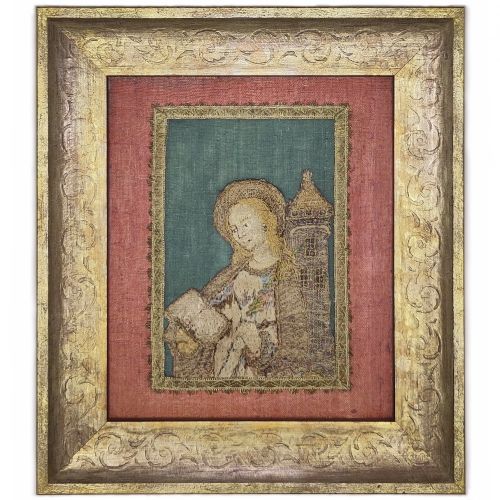
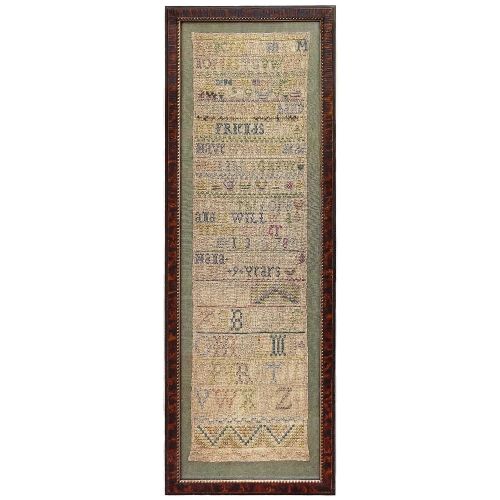
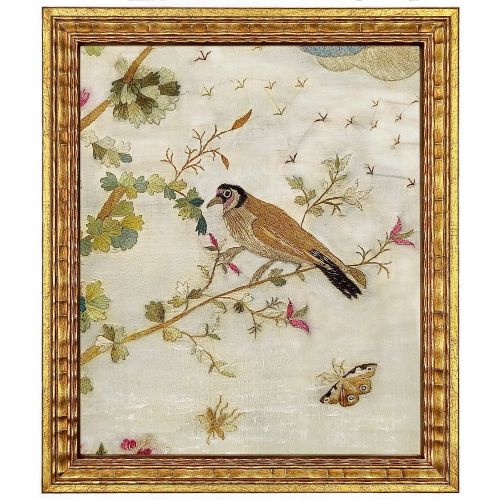
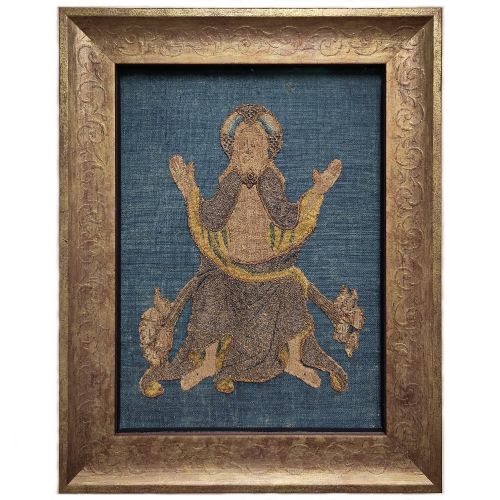
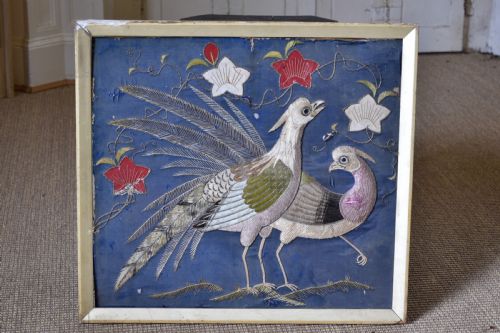
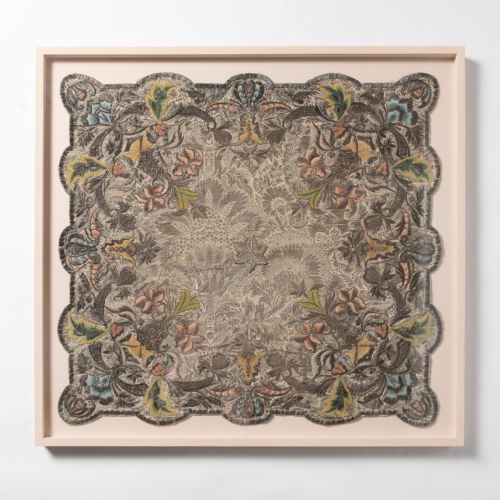
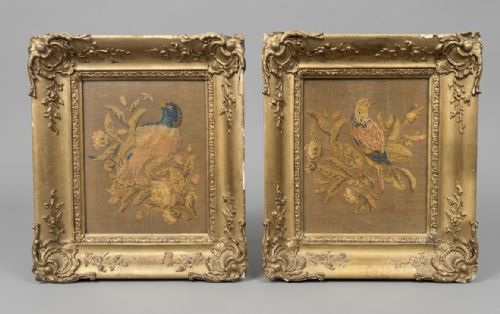
European examples on show include Georgian and Regency silk pictures, bird subjects, and framed religious needlework panels. These works demonstrate meticulous needle skills, often preserved behind glass within period frames.
How They Were Made
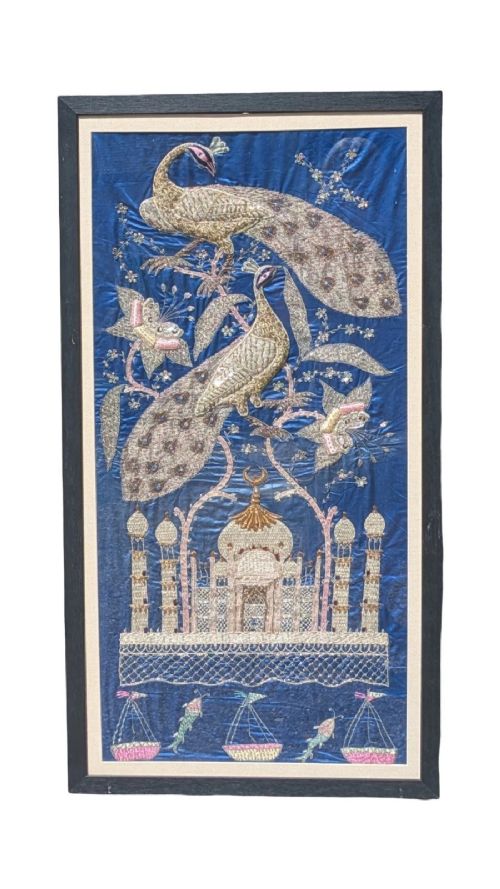
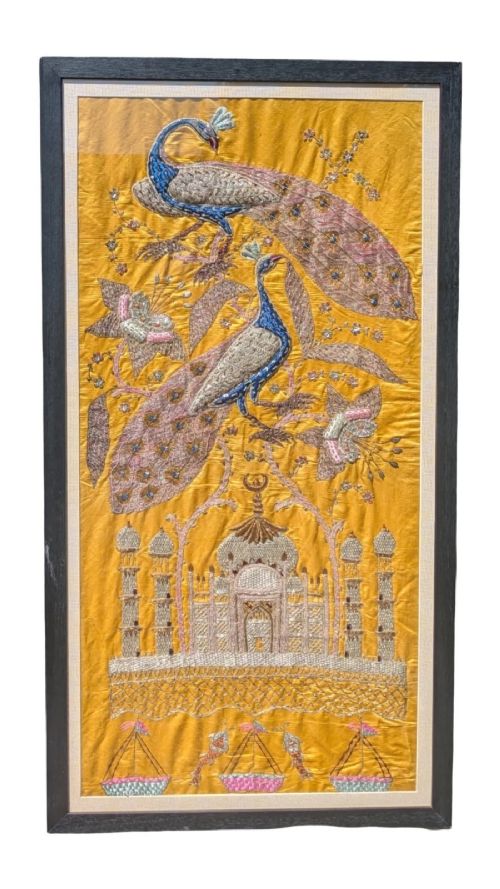
Artisans employed fine silk threads alongside supplementary materials including metallic thread, wool, cotton, and linen on diverse backing fabrics like felt, velvet, and adras silk. Ground materials often determined the scale and rigidity of the finished textile.
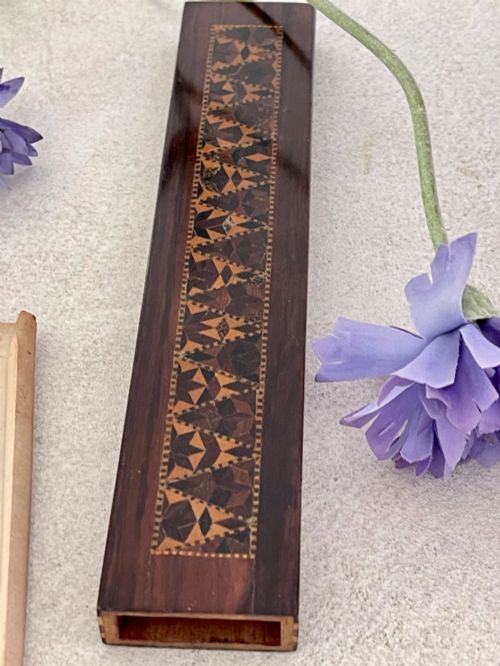
Techniques varied from long-stitch pictorial work and delicate couching of metallic threads to dense, full-coverage embroidery found on Tashkent suzanis and rank badges. Wooden frames, giltwood mouldings, and Tunbridge ware accessories completed the presentation of many smaller items.
Silk Thread Embroidery Retail Price Guide 2026
Typical asking prices for silk thread embroidery among the pieces listed under this phrase on Sellingantiques today, from the lower quarter to the upper quarter. They describe what is for sale here now, not the wider market.
Materials span pure silk and wool grounds supplemented by metallic thread, glass beads, and giltwood frames.
What Varies in Quality
The density and precision of the needlework dictate the calibre of each piece, distinguishing sparse linear execution from fully embroidered panels like Tashkent palak suzanis. Finer items demonstrate deliberate control of tension and tonal gradation across complex pictorial or geometric motifs.
The preservation of the original ground fabric and the vibrancy of the silk threads significantly influence the integrity of the object. Works retaining their early framing, original backing cloths, and untainted metal threads represent the pinnacle of surviving examples.
The Silk Thread Embroidery Glossary
- Suzani
- A large, embroidered Central Asian wall hanging traditionally produced as part of a bride's dowry in Uzbekistan. These textiles typically feature bold floral and geometric motifs stitched on cotton or silk foundations.
- Rank Badge
- A square insignia worn on the robes of Qing dynasty officials to denote civil or military status. These embroidered panels frequently incorporate auspicious symbols and fine silk work.
- Sampler
- A piece of needlework created to demonstrate proficiency in various stitches and alphabets. They often record the maker's name, age, and date of completion.
- Coif
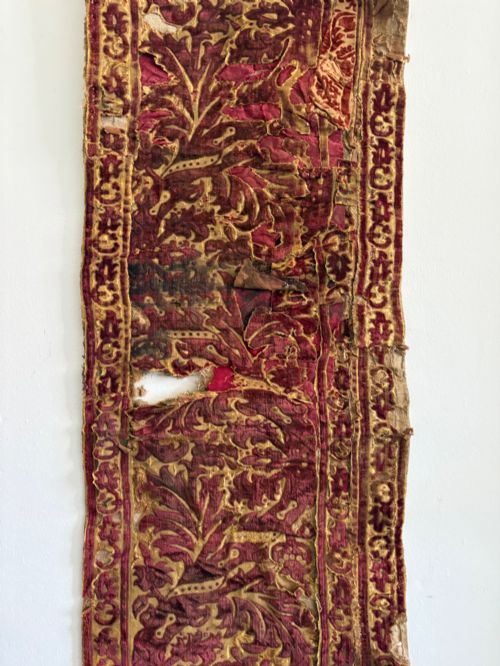
- A close-fitting cap worn in early modern Europe, often embellished with delicate silk and metal thread embroidery. Surviving fragments display intricate floral or coiling patterns.
- Long Stitch
- An embroidery technique where threads are laid flat across the canvas or backing fabric in elongated parallel strokes. It allows for smooth pictorial shading in Regency and Georgian silk pictures.
Silk Thread Embroidery: Frequently Asked Questions
How are antique suzanis displayed?
Large Central Asian suzanis are typically hung directly on walls using a sleeve sewn to the reverse or mounted with specialised textile clips. This method distributes the weight evenly across the fabric without damaging the silk embroidery.
Smaller fragments and framed panels can be hung using traditional picture hooks attached to their period wooden frames. Direct sunlight should be avoided to protect the natural silk dyes from fading over time.
What is the difference between a suzani and a sampler?
Suzanis are large decorative wall hangings or domestic textiles originating from Central Asia, characterised by expansive floral and tribal patterns worked in silk on cotton or wool. They served ceremonial and domestic purposes within households.
Samplers are European exercises in needlecraft, usually executed by young makers to demonstrate their mastery of various stitches, alphabets, and numbers. They function primarily as records of domestic education rather than functional wall decor.
How do I care for framed silk thread embroidery?
Framed needlework requires placement away from direct heat sources and humid environments like kitchens or bathrooms. Maintaining a stable indoor climate prevents the delicate silk and metal threads from becoming brittle.
Dust should be gently removed from the exterior glass using a soft cloth without applying pressure to the surface. Opening antique frames is discouraged unless professional conservation is required.
Can I date a piece by its motifs?
Motifs offer a reliable guide to origin and era, such as the distinct pomegranate and sunburst patterns found on nineteenth-century Uzbek suzanis. Heraldic devices, specific costume details, and pastoral subjects similarly anchor European works to the Georgian or Regency periods.
Comparing stitch density and ground fabrics alongside stylistic elements helps confirm the approximate age of each textile. Examining the reverse of the embroidery often reveals further clues regarding construction methods typical of specific decades.