





17th Century Tapestry
Searching for a 17th century tapestry reveals woven wool and silk panels, verdure landscapes, and antique textile fragments designed to bring historic texture into a room.

17th Century Tapestry
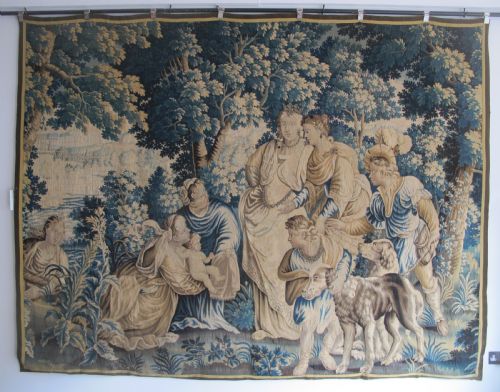
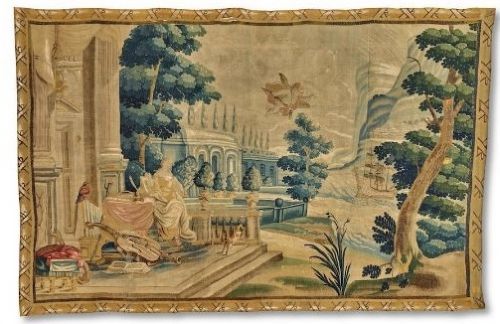
A 17th century tapestry encompasses large wall hangings, verdure landscapes, and smaller fragments such as cushion covers or borders. These textiles represent centuries of domestic and grand interior decoration, originating primarily from Flemish, French, and German workshops.
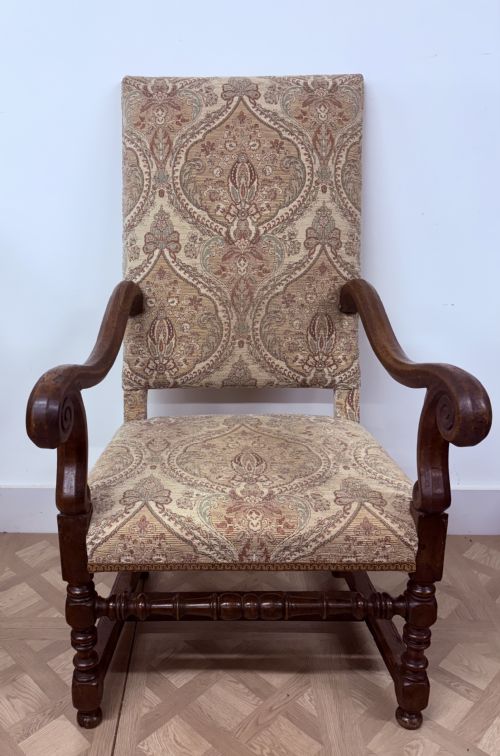
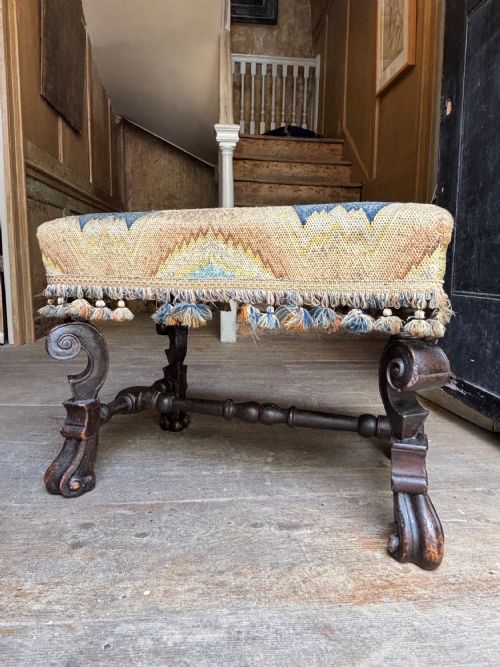
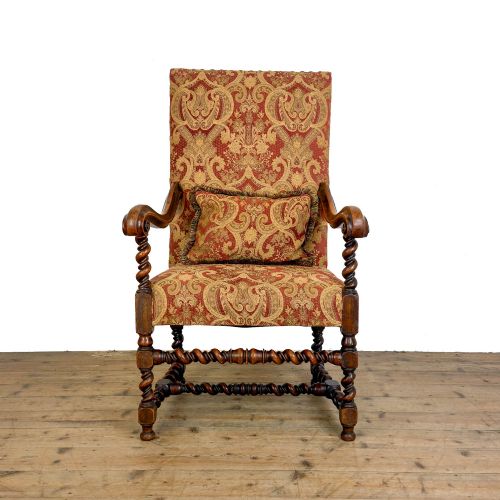
The selections available include full-scale mythological or biblical scenes alongside forest verdure designs depicting foliage, birds, and game parks. Buyers also encounter related seating upholstered in period textile fragments, integrating woven art directly into functional furniture.
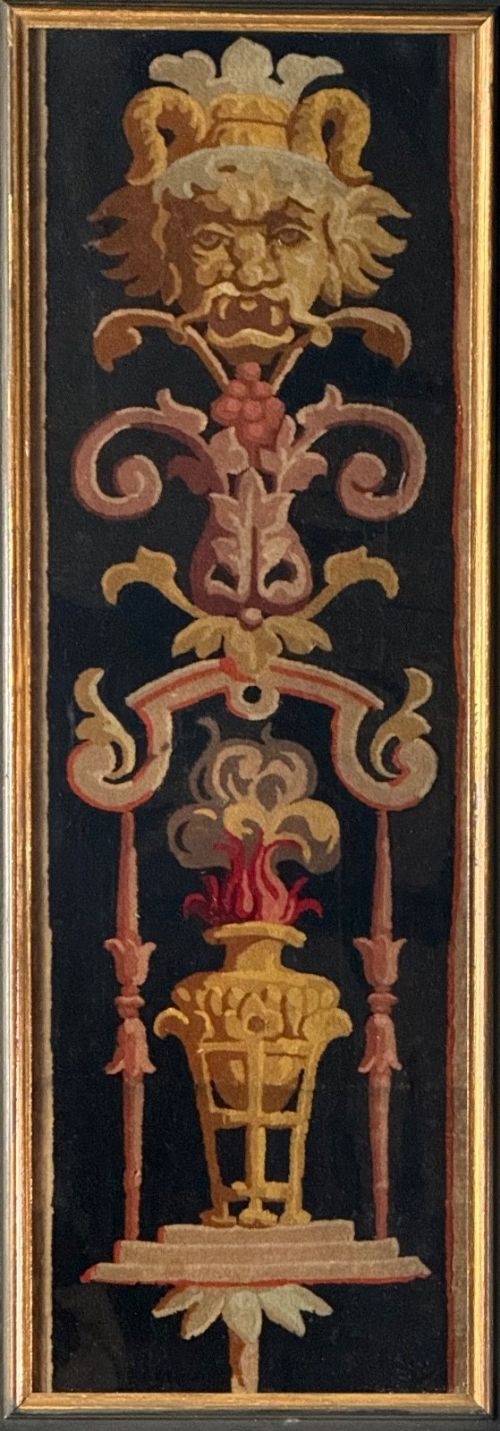
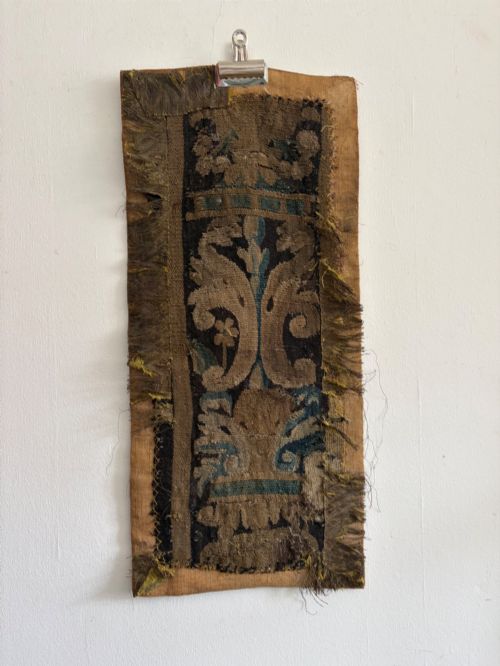
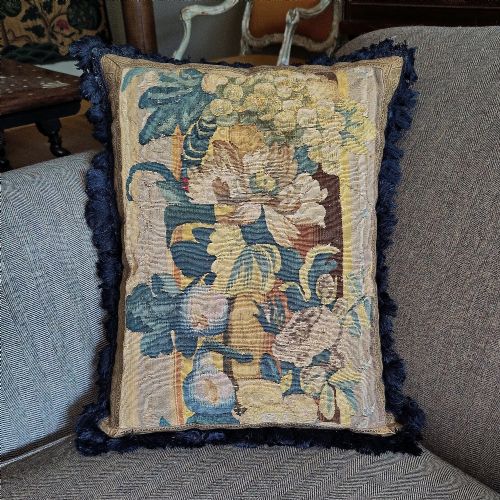
Many surviving examples exist as panels, borders, or adapted cushions rather than complete wall-sized hangings. These fragments allow collectors to acquire authentic textile art scaled for modern interiors without requiring vast wall spaces.
Materials and Weaving Technique
Weavers constructed these textiles primarily using wool and silk threads, often mounted onto linen support backing for preservation. Walnut, oak, and other timbers formed the structural frames for related seating and stools supporting the textile upholstery.
Dyers utilised natural pigments to colour the threads, producing deep greens, blues, and earth tones that aged gracefully over centuries. Skilled artisans interwove warp and weft threads by hand on high-warp or low-warp looms to build complex pictorial compositions.
17th Century Tapestry Retail Price Guide 2026
Typical asking prices for 17th century tapestry among the pieces listed under this phrase on Sellingantiques today, from the lower quarter to the upper quarter. They describe what is for sale here now, not the wider market.
Listings feature wool, silk, linen, oak, and walnut materials across seventeenth-century wall art, tapestries, and chairs.
Assessing Quality and Execution
The finesse of a woven piece depends heavily on the density of the thread count and the complexity of the pictorial design. Finer works employ high proportions of silk alongside wool to achieve subtle tonal gradations in facial expressions, foliage, and architectural details.
Completeness and structural integrity distinguish exceptional survivals from heavily restored fragments. Retained original borders and well-preserved verdure palettes indicate superior workshop production and careful historical stewardship.
The 17th Century Tapestry Glossary
- Verdure
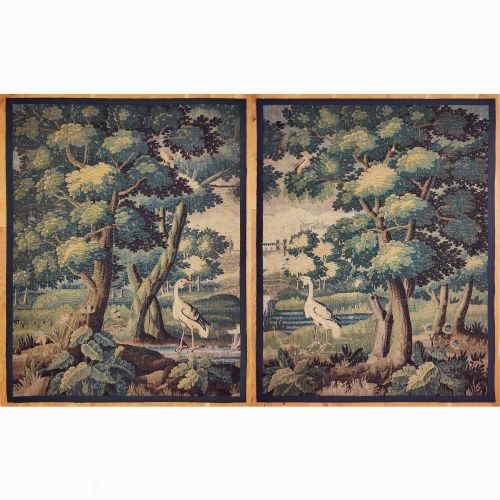
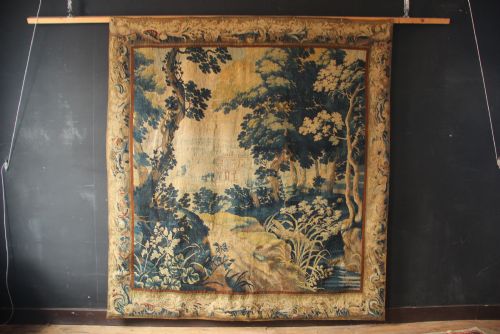
- A tapestry style featuring a dominant landscape motif of trees, foliage, plants, and often birds or animals. These forest scenes formed a popular category of wall decoration in European homes.
- Aubusson
- A style of tapestry originating from the French town of Aubusson, known for delicate floral and classical compositions. Workshops there produced both full wall panels and smaller decorative fragments.
- Warp
- The foundational vertical threads held in tension on a loom before the coloured weft threads are woven across them. This structural grid underpins the entire textile construction.
- Stumpwork
- A raised form of embroidery popular in the seventeenth century, utilising padded stitches to create three-dimensional figures. These needlework pictures often depicted royal or biblical scenes.
- Border
- The decorative outer band framing a central tapestry panel, frequently decorated with floral urns, geometric motifs, or mythological figures. Fragments of borders are often mounted individually.
17th Century Tapestry: Frequently Asked Questions
How do I hang a heavy tapestry?
Mounting large textiles safely requires distributing the weight evenly across the entire upper edge. Conservators typically sew a wide fabric casing or Velcro strip to the back, attaching it to a wooden batten screwed securely to the wall.
Avoid hanging heavy wall art directly from isolated rings or nails, as this pulls the individual threads and distorts the weave over time. Ensure the display area remains out of direct sunlight to prevent the natural dyes from fading.
Are these tapestries suitable for daily use?
Smaller textile fragments mounted as cushions or incorporated into chair upholstery serve well for gentle domestic display and seating. Upholstered stools and armchairs bring historic texture directly into a room while remaining functional items of furniture.
Large wall hangings require placement in low-traffic zones where people cannot brush against the delicate wool and silk fibres. Regular, gentle suction through a mesh screen helps control dust without damaging the fragile structure.
What is a verdure tapestry?
A verdure tapestry is a specific category of textile art focusing on stylised natural scenery rather than human figures or narrative histories. These pieces depict thickets of trees, rolling hills, foliage, and occasionally birds or small animals.
Originating primarily in Flemish and French workshops, these forest scenes provided affordable yet decorative wall coverings for seventeenth-century interiors. Their balanced composition makes them versatile for complementing various interior design schemes.