


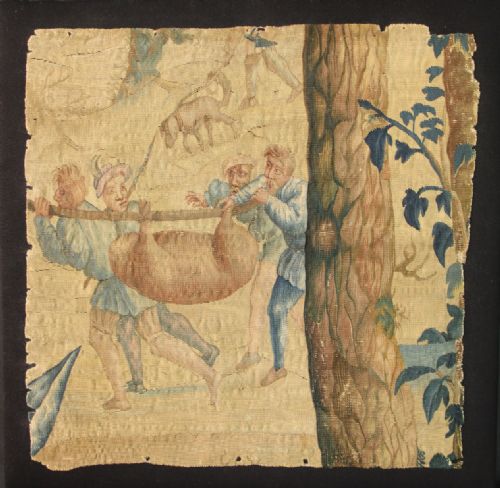


Wool Tapestry Fragment
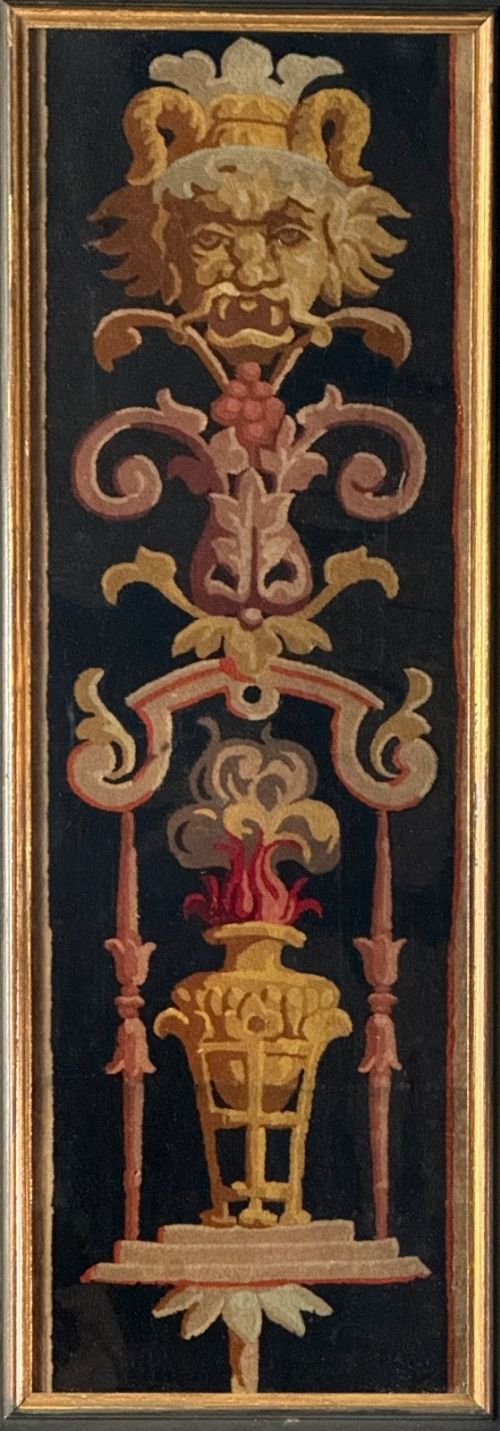
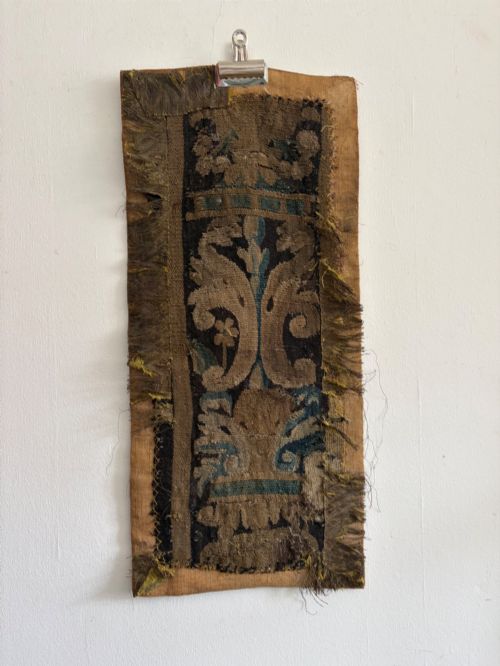
A wool tapestry fragment brings the rich texture of centuries past directly onto the wall, offering remnants of historical weaving for modern display.
Wool Tapestry Fragment
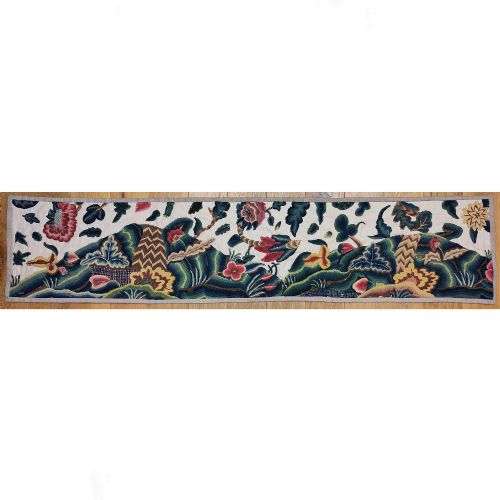
A wool tapestry fragment represents surviving sections of larger historical hangings, panels, and borders originating from periods spanning the seventeenth to the nineteenth centuries. These pieces appear frequently as Flemish verdure and game park scenes, alongside French panels, English needlework, and tribal textiles from Caucasian and Turkmen makers.
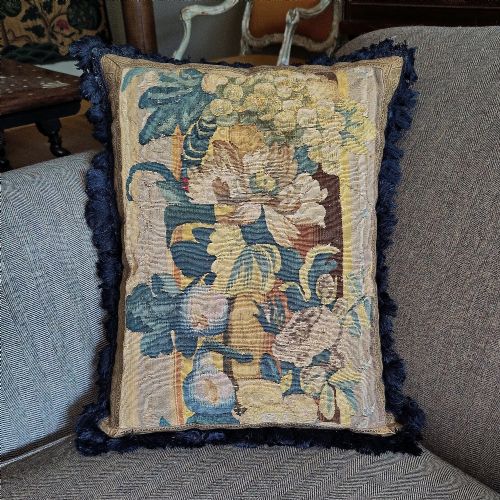
Buyers often encounter borders mounted to linen, cushions, and rectangular wall hangings that preserve figurative or botanical motifs. The forms range from small square cushions to long panels and fragments designed for intimate display or upholstery.
The origins trace primarily through European workshops and eastern traditions, showing stylistic shifts from Baroque and Jacobean designs to tribal weave structures. Each piece captures a distinct fragment of a lost broader narrative, valued for its surviving pictorial or decorative elements.
Materials and construction
Weavers utilised wool as the primary structural and visual medium, frequently combining it with silk, linen, cotton, and canvas to build complex pictorial surfaces. These natural fibres provided both durability and a varied canvas for intricate needlework and tapestry weaving.
Mounting and backing often involved linen or wood supports to stabilise delicate antique textiles for modern hanging. The physical construction relies on historical hand-weaving and stitching techniques handed down through generations of artisans.
Several fragments spent centuries serving as cushion covers before finding new life as framed wall art.
Distinctions in quality
Quality rests primarily on the density of the weave, the preservation of the original dyestuffs, and the clarity of the remaining pictorial design. Pieces with higher fidelity in their botanical or figural details display greater artistic achievement.
The integrity of the fibres and the skill of any historical mounting to linen or canvas significantly affect the overall physical stability and visual impact of the fragment.
The Wool Tapestry Fragment Glossary
- Verdure
- A tapestry style dominated by lush botanical and landscape motifs, often featuring trees, foliage, and small animals. These scenes form a major portion of surviving seventeenth and eighteenth-century Flemish fragments.
- Crewelwork
- A type of embroidery executed with wool yarn on a linen or cotton ground. English examples from around seventeen hundred showcase this traditional decorative stitching.
- Soumak
- A flat-weaving technique that creates a durable fabric with a braided appearance on the face and loose threads on the back. It appears frequently in Caucasian and Shahsavan tribal panels.
- Chuval
- A large face used on nomadic storage bags, traditionally woven by Turkmen groups. These pieces often feature repeating guls and geometric patterns.
- Gul
- A medallion-like primary motif found in tribal carpet and textile design. Specific forms identify particular weaving groups and regions.
Wool Tapestry Fragment: Frequently Asked Questions
How do I hang a textile fragment?
Most fragments are mounted onto a neutral linen backing or stretched over a wooden frame to distribute the weight evenly across the fragile fibres.
Professional framing under UV-filtered glass or direct wall mounting using conservation-grade velcro systems helps protect the antique wool from environmental damage.
Are these pieces from the seventeenth century?
The listings include confirmed seventeenth-century Flemish and Jacobean works, alongside later eighteenth and nineteenth-century panels and tribal examples.
Examining the weave structure, material composition, and stylistic motifs helps determine whether a specific fragment originates from the seventeen hundreds or a later period.
How should I clean antique wool tapestries?
Gentle surface dusting with a soft brush or low-suction vacuum through a protective mesh screen is the safest method for routine maintenance.
Water and chemical cleaning can shrink or ruin ancient wool and silk fibres, so professional textile conservation is essential for deeper restoration.
What is a verdure tapestry?
A verdure tapestry depicts green landscapes, trees, and foliage, often populated by birds or game animals in a wooded park setting.
These pastoral scenes were extremely popular in seventeenth and eighteenth-century Flemish workshops and survive today as both full panels and smaller border fragments.